
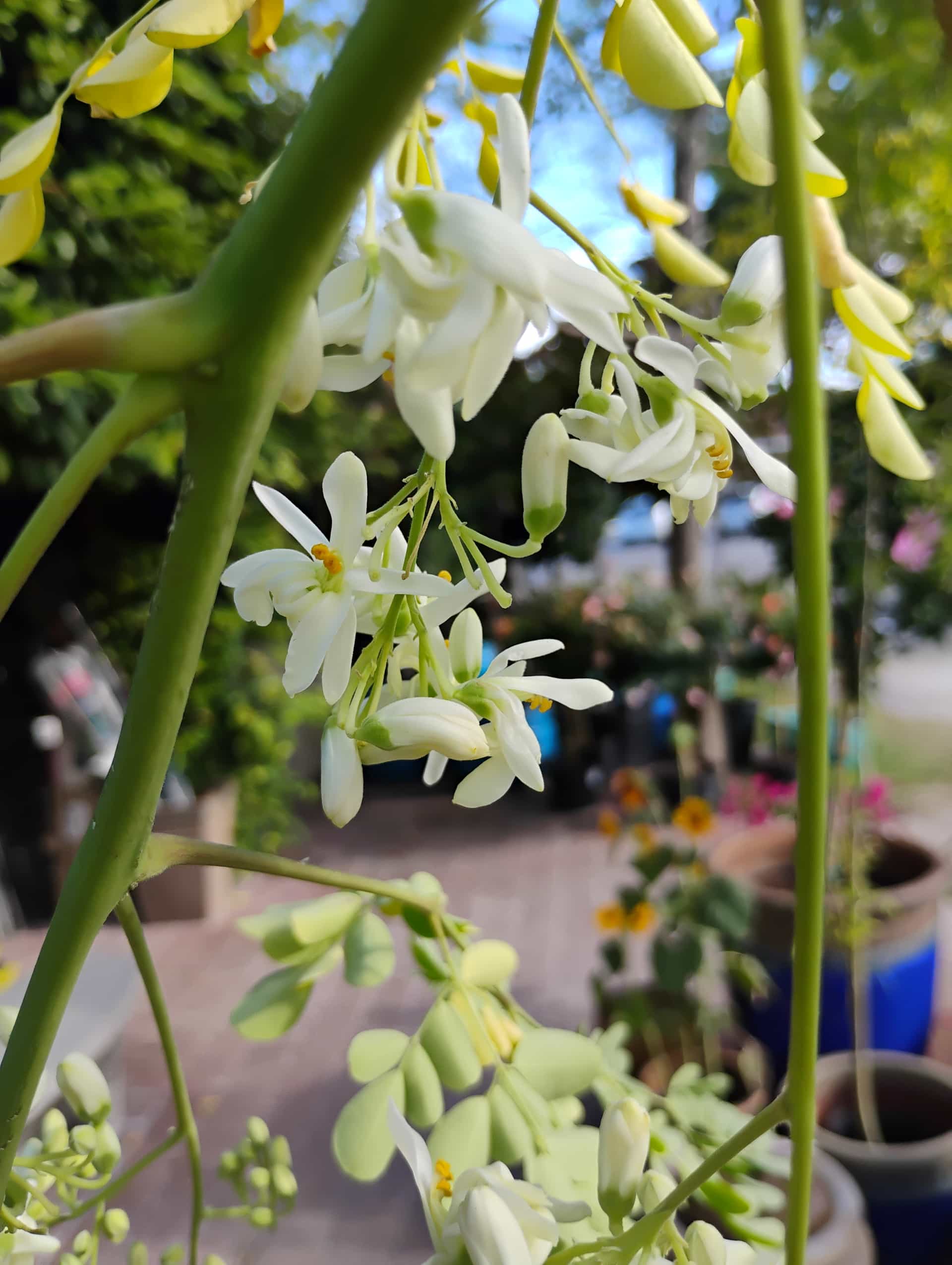
Moringa
Moringa oleifera
Varieties We Bring In
Last received Jul 16, 2026.
We bring this in seasonally, so what is on the lot changes week to week. A received date shows when it last came in, not that it is here today.
Call (904) 471-0440 to confirm this plant and size before you make the trip.
About Moringa
Moringa (Moringa oleifera), often called the "drumstick tree" or "miracle tree," is a fast-growing deciduous tree native to the foothills of the Himalayas, cultivated throughout the tropics for its highly nutritious leaves, pods, seeds, and roots. It bears airy, pinnately compound foliage and fragrant, creamy-white flowers followed by long, ribbed seed pods. Nearly every part of the tree is edible or has documented medicinal and industrial uses. Starting at $39.95.
Plant details
- Bloom Season
- Spring, Summer
- Flower Color
- White
- Growth Rate
- Fast
- Foliage
- Deciduous
- Soil
- Sandy, Loam, Well-drained
Best planting months
Seasonal care
Bloom season. New foliage emerges. Good planting window.
Bloom season.
Foliage may begin to change or drop. Ideal planting window.
Dormant — drops foliage. Can be planted in mild winter periods.
Care essentials
Moringa demands full sun — at least 8 hours of direct sunlight daily. In NE Florida, site in the most open, sunny location available. It will not thrive in shade and struggles under tree canopy.
Moringa is highly drought-tolerant once established and thrives with minimal irrigation in NE Florida. Water deeply at planting and during the first few months to establish roots; thereafter water only during extended dry spells. Overwatering causes root rot — excellent drainage is essential.
Plant in well-drained sandy or loamy soil — moringa performs best in NE Florida's sandy native soil. Avoid clay or poorly drained sites. Light fertilization with a balanced granular fertilizer in spring and early summer is sufficient; excess nitrogen reduces fruiting. Prune regularly to maintain a manageable height of 6–10 feet for leaf harvest.
Similar needs
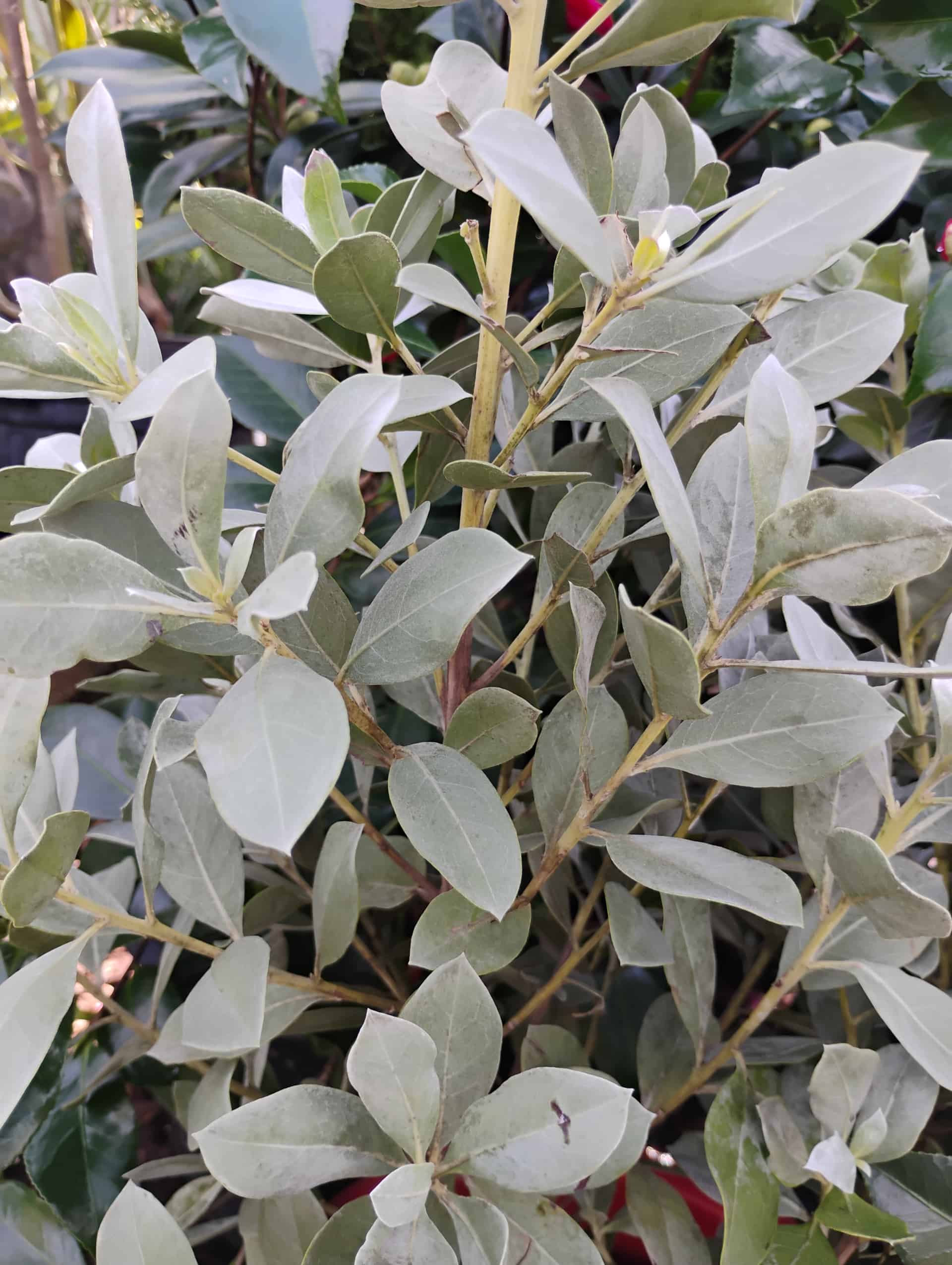
Buttonwood
Shares 5 of the same needs: full sun, moderate water, sandy, zone 9a hardiness, and pollinator-friendly.
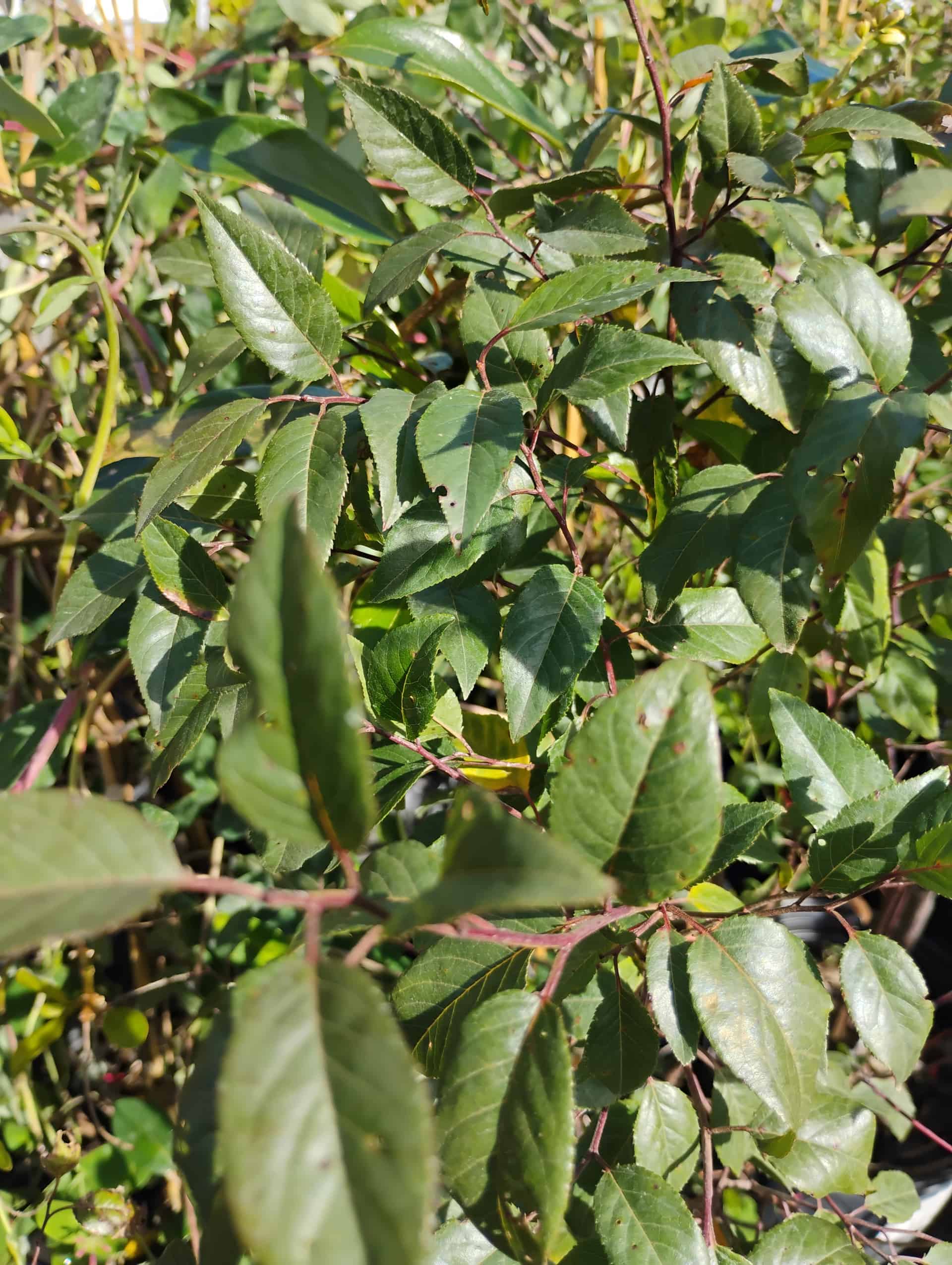
Cherry
Shares 5 of the same needs: full sun, moderate water, sandy, zone 9a hardiness, and pollinator-friendly.
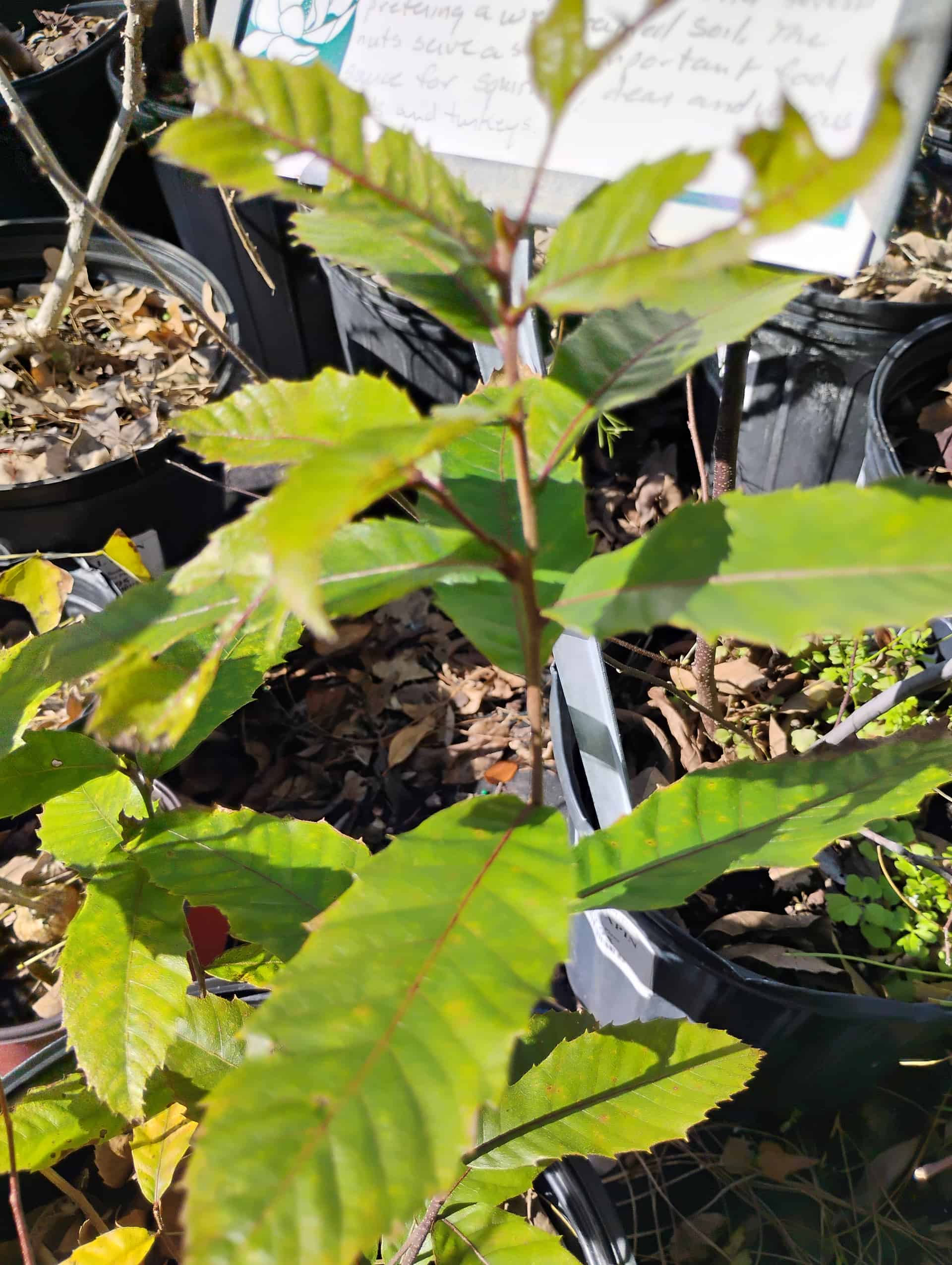
Chestnut
Shares 5 of the same needs: full sun, moderate water, sandy, zone 9a hardiness, and pollinator-friendly.
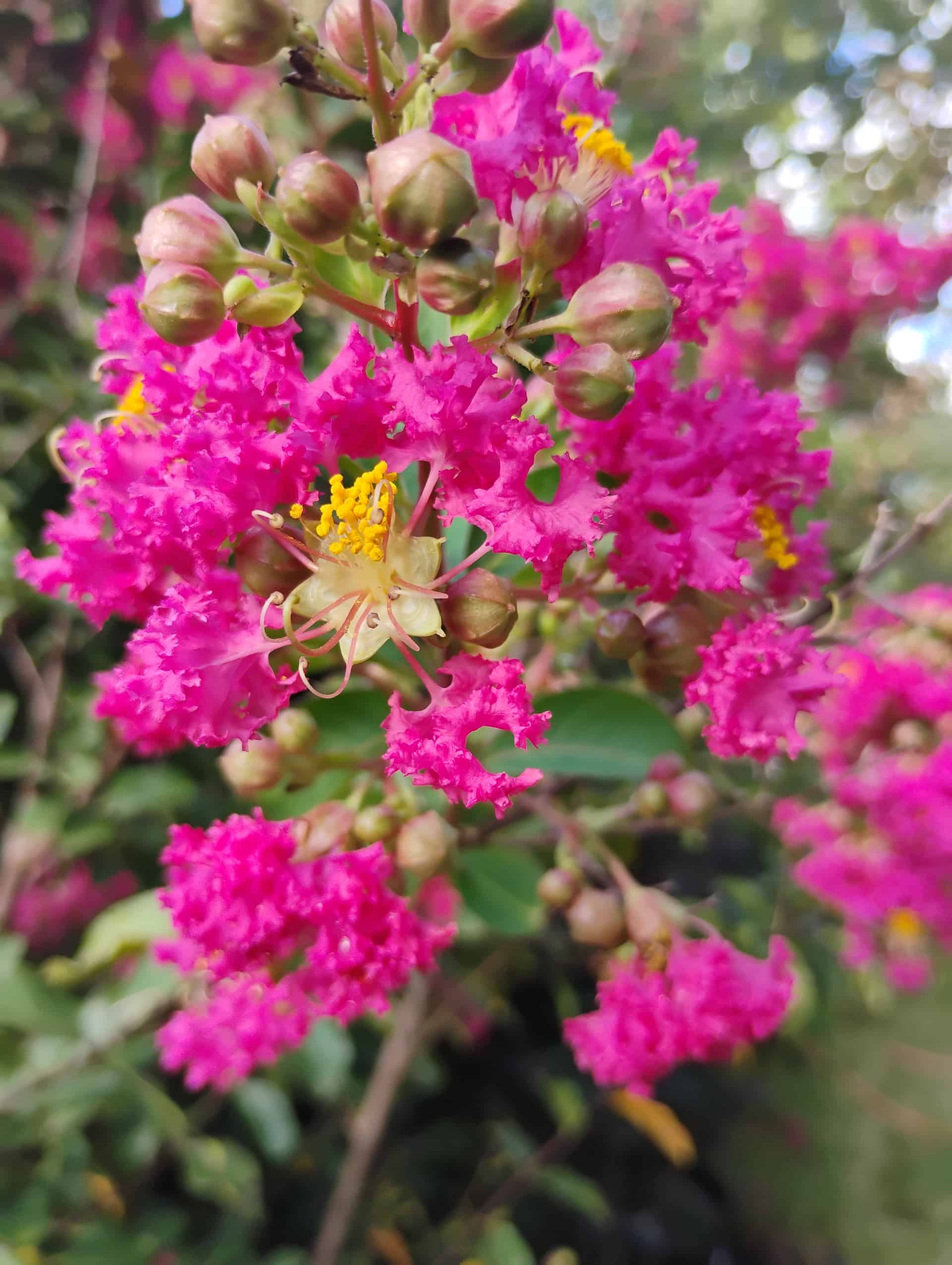
Crape Myrtle
Shares 5 of the same needs: full sun, moderate water, sandy, zone 9a hardiness, and pollinator-friendly.
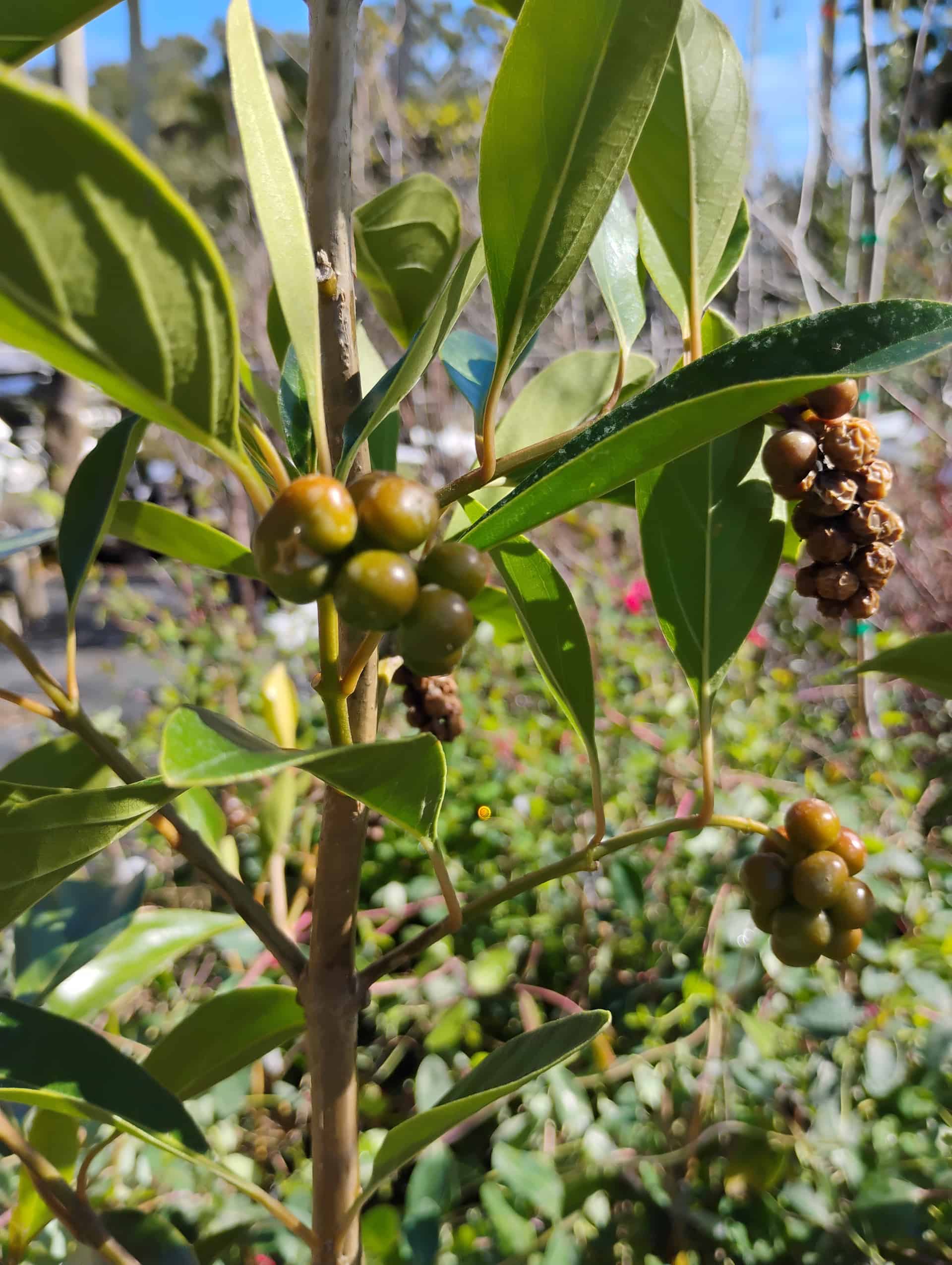
Fiddlewood
Shares 5 of the same needs: full sun, moderate water, sandy, zone 9a hardiness, and pollinator-friendly.
Fringe Tree
Shares 5 of the same needs: full sun, moderate water, sandy, zone 9a hardiness, and pollinator-friendly.
You may also like
Common questions
Is Moringa a good plant for St. Augustine?
Moringa is a tree for Zone 9b coastal Florida gardens, reaching 10-20 feet × 10-15 feet.
Care information verified from
Last reviewed February 2026. Our care guidance comes from trusted horticulture sources and decades of helping St. Augustine gardeners. Conditions here can vary dramatically from one area to the next, so come ask us and we'll tailor it to your yard.