
Traits
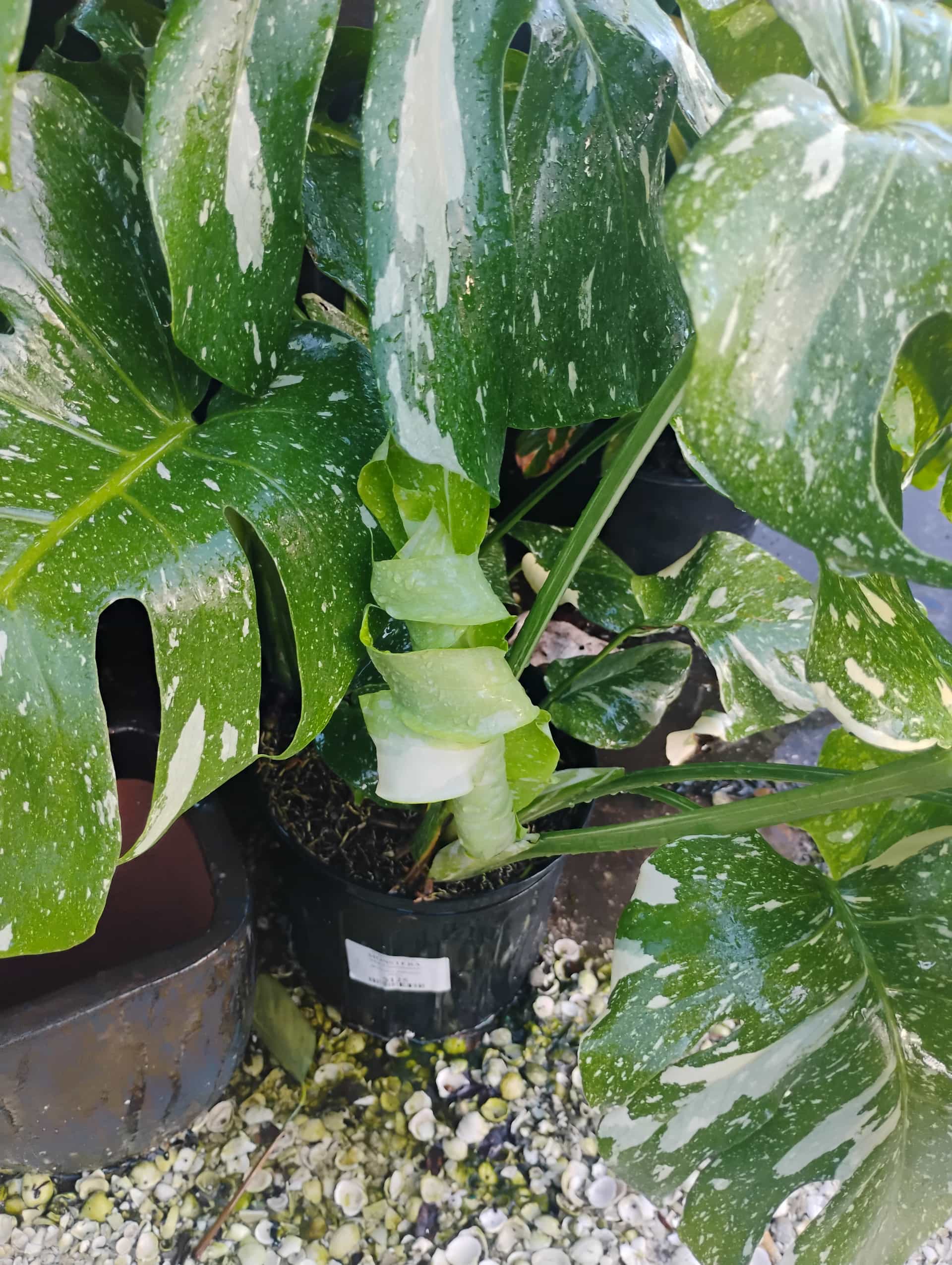
Varieties We Bring In
Swiss Cheese · Thai Constellation · Thai Delight
Standard
Standard · Thai Constellation · Tauerii · Thai Delight
Tauerii
Standard · Thai Constellation
We received some Monstera on Jul 19, 2026.
We bring this in seasonally, so what is on the lot changes week to week. A received date shows when it last came in, not that it is here today.
Call (904) 471-0440 to confirm this plant and size before you make the trip.
Last received Jul 19, 2026.
We bring this in seasonally, so what is on the lot changes week to week. A received date shows when it last came in, not that it is here today.
Call (904) 471-0440 to confirm this plant and size before you make the trip.
Pet toxicity: Toxic to dogs and cats
Pet safety guideAbout Monstera
Monstera (Monstera deliciosa) is a large tropical vine from the rainforests of Central America, famous for its dramatic, deeply split and perforated leaves that can reach over two feet across. A defining plant of tropical interior design, it climbs via aerial roots and produces edible fruit in its native habitat.
Plant details
- Bloom Season
- Summer
- Flower Color
- Non-flowering
- Growth Rate
- Moderate
- Foliage
- Evergreen
- Soil
- Loam, Well-drained
Best planting months
Recommended months: January, February, March, April, May, June, July, August, September, October, November, December.
Seasonal care
Good planting window.
Can be planted with extra attention to watering.
Ideal planting window.
Retains foliage through winter. Can be planted in mild winter periods.
Care essentials
Monstera thrives in bright indirect light or dappled shade outdoors in NE Florida. Avoid direct midday sun which scorches leaves; a sheltered spot under tree canopy with filtered light is ideal. Indoors, position near a bright window away from direct rays.
Water when the top 2 inches of soil feel dry, keeping soil evenly moist but never waterlogged. In NE Florida's summer humidity, outdoor plants may need less frequent watering; always ensure excellent drainage to prevent root rot.
Grow in rich, well-drained loamy potting mix or amended garden soil. Feed monthly with a balanced fertilizer during the growing season (spring through early fall). In NE Florida, apply a micronutrient supplement periodically to address potential iron or manganese deficiencies common in alkaline pockets of sandy soil.
Similar needs

Anthurium
Shares 4 of the same needs: shade, moderate water, loam, and zone 9a hardiness.

Chinese Evergreen
Shares 4 of the same needs: shade, moderate water, loam, and zone 9a hardiness.

Dracaena
Shares 4 of the same needs: shade, moderate water, loam, and zone 9a hardiness.

Dumb Cane
Shares 4 of the same needs: shade, moderate water, loam, and zone 9a hardiness.

False Aralia
Shares 4 of the same needs: shade, moderate water, loam, and zone 9a hardiness.
Gloxinia
Shares 4 of the same needs: shade, moderate water, loam, and zone 9a hardiness.
You may also like
 Houseplant
African Violet
Streptocarpus ionanthus
HouseplantChinese Evergreen
Aglaonema commutatum
HouseplantAnthurium
Anthurium andraeanum
Common questions
Is Monstera a good plant for St. Augustine?
Monstera is a houseplant. Mature size: 10-15 feet × 6-10 feet. Light: Part Shade. Water needs: Moderate. Recorded hardiness zone: 9a.
What is the recorded pet toxicity for Monstera?
Toxic to dogs and cats
Care information verified from
Last reviewed February 2026. Our care guidance comes from trusted horticulture sources and decades of helping St. Augustine gardeners. Conditions here can vary dramatically from one area to the next, so come ask us and we'll tailor it to your yard.