
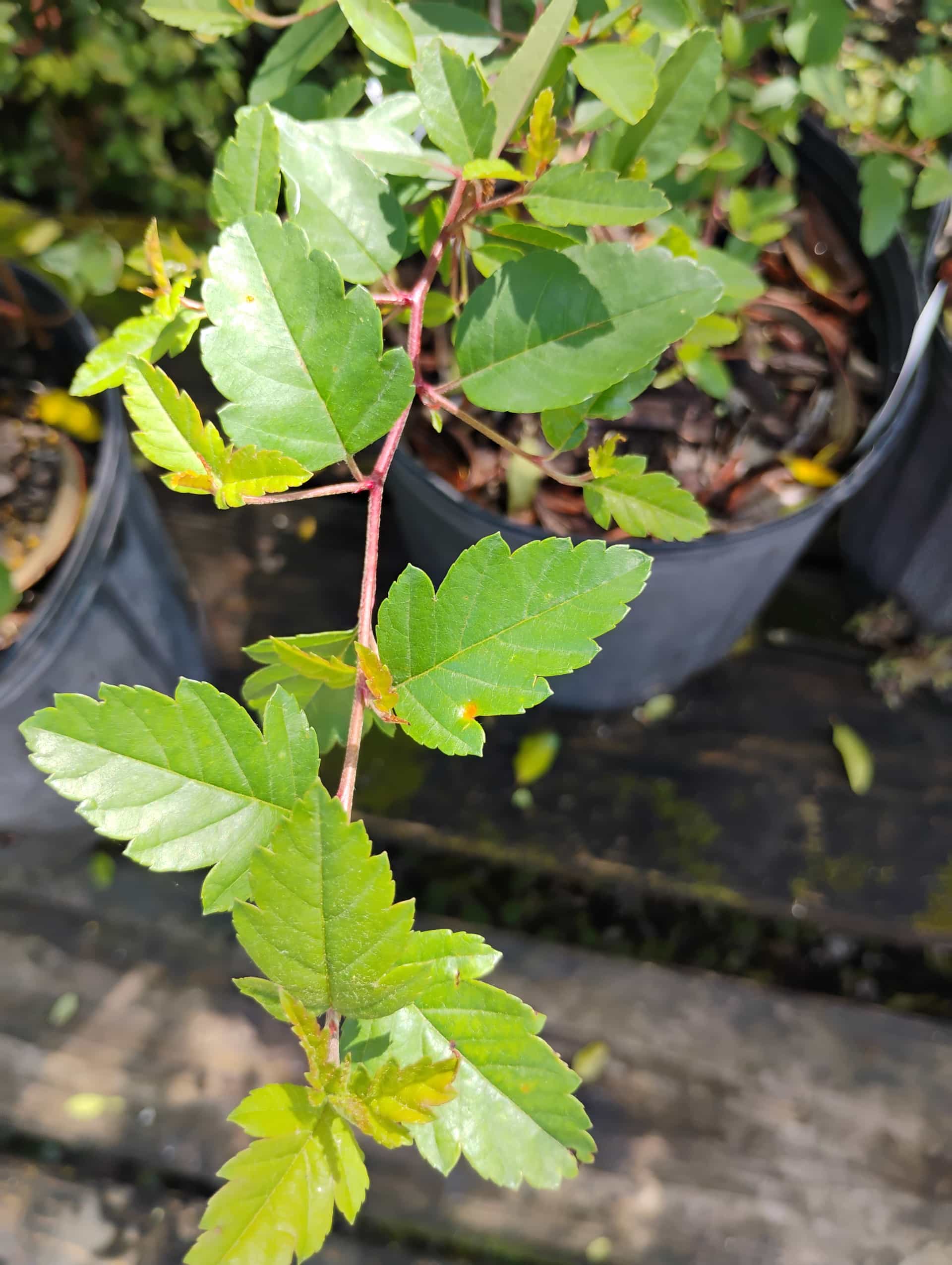
Southern Crabapple
Malus angustifolia
Varieties We Bring In
Last received Jul 16, 2026.
We bring this in seasonally, so what is on the lot changes week to week. A received date shows when it last came in, not that it is here today.
Call (904) 471-0440 to confirm this plant and size before you make the trip.
About Southern Crabapple
Southern Crabapple (Malus angustifolia) is a small deciduous native tree of the southeastern United States, producing fragrant pink to white blossoms in spring followed by small, tart yellow-green fruit relished by wildlife. It is one of the few crabapples native to the South and is valued for its ornamental flowers and native habitat value. Starting at $34.95.
Plant details
- Bloom Season
- Spring
- Flower Color
- White, Pink
- Growth Rate
- Moderate
- Foliage
- Deciduous to semi-evergreen
- Soil
- Sandy, Loam, Clay, Acidic, Well-drained
Best planting months
Seasonal care
Bloom season. New foliage emerges. Good planting window.
Active growing season.
Foliage may begin to change or drop. Ideal planting window.
Dormant — drops foliage. Can be planted in mild winter periods.
Care essentials
Plant in full sun for best flower and fruit production. Southern Crabapple tolerates partial shade but flowering is reduced. Site in an open location with good air circulation to minimize fungal disease pressure, which is elevated in NE Florida humidity.
Water regularly during the first 1–2 years to establish. Once established, Southern Crabapple is moderately drought tolerant. Avoid prolonged wet feet; excellent drainage is critical to prevent root disease.
Grows best in moist, well-drained, slightly acidic sandy or loam soils. Amend NE Florida sandy soils with compost at planting. Apply a balanced slow-release fertilizer in early spring; avoid excess nitrogen, which increases susceptibility to rust and other fungal diseases. Note: this species is highly susceptible to cedar-apple rust — avoid planting near Eastern red cedar.
Similar needs
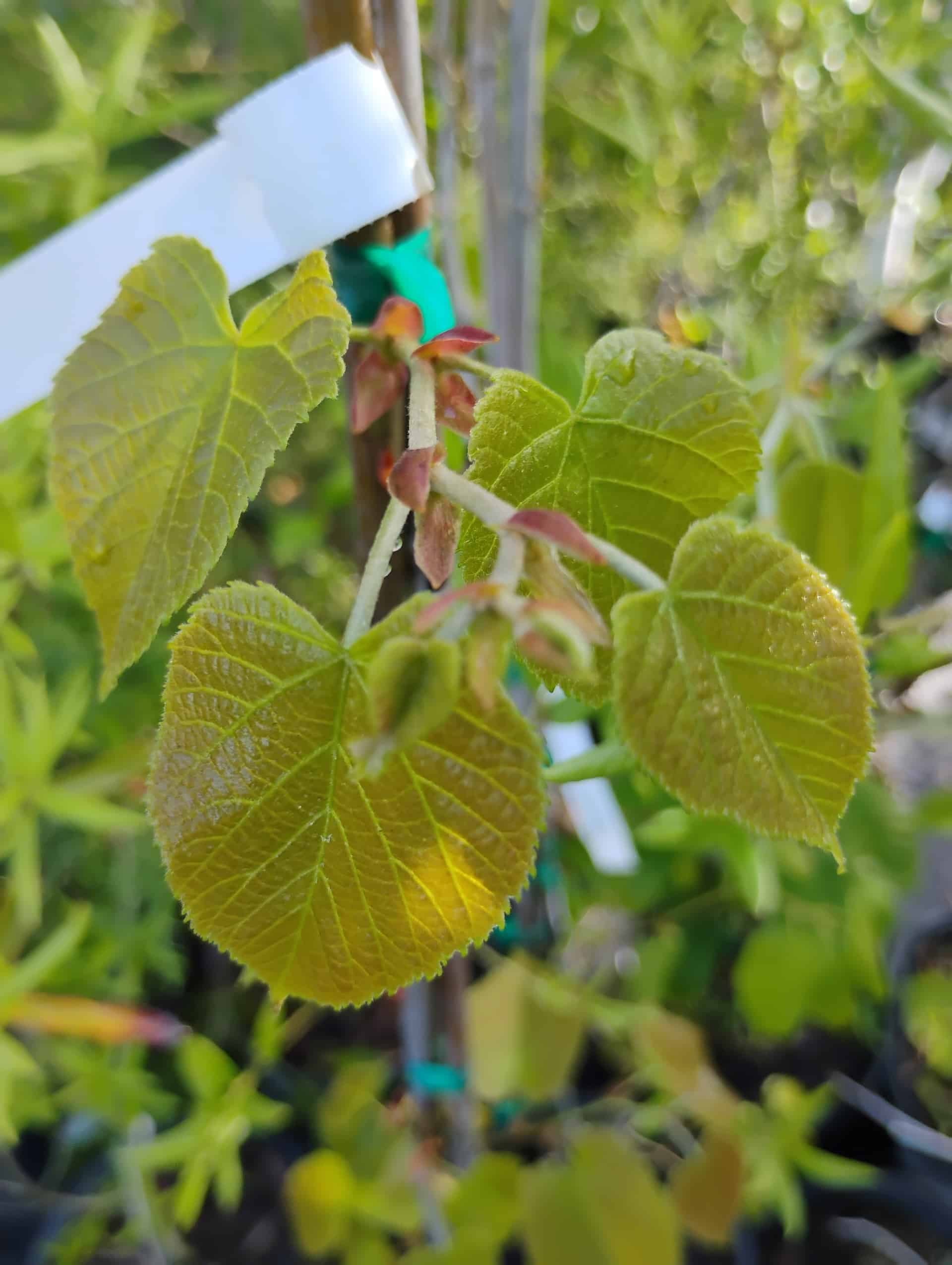
Basswood
Shares 5 of the same needs: full sun, moderate water, loam, zone 9a hardiness, and pollinator-friendly.
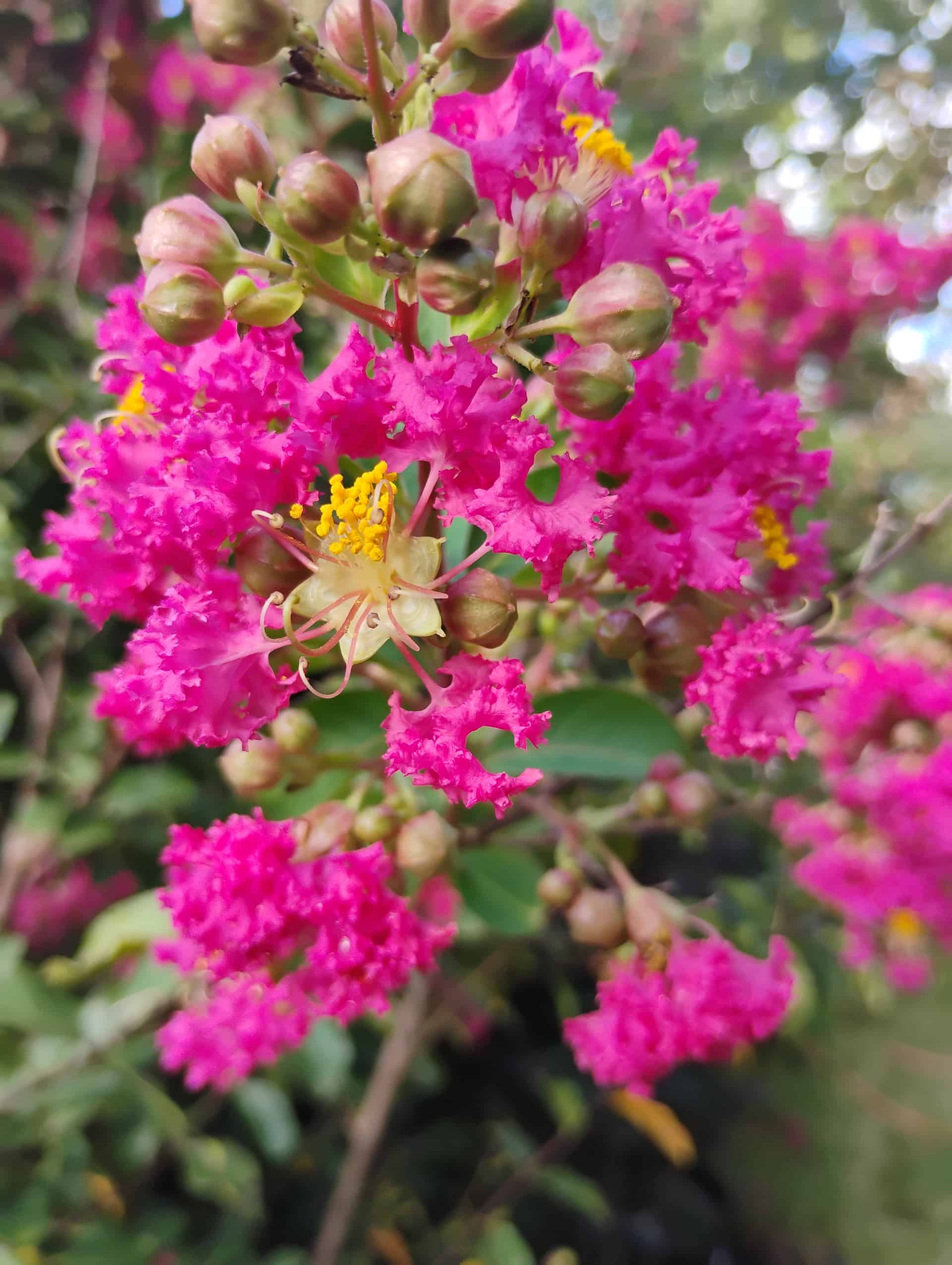
Crape Myrtle
Shares 5 of the same needs: full sun, moderate water, sandy, zone 9a hardiness, and pollinator-friendly.
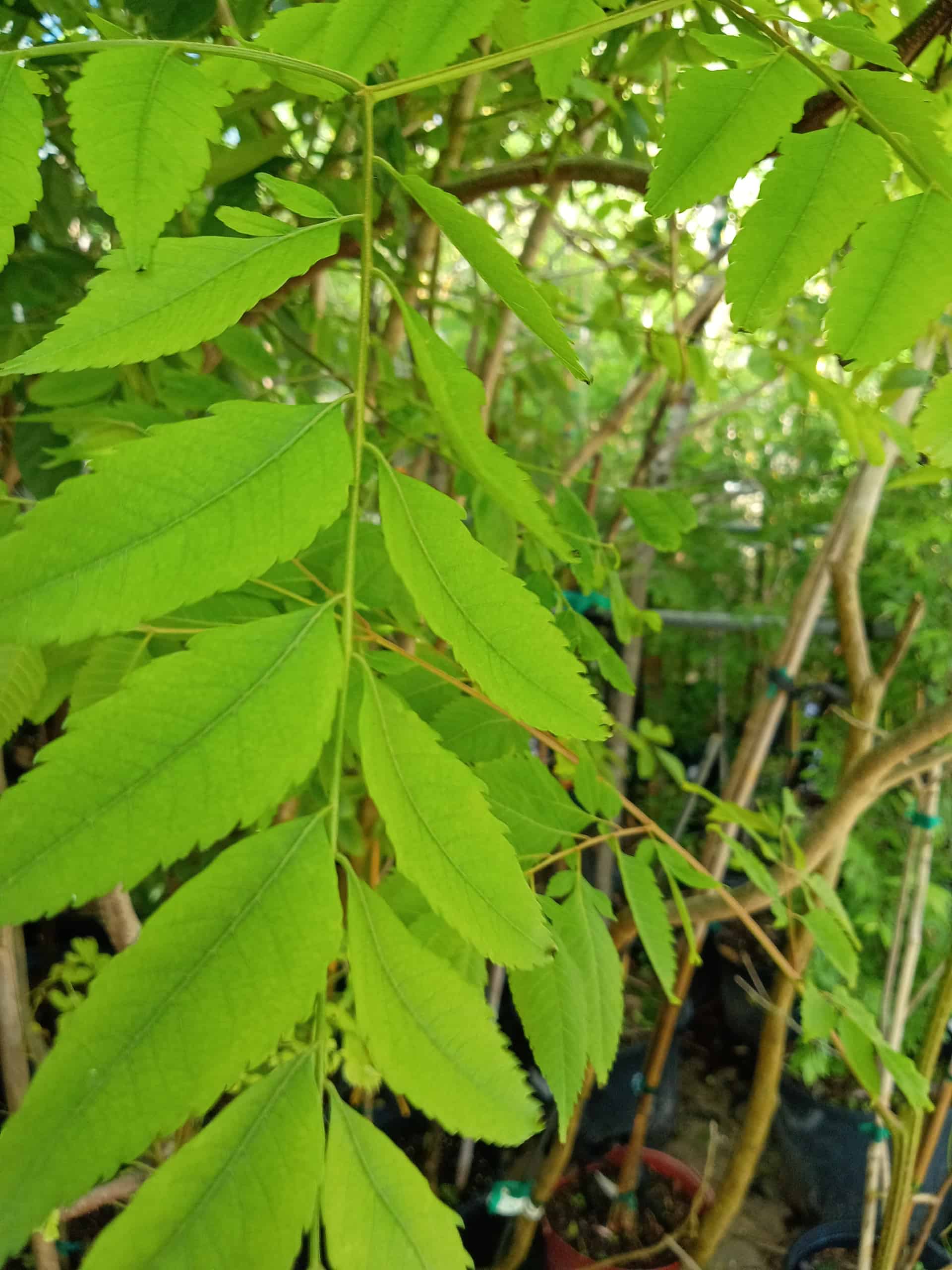
Golden Rain Tree
Shares 5 of the same needs: full sun, moderate water, sandy, zone 9a hardiness, and pollinator-friendly.
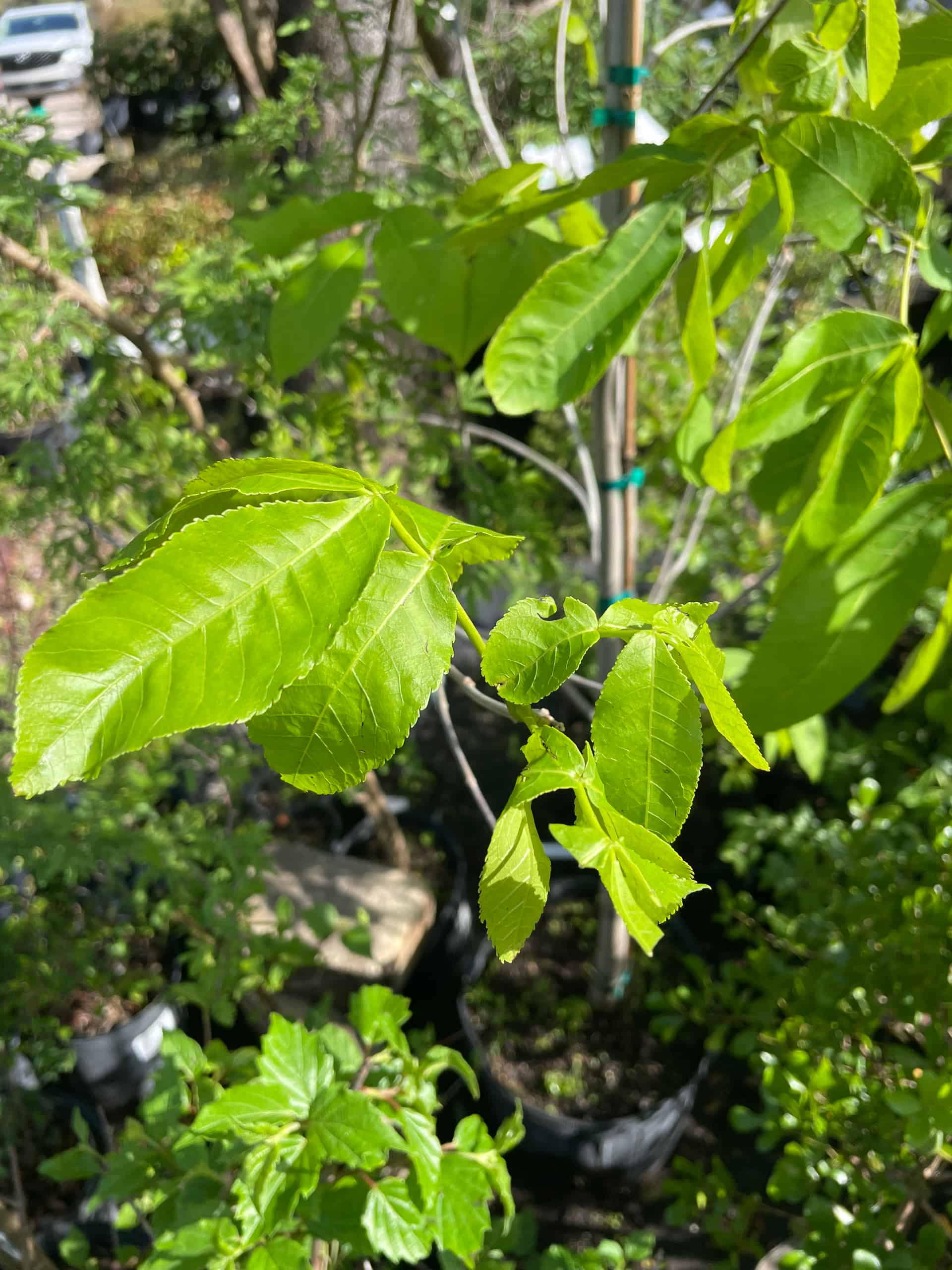
Pignut Hickory
Shares 5 of the same needs: full sun, moderate water, sandy, zone 9a hardiness, and pollinator-friendly.
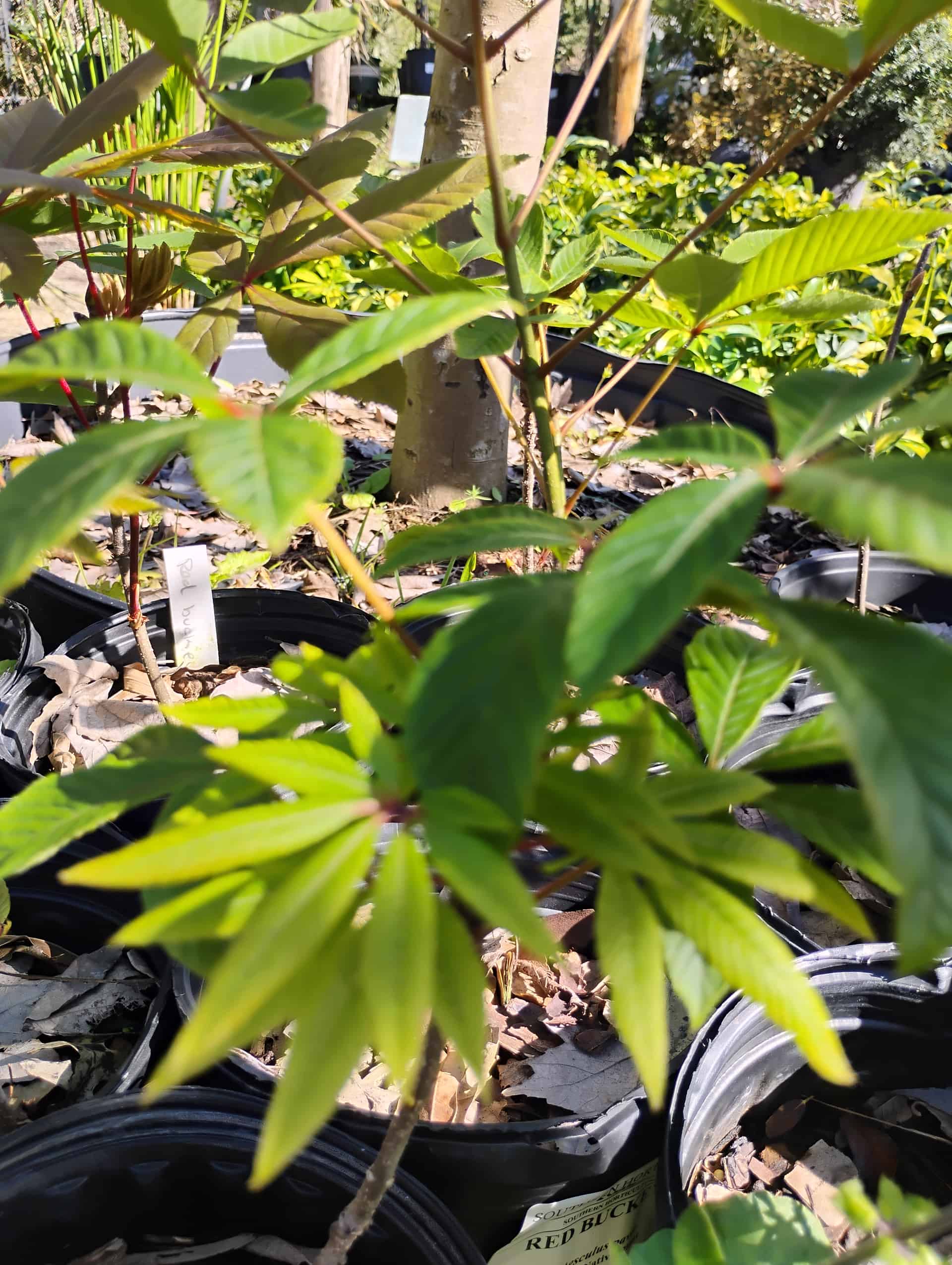
Red Buckeye
Shares 5 of the same needs: full sun, moderate water, sandy, zone 9a hardiness, and pollinator-friendly.
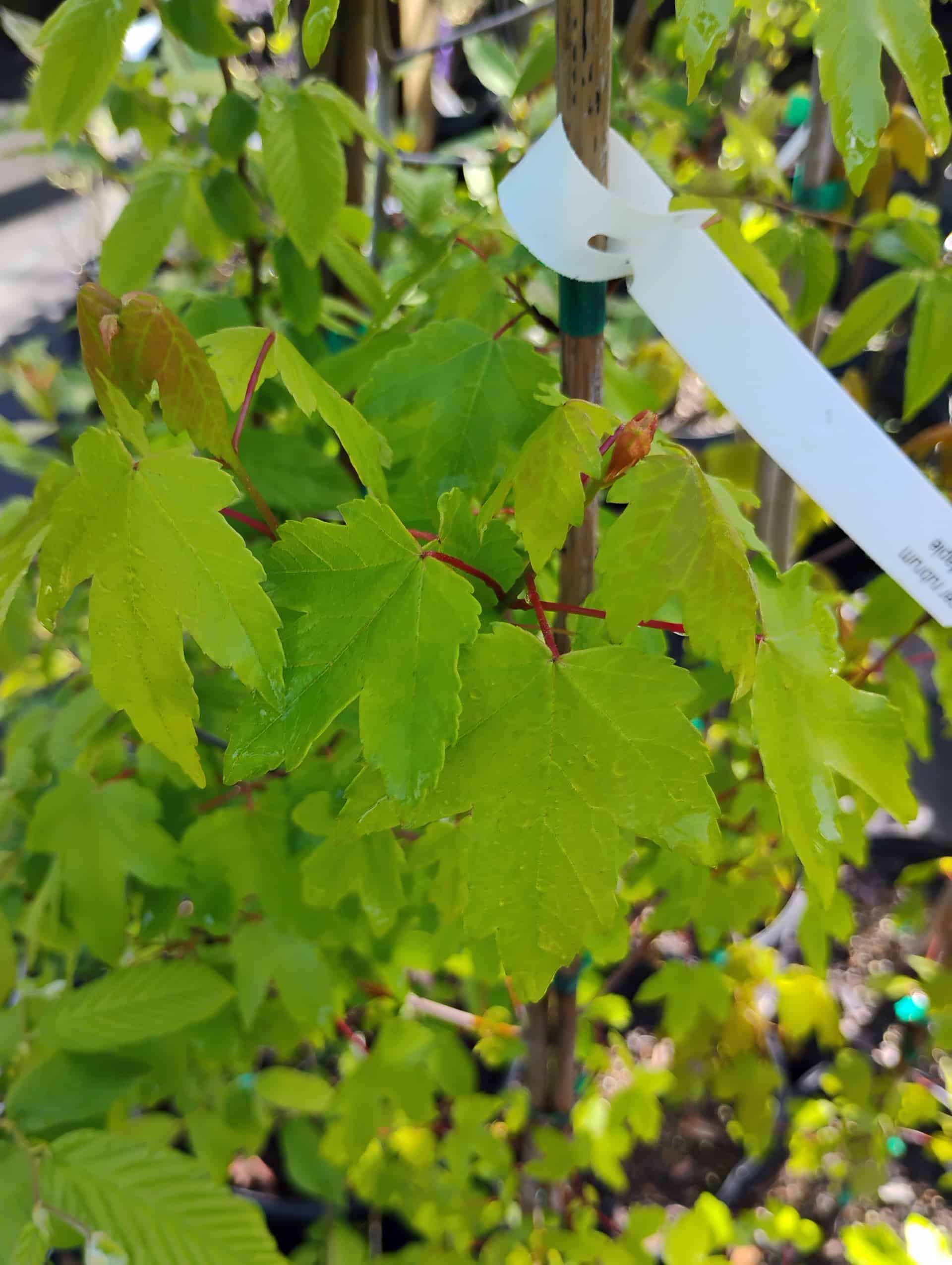
Red Maple
Shares 5 of the same needs: full sun, moderate water, sandy, zone 9a hardiness, and pollinator-friendly.
You may also like
Common questions
Is Southern Crabapple a good plant for St. Augustine?
Southern Crabapple is a tree for Zone 9b coastal Florida gardens, reaching 20-30 feet × 15-20 feet.
Care information verified from
Last reviewed February 2026. Our care guidance comes from trusted horticulture sources and decades of helping St. Augustine gardeners. Conditions here can vary dramatically from one area to the next, so come ask us and we'll tailor it to your yard.