
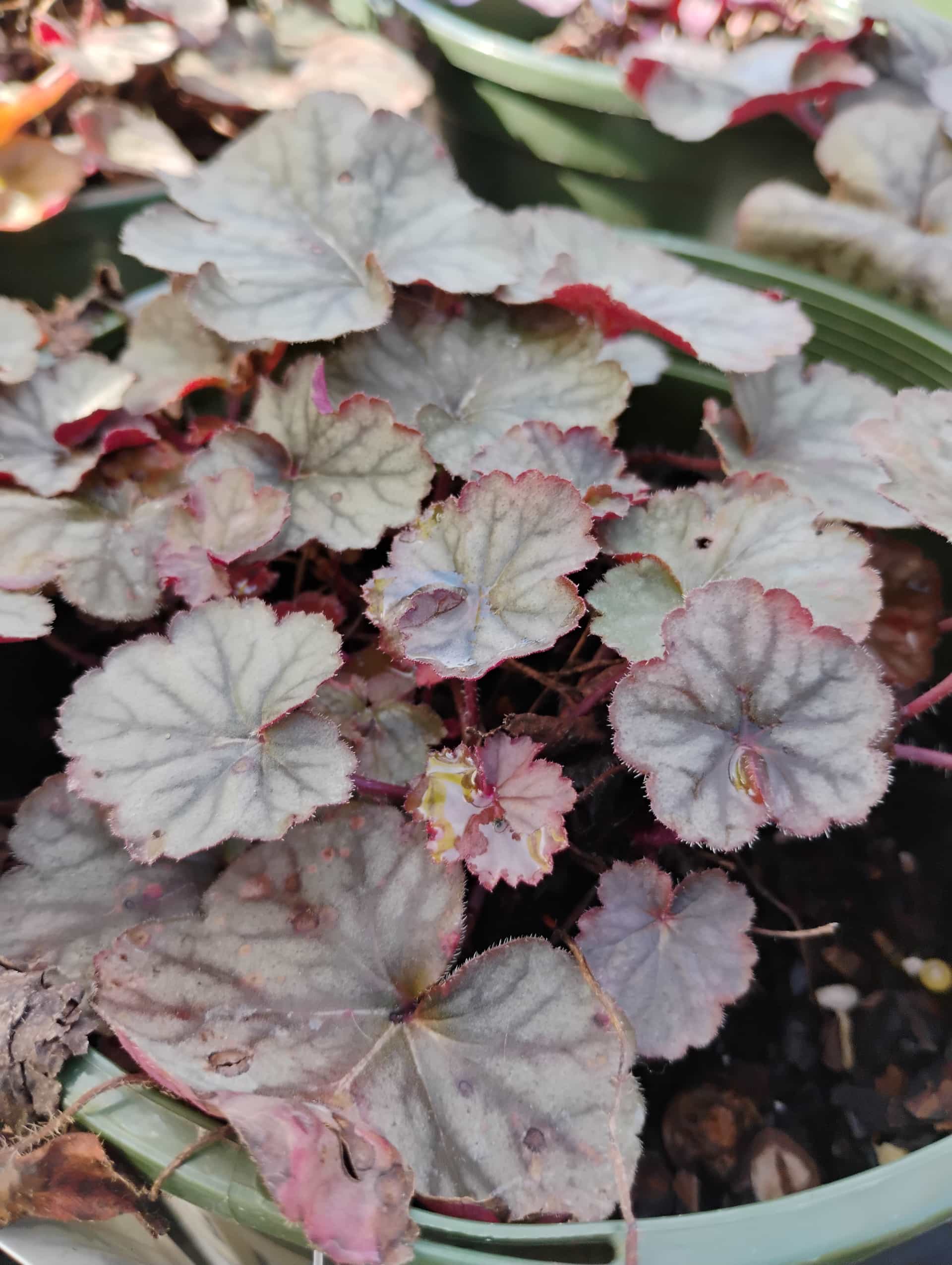
Varieties We Bring In
Carnival Watermelon · Carnival Cocomint · Frvr Purple · Balboa Sunset · Black Forest Cake · Srns' Sng Dark N Bright · Ruby Tuesday · Northern Exposure
We received some Coral Bells on Jul 25, 2026.
We bring this in seasonally, so what is on the lot changes week to week. A received date shows when it last came in, not that it is here today.
Call (904) 471-0440 to confirm this plant and size before you make the trip.
Last received Jul 25, 2026.
We bring this in seasonally, so what is on the lot changes week to week. A received date shows when it last came in, not that it is here today.
Call (904) 471-0440 to confirm this plant and size before you make the trip.
Pet toxicity: Non-toxic to dogs and cats
Pet safety guideAbout Coral Bells
Coral bells (Heuchera) are North American woodland perennials prized for mounding rosettes of boldly patterned, maple-shaped leaves in shades of burgundy, bronze, silver, and green. Slender wands of small bell-shaped flowers rise above the foliage in spring and summer. In NE Florida zone 9b, choose heat-tolerant Heuchera villosa hybrids and site in part to full shade with amended, consistently moist soil.
Plant details
- Bloom Season
- Spring, Summer
- Flower Color
- White, Red, Pink
- Growth Rate
- Moderate
- Foliage
- Evergreen
- Soil
- Loam, Well-drained, Amended
Best planting months
Recommended months: March, April, May, September, October, November.
Seasonal care
Bloom season. Good planting window.
Bloom season.
Ideal planting window.
Retains foliage through winter.
Care essentials
Requires part to full shade in NE Florida; afternoon sun causes scorching and rapid foliage decline in the intense summer heat. Morning sun with filtered afternoon shade is ideal.
Keep soil consistently moist but well-drained; never let the root zone dry out in summer. Mulch heavily to moderate soil temperature and retain moisture.
Requires organically rich, humusy, well-drained soil — amend NE Florida's sandy soil liberally with compost before planting. Apply a balanced slow-release fertilizer in spring; note that H. villosa hybrids are the most heat-tolerant selections for zone 9b.
Similar needs

Garden Mum
Shares 4 of the same needs: shade, moderate water, loam, and zone 9a hardiness.

Gerbera Daisy
Shares 4 of the same needs: moderate water, loam, zone 9a hardiness, and pollinator-friendly.
Sweet Pea
Shares 4 of the same needs: moderate water, loam, zone 9a hardiness, and pollinator-friendly.

Garden Phlox
Shares 3 of the same needs: loam, zone 9a hardiness, and pollinator-friendly.
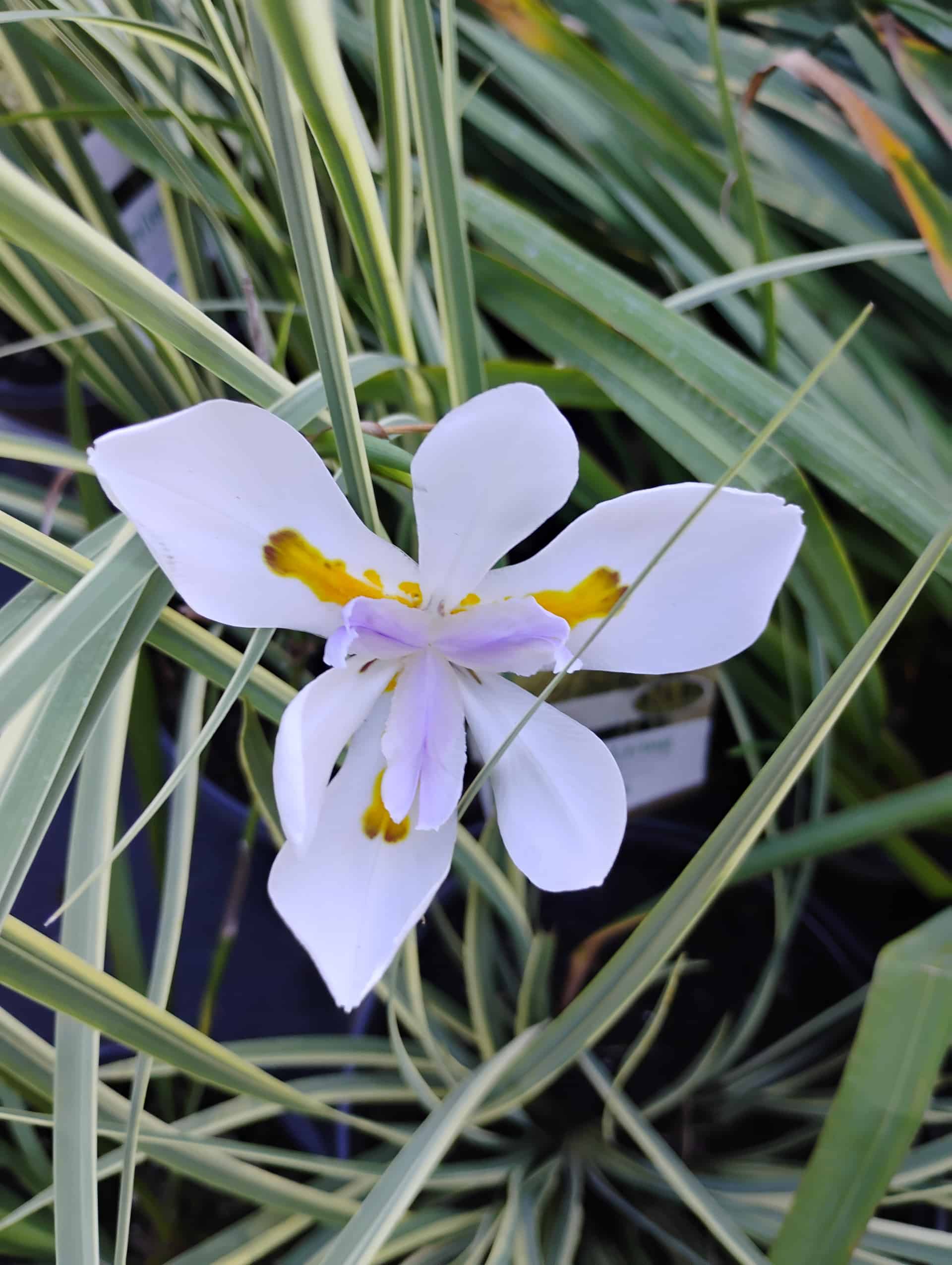
African Iris
Shares 5 of the same needs: shade, moderate water, loam, zone 9a hardiness, and pollinator-friendly.
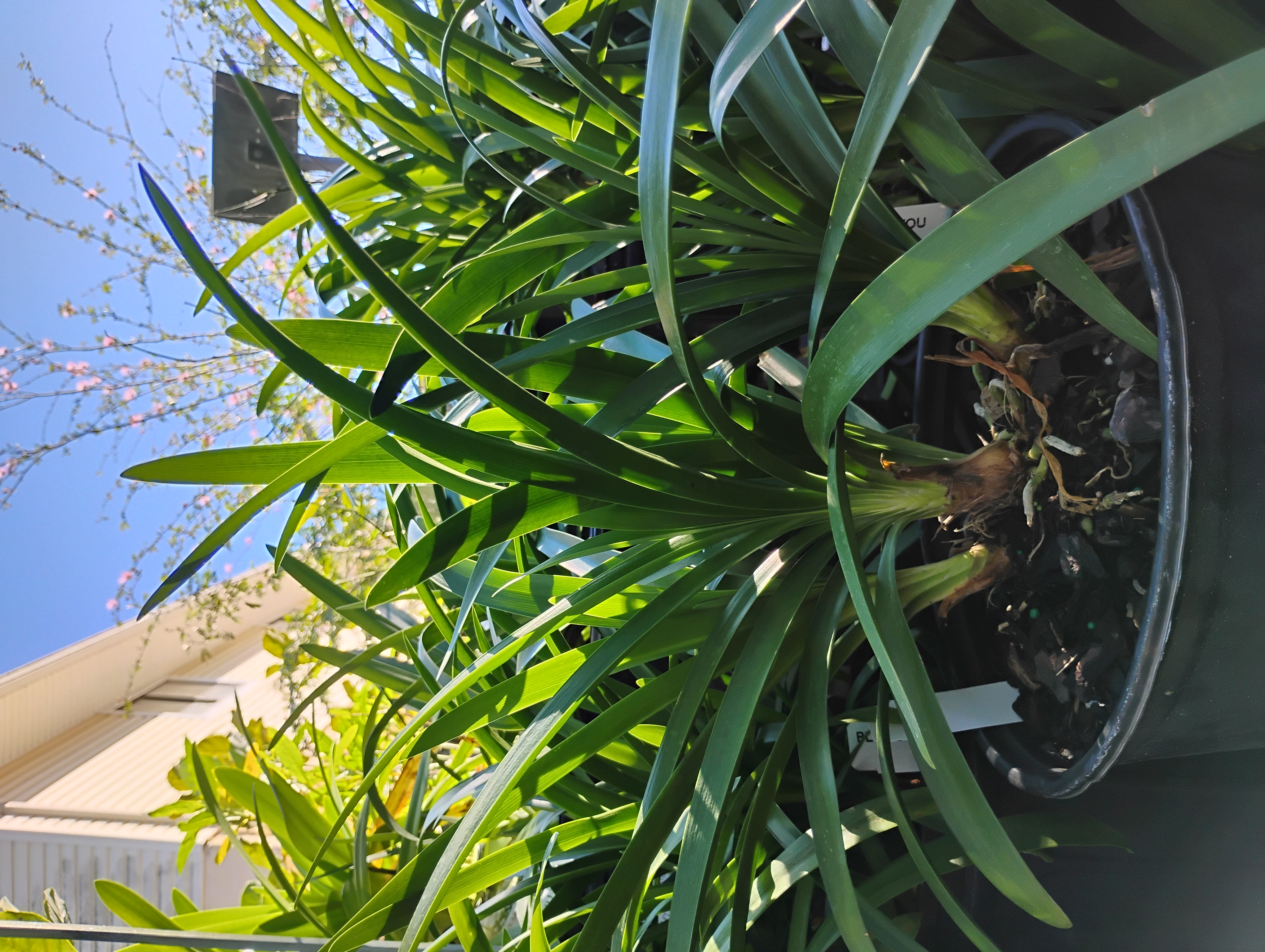
Agapanthus
Shares 5 of the same needs: shade, moderate water, loam, zone 9a hardiness, and pollinator-friendly.
You may also like
PerennialAgapanthus
Agapanthus praecox
 Perennial
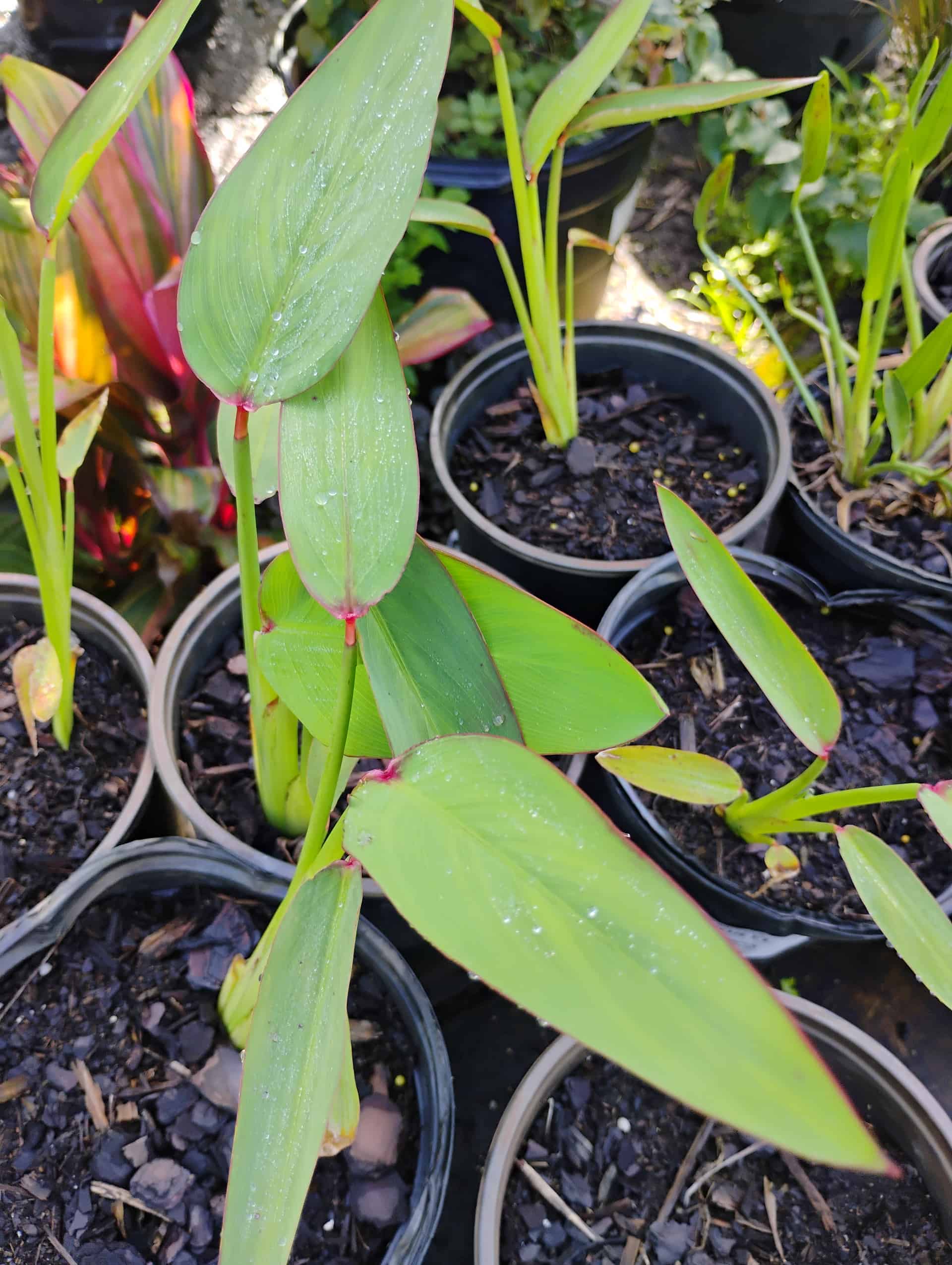
Alligator Flag
Thalia geniculata
 Perennial
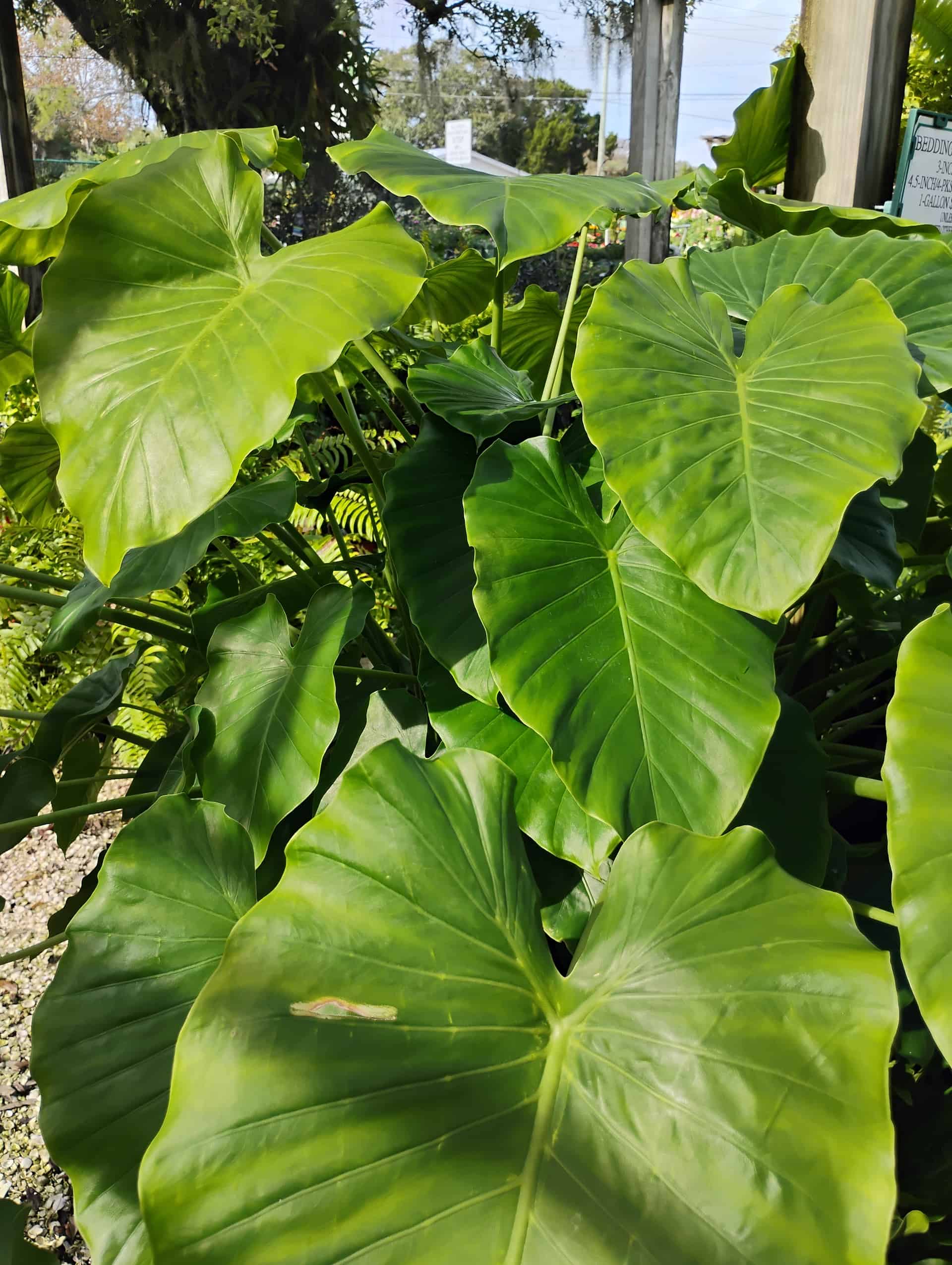
Alocasia
Alocasia
Common questions
Is Coral Bells a good plant for St. Augustine?
Coral Bells is a perennial. Mature size: 1-2 feet × 1-2 feet. Light: Part Shade. Water needs: Moderate. Recorded hardiness zone: 9a.
What is the recorded pet toxicity for Coral Bells?
Non-toxic to dogs and cats
Care information verified from
Last reviewed February 2026. Our care guidance comes from trusted horticulture sources and decades of helping St. Augustine gardeners. Conditions here can vary dramatically from one area to the next, so come ask us and we'll tailor it to your yard.