
Varieties We Bring In
Grandiflora
Grandiflora
Grandiflora
Grandiflora
Grandiflora
Perfume Delight · Fire and Ice · Cheri Amour · Grandiflora · Electric Blue · Color Palette Cupid · Mermaid's Dream · Saltwater Taffy Swirls · Jewels of Albion · Spencer Ruffled · North Shore · Blue Celeste · Painted Lady · April in Paris · Queen of the Night · Raspberry Twirls · Royal Wedding · Strawberry Fields · Scented Pastel Sunset · Cupani's Original · Chiffon Elegance
We received some Sweet Pea on Nov 5, 2026.
We bring this in seasonally, so what is on the lot changes week to week. A received date shows when it last came in, not that it is here today.
Call (904) 471-0440 to confirm this plant and size before you make the trip.
Last received Nov 5, 2026.
We bring this in seasonally, so what is on the lot changes week to week. A received date shows when it last came in, not that it is here today.
Call (904) 471-0440 to confirm this plant and size before you make the trip.
Pet toxicity: Toxic to dogs, cats, and horses
Pet safety guideAbout Sweet Pea
Lathyrus odoratus, the sweet pea, is a cool-season climbing annual from Sicily and southern Italy, prized for its intensely fragrant, butterfly-shaped flowers in shades of pink, purple, red, and white. A classic cottage-garden vine grown on trellises or fences, it is widely cultivated for its extraordinary fragrance and as a cut flower.
Plant details
- Bloom Season
- Spring, Winter
- Flower Color
- White, Red, Pink, Purple, Multi
- Growth Rate
- Fast
- Foliage
- Deciduous
- Soil
- Loam, Well-drained, Amended
Best planting months
Recommended months: March, April, May.
Seasonal care
Bloom season. New foliage emerges. Good planting window.
Higher water demand in summer heat.
Foliage may begin to change or drop.
Bloom season. Dormant — drops foliage.
Care essentials
Grow sweet pea in full sun with at least 6 hours of direct light daily. In NE Florida, afternoon shade can help extend the blooming period during warm spells.
Keep soil evenly and consistently moist throughout the growing season. In Florida's sandy soils, water regularly — about 1 inch per week — to prevent premature wilting and bud drop.
Amend sandy Florida soil generously with compost and lime to raise pH toward neutral. Use a low-nitrogen, balanced fertilizer at planting; apply phosphorus-rich liquid fertilizer every 3–4 weeks during bloom to fuel flower production.
Similar needs

Coral Bells
Shares 4 of the same needs: moderate water, loam, zone 9a hardiness, and pollinator-friendly.

Gerbera Daisy
Shares 4 of the same needs: moderate water, loam, zone 9a hardiness, and pollinator-friendly.

Garden Mum
Shares 4 of the same needs: full sun, moderate water, loam, and zone 9a hardiness.

Garden Phlox
Shares 3 of the same needs: loam, zone 9a hardiness, and pollinator-friendly.
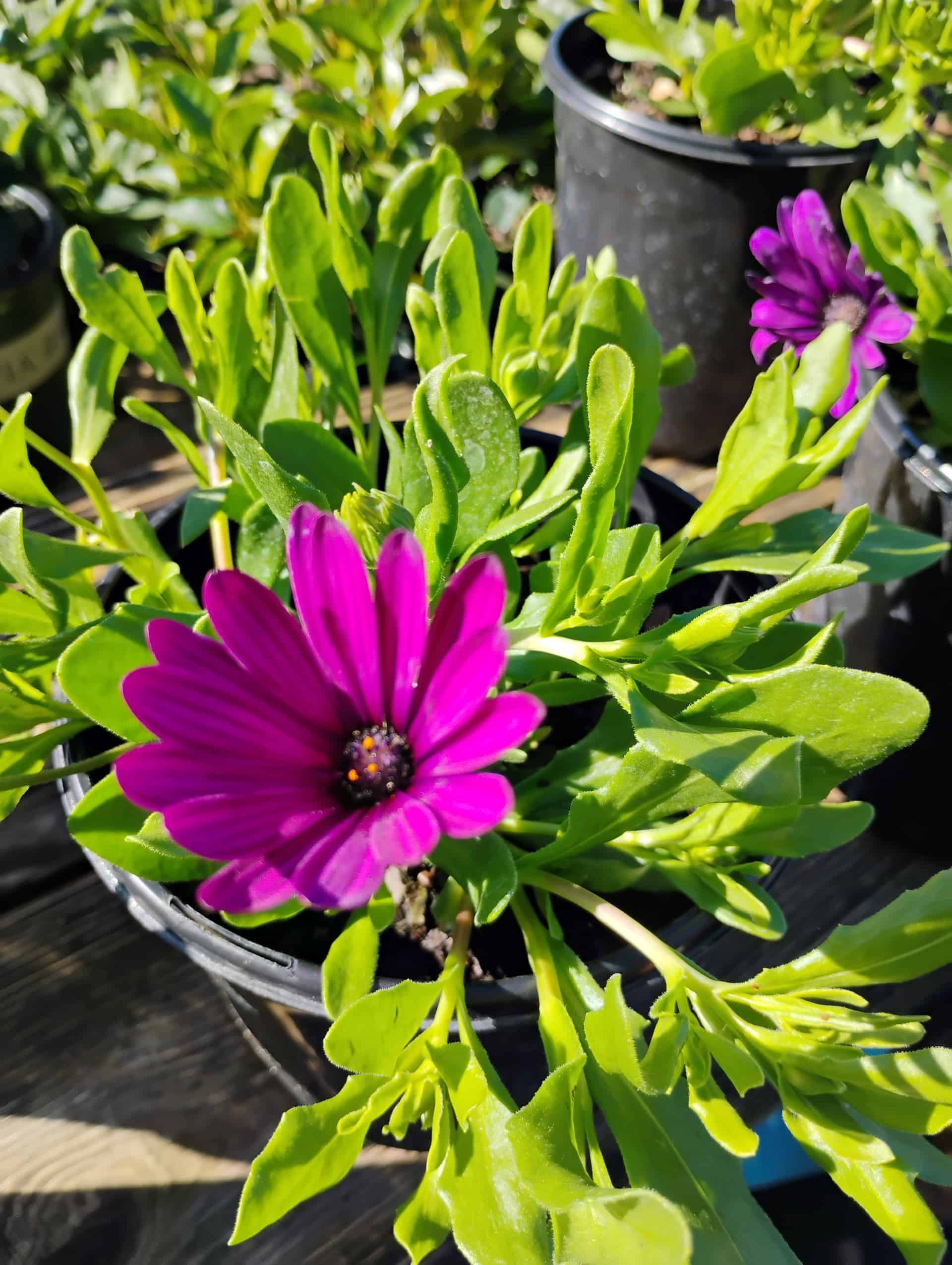
African Daisy
Shares 5 of the same needs: full sun, moderate water, loam, zone 9a hardiness, and pollinator-friendly.
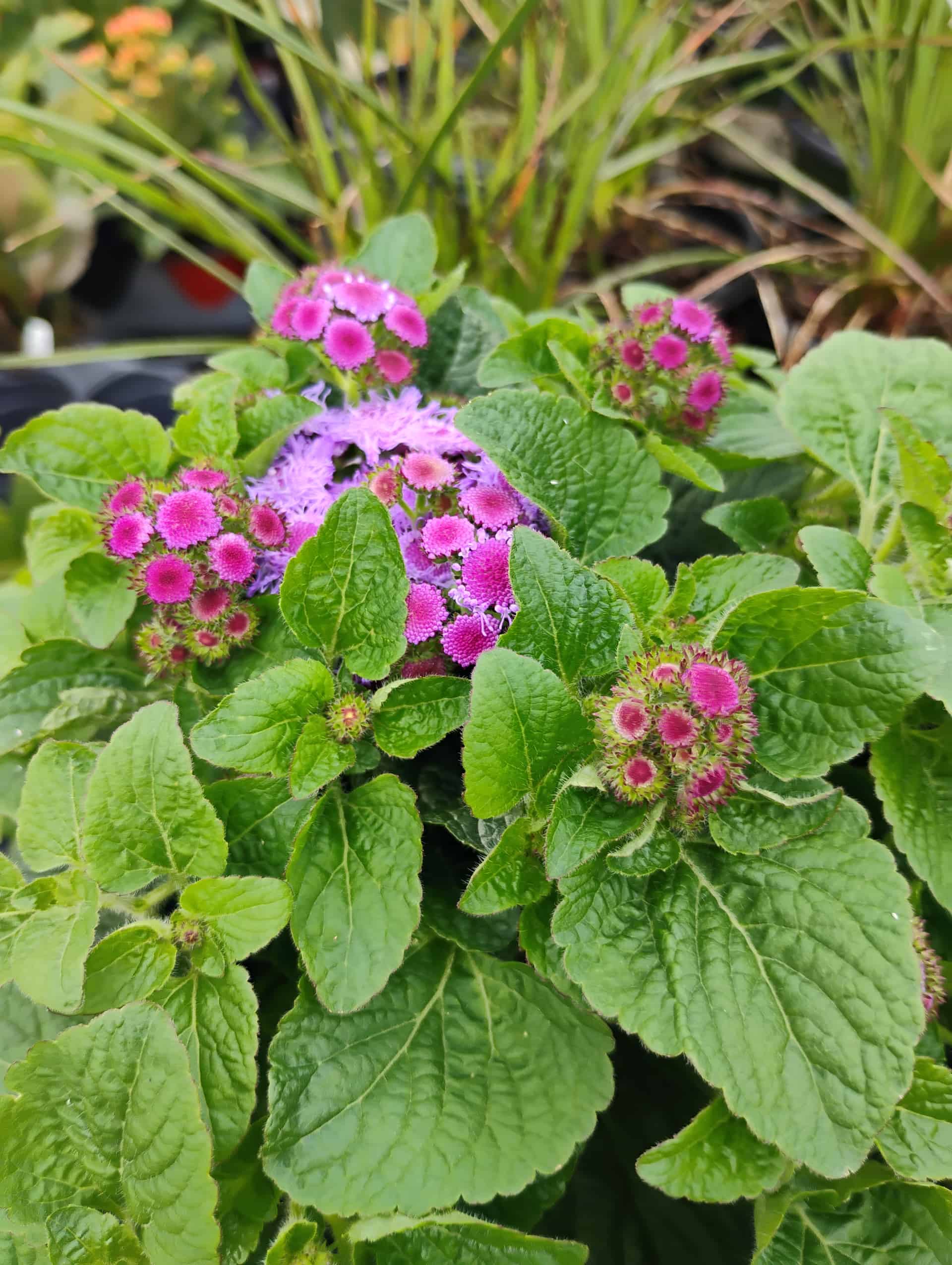
Ageratum
Shares 5 of the same needs: full sun, moderate water, loam, zone 9a hardiness, and pollinator-friendly.
You may also like
AnnualAgeratum
Ageratum houstonianum
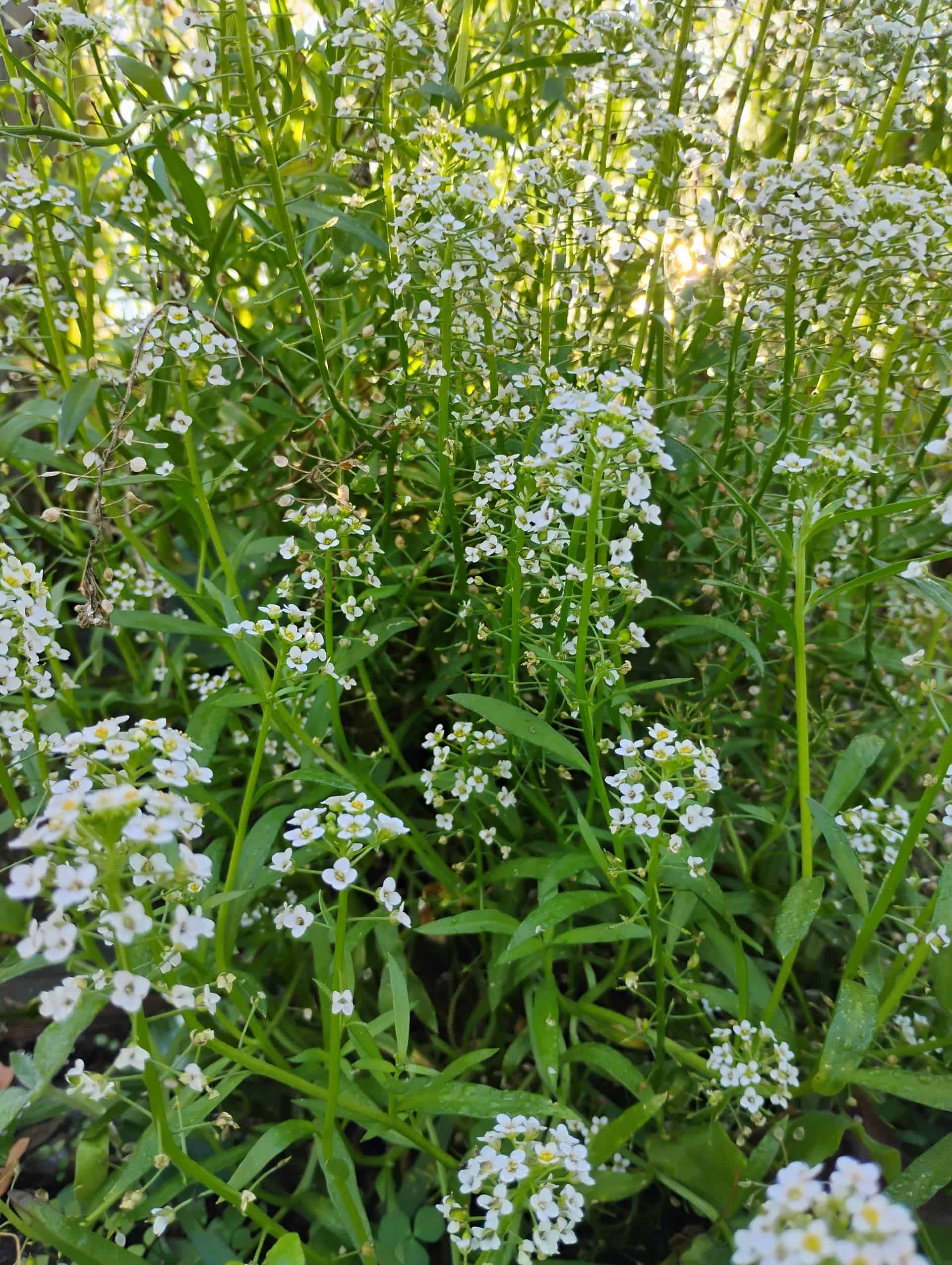 Annual
Alyssum
Lobularia maritima
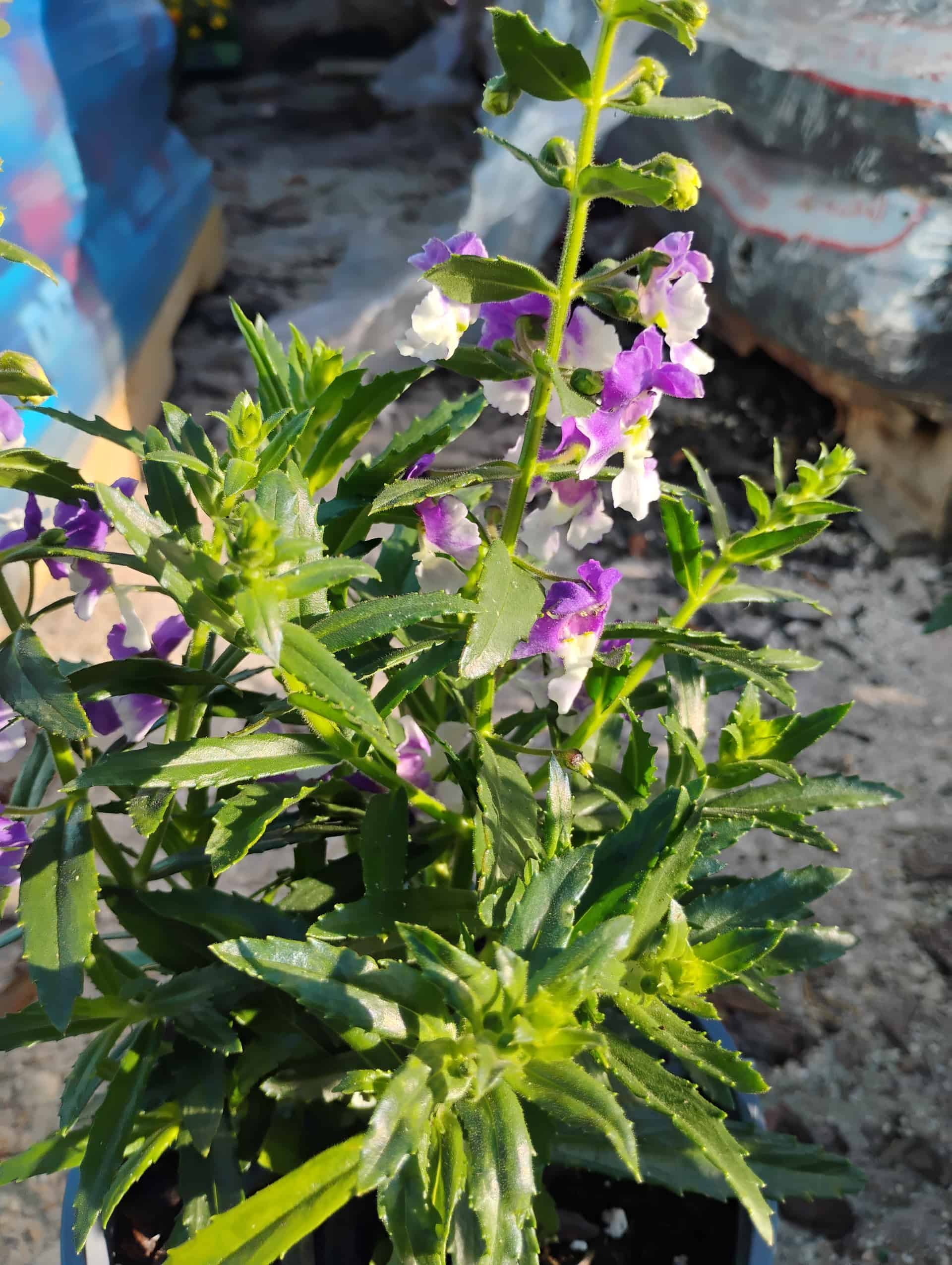 Annual
Angelonia
Angelonia angustifolia
Common questions
Is Sweet Pea a good plant for St. Augustine?
Sweet Pea is an annual. Mature size: 3-6 feet (climbing) × 6-12 inches. Light: Full Sun. Water needs: Moderate. Recorded hardiness zone: 9a.
What is the recorded pet toxicity for Sweet Pea?
Toxic to dogs, cats, and horses
Care information verified from
Last reviewed February 2026. Our care guidance comes from trusted horticulture sources and decades of helping St. Augustine gardeners. Conditions here can vary dramatically from one area to the next, so come ask us and we'll tailor it to your yard.