
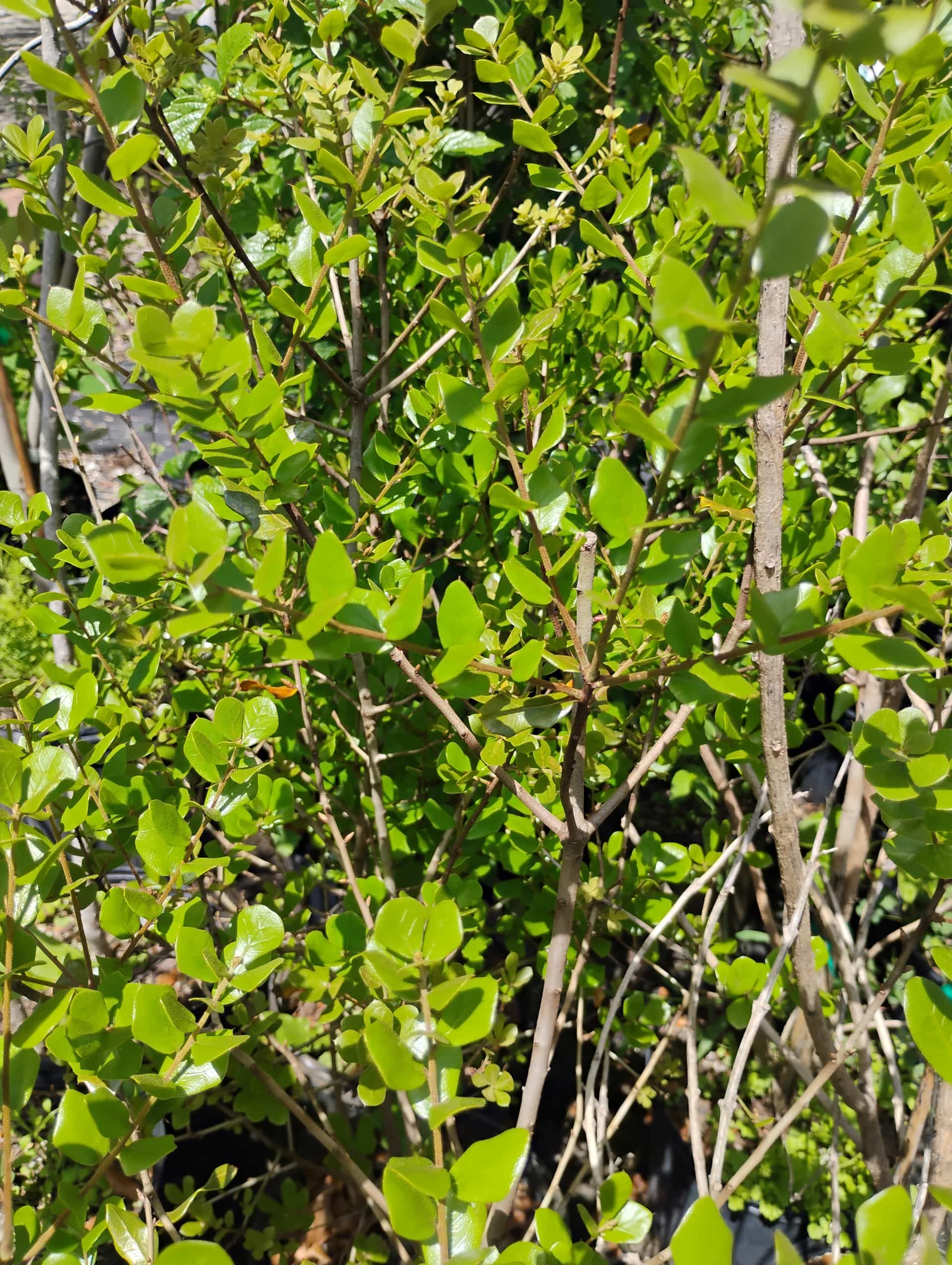
Chapman Oak
Quercus chapmanii
Varieties We Bring In
Last received Mar 11, 2026.
We bring this in seasonally, so what is on the lot changes week to week. A received date shows when it last came in, not that it is here today.
Call (904) 471-0440 to confirm this plant and size before you make the trip.
About Chapman Oak
A small native oak of Florida and the southeastern coastal plain that typically grows as a multi-stemmed thicket-forming shrub on dry, xeric sandy ridges and coastal dune scrublands. Its simple alternate leaves are shiny dark green above and lighter beneath, and it produces small acorns that provide food for wildlife. Starting at $49.95.
Plant details
- Bloom Season
- Spring
- Growth Rate
- Slow
- Foliage
- Semi-evergreen
- Soil
- Sandy, Acidic, Well-drained
Care essentials
Chapman Oak thrives in full sun; in NE Florida's intense summer heat it tolerates no shade, so plant in an open, unobstructed site on sandy upland soils.
Extremely drought-tolerant once established on Florida's xeric sandy soils — supplemental irrigation is rarely needed and overwatering should be avoided.
Plant in dry, well-drained, acidic sandy soil typical of NE Florida scrub; no fertilizer needed, as excess nutrients can be counterproductive in nutrient-poor native soils.
Similar needs
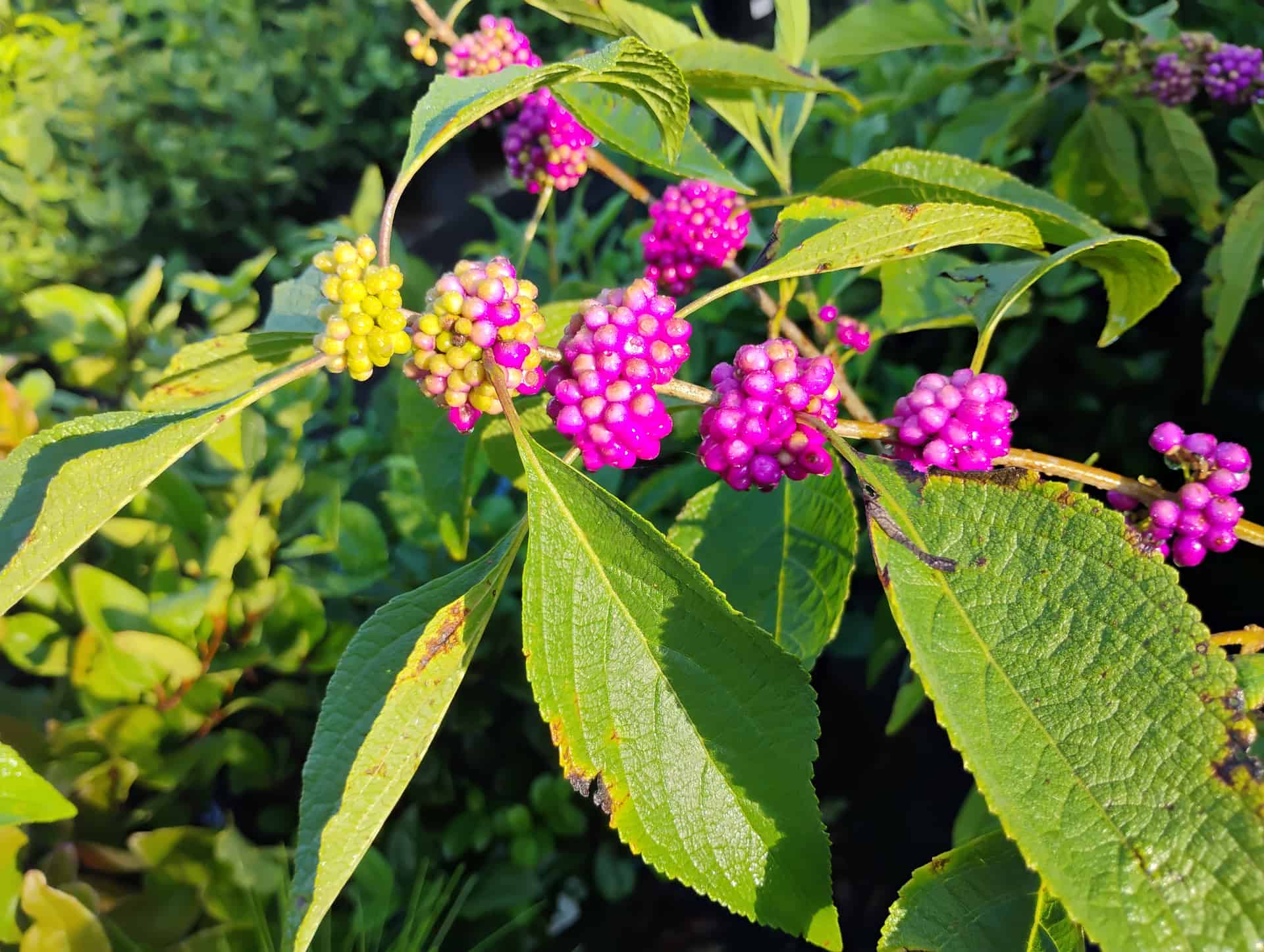
Beautyberry
Shares 5 of the same needs: full sun, low water, sandy, zone 9a hardiness, and pollinator-friendly.
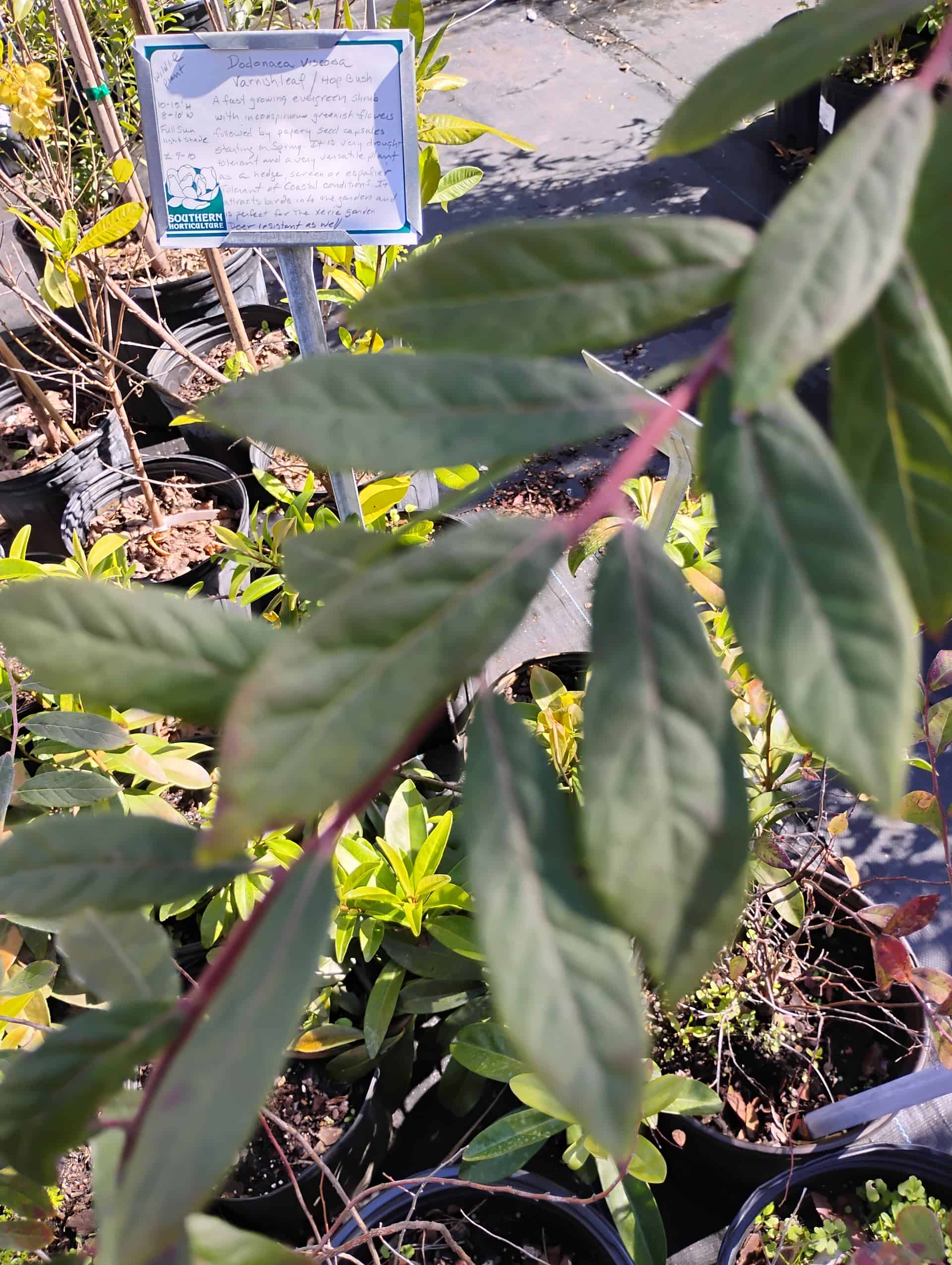
Deerberry
Shares 5 of the same needs: full sun, low water, sandy, zone 9a hardiness, and pollinator-friendly.
Leucadendron
Shares 5 of the same needs: full sun, low water, sandy, zone 9a hardiness, and pollinator-friendly.
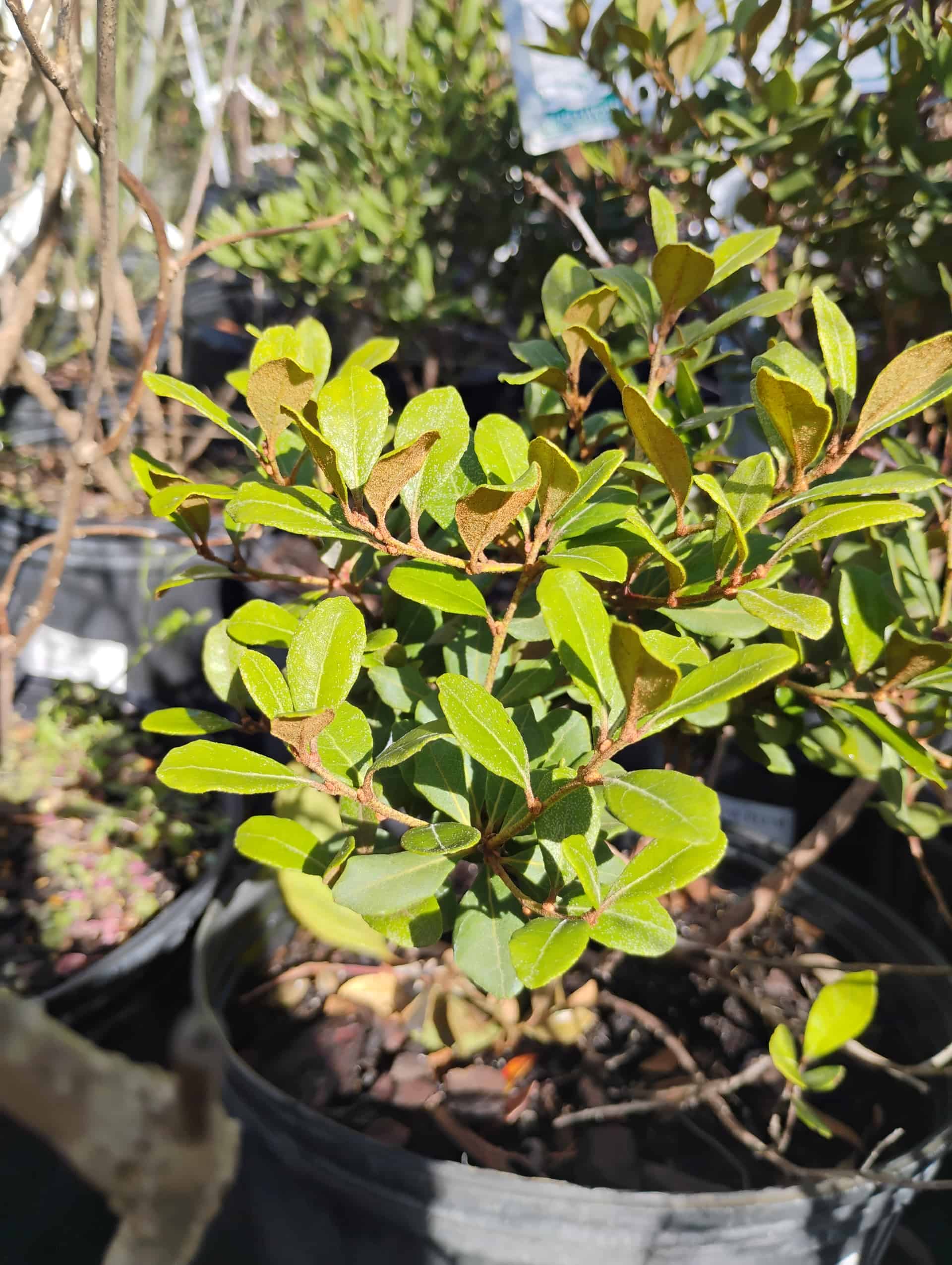
Rusty Lyonia
Shares 5 of the same needs: full sun, low water, sandy, zone 9a hardiness, and pollinator-friendly.
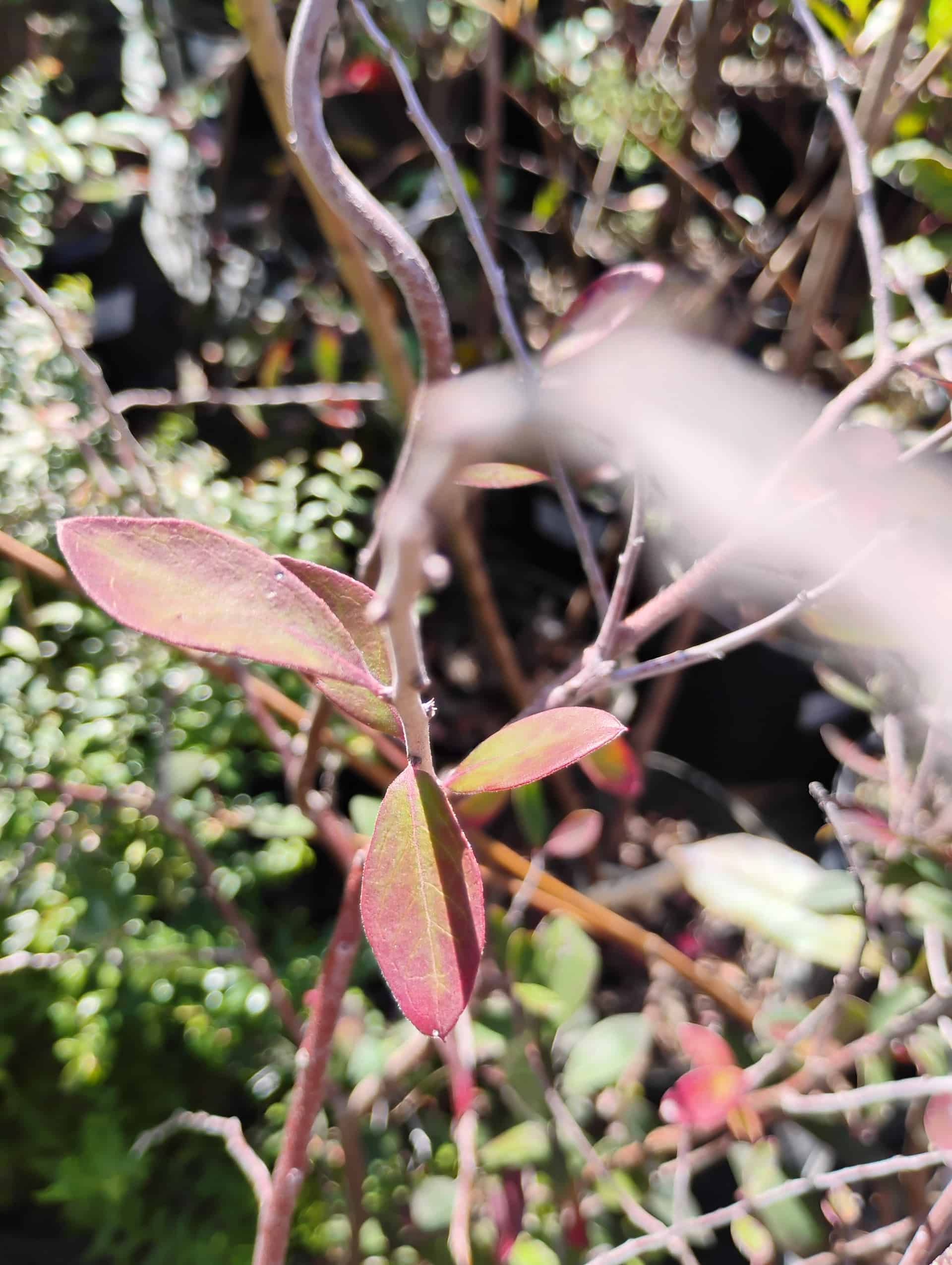
Sparkleberry
Shares 5 of the same needs: full sun, low water, sandy, zone 9a hardiness, and pollinator-friendly.
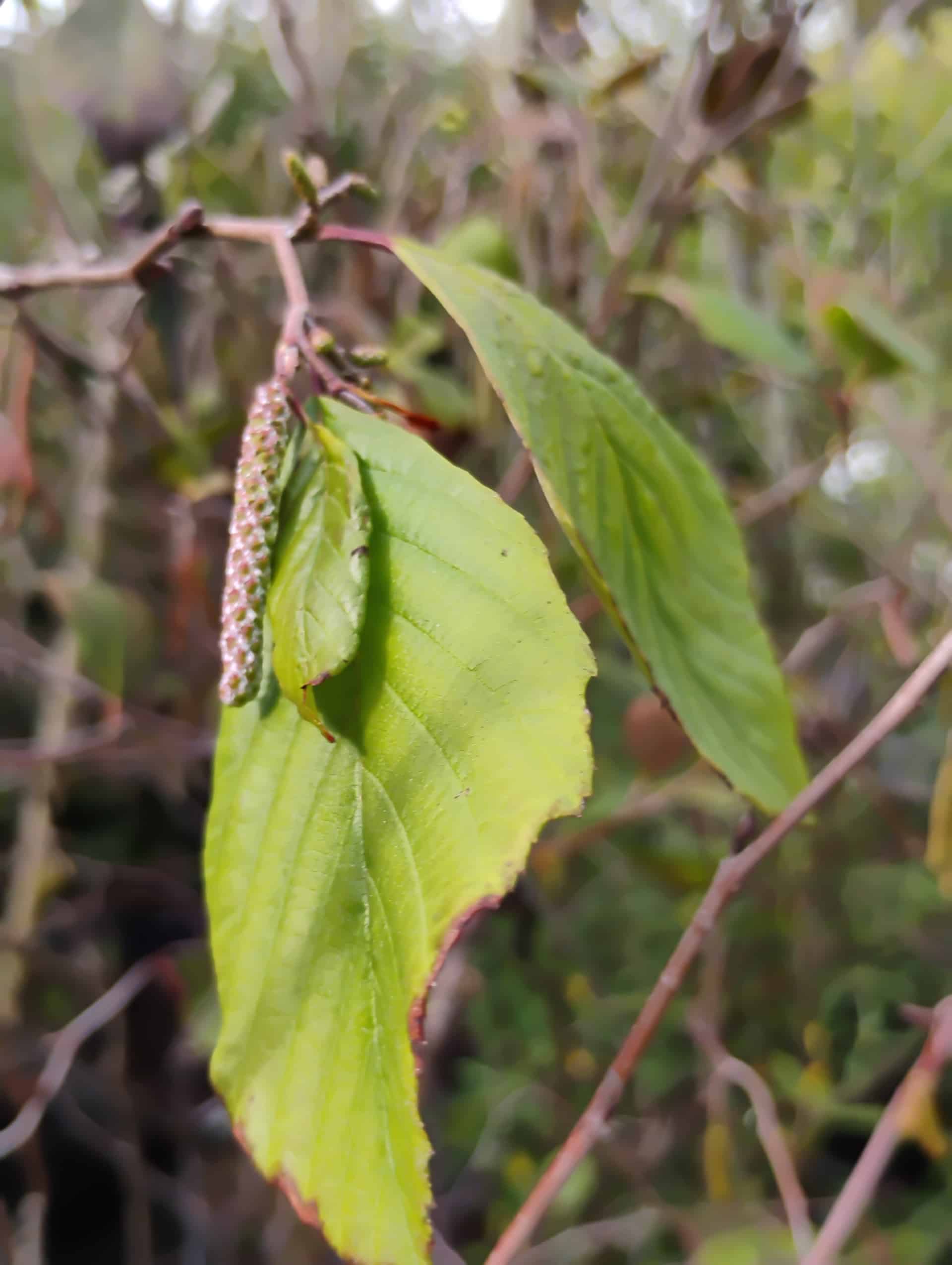
Sumac
Shares 5 of the same needs: full sun, low water, sandy, zone 9a hardiness, and pollinator-friendly.
You may also like
Common questions
Is Chapman Oak a good plant for St. Augustine?
Chapman Oak is a shrub for Zone 9b coastal Florida gardens, reaching 6-30 feet × 10-20 feet.
Care information verified from
Last reviewed June 2026. Our care guidance comes from trusted horticulture sources and decades of helping St. Augustine gardeners. Conditions here can vary dramatically from one area to the next, so come ask us and we'll tailor it to your yard.