
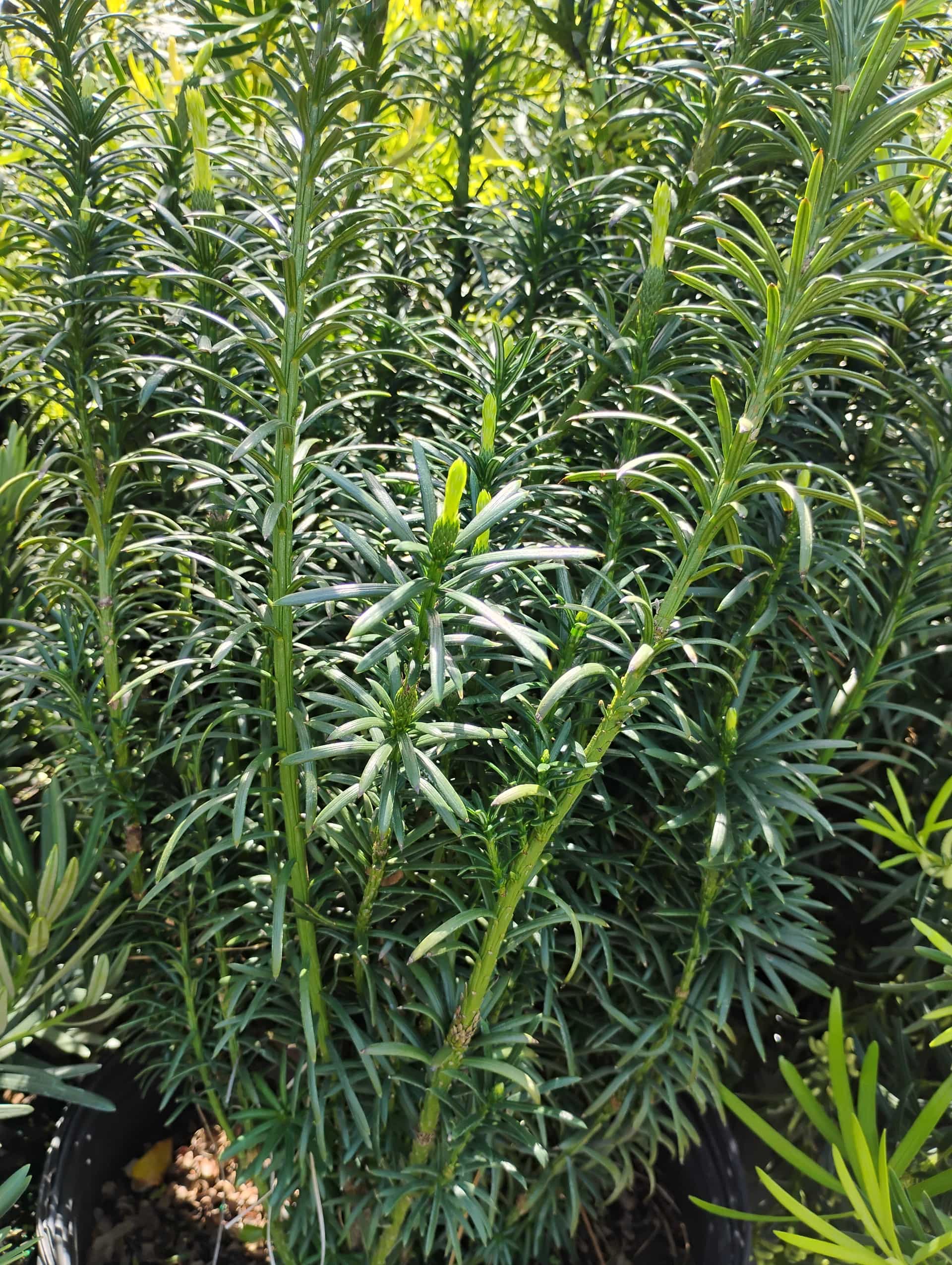
Japanese Plum Yew
Cephalotaxus harringtonia
Traits
Varieties We Bring In
Last received Mar 4, 2026.
We bring this in seasonally, so what is on the lot changes week to week. A received date shows when it last came in, not that it is here today.
Call (904) 471-0440 to confirm this plant and size before you make the trip.
About Japanese Plum Yew
A slow-growing evergreen needled shrub with a broad, spreading habit and linear needles arranged in a distinctive V-shaped, two-ranked pattern with whitish bands on the undersides. It is notably heat and drought tolerant compared to true yews, making it useful in Southern landscapes. Starting at $29.95.
Plant details
- Bloom Season
- Non-flowering
- Growth Rate
- Slow
- Foliage
- Evergreen
- Soil
- Sandy, Loam, Clay, Acidic, Well-drained
Care essentials
Thrives in partial to full shade; one of the best yew substitutes for NE Florida's heat because it tolerates deep shade and summer stress far better than true yews (Taxus). Avoid prolonged intense afternoon sun.
Moderately drought tolerant once established; water regularly during establishment and dry periods. Well-drained soil is essential — does not tolerate standing water.
Adaptable to a range of soils including sandy, loam, and clay, provided drainage is good. Fertilize lightly once a year in spring with a balanced slow-release shrub fertilizer. Acidic to neutral pH preferred.
Similar needs
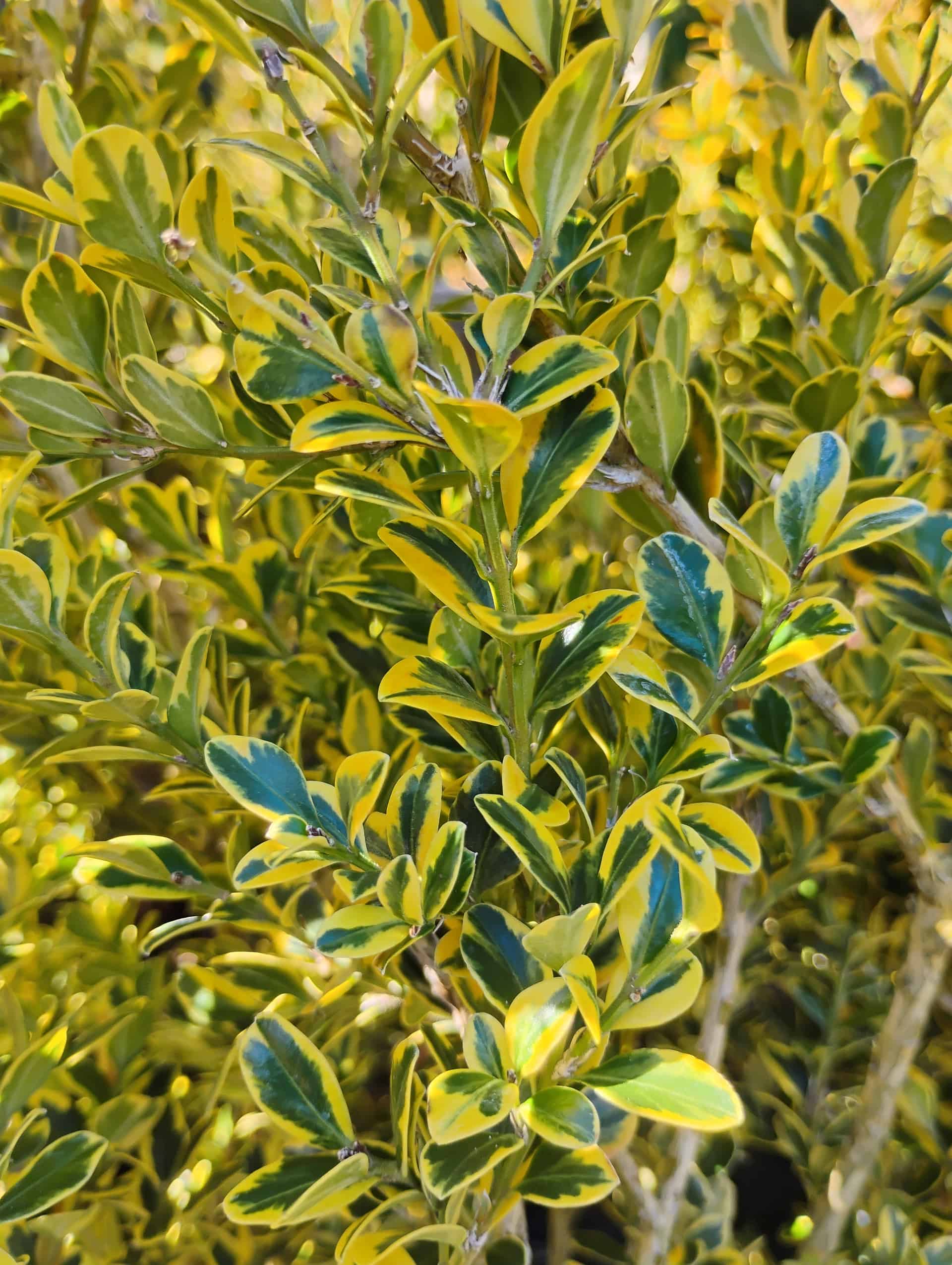
Boxwood
Shares 3 of the same needs: moderate water, loam, and zone 9a hardiness.
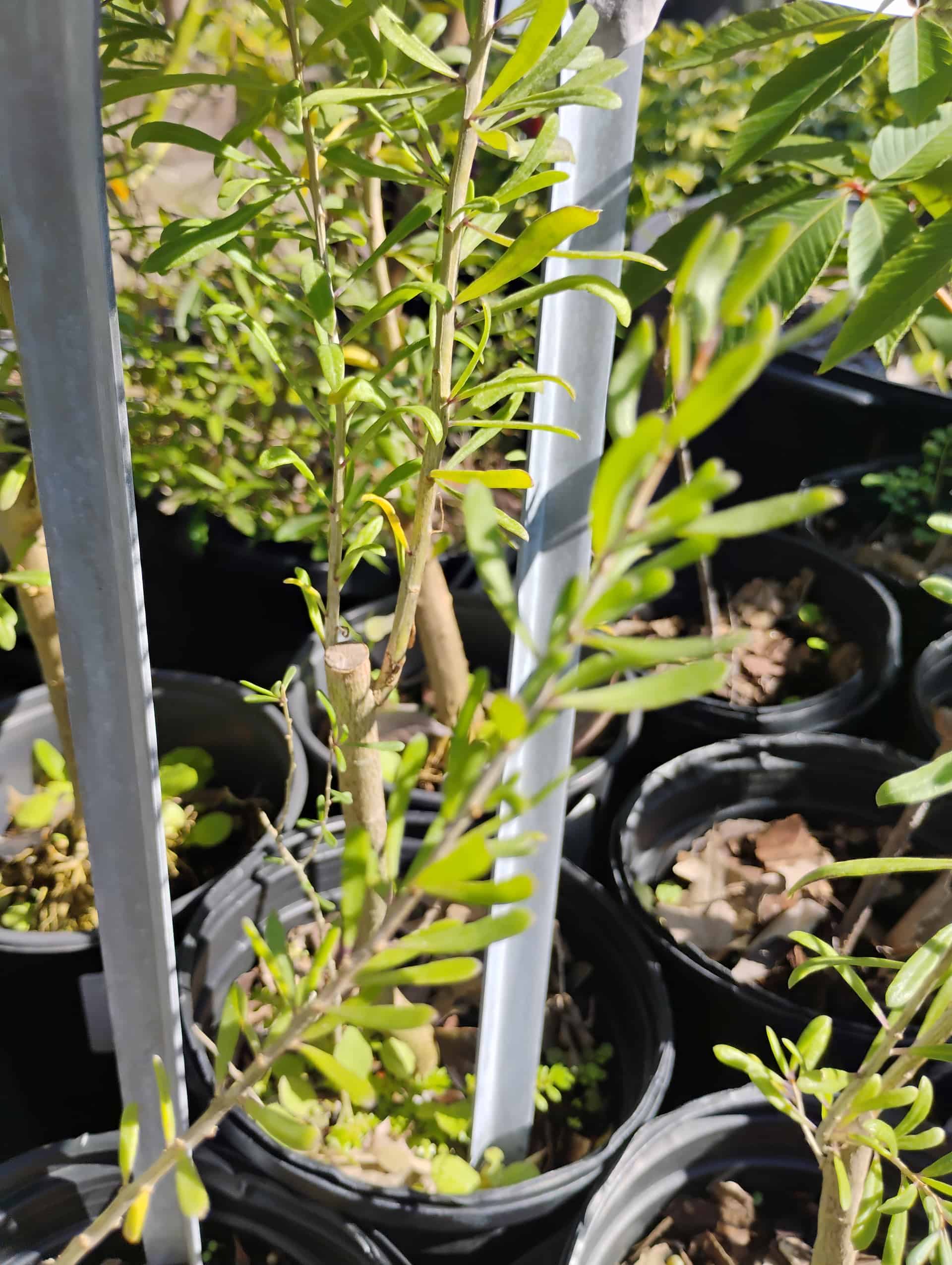
Carolina Wolfberry
Shares 3 of the same needs: moderate water, sandy, and zone 9a hardiness.
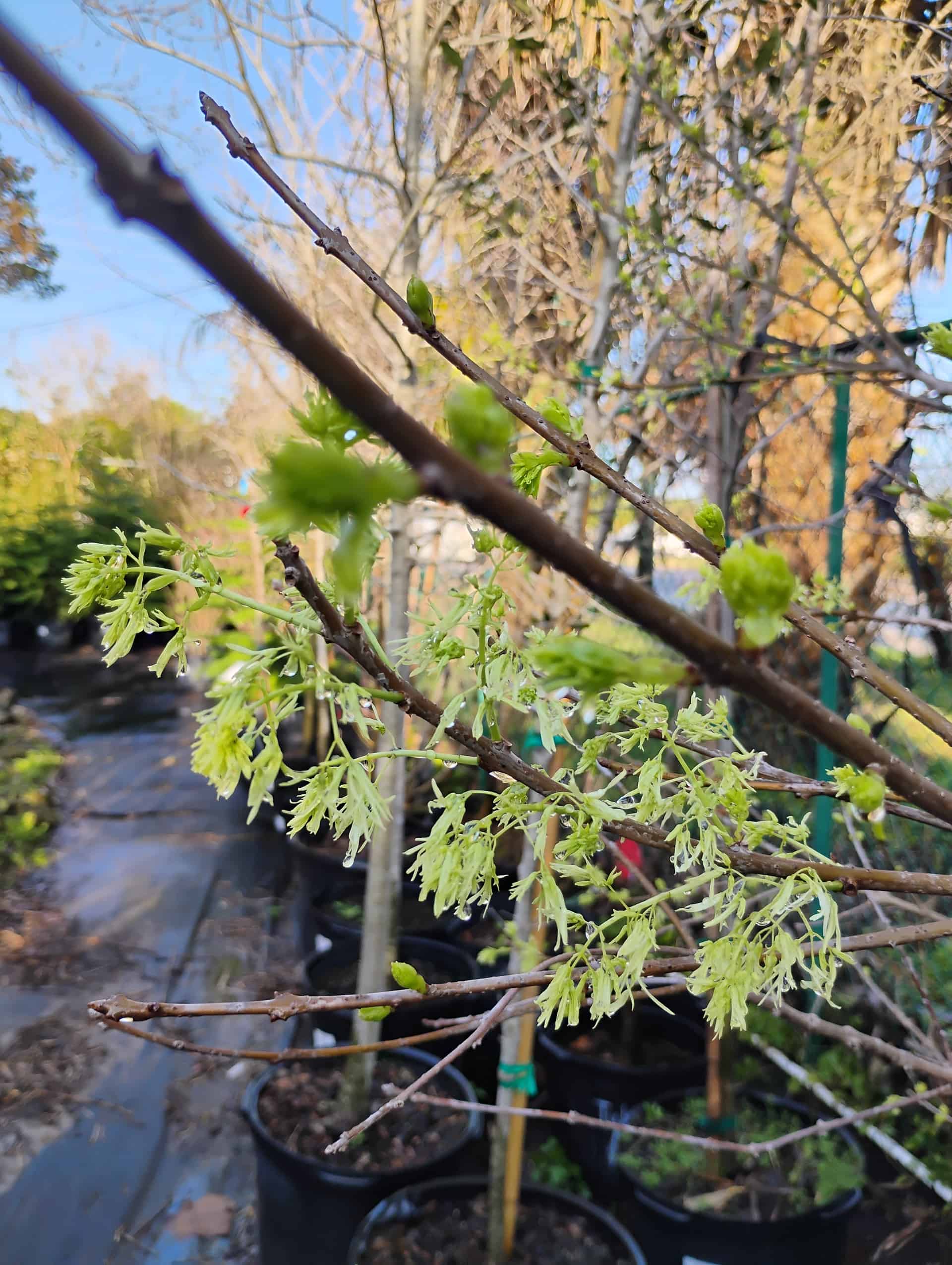
Chinese Snowball
Shares 3 of the same needs: moderate water, sandy, and zone 9a hardiness.
Japanese Holly
Shares 3 of the same needs: moderate water, sandy, and zone 9a hardiness.
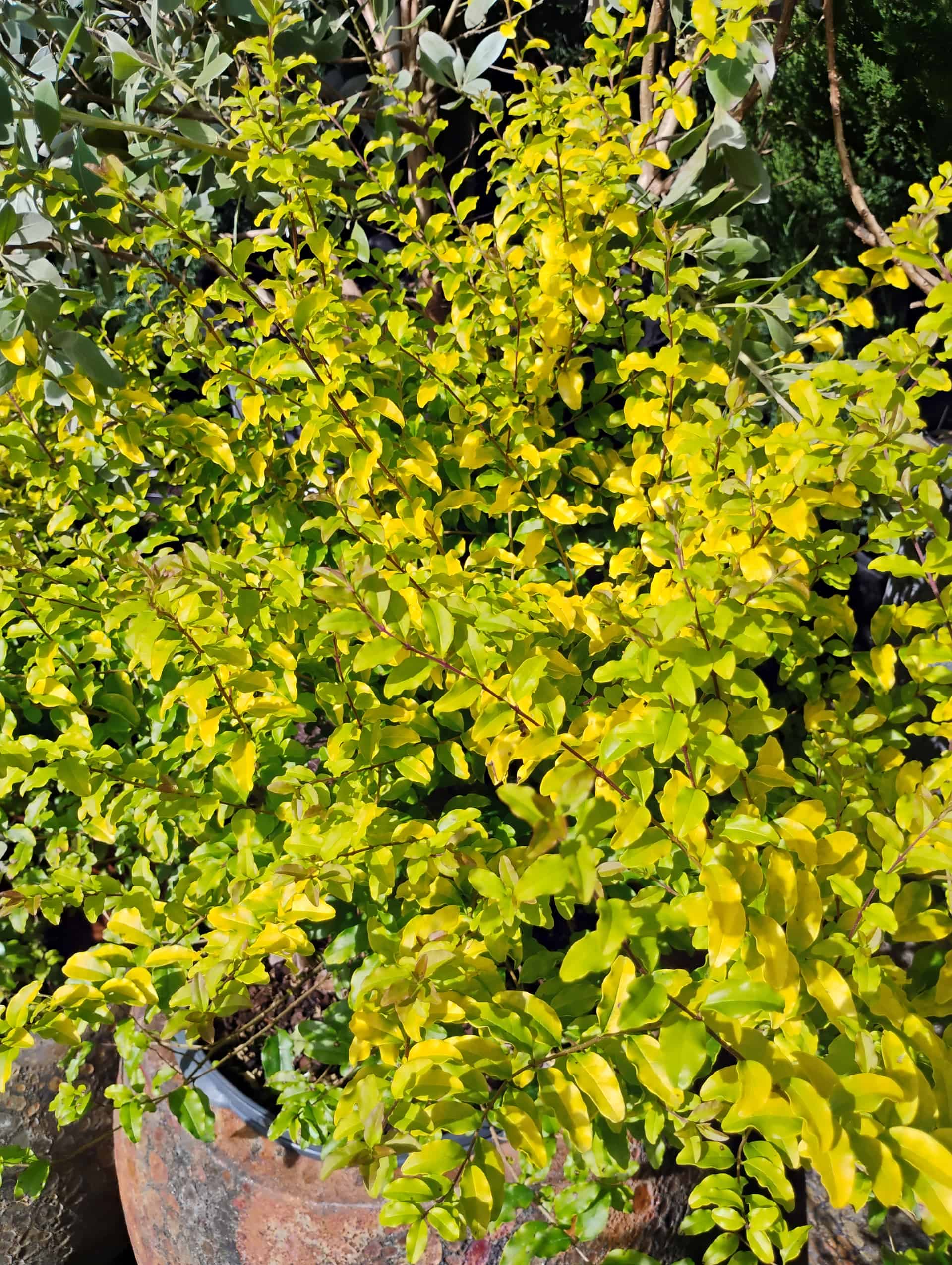
Ligustrum
Shares 3 of the same needs: moderate water, sandy, and zone 9a hardiness.
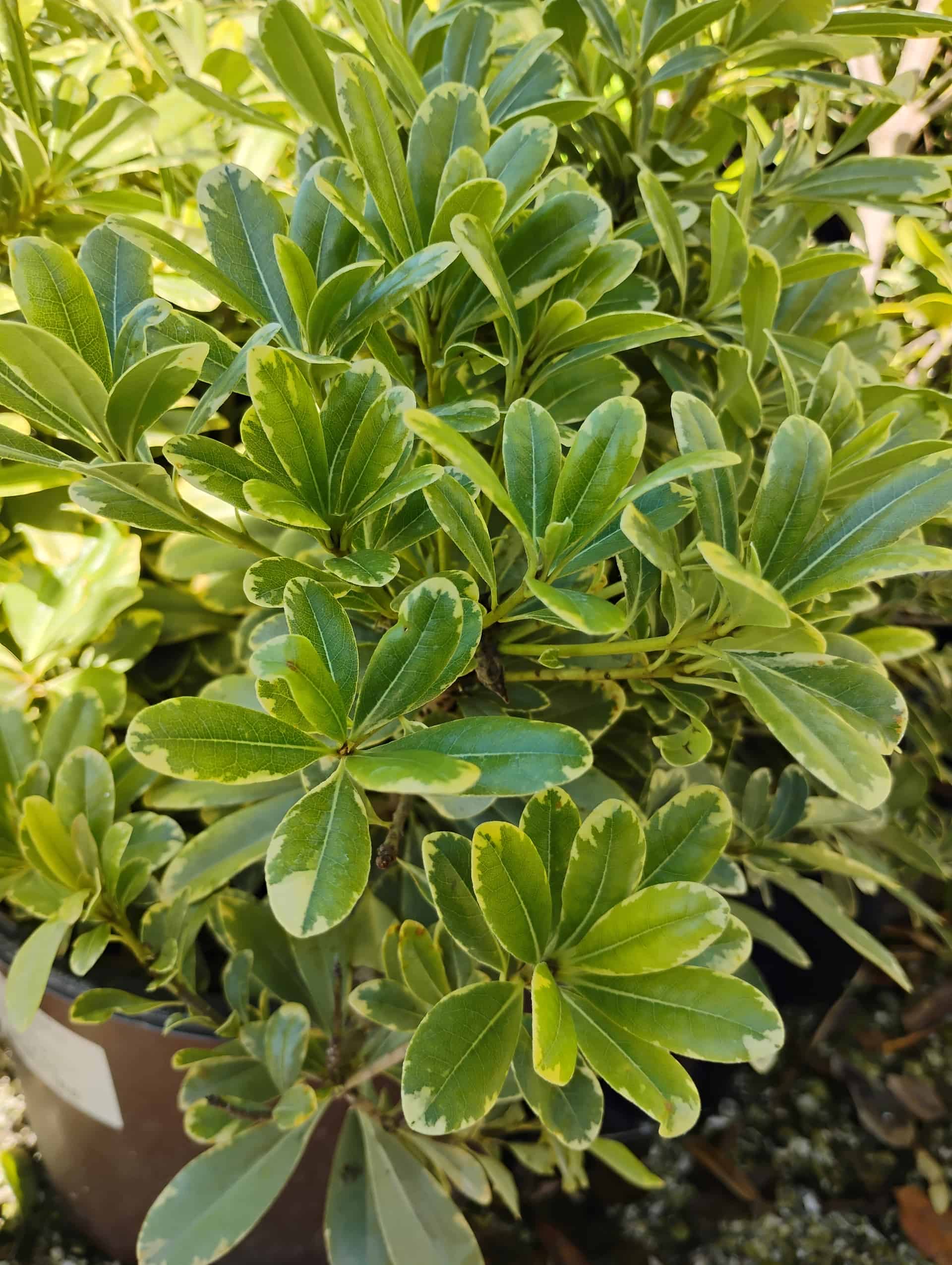
Pittosporum
Shares 3 of the same needs: moderate water, sandy, and zone 9a hardiness.
You may also like
Common questions
Is Japanese Plum Yew a good plant for St. Augustine?
Japanese Plum Yew is a shrub for Zone 9b coastal Florida gardens, reaching 5-10 feet × 5-14 feet.