
Traits
Varieties We Bring In
Carolina Sapphire
Carolina Sapphire
Carolina Sapphire · Standard
Carolina Sapphire · Standard
We received some Arizona Cypress on Aug 13, 2026.
We bring this in seasonally, so what is on the lot changes week to week. A received date shows when it last came in, not that it is here today.
Call (904) 471-0440 to confirm this plant and size before you make the trip.
Last received Aug 13, 2026.
We bring this in seasonally, so what is on the lot changes week to week. A received date shows when it last came in, not that it is here today.
Call (904) 471-0440 to confirm this plant and size before you make the trip.
Pet toxicity: not on file, check before planting where pets chew
Pet safety guideAbout Arizona Cypress
Arizona Cypress (Cupressus arizonica) is a fast-growing evergreen conifer from the arid mountains of the American Southwest and Mexico, featuring silvery blue-green scale-like foliage and attractive reddish-brown exfoliating bark on older trees. Its tall, narrow pyramidal form and drought tolerance make it a popular windbreak and specimen tree in zone 9b, though excellent drainage is critical in Florida's humid climate to prevent fungal canker.
Plant details
- Bloom Season
- Non-flowering
- Flower Color
- Non-flowering
- Growth Rate
- Fast
- Foliage
- Evergreen
- Soil
- Sandy, Loam, Acidic, Well-drained
Best planting months
Recommended months: January, February, March, October, November, December.
Seasonal care
Good planting window.
Handles summer heat well once established.
Ideal planting window.
Retains foliage through winter. Can be planted in mild winter periods.
Care essentials
Arizona cypress requires full sun — at least 6–8 hours of direct sunlight daily. It will not thrive in shade. Plant in an open, airy location to promote the air circulation needed to minimize fungal disease, which is a greater risk in Florida's humid climate than in its native arid Southwest.
Highly drought-tolerant once established; deep monthly irrigation is sufficient for mature trees. Newly planted trees need regular watering for the first two growing seasons. Avoid overwatering and ensure excellent drainage — soggy soil leads to root rot and fungal canker.
Thrives in well-drained sandy or loamy soil; tolerates poor, acidic, and slightly alkaline conditions. Minimal fertilization needed — apply a balanced slow-release fertilizer at planting only. Prioritize good drainage over soil amendments.
Similar needs
Christmas Jewel Holly
Shares 4 of the same needs: full sun, low water, sandy, and zone 9a hardiness.
Live Oak
Shares 4 of the same needs: full sun, low water, sandy, and zone 9a hardiness.
Longleaf Pine
Shares 4 of the same needs: full sun, low water, sandy, and zone 9a hardiness.
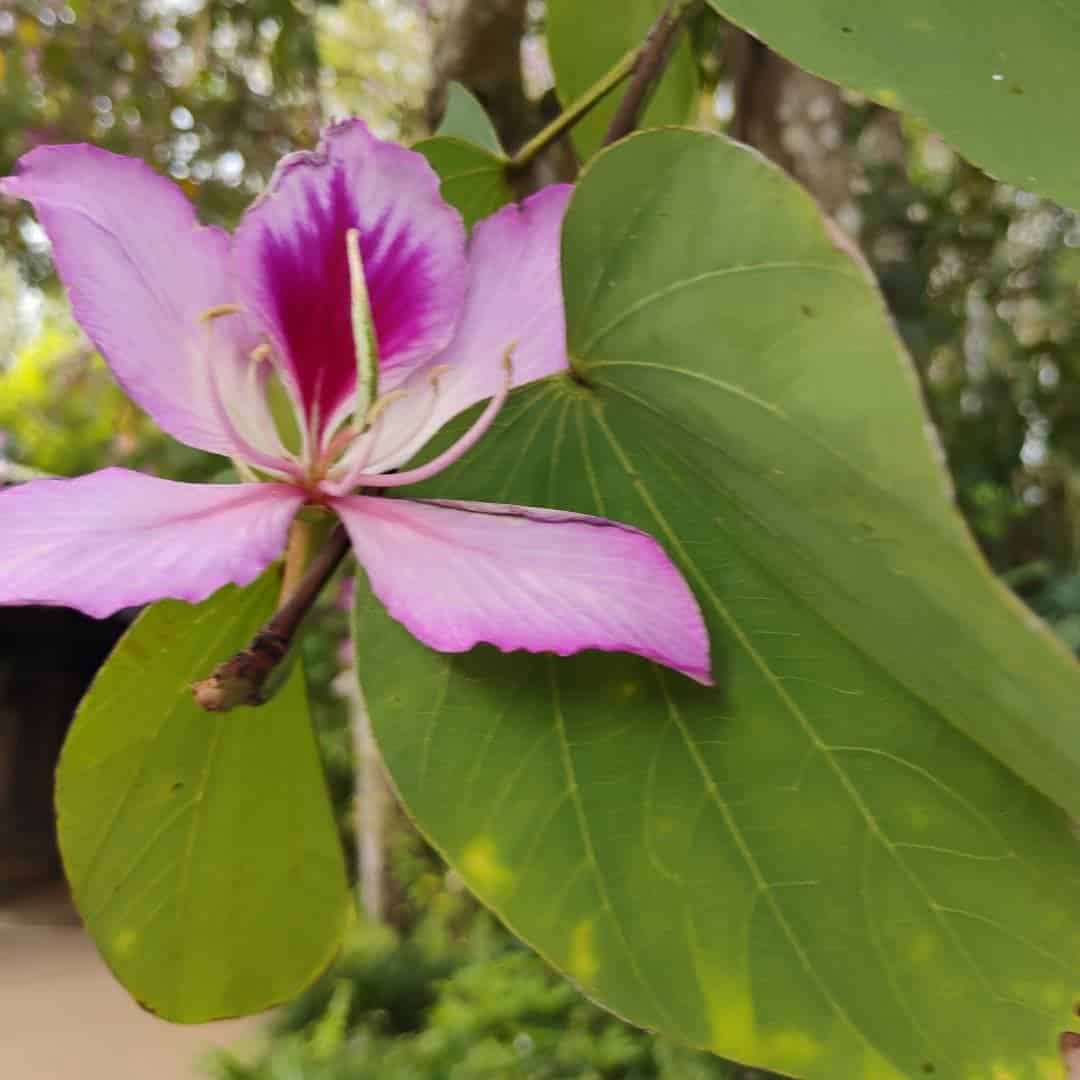
Orchid Tree
Shares 4 of the same needs: full sun, low water, sandy, and zone 9a hardiness.
Turkey Oak
Shares 4 of the same needs: full sun, low water, sandy, and zone 9a hardiness.
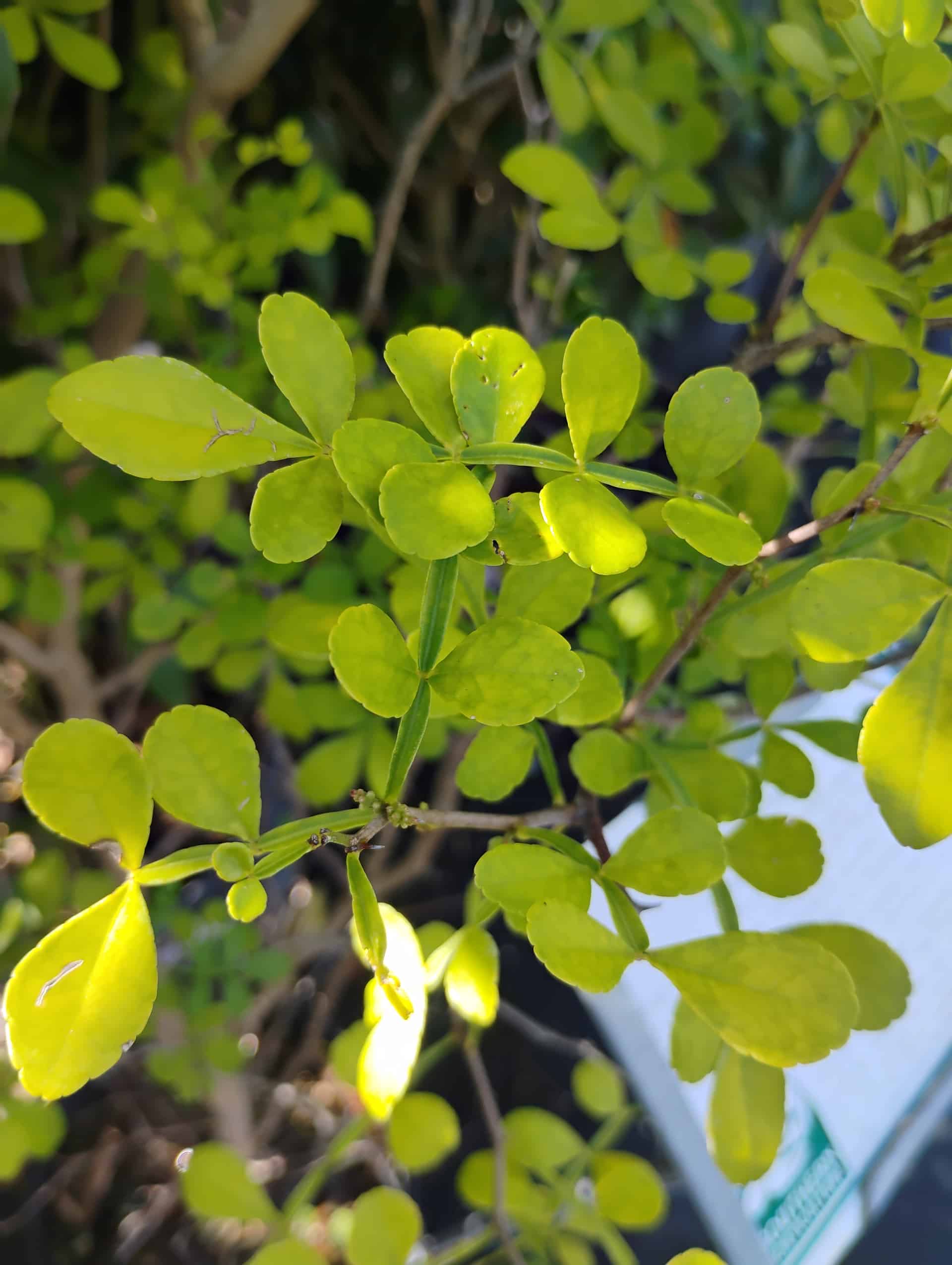
Wild Lime
Shares 4 of the same needs: full sun, low water, sandy, and zone 9a hardiness.
You may also like
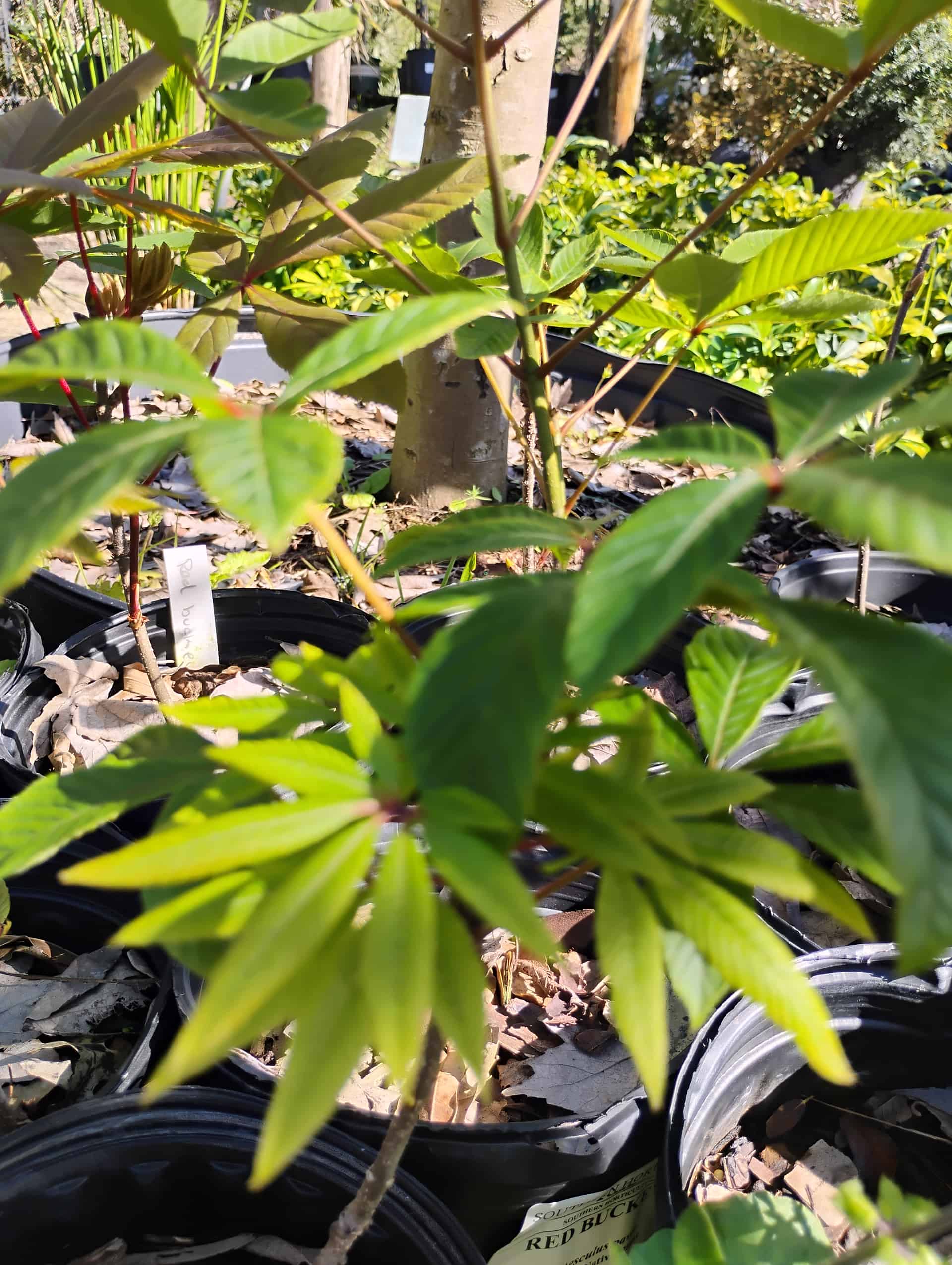 Tree
Red Buckeye
Aesculus pavia
Serviceberry
Amelanchier arborea
American Beech
Fagus grandifolia
Common questions
Is Arizona Cypress a good plant for St. Augustine?
Arizona Cypress is a tree. Mature size: 40-60 feet × 15-20 feet. Light: Full Sun. Water needs: Low. Recorded hardiness zone: 9a.
Care information verified from
Last reviewed March 2026. Our care guidance comes from trusted horticulture sources and decades of helping St. Augustine gardeners. Conditions here can vary dramatically from one area to the next, so come ask us and we'll tailor it to your yard.