
Traits
Varieties We Bring In
Jazzy Jewel Gold
Bonaire Wind Yellow · Jazzy Jewel Gold · Jazzy Jewel Amber
Double Red · Painted Lady · Passion Wind · Seminole Pink · Snow Queen · Tradewinds Cotton Candy Wind · Cayman Wind · Fiesta · Single Yellow
Jazzy Jewel Gold
Double Red · Andersen Crape
Andersen Crape
Andersen Crape
We received some Tropical Hibiscus on Nov 4, 2026.
We bring this in seasonally, so what is on the lot changes week to week. A received date shows when it last came in, not that it is here today.
Call (904) 471-0440 to confirm this plant and size before you make the trip.
Last received Nov 4, 2026.
We bring this in seasonally, so what is on the lot changes week to week. A received date shows when it last came in, not that it is here today.
Call (904) 471-0440 to confirm this plant and size before you make the trip.
Pet toxicity: Non-toxic to dogs and cats
Pet safety guideAbout Tropical Hibiscus
Tropical Hibiscus (Hibiscus rosa-sinensis) is a fast-growing evergreen shrub producing large, showy, single- or double-form blooms in nearly every color throughout warm months. In NE Florida zone 9b it is cold-sensitive — plants may freeze to the ground in hard winters but typically resprout from roots; protect with frost cloth and avoid pruning freeze-damaged stems until new growth emerges.
Plant details
- Bloom Season
- Spring, Summer, Fall
- Flower Color
- Red
- Growth Rate
- Fast
- Foliage
- Evergreen
- Soil
- Sandy, Loam, Well-drained
Best planting months
Recommended months: March, April, May.
Seasonal care
Bloom season. Good planting window.
Bloom season.
Bloom season.
Retains foliage through winter. May need protection below 25°F.
Care essentials
Tropical Hibiscus blooms most profusely in full sun (6+ hours daily); in NE Florida, a full-sun location is essential for heavy flower production — plants in part shade produce fewer and smaller blooms.
Water consistently to keep soil moist but not waterlogged; container plants may need daily watering in Florida's summer heat — leach the container monthly to prevent salt buildup, and hold fertilizer in January during the coldest weeks.
Plant in well-drained sandy or loamy soil; fertilize every 2–3 weeks during the growing season with a high-potassium fertilizer formulated for blooming plants — UF/IFAS recommends avoiding high-nitrogen formulas that promote foliage over flowers.
Similar needs

Bahama Coffee
Shares 4 of the same needs: similar light, moderate water, sandy, and pollinator-friendly.
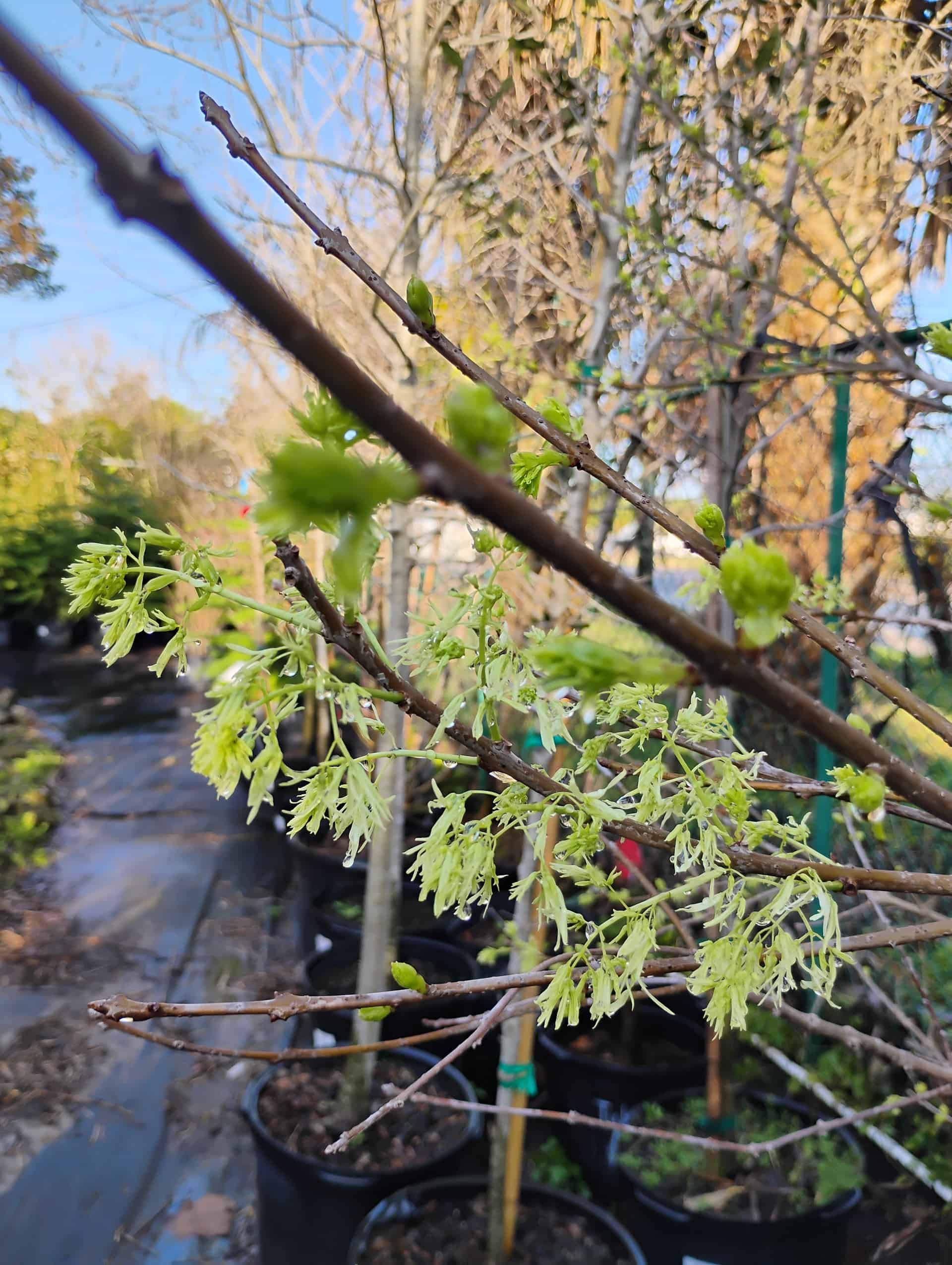
Chinese Snowball
Shares 4 of the same needs: full sun, moderate water, sandy, and pollinator-friendly.
Cleyera
Shares 4 of the same needs: similar light, moderate water, sandy, and pollinator-friendly.

Coastal Rosemary
Shares 4 of the same needs: full sun, moderate water, sandy, and pollinator-friendly.
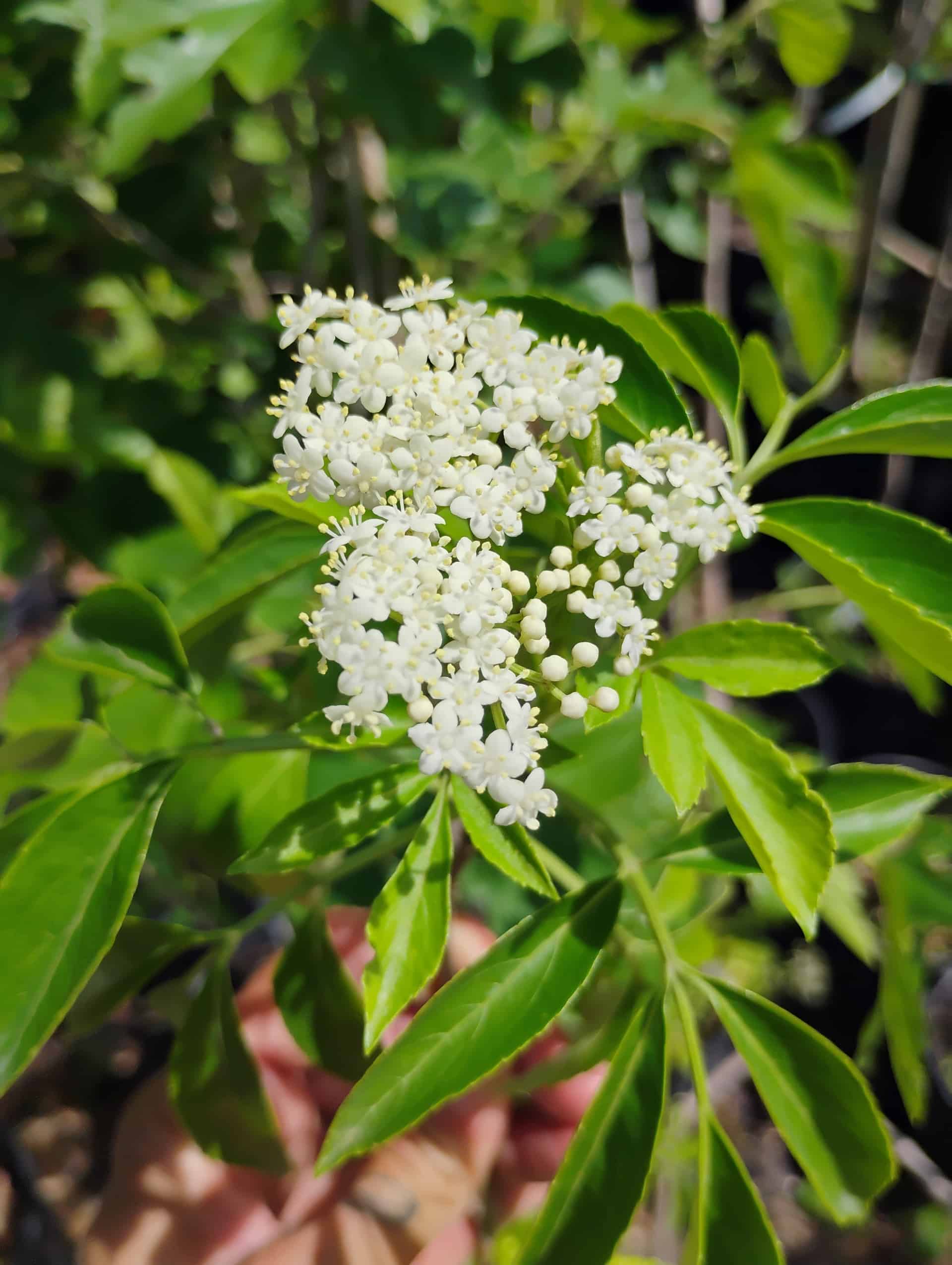
Elderberry
Shares 4 of the same needs: full sun, moderate water, sandy, and pollinator-friendly.

Flowering Maple
Shares 4 of the same needs: full sun, moderate water, sandy, and pollinator-friendly.
You may also like
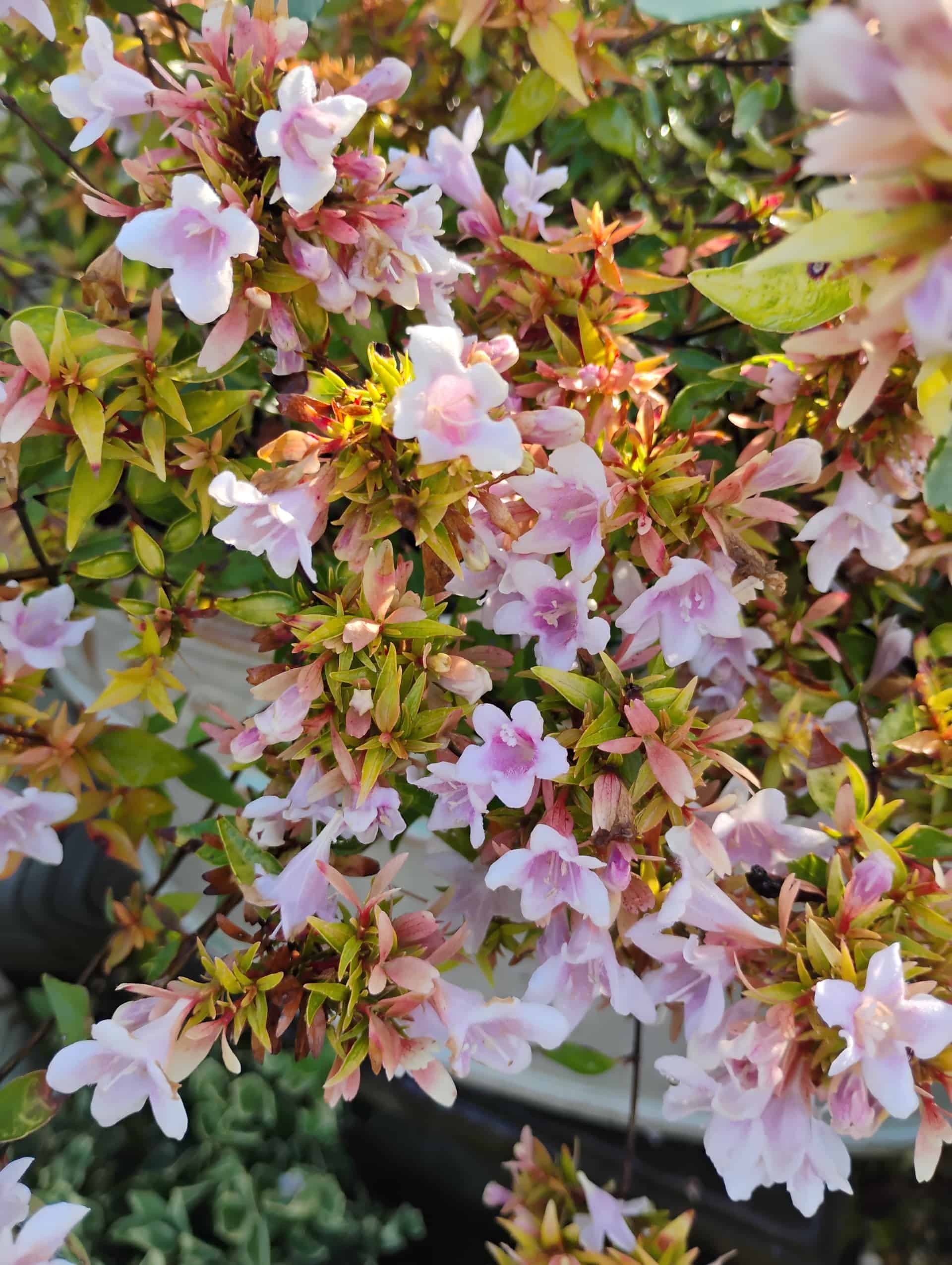
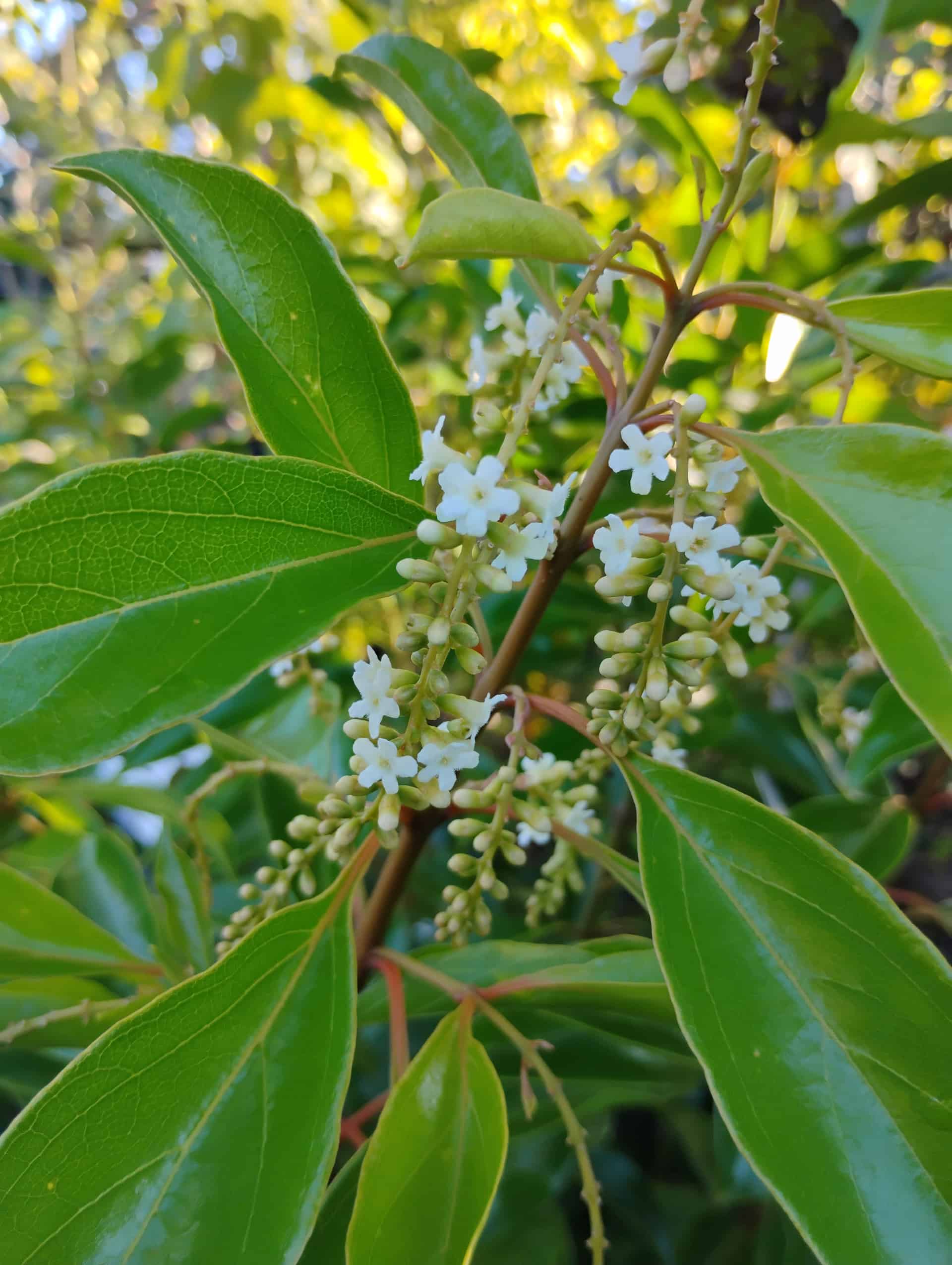
Common questions
Is Tropical Hibiscus a good plant for St. Augustine?
Tropical Hibiscus is a shrub. Mature size: 4-10 feet × 4-8 feet. Light: Full Sun, Part Sun. Water needs: Moderate.
What is the recorded pet toxicity for Tropical Hibiscus?
Non-toxic to dogs and cats
Care information verified from
Last reviewed March 2026. Our care guidance comes from trusted horticulture sources and decades of helping St. Augustine gardeners. Conditions here can vary dramatically from one area to the next, so come ask us and we'll tailor it to your yard.