
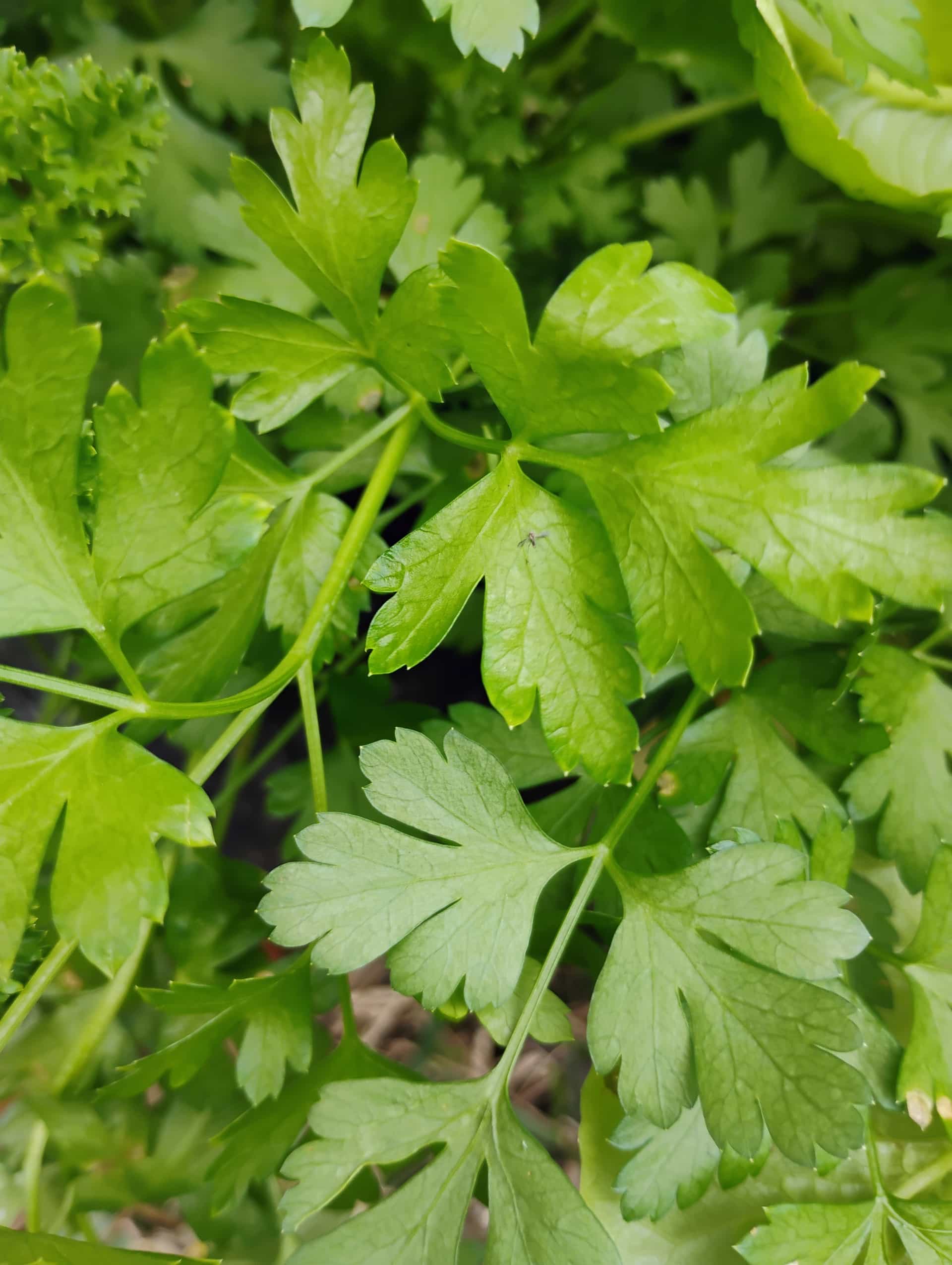
Varieties We Bring In
Italian Flat
Italian Flat · Triple Curled · Italian Large Leaf
We received some Parsley on Sep 18, 2026.
We bring this in seasonally, so what is on the lot changes week to week. A received date shows when it last came in, not that it is here today.
Call (904) 471-0440 to confirm this plant and size before you make the trip.
Last received Sep 18, 2026.
We bring this in seasonally, so what is on the lot changes week to week. A received date shows when it last came in, not that it is here today.
Call (904) 471-0440 to confirm this plant and size before you make the trip.
Pet toxicity: Non-toxic to dogs and cats
Pet safety guideAbout Parsley
Parsley (Petroselinum crispum) is a cool-season biennial herb from the Mediterranean grown for its bright green, curled or flat leaves — a kitchen staple and garnish. In NE Florida it is planted in fall and thrives through spring; it also serves as the larval host plant for the black swallowtail butterfly.
Plant details
- Bloom Season
- Spring
- Flower Color
- White
- Growth Rate
- Moderate
- Foliage
- Herbaceous biennial
- Soil
- Sandy, Loam, Well-drained
Best planting months
Recommended months: January, February, September, October, November.
Seasonal care
Bloom season.
Bloom season.
Ideal planting window.
Retains foliage through winter. Can be planted in mild winter periods.
Care essentials
Grow parsley in full sun to part shade; in NE Florida's intense summer heat, afternoon shade extends the plant's season. In Florida, parsley is planted in fall and harvested through spring before bolting as heat builds.
Keep soil consistently moist but well-drained — parsley is a cool-season crop in Florida and will wilt quickly if allowed to dry out during warm spells. Water at the base to avoid wetting foliage.
Plant in fertile, well-drained sandy loam amended with compost. Apply a balanced slow-release fertilizer at planting; a light side-dressing of nitrogen midseason supports leafy growth. Avoid overly rich soil that encourages bolting.
Similar needs
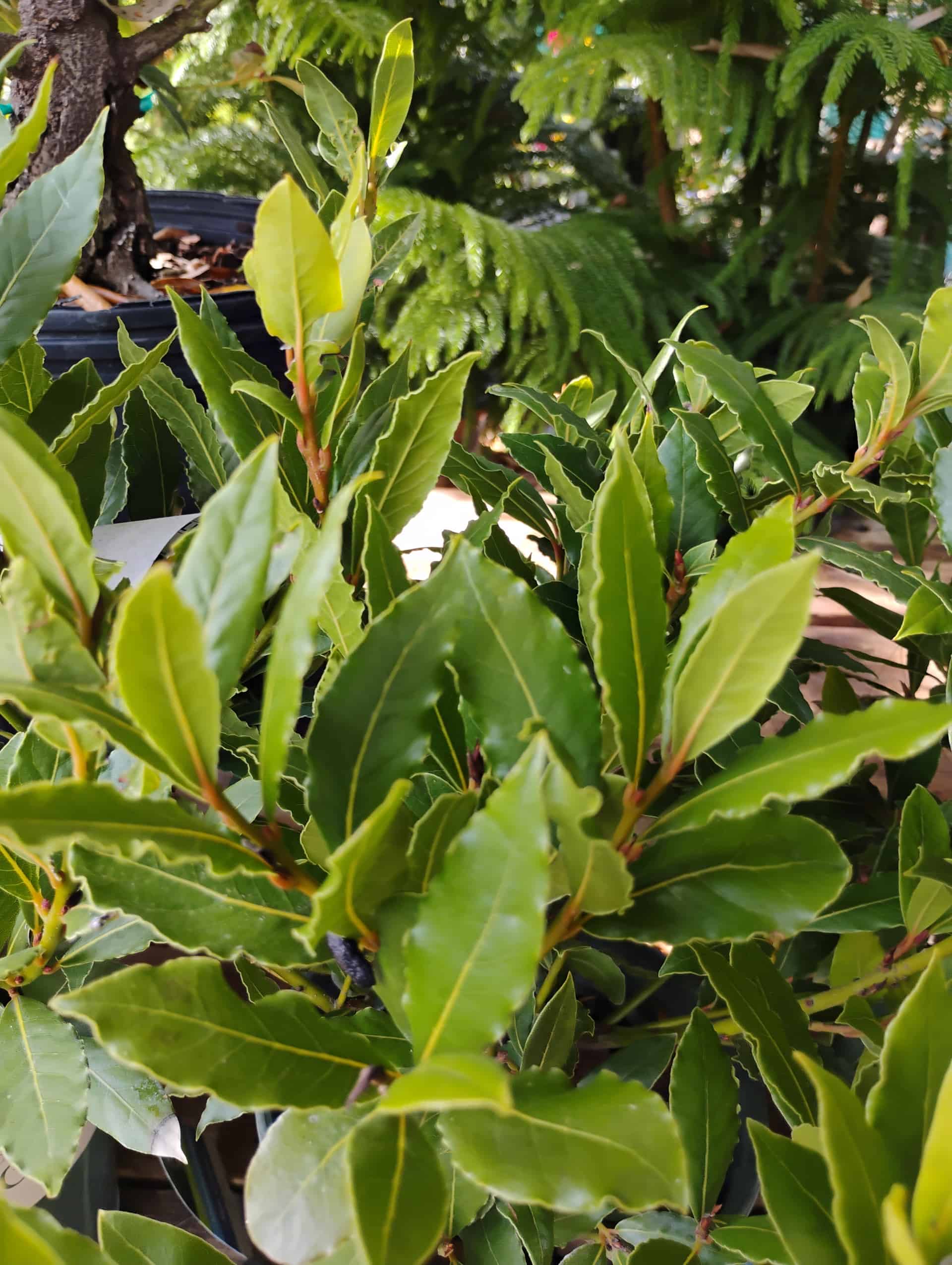
Bay Laurel
Shares 5 of the same needs: full sun, moderate water, sandy, zone 9a hardiness, and pollinator-friendly.
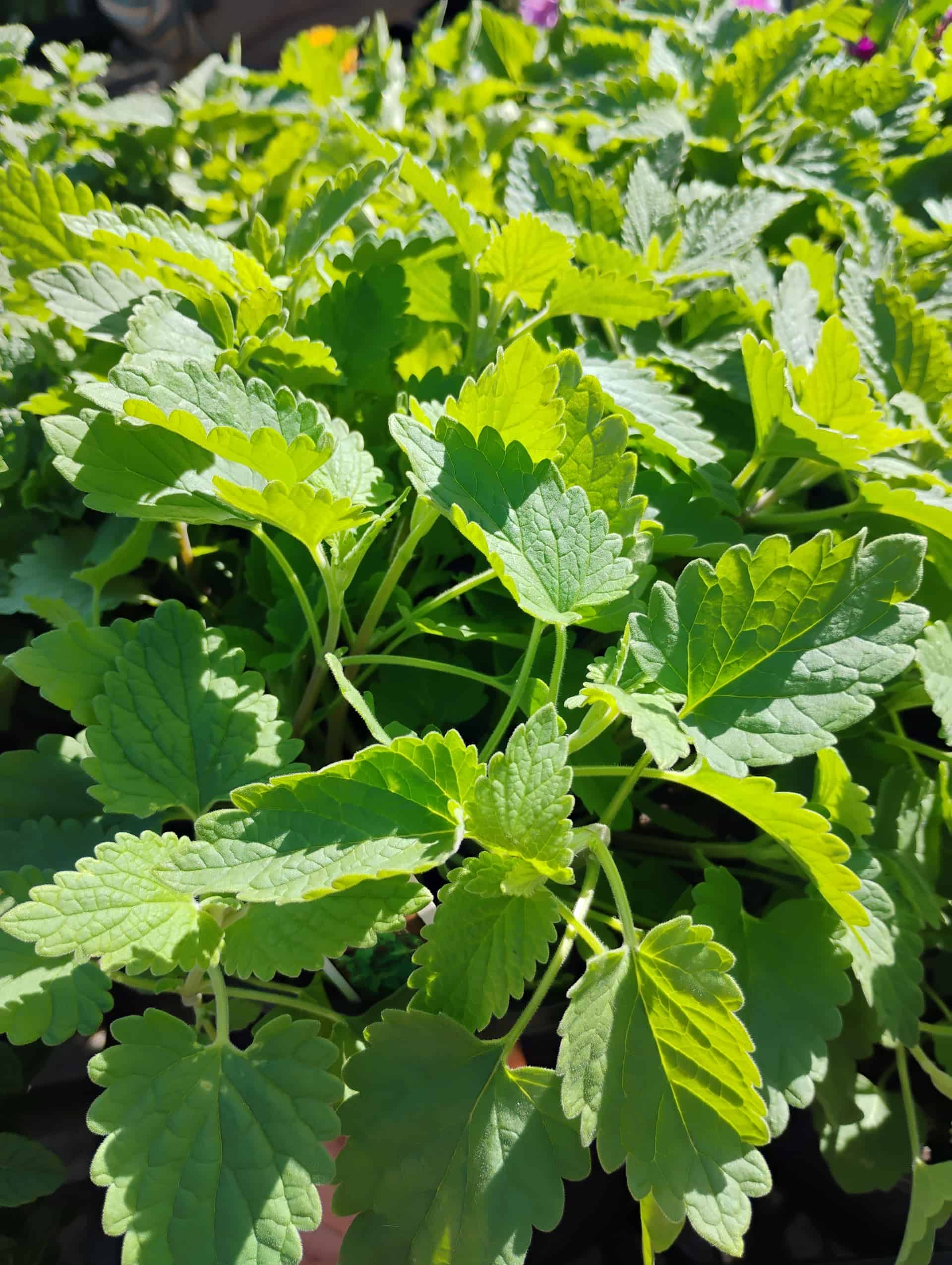
Catnip
Shares 5 of the same needs: full sun, moderate water, sandy, zone 9a hardiness, and pollinator-friendly.

Lemon Balm
Shares 5 of the same needs: shade, moderate water, sandy, zone 9a hardiness, and pollinator-friendly.

Chervil
Shares 5 of the same needs: shade, moderate water, loam, zone 9a hardiness, and pollinator-friendly.
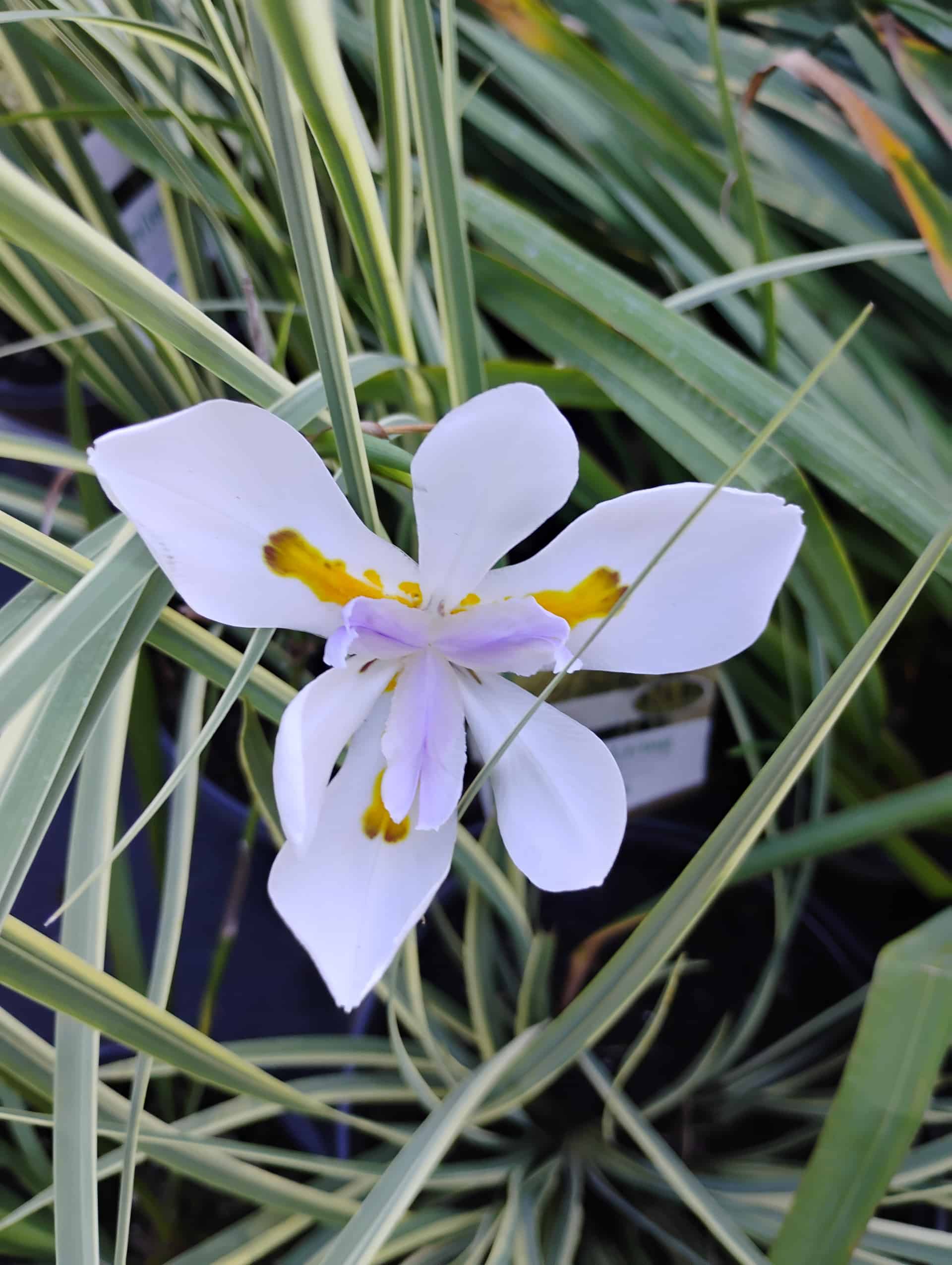
African Iris
Shares 5 of the same needs: full sun, moderate water, sandy, zone 9a hardiness, and pollinator-friendly.
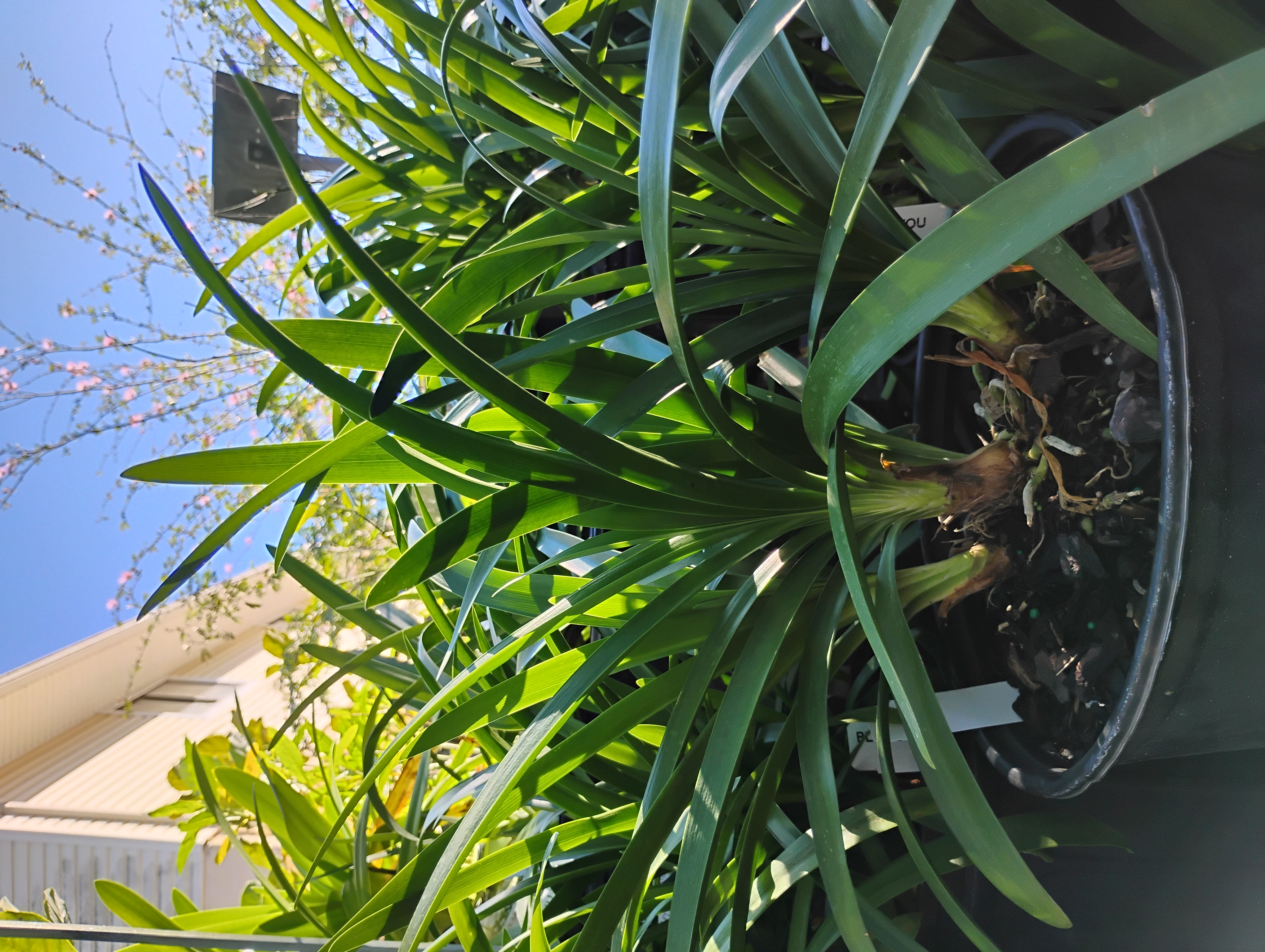
Agapanthus
Shares 5 of the same needs: full sun, moderate water, sandy, zone 9a hardiness, and pollinator-friendly.
You may also like
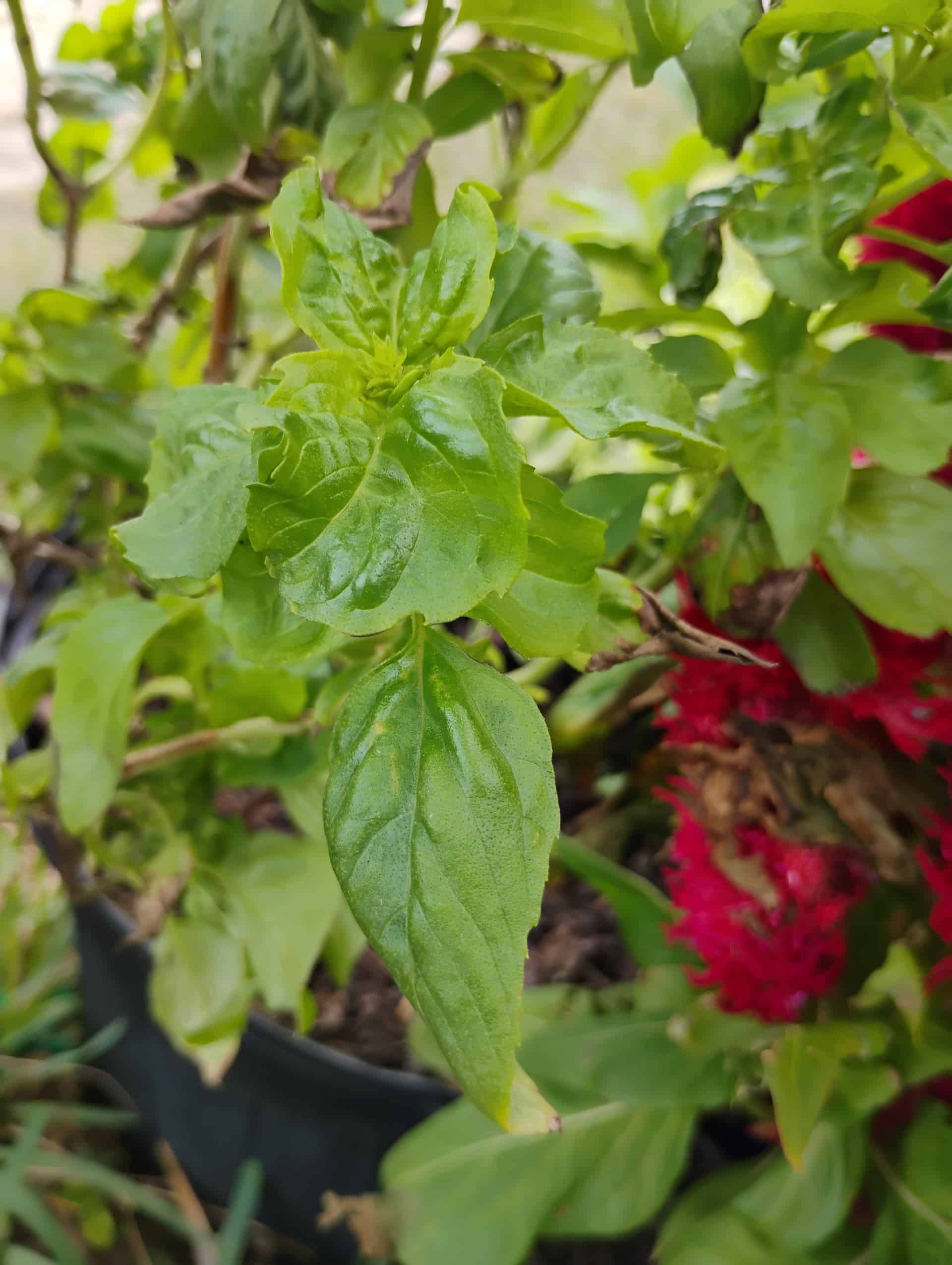 Herb
Basil
Ocimum basilicum
HerbBay Laurel
Laurus nobilis
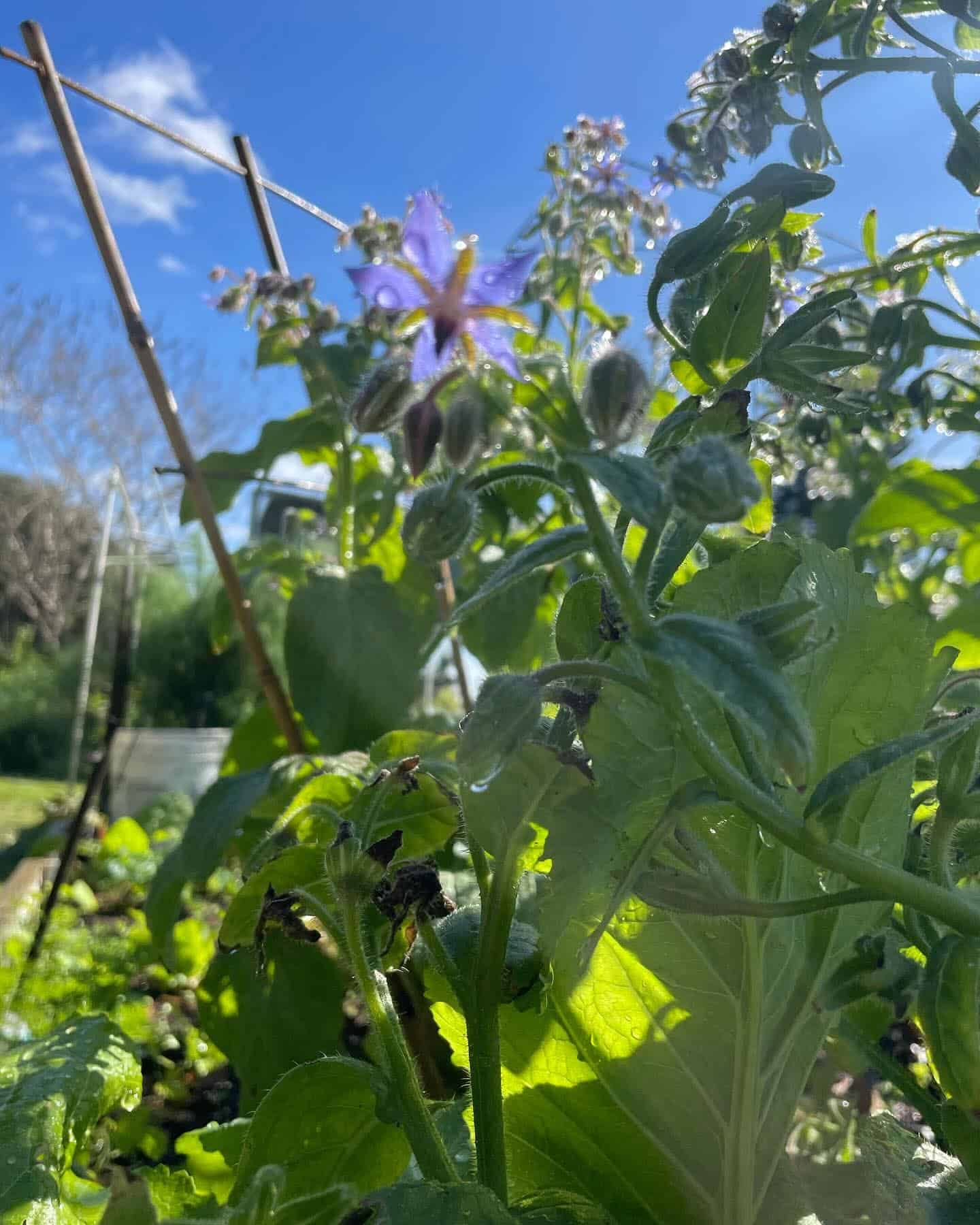 Herb
Borage
Borago officinalis
Common questions
Is Parsley a good plant for St. Augustine?
Parsley is a herb. Mature size: 8-12 inches × 8-10 inches. Light: Full Sun, Part Shade. Water needs: Moderate. Recorded hardiness zone: 9a.
What is the recorded pet toxicity for Parsley?
Non-toxic to dogs and cats
Care information verified from
Last reviewed February 2026. Our care guidance comes from trusted horticulture sources and decades of helping St. Augustine gardeners. Conditions here can vary dramatically from one area to the next, so come ask us and we'll tailor it to your yard.