
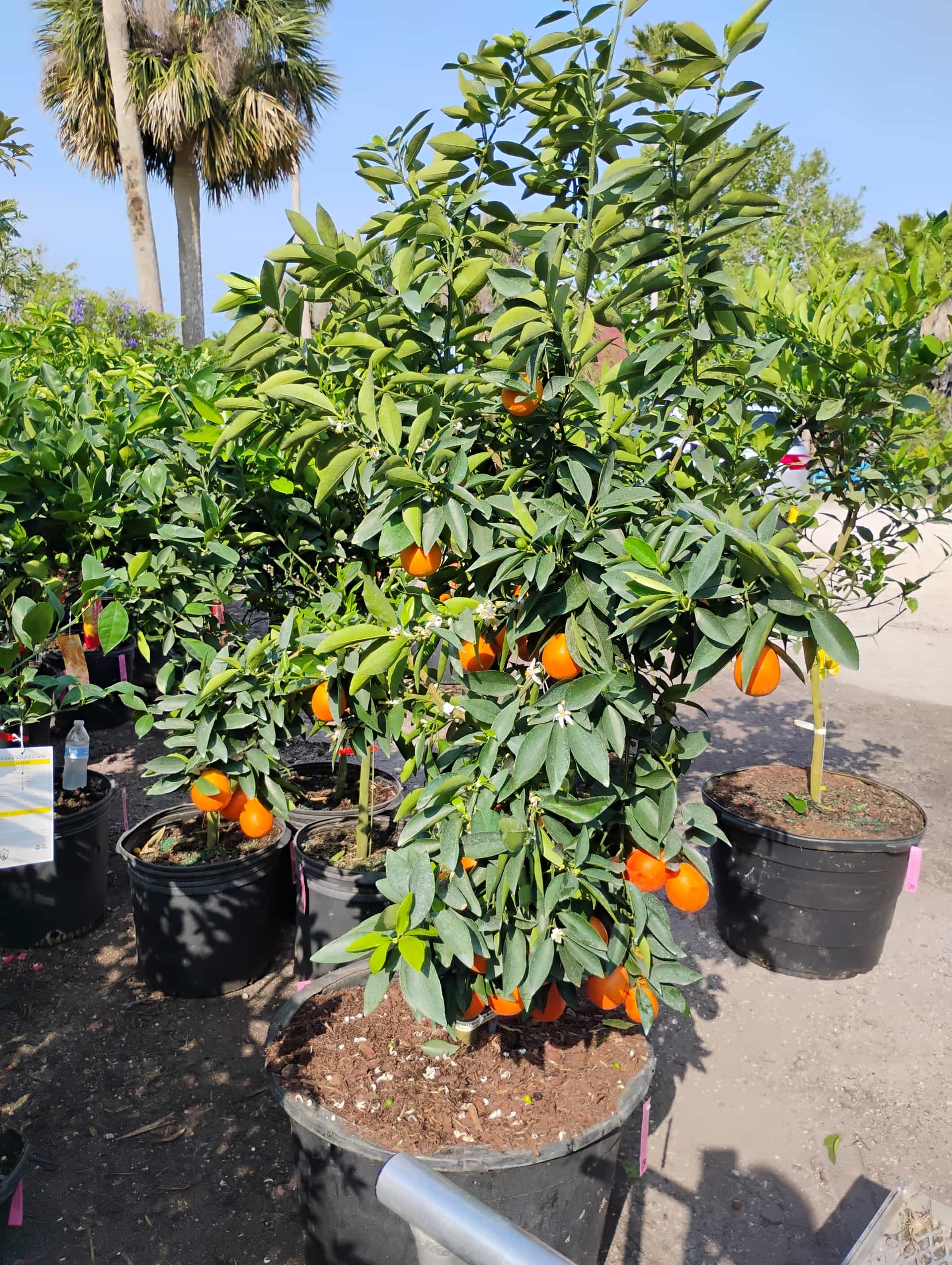
Orange
Citrus ×sinensis
Varieties We Bring In
Last received Jul 16, 2026.
We bring this in seasonally, so what is on the lot changes week to week. A received date shows when it last came in, not that it is here today.
Call (904) 471-0440 to confirm this plant and size before you make the trip.
About Orange
Florida's signature citrus tree, producing sweet fruit in winter and spring. Thrives in the state's subtropical climate and is available in many cultivars including Navel, Valencia, Hamlin, and blood orange types. Starting at $79.95.
Plant details
- Bloom Season
- Spring
- Flower Color
- White
- Growth Rate
- Moderate
- Foliage
- Evergreen
- Soil
- Sandy, Loam, Acidic, Well-drained
Care essentials
Sweet oranges require full sun — a minimum of 8 hours daily — for optimal fruit production and flavor. In NE Florida, avoid planting in low areas subject to cold air pooling.
Water young trees every 2–3 days for the first few weeks, then reduce frequency as trees establish. Mature trees need about 1–1.5 inches of water per week; NE Florida's sandy soils drain quickly, so use microirrigation or deep, infrequent watering to prevent moisture stress that can cause premature fruit drop.
Plant in well-drained, slightly acidic sandy or loamy soil (pH 6.0–7.0). Apply a citrus-specific fertilizer (such as 8-8-8 with micronutrients) every 6 weeks from February through October for the first three years, then 4–5 times annually. Keep fertilizer away from the trunk and water in after application.
Similar needs
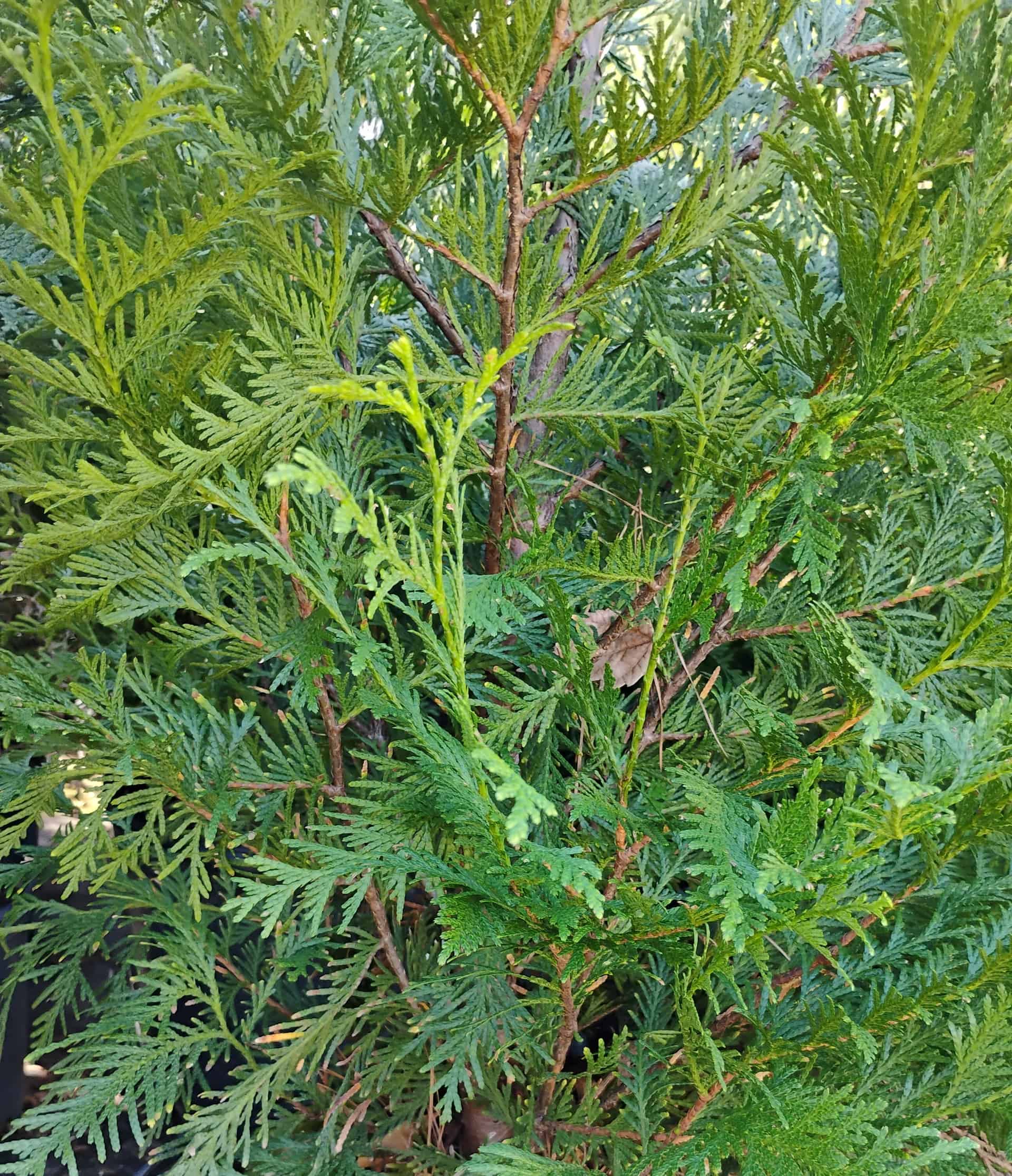
Green Giant Arborvitae
Shares 4 of the same needs: full sun, moderate water, loam, and zone 9a hardiness.
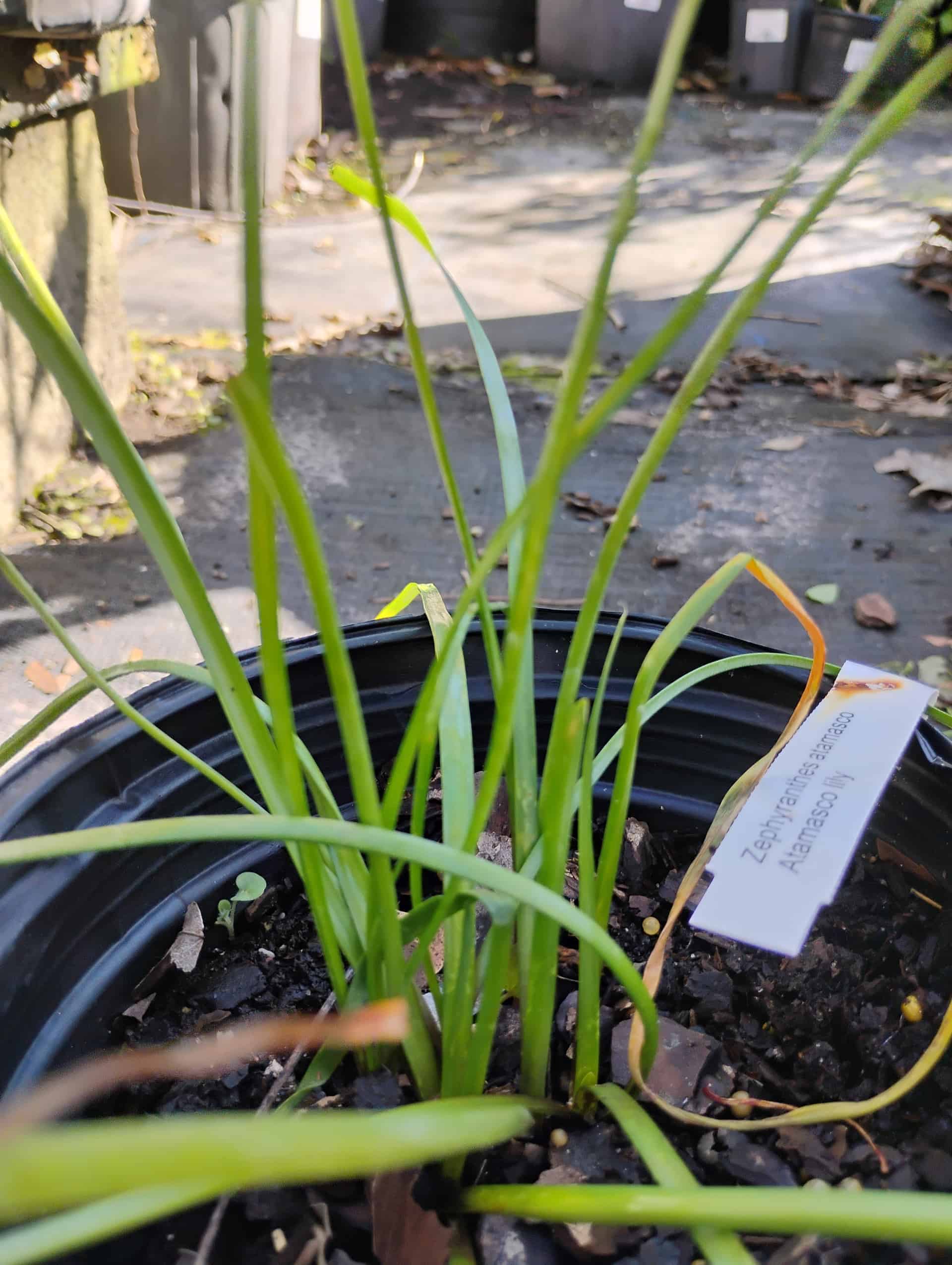
Atamasco Lily
Shares 5 of the same needs: full sun, moderate water, sandy, zone 9a hardiness, and pollinator-friendly.
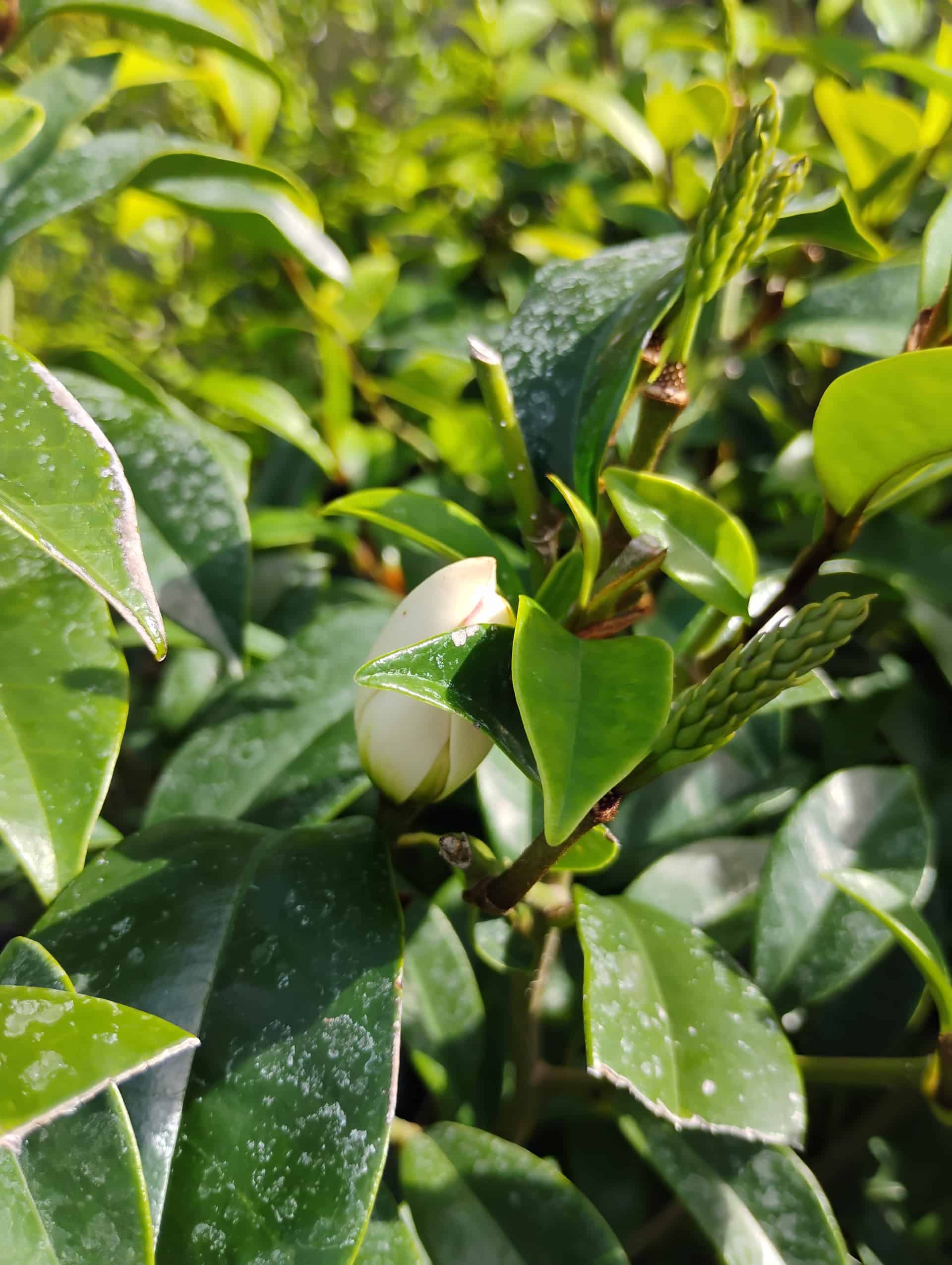
Banana Shrub
Shares 5 of the same needs: full sun, moderate water, loam, zone 9a hardiness, and pollinator-friendly.
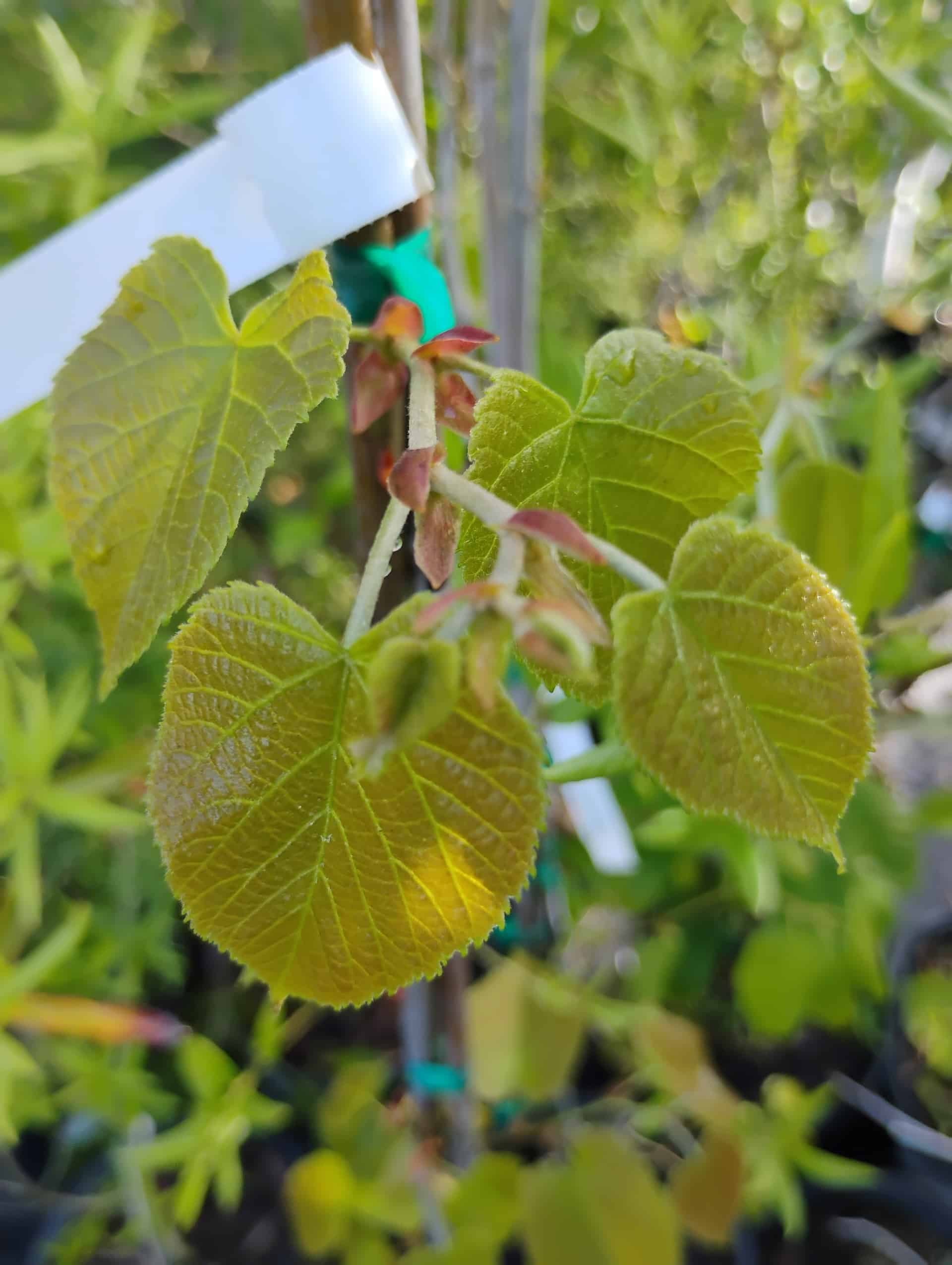
Basswood
Shares 5 of the same needs: full sun, moderate water, loam, zone 9a hardiness, and pollinator-friendly.
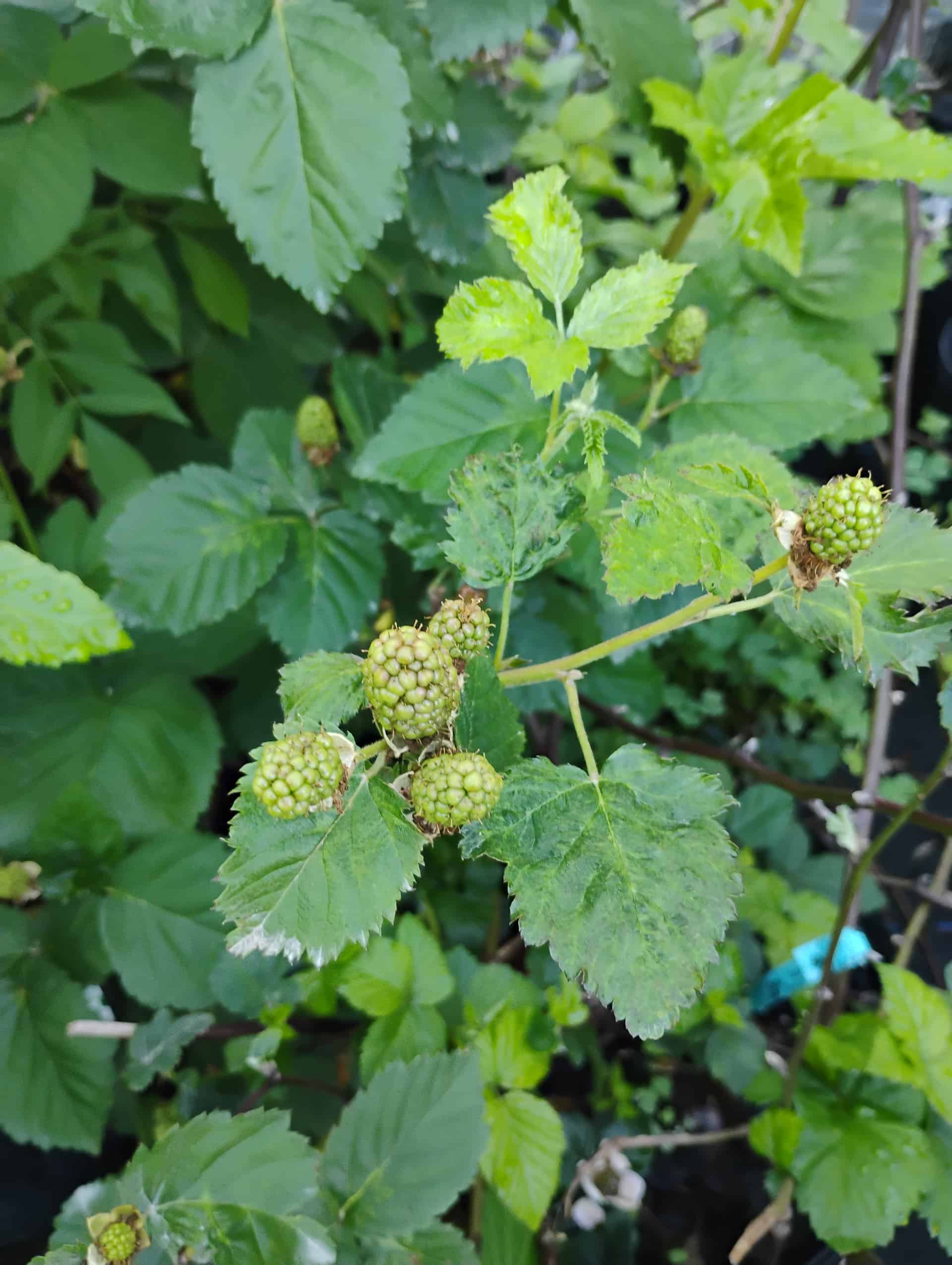
Blackberry
Shares 5 of the same needs: full sun, moderate water, sandy, zone 9a hardiness, and pollinator-friendly.
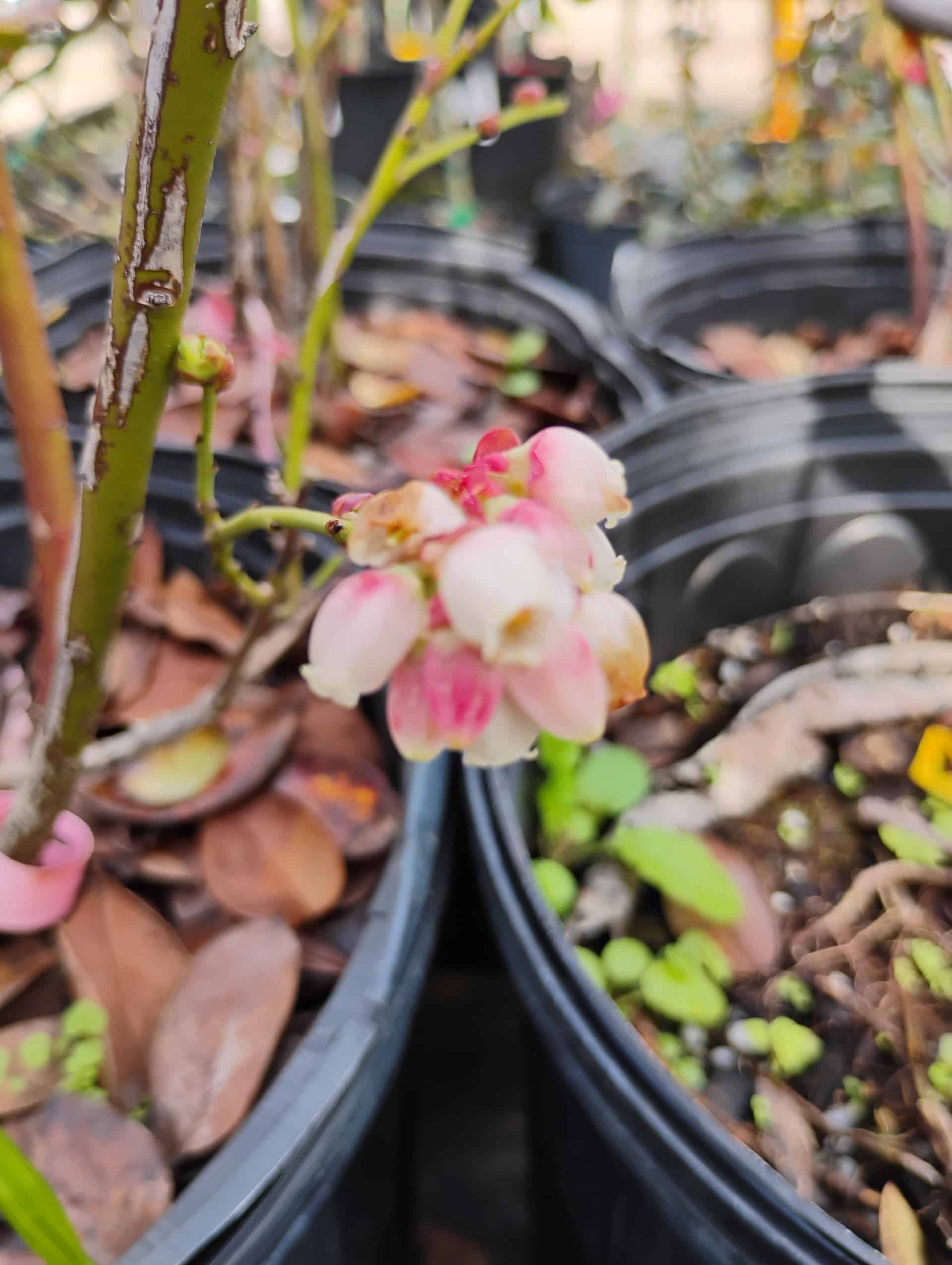
Blueberry
Shares 5 of the same needs: full sun, moderate water, sandy, zone 9a hardiness, and pollinator-friendly.
You may also like
Common questions
Is Orange a good plant for St. Augustine?
Orange is a evergreen tree for Zone 9b coastal Florida gardens, reaching 15-20 feet × 10-15 feet.