
Persian Lime
Citrus latifolia
Varieties We Bring In
Last received Jul 19, 2026.
We bring this in seasonally, so what is on the lot changes week to week. A received date shows when it last came in, not that it is here today.
Call (904) 471-0440 to confirm this plant and size before you make the trip.
About Persian Lime
Persian lime (Citrus × latifolia) is the most commercially grown lime in Florida, producing seedless, thick-skinned, aromatic fruits used widely in cooking and beverages. It is frost-sensitive but manageable in zone 9b with careful siting in a warm, wind-protected location and cold protection during freezes. Peak fruit harvest runs fall through winter; trees can produce year-round in warm years. Starting at $24.95.
Plant details
- Bloom Season
- Spring, Fall
- Flower Color
- White
- Growth Rate
- Moderate
- Foliage
- Evergreen
- Soil
- Sandy, Loam, Well-drained
Care essentials
Plant in full sun with at least 8 hours of direct sunlight daily for best fruit production. Choose a warm, protected site with a windbreak to reduce cold-air exposure during NE Florida freeze events.
Water deeply and regularly; citrus prefers consistent soil moisture but not waterlogging. Sandy Florida soils drain quickly — weekly deep watering supplemented by mulch helps retain moisture. Reduce irrigation slightly during cooler months.
Prefers well-drained sandy to sandy loam soil at pH 6.0–7.0. Use a specialized citrus fertilizer with micronutrients (iron, manganese, zinc) applied 3–4 times per year. Mulch heavily to protect shallow feeder roots. Monitor for citrus greening (HLB) and citrus canker — both are active in NE Florida.
Similar needs
Lemon
Shares 5 of the same needs: full sun, moderate water, sandy, zone 9a hardiness, and pollinator-friendly.
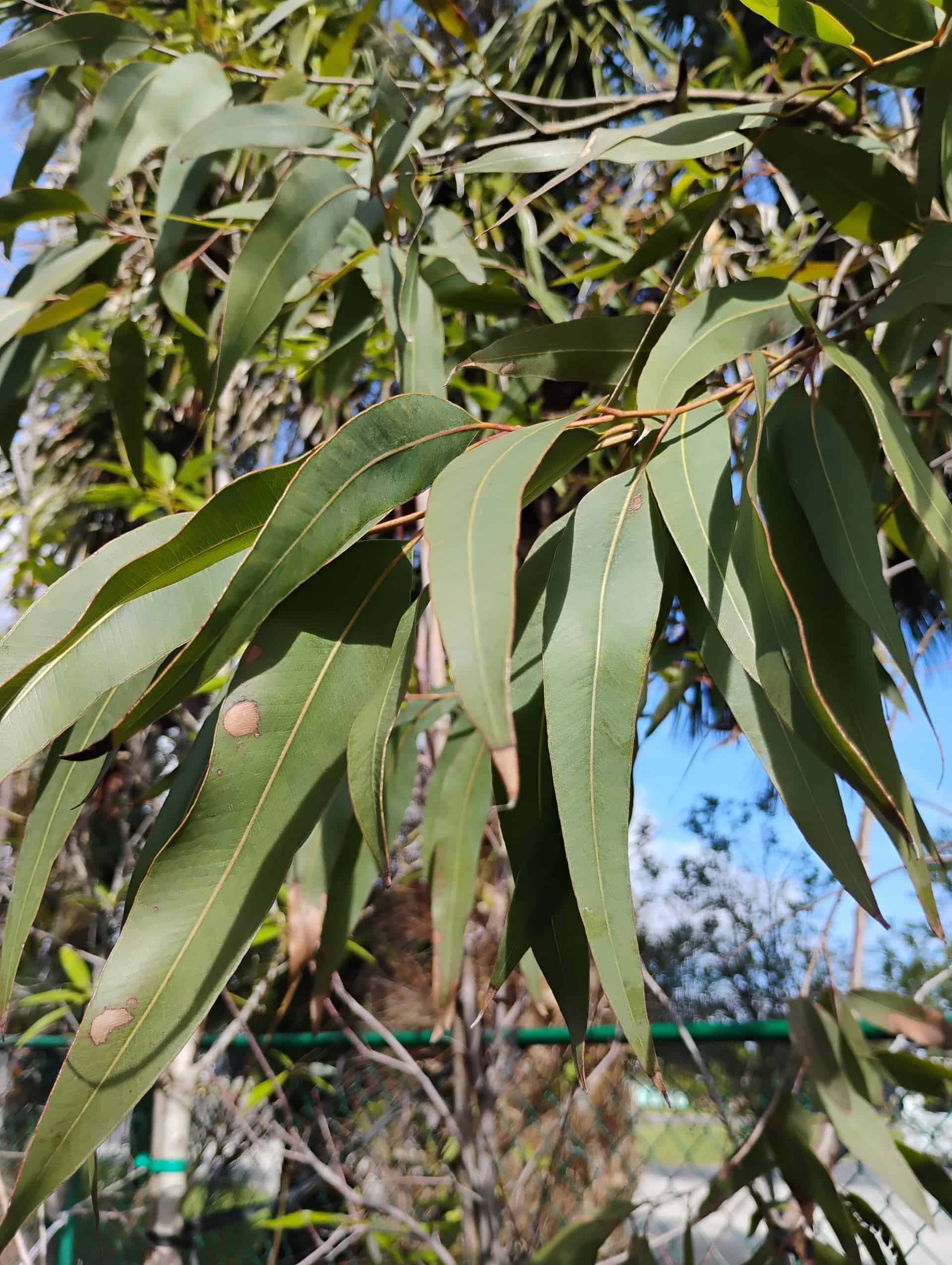
Lemon Eucalyptus
Shares 5 of the same needs: full sun, moderate water, sandy, zone 9a hardiness, and pollinator-friendly.
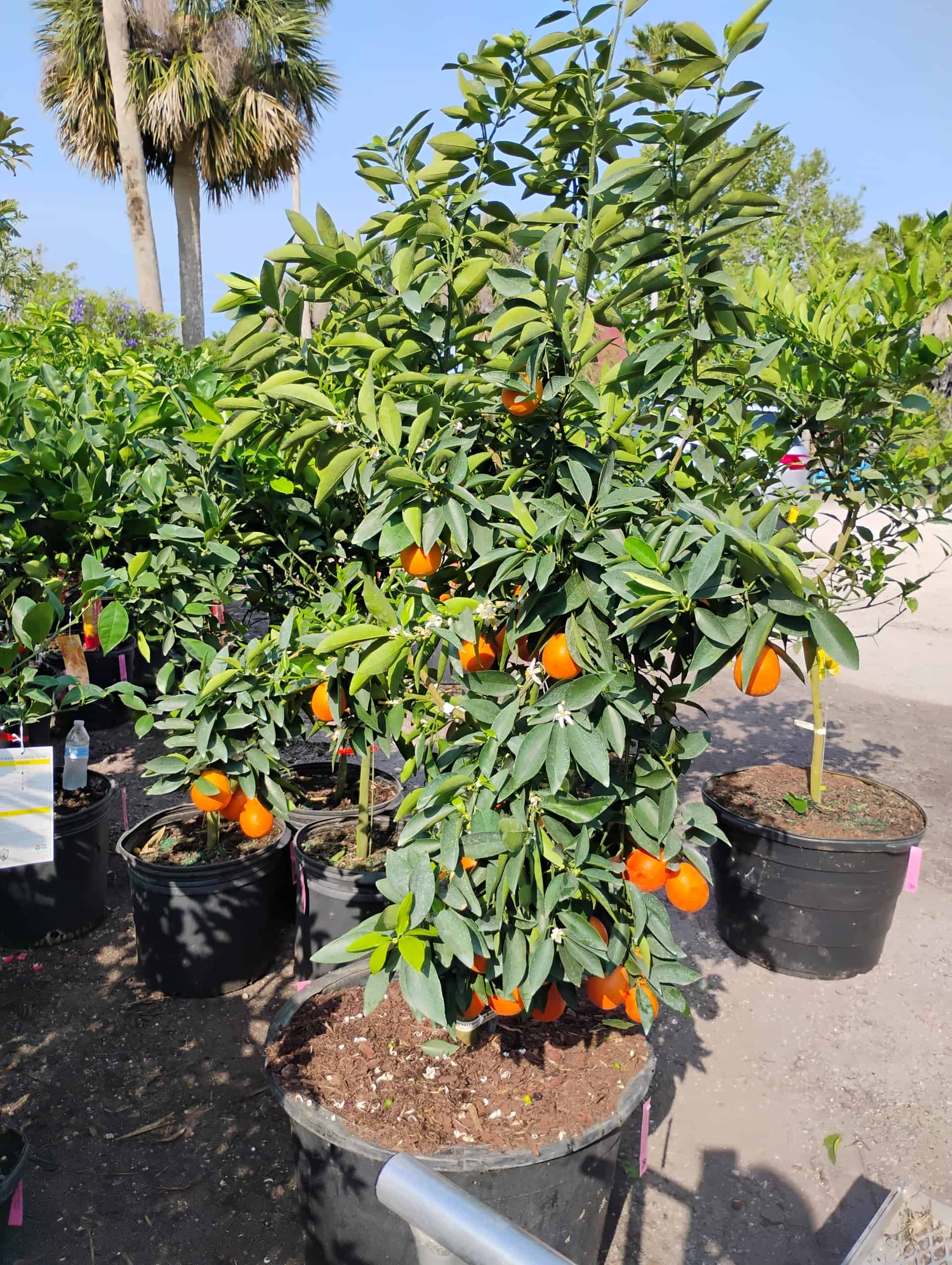
Orange
Shares 5 of the same needs: full sun, moderate water, sandy, zone 9a hardiness, and pollinator-friendly.
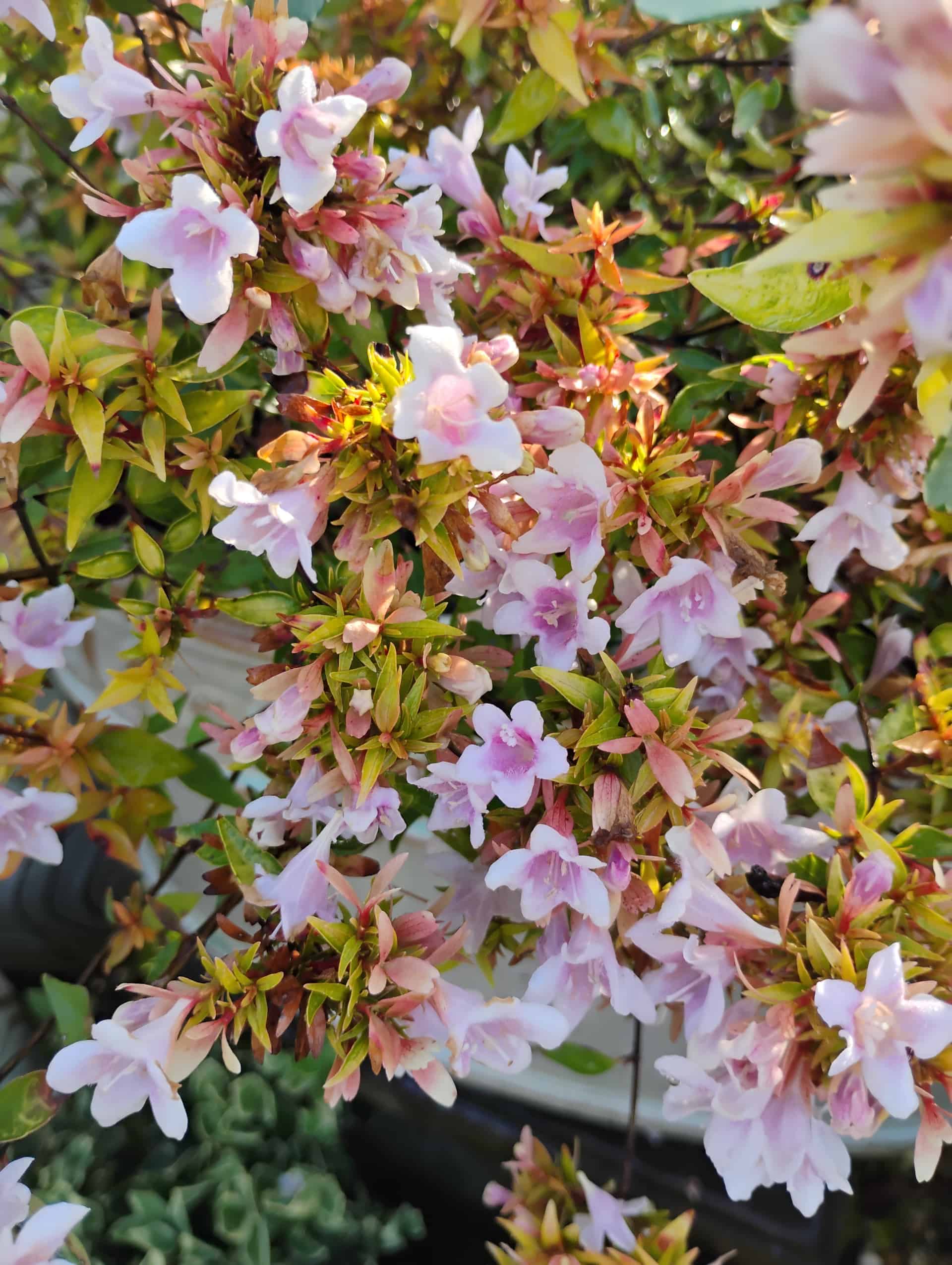
Abelia
Shares 5 of the same needs: full sun, moderate water, sandy, zone 9a hardiness, and pollinator-friendly.
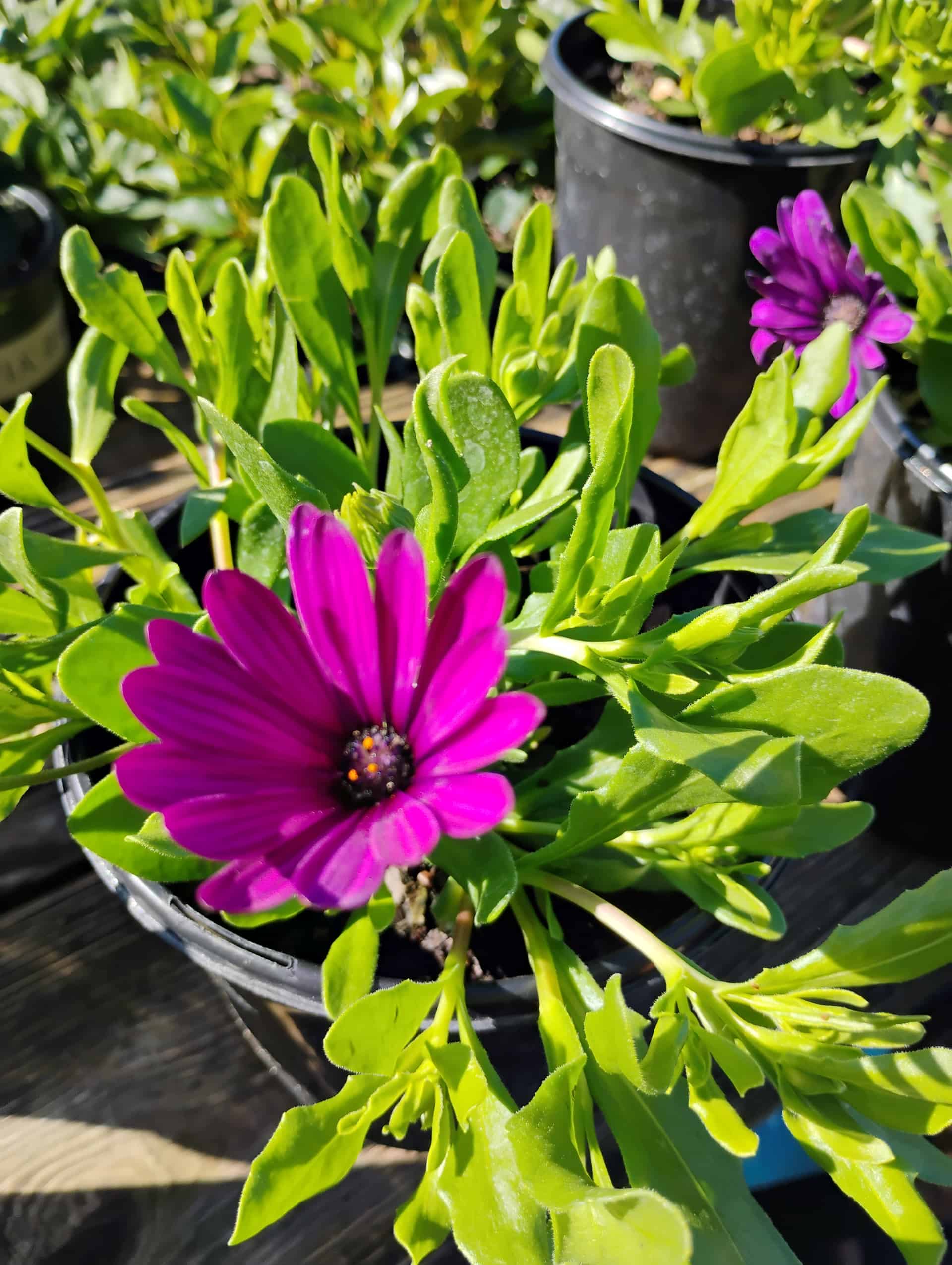
African Daisy
Shares 5 of the same needs: full sun, moderate water, sandy, zone 9a hardiness, and pollinator-friendly.
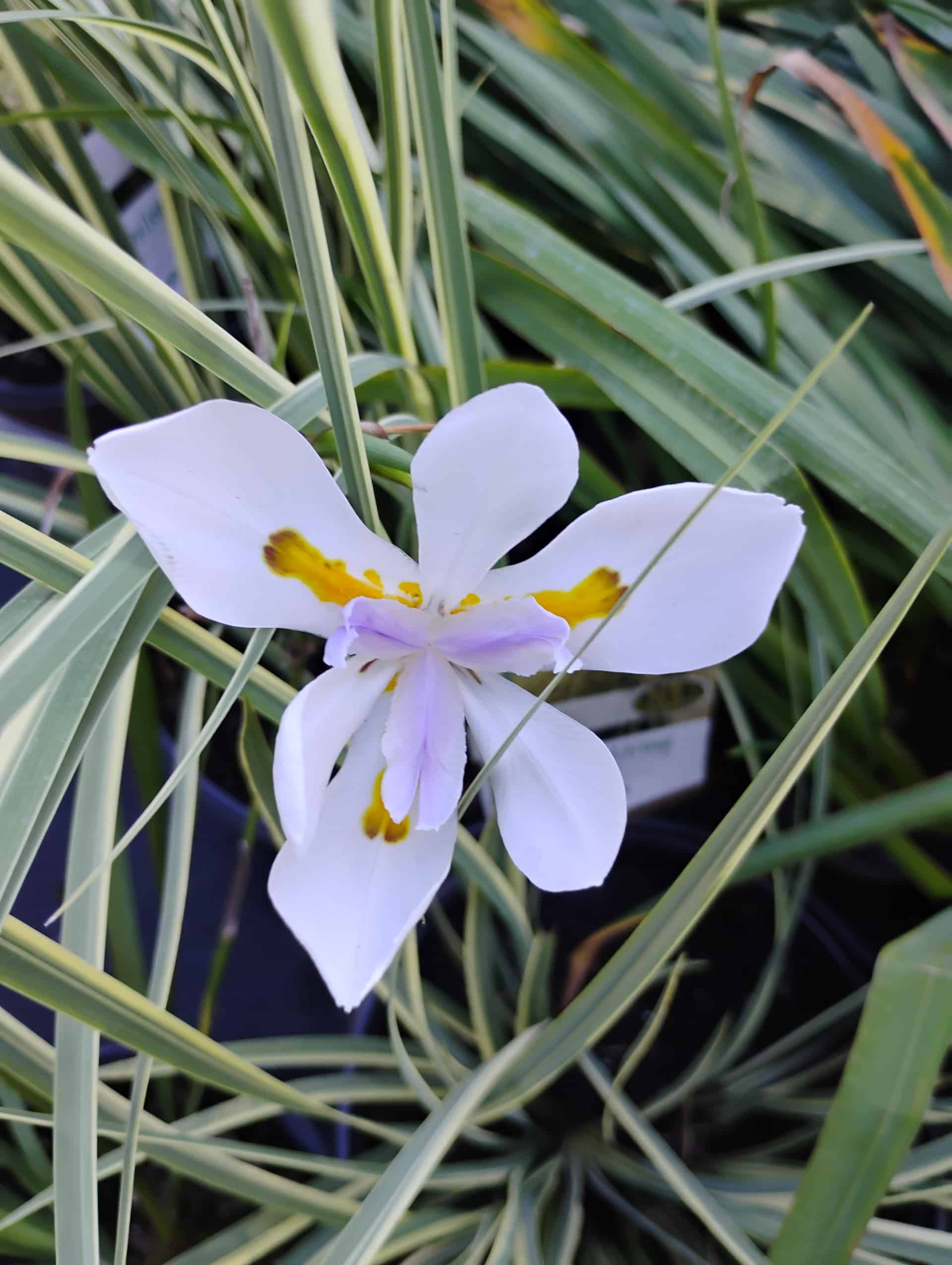
African Iris
Shares 5 of the same needs: full sun, moderate water, sandy, zone 9a hardiness, and pollinator-friendly.
You may also like
Common questions
Is Persian Lime a good plant for St. Augustine?
Persian Lime is a evergreen tree for Zone 9b coastal Florida gardens, reaching 15-20 feet × 10-15 feet.