
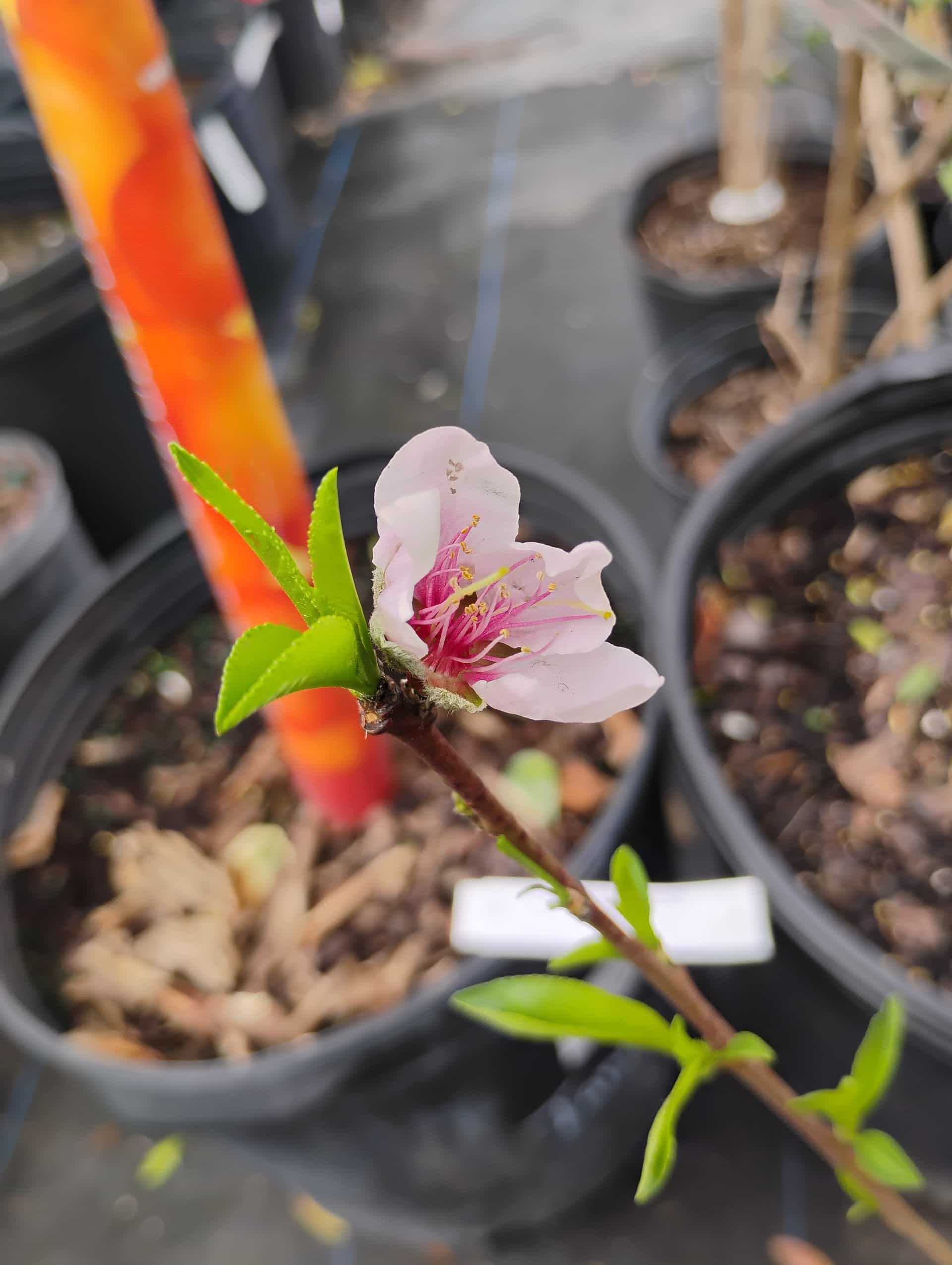
Nectarine
Prunus persica var. nucipersica
Varieties We Bring In
Last received Jul 19, 2026.
We bring this in seasonally, so what is on the lot changes week to week. A received date shows when it last came in, not that it is here today.
Call (904) 471-0440 to confirm this plant and size before you make the trip.
About Nectarine
Nectarine (Prunus persica var. nucipersica) is a smooth-skinned stone fruit tree that can be grown in NE Florida using low-chill-hour varieties (150–300 hours) developed by the UF breeding program. Trees ripen fruit in April–May, ahead of competing markets, and must be grafted on 'Flordaguard' nematode-resistant rootstock for Florida soils. Starting at $275.00.
Plant details
- Bloom Season
- Spring
- Flower Color
- Pink
- Growth Rate
- Moderate
- Foliage
- Deciduous
- Soil
- Sandy, Loam, Well-drained
Best planting months
Seasonal care
Bloom season. New foliage emerges. Good planting window.
Active growing season.
Foliage may begin to change or drop.
Dormant — drops foliage. Can be planted in mild winter periods.
Care essentials
Nectarines require full sun (minimum 8 hours daily) for best fruit production. In NE Florida, choose a south- or west-facing site with good air circulation to reduce fungal disease pressure.
Water regularly during the growing season, especially during fruit development. In NE Florida's sandy soils, deep watering 1–2 times per week is typical; reduce after harvest and during winter dormancy. Consistent moisture reduces fruit split and stress.
Plant in well-drained sandy or loamy soil; in NE Florida, all nectarines should be grafted onto nematode-resistant 'Flordaguard' rootstock. Fertilize with a balanced citrus or fruit tree fertilizer in early spring, late spring, and mid-summer. Apply preventive fungicide (sulfur or copper) after harvest to prevent peach rust and scab in Florida's humid summers.
Similar needs
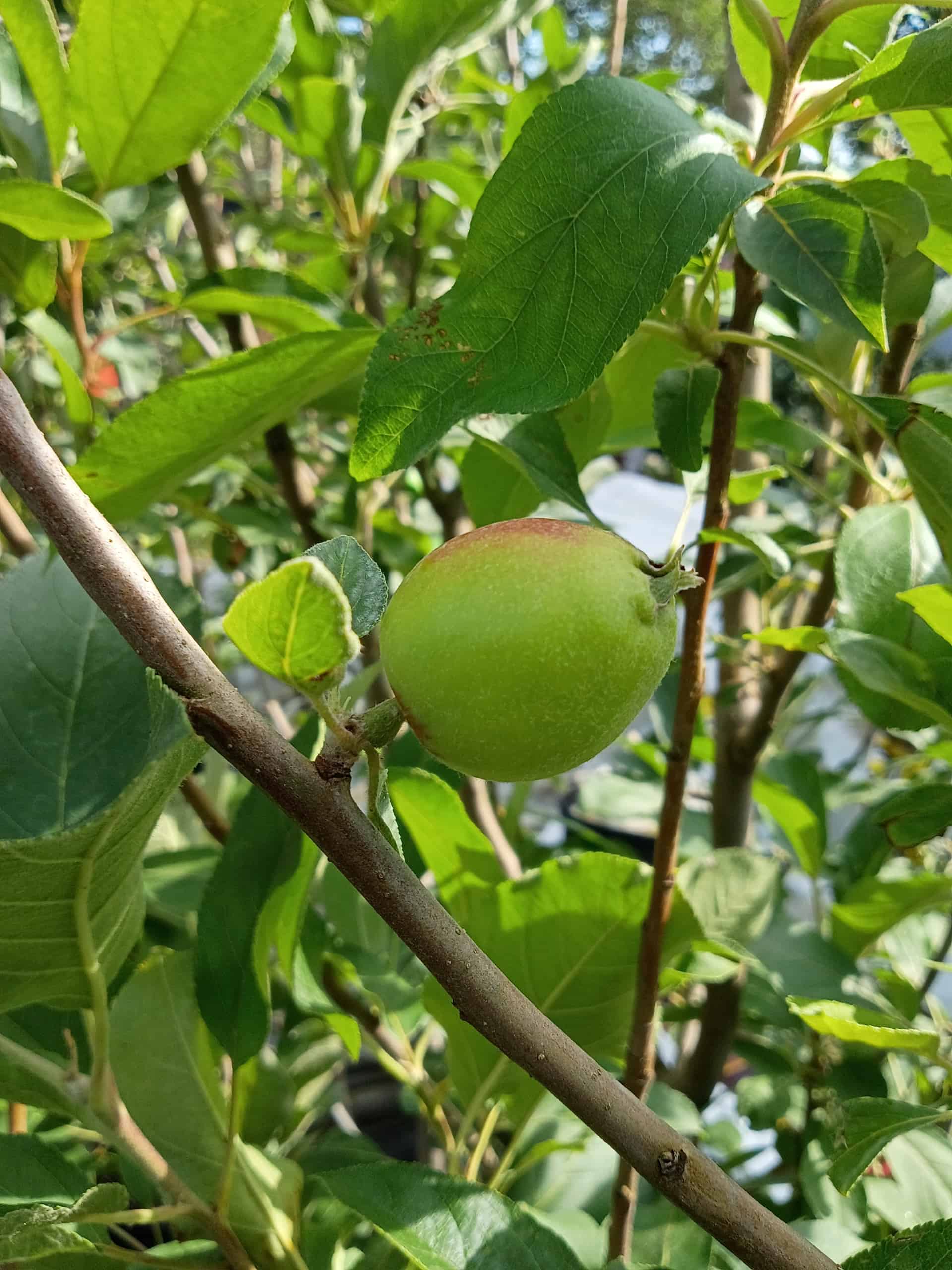
Apple
Shares 5 of the same needs: full sun, moderate water, sandy, zone 9a hardiness, and pollinator-friendly.
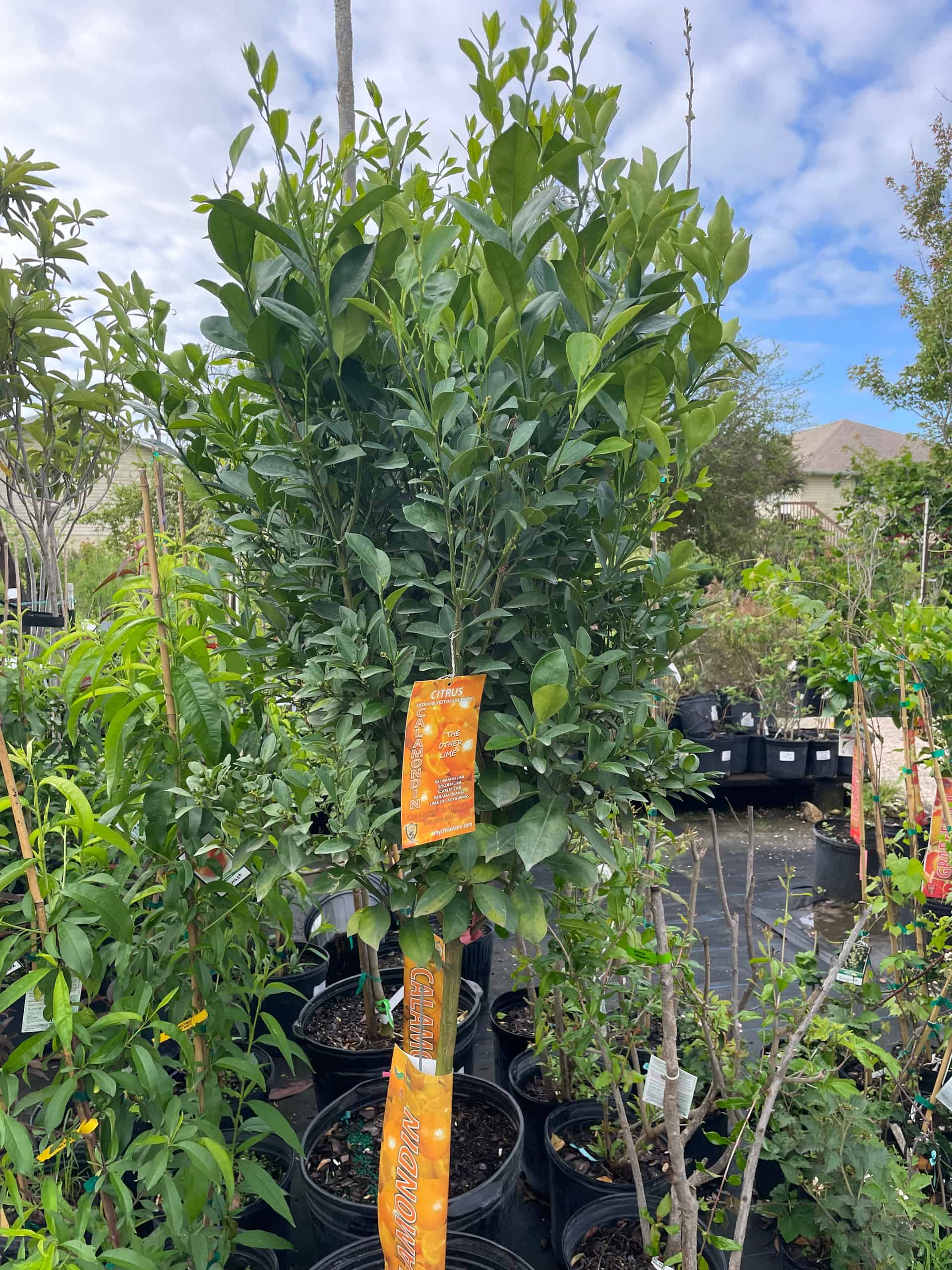
Calamondin
Shares 5 of the same needs: full sun, moderate water, sandy, zone 9a hardiness, and pollinator-friendly.
Grapefruit
Shares 5 of the same needs: full sun, moderate water, sandy, zone 9a hardiness, and pollinator-friendly.
Kumquat
Shares 5 of the same needs: full sun, moderate water, sandy, zone 9a hardiness, and pollinator-friendly.
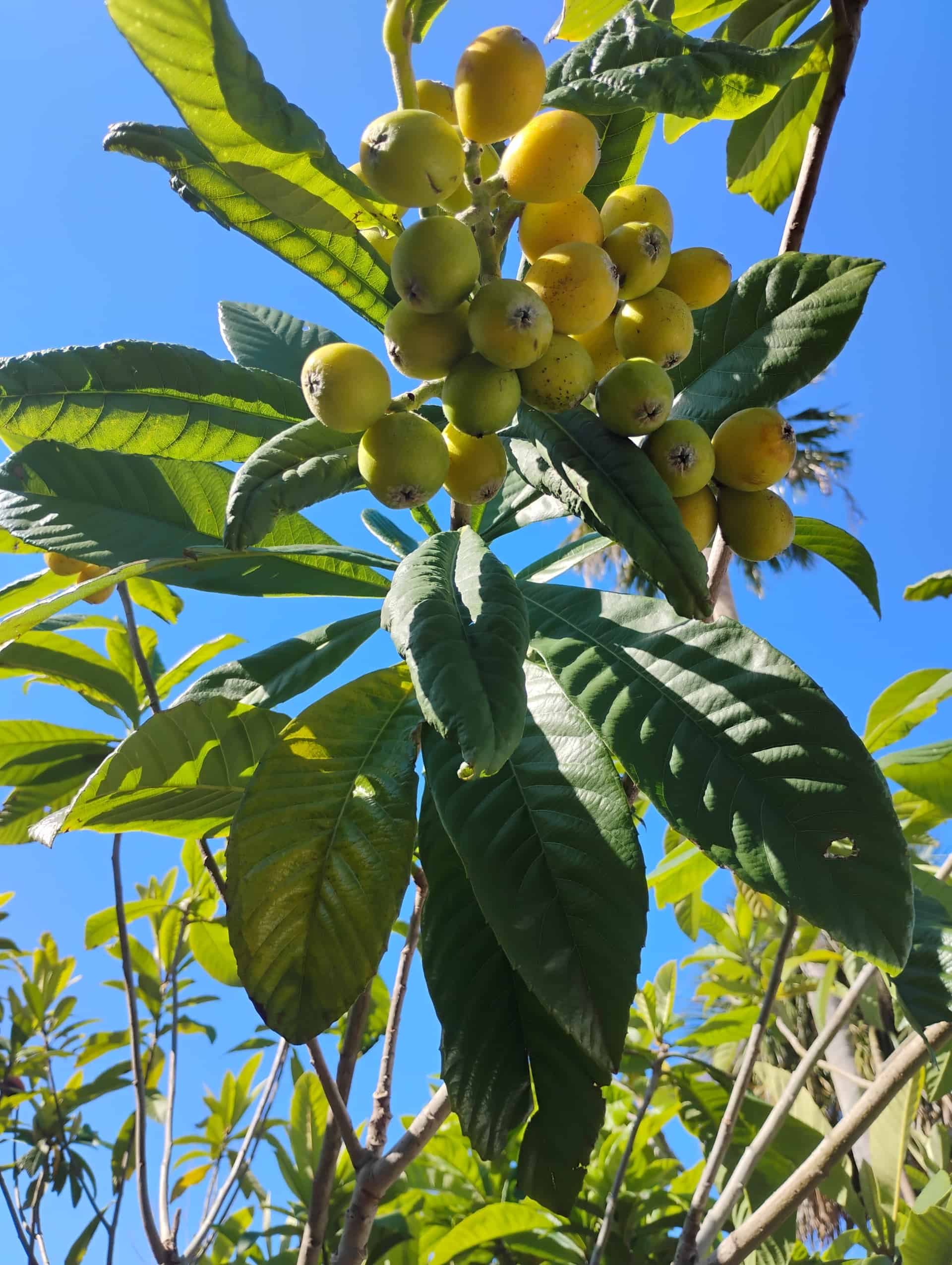
Loquat
Shares 5 of the same needs: full sun, moderate water, sandy, zone 9a hardiness, and pollinator-friendly.
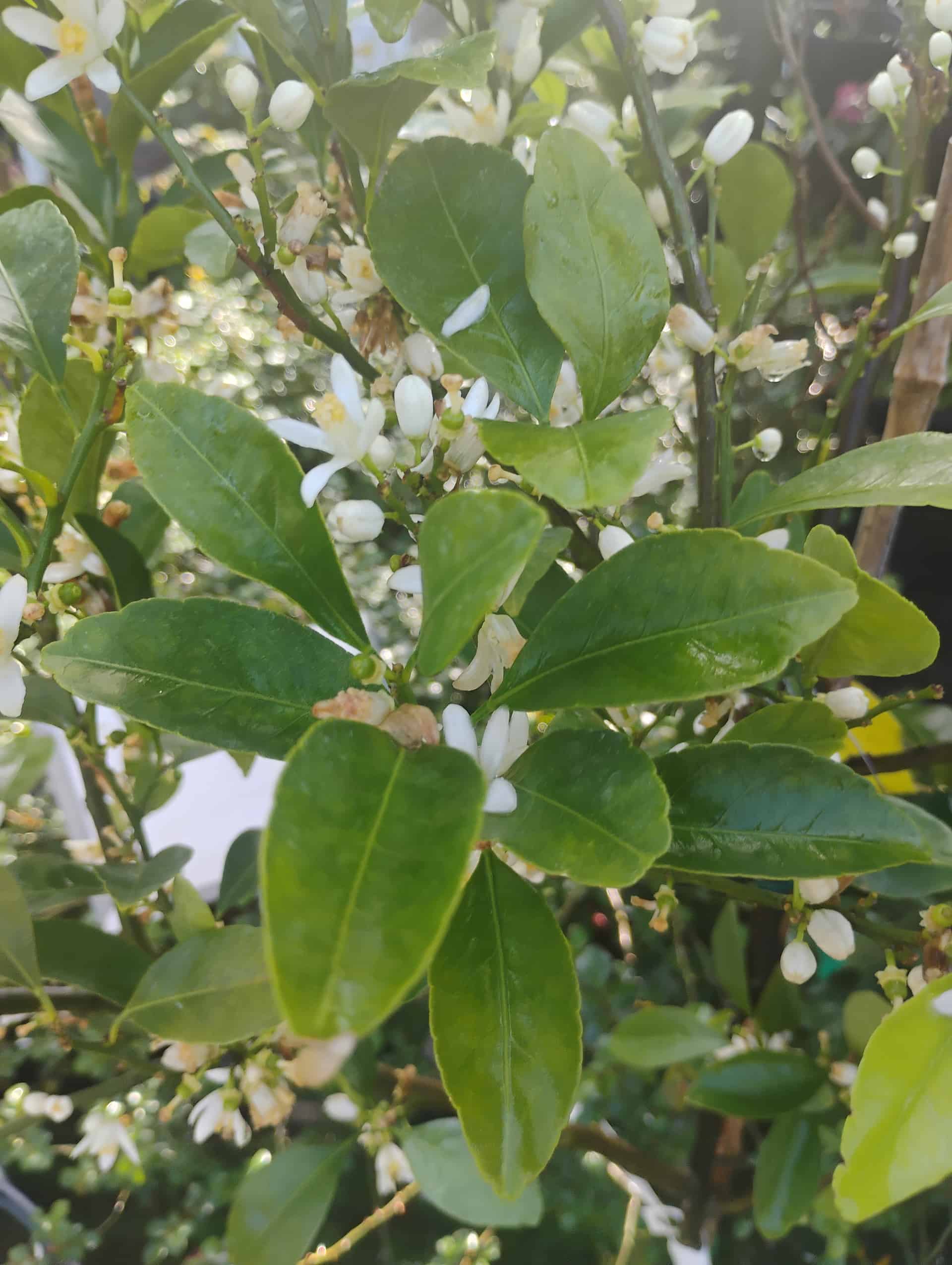
Mandarin
Shares 5 of the same needs: full sun, moderate water, sandy, zone 9a hardiness, and pollinator-friendly.
You may also like
Common questions
Is Nectarine a good plant for St. Augustine?
Nectarine is a fruit tree for Zone 9b coastal Florida gardens, reaching 10-20 feet × 10-15 feet.
Care information verified from
Last reviewed February 2026. Our care guidance comes from trusted horticulture sources and decades of helping St. Augustine gardeners. Conditions here can vary dramatically from one area to the next, so come ask us and we'll tailor it to your yard.