
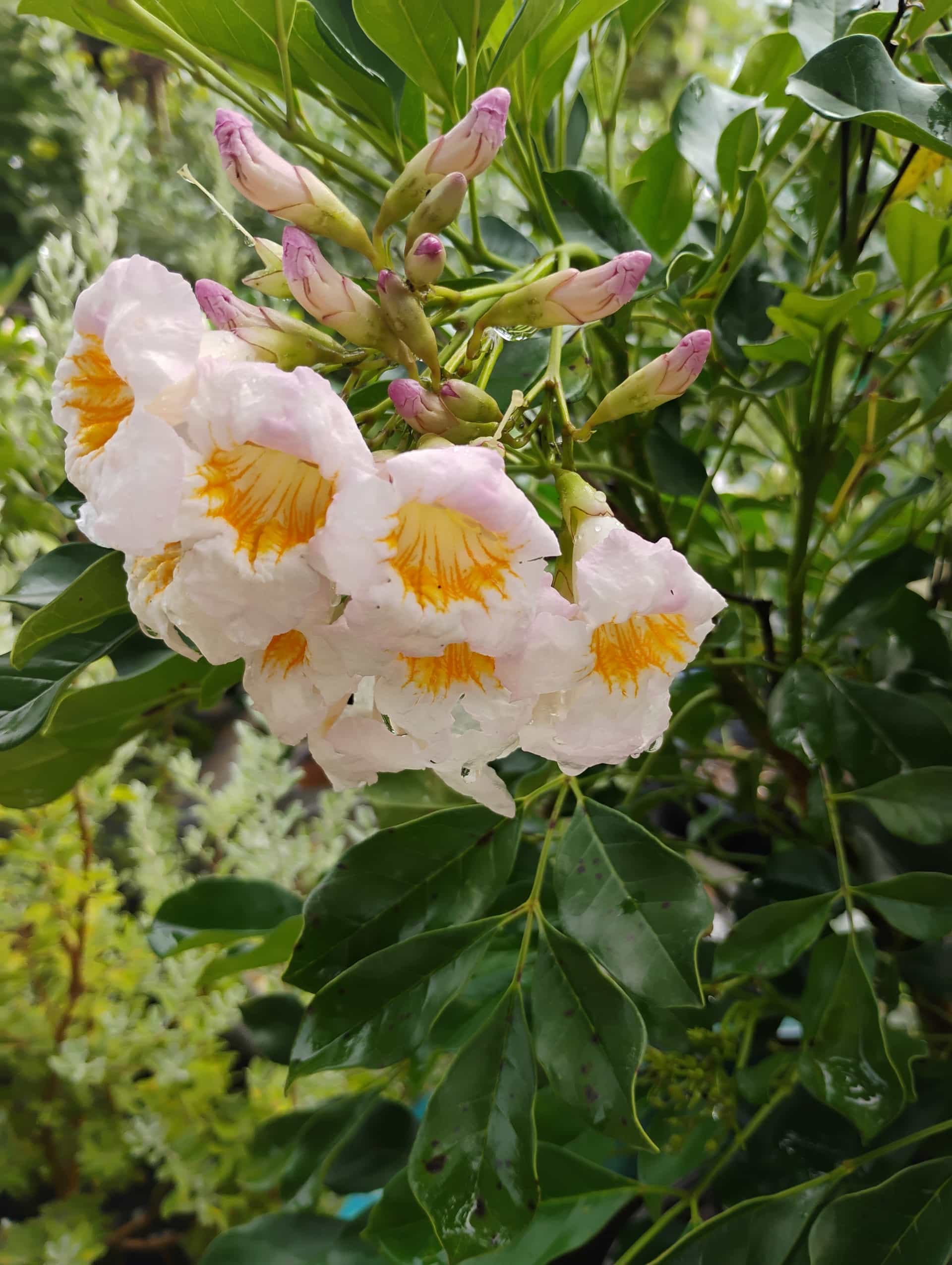
Varieties We Bring In
Minima
Sambac
We received some Jasmine on Nov 4, 2026.
We bring this in seasonally, so what is on the lot changes week to week. A received date shows when it last came in, not that it is here today.
Call (904) 471-0440 to confirm this plant and size before you make the trip.
Last received Nov 4, 2026.
We bring this in seasonally, so what is on the lot changes week to week. A received date shows when it last came in, not that it is here today.
Call (904) 471-0440 to confirm this plant and size before you make the trip.
Pet toxicity: Non-toxic to dogs and cats
Pet safety guideAbout Jasmine
Arabian jasmine (Jasminum sambac) is a tropical evergreen shrub from South and Southeast Asia bearing clusters of intensely fragrant white flowers that are used to scent jasmine tea and make traditional leis and garlands. One of the most fragrant plants in cultivation, it blooms repeatedly throughout warm months.
Plant details
- Bloom Season
- Spring, Summer, Fall
- Flower Color
- White
- Growth Rate
- Moderate
- Foliage
- Evergreen
- Soil
- Sandy, Loam, Well-drained
Best planting months
Recommended months: March, April, May, September, October, November.
Seasonal care
Bloom season. Good planting window.
Bloom season.
Bloom season. Ideal planting window.
Retains foliage through winter.
Care essentials
Thrives in full sun; tolerates partial shade but flowers most prolifically with at least 6 hours of direct sun. In NE Florida, full sun exposure throughout the warm season drives the best bloom production.
Water regularly during establishment; once established, moderately drought tolerant. Allow soil to dry slightly between waterings — avoid waterlogged conditions. Reduce watering in the cooler winter months.
Grows well in sandy to loamy, well-drained Florida soils. Fertilize with a balanced slow-release fertilizer (e.g., 10-10-10) in spring and summer to encourage vigorous growth and repeat bloom; avoid excessive nitrogen, which promotes foliage over flowers.
Similar needs
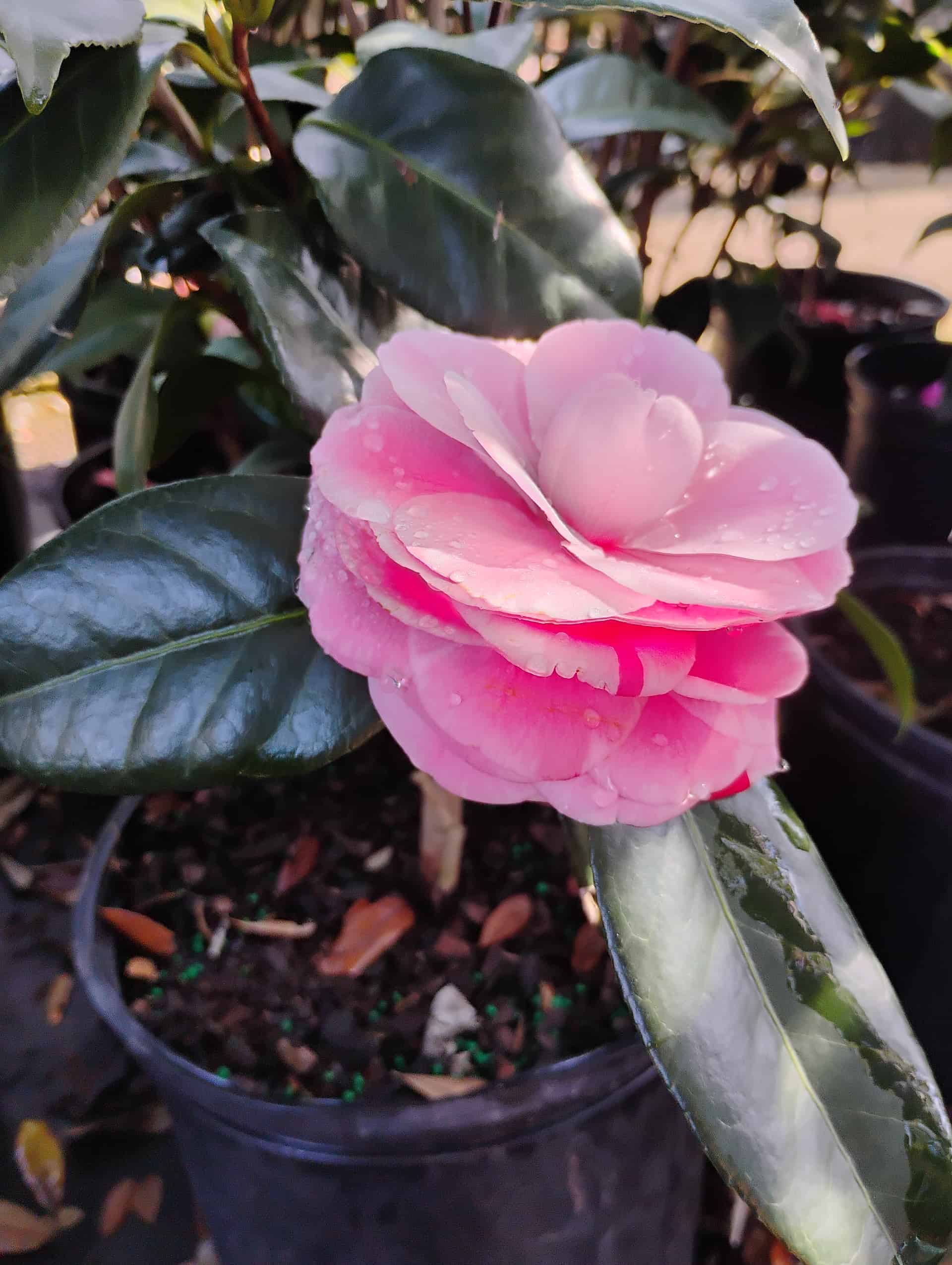
Camellia
Shares 6 of the same needs: shade, moderate water, sandy, salt tolerance, zone 9a hardiness, and pollinator-friendly.

Cuphea
Shares 6 of the same needs: full sun, moderate water, sandy, salt tolerance, zone 9a hardiness, and pollinator-friendly.
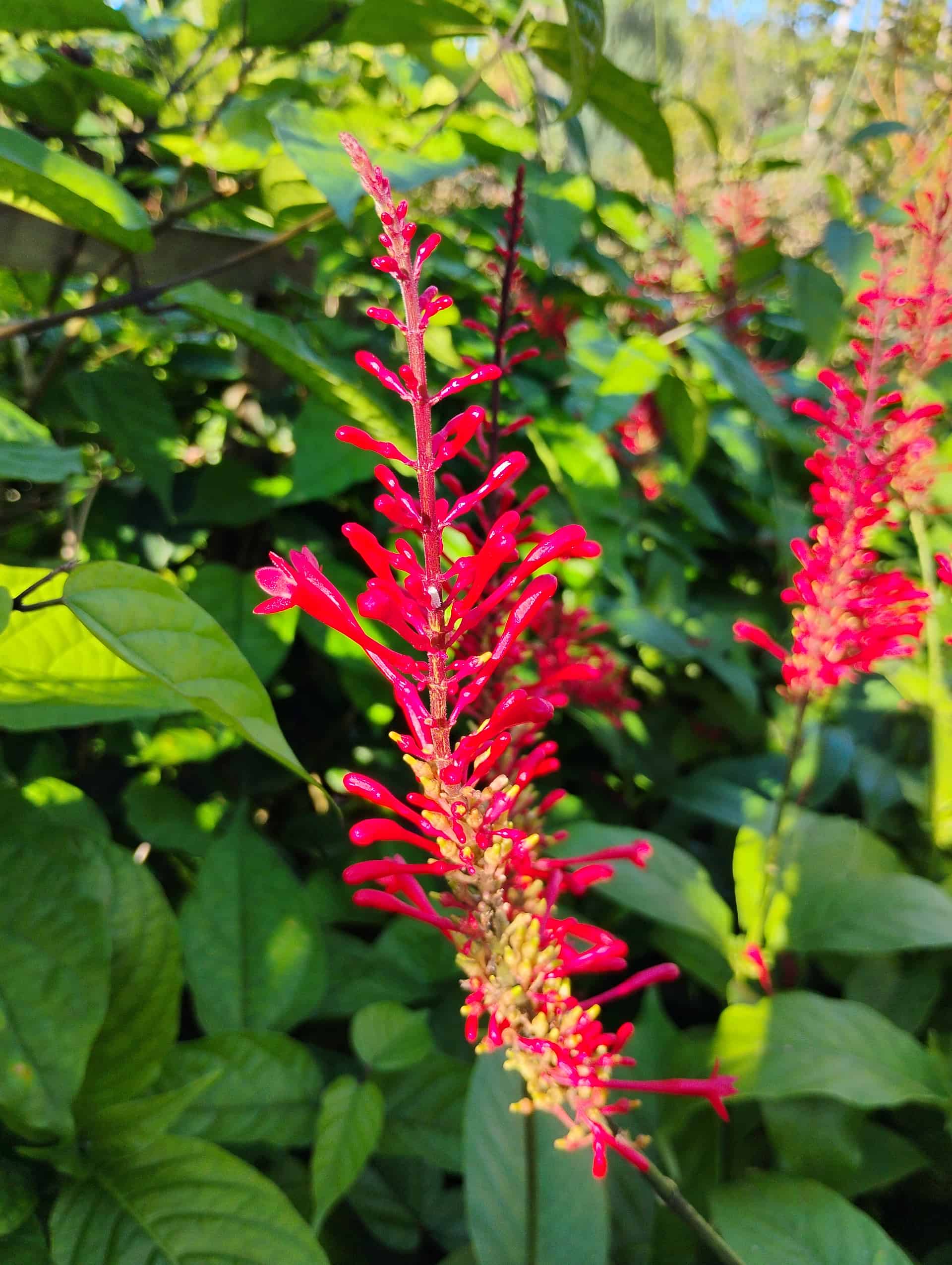
Firespike
Shares 6 of the same needs: full sun, moderate water, sandy, salt tolerance, zone 9a hardiness, and pollinator-friendly.
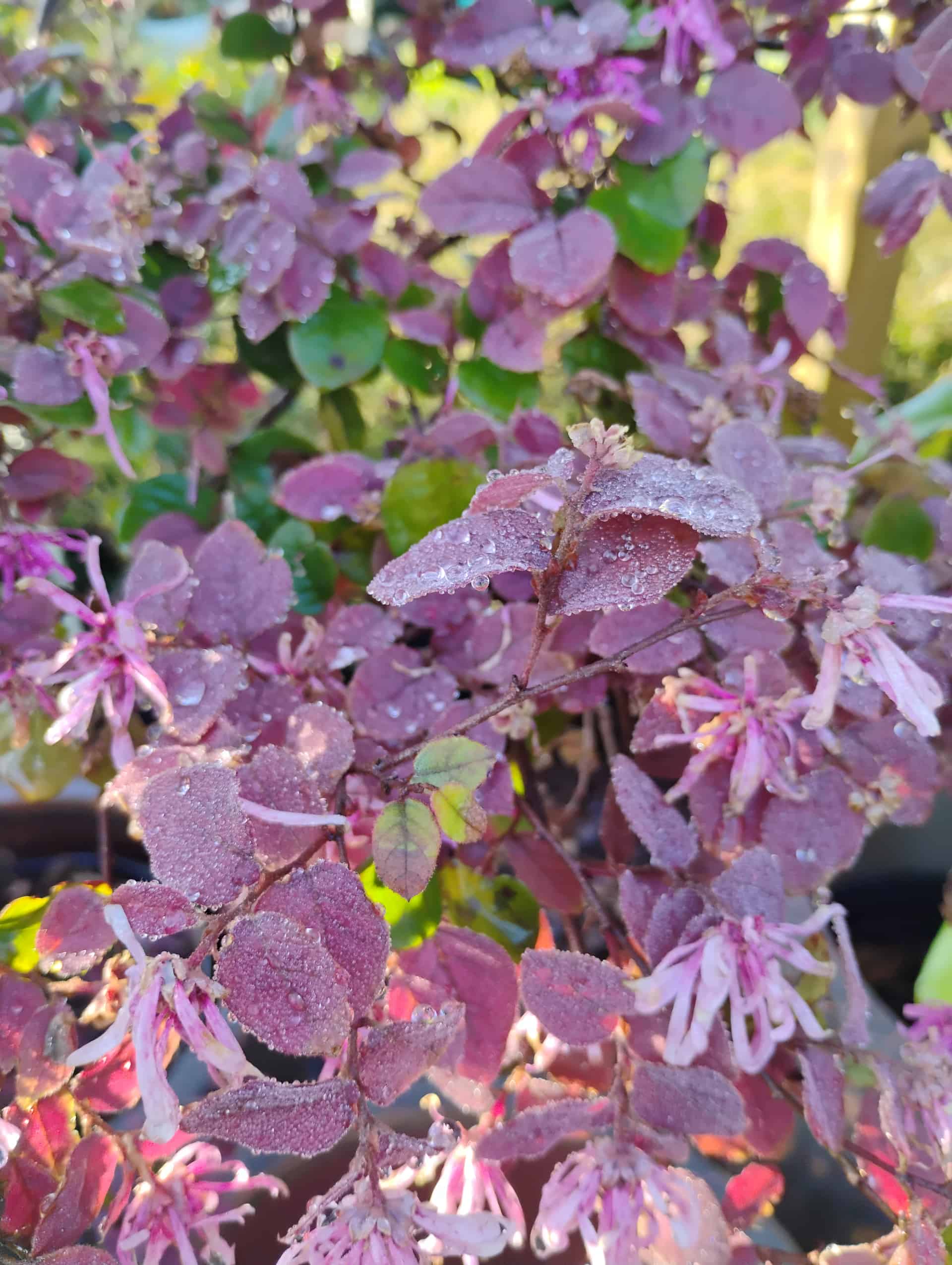
Loropetalum
Shares 6 of the same needs: full sun, moderate water, sandy, salt tolerance, zone 9a hardiness, and pollinator-friendly.

Photinia
Shares 6 of the same needs: full sun, moderate water, sandy, salt tolerance, zone 9a hardiness, and pollinator-friendly.

St. John's Wort
Shares 6 of the same needs: full sun, moderate water, sandy, salt tolerance, zone 9a hardiness, and pollinator-friendly.
You may also like
Common questions
Is Jasmine a good plant for St. Augustine?
Jasmine is a shrub. Mature size: 6-15 feet × 3-6 feet, varies by species and training. Light: Full Sun, Part Shade. Water needs: Moderate. Recorded hardiness zone: 9a. Recorded salt tolerance: low.
What is the recorded pet toxicity for Jasmine?
Non-toxic to dogs and cats
Care information verified from
Last reviewed February 2026. Our care guidance comes from trusted horticulture sources and decades of helping St. Augustine gardeners. Conditions here can vary dramatically from one area to the next, so come ask us and we'll tailor it to your yard.