
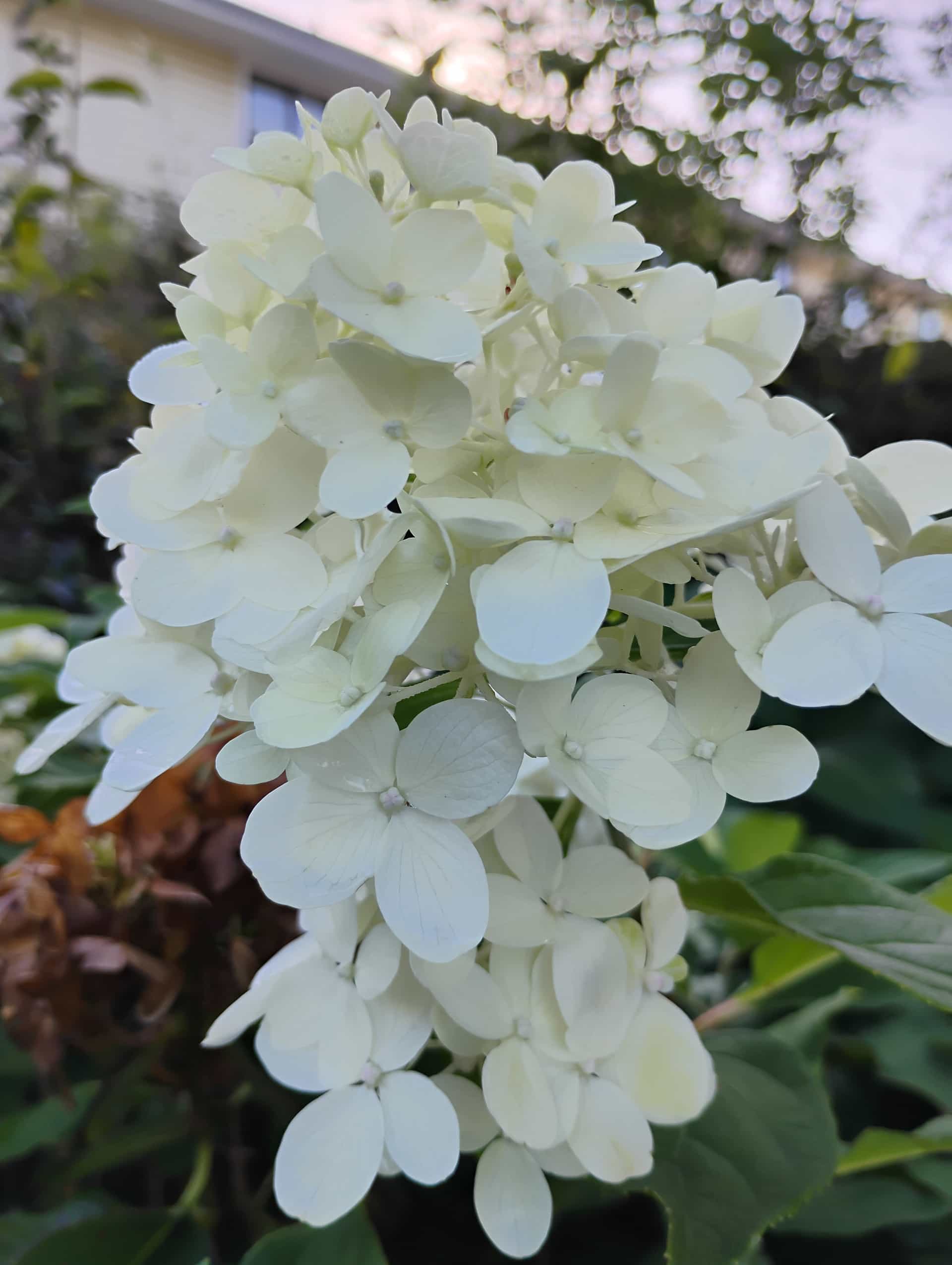
Varieties We Bring In
Penny Mac · Londontowne Blue · Blushing Bride · Summer Crush
Nikko Blue · Penny Mac · Li'l Annie · Endless Summer Twist-n-Shout · Tara · Eclipse
Penny Mac · Summer Crush
Londontowne Blue
We received some Hydrangea on Jul 16, 2026.
We bring this in seasonally, so what is on the lot changes week to week. A received date shows when it last came in, not that it is here today.
Call (904) 471-0440 to confirm this plant and size before you make the trip.
Last received Jul 16, 2026.
We bring this in seasonally, so what is on the lot changes week to week. A received date shows when it last came in, not that it is here today.
Call (904) 471-0440 to confirm this plant and size before you make the trip.
Pet toxicity: Toxic to dogs and cats
Pet safety guideAbout Hydrangea
Bigleaf Hydrangea (Hydrangea macrophylla) is a deciduous flowering shrub native to Japan, famous for its large, rounded mophead or flat lacecap flower clusters in shades of blue, pink, purple, and white. Flower color is influenced by soil pH, with acidic soils producing blue tones and alkaline soils producing pink.
Plant details
- Bloom Season
- Spring, Summer
- Flower Color
- White, Pink, Purple, Blue
- Growth Rate
- Moderate
- Foliage
- Deciduous
- Soil
- Loam, Acidic, Well-drained
Best planting months
Recommended months: March, April, May, October, November.
Seasonal care
Bloom season. New foliage emerges. Good planting window.
Bloom season. Higher water demand in summer heat.
Foliage may begin to change or drop. Ideal planting window.
Dormant — drops foliage.
Care essentials
Provide morning sun and afternoon shade in NE Florida — direct afternoon sun combined with summer heat stresses plants and reduces flowering. East- or north-facing exposures work best.
Keep soil consistently moist but well-drained; do not allow to dry out between waterings. Avoid overhead irrigation to reduce foliar disease — water at the base. Expect afternoon wilt on hot days; check soil moisture before irrigating.
Plant in rich, moist, well-drained, slightly acidic soil amended with compost. In NE Florida's sandy soils, incorporate organic matter before planting. Fertilize in spring and early summer with a balanced slow-release fertilizer; avoid late-season feeding.
Similar needs
Fargesia Bamboo
Shares 3 of the same needs: similar light, high water, and loam.
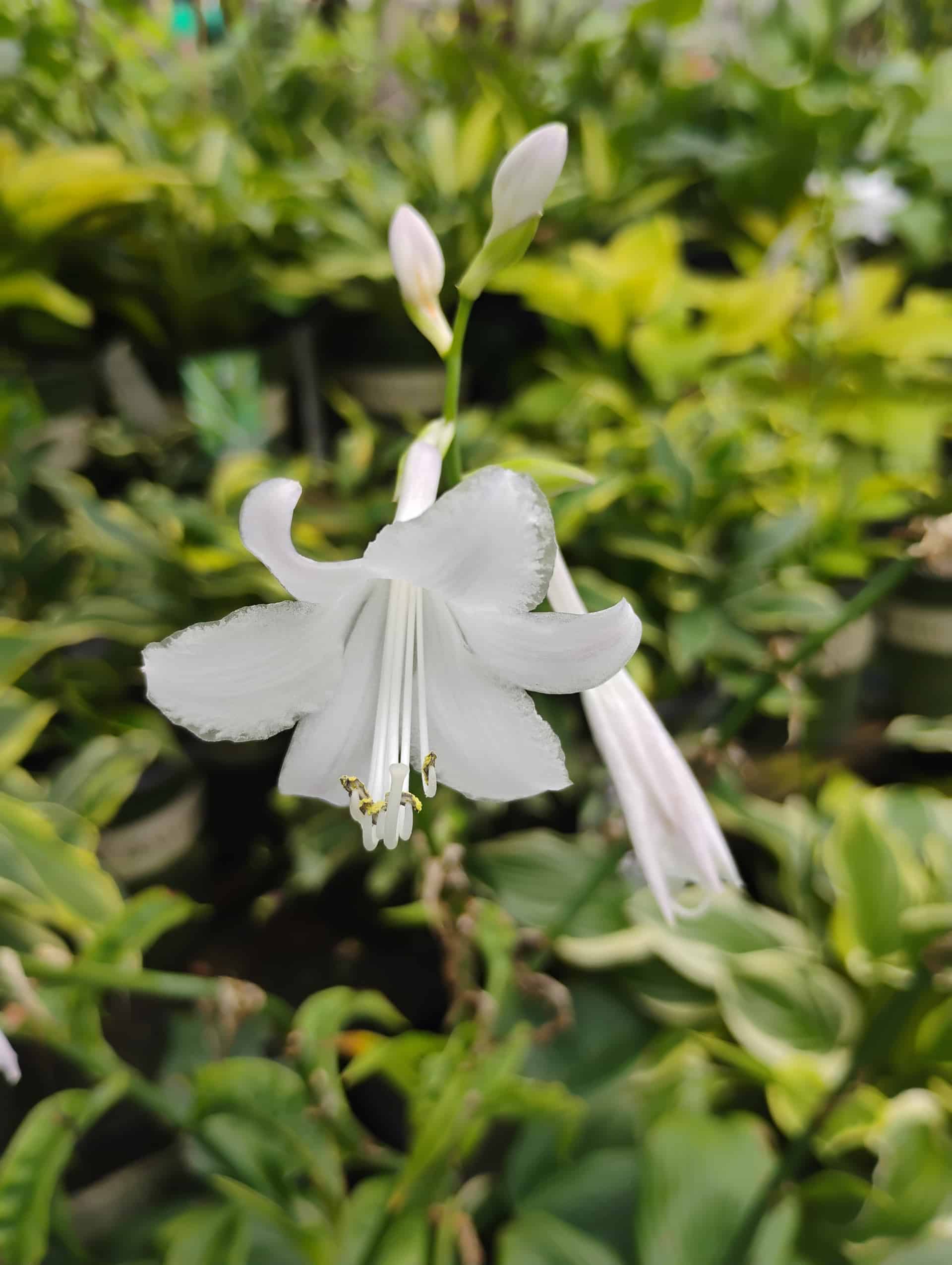
Hosta
Shares 5 of the same needs: high water, loam, salt tolerance, zone 9a hardiness, and pollinator-friendly.
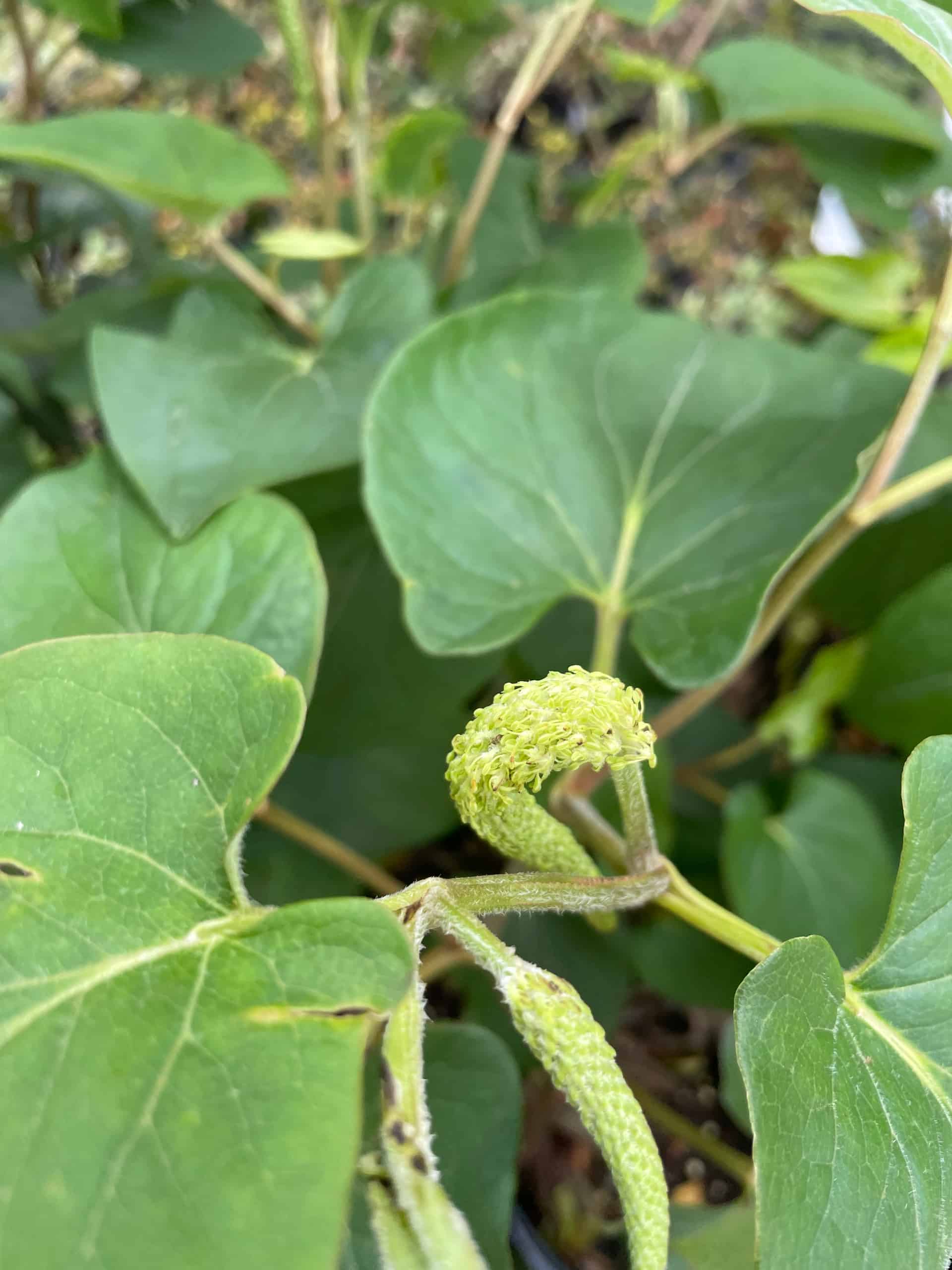
Lizard's Tail
Shares 5 of the same needs: high water, loam, salt tolerance, zone 9a hardiness, and pollinator-friendly.

Lobster Claw
Shares 5 of the same needs: high water, loam, salt tolerance, zone 9a hardiness, and pollinator-friendly.
Baby Tears
Shares 4 of the same needs: high water, loam, salt tolerance, and zone 9a hardiness.
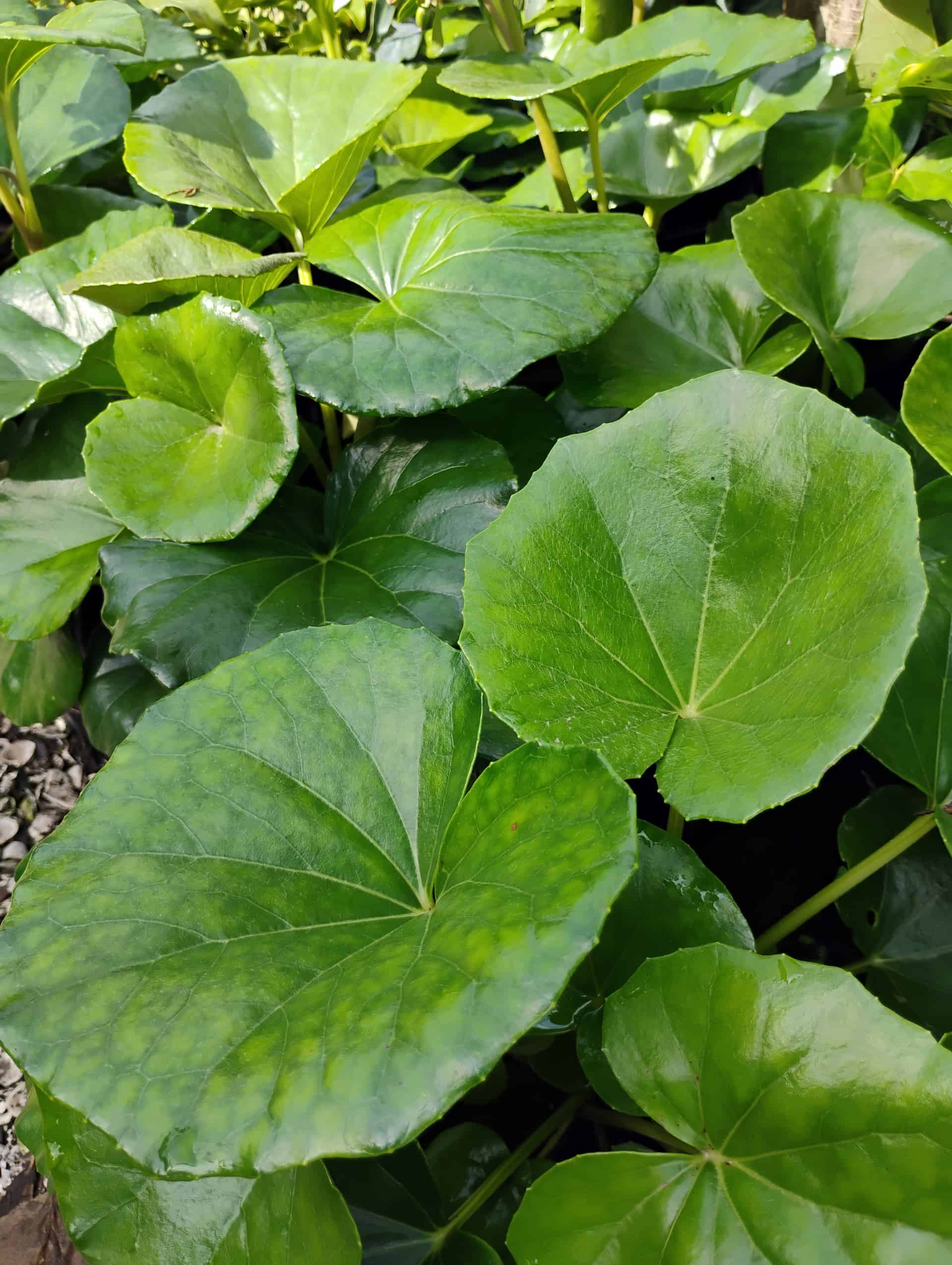
Leopard Plant
Shares 4 of the same needs: high water, loam, salt tolerance, and zone 9a hardiness.
You may also like
Common questions
Is Hydrangea a good plant for St. Augustine?
Hydrangea is a shrub. Mature size: 3-8 feet × 3-8 feet (varies greatly by species). Light: Part Shade (morning sun, afternoon shade). Water needs: Moderate to High. Recorded hardiness zone: 9a. Recorded salt tolerance: low.
What is the recorded pet toxicity for Hydrangea?
Toxic to dogs and cats
Care information verified from
Last reviewed February 2026. Our care guidance comes from trusted horticulture sources and decades of helping St. Augustine gardeners. Conditions here can vary dramatically from one area to the next, so come ask us and we'll tailor it to your yard.