
Greek Oregano
Origanum vulgare subsp. hirtum
Traits
Varieties We Bring In
Last received Jul 19, 2026.
We bring this in seasonally, so what is on the lot changes week to week. A received date shows when it last came in, not that it is here today.
Call (904) 471-0440 to confirm this plant and size before you make the trip.
About Greek Oregano
Greek Oregano (Origanum vulgare subsp. hirtum) is the boldly aromatic culinary oregano prized in Mediterranean cooking, bearing small white flowers and intensely flavorful, hairy foliage. In NE Florida it grows year-round in full sun with excellent drainage, and is best propagated from cuttings to ensure culinary-grade plants. Starting at $2.99.
Plant details
- Bloom Season
- Summer
- Growth Rate
- Moderate
- Foliage
- Evergreen
- Soil
- Sandy, Loam, Well-drained
Care essentials
Plant Greek Oregano in full sun — at least 6–8 hours of direct sunlight daily. In NE Florida, full sun improves essential oil concentration and flavor; partial shade produces lush but bland foliage.
Water sparingly; allow soil to dry out between waterings. Greek Oregano is highly susceptible to root rot in wet or poorly drained soil — a common issue in NE Florida's rainy summers. Raised beds or containers improve drainage significantly.
Requires well-drained, sandy or loamy soil with pH 6.5–7.5; NE Florida's naturally sandy soils are well-suited with minimal amendment. Fertilize lightly once in spring with a balanced formula; excess nitrogen reduces flavor intensity. Propagate from cuttings or divisions to preserve culinary quality.
Similar needs
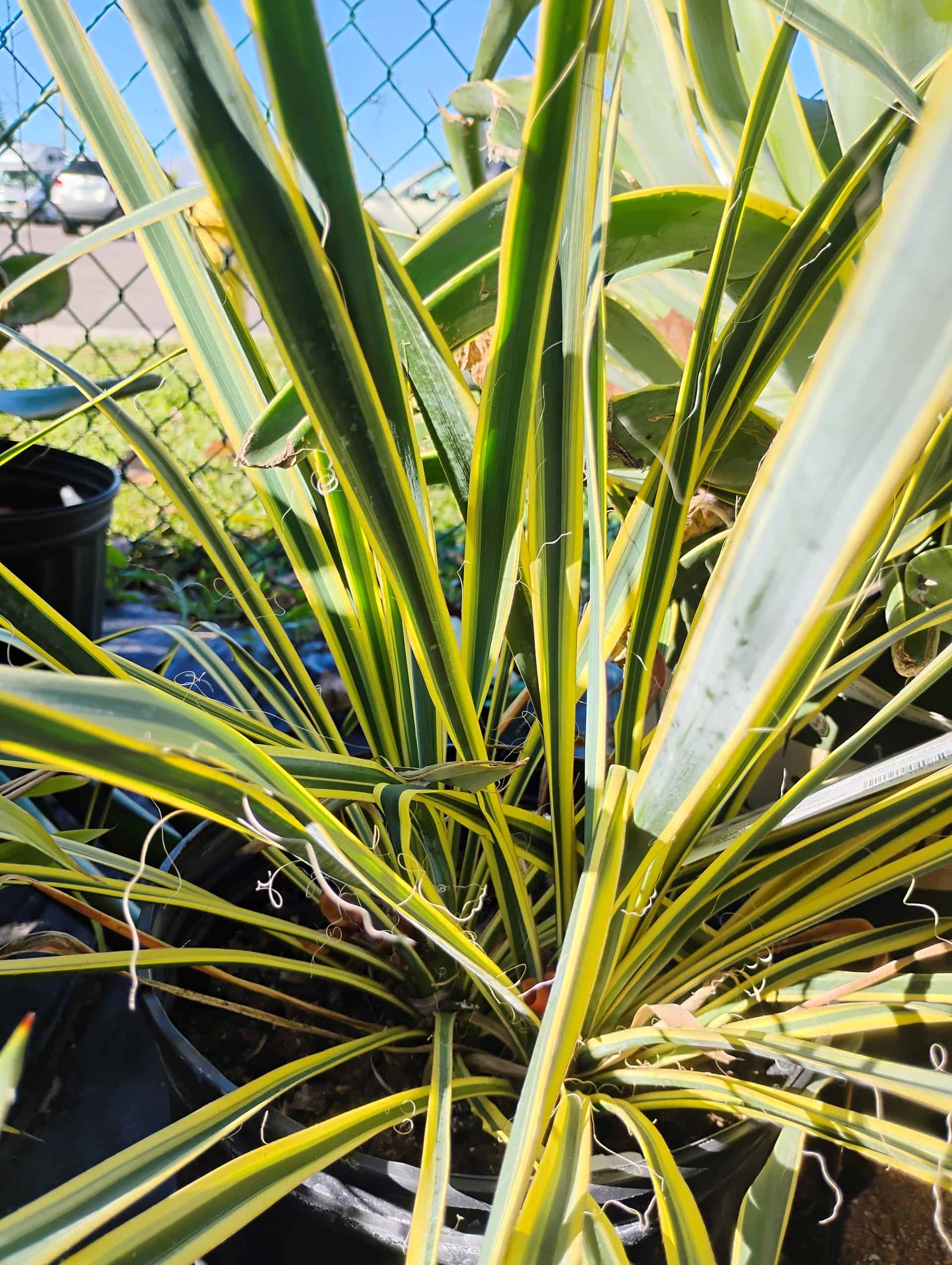
Adam's Needle
Shares 4 of the same needs: full sun, low water, sandy, and pollinator-friendly.
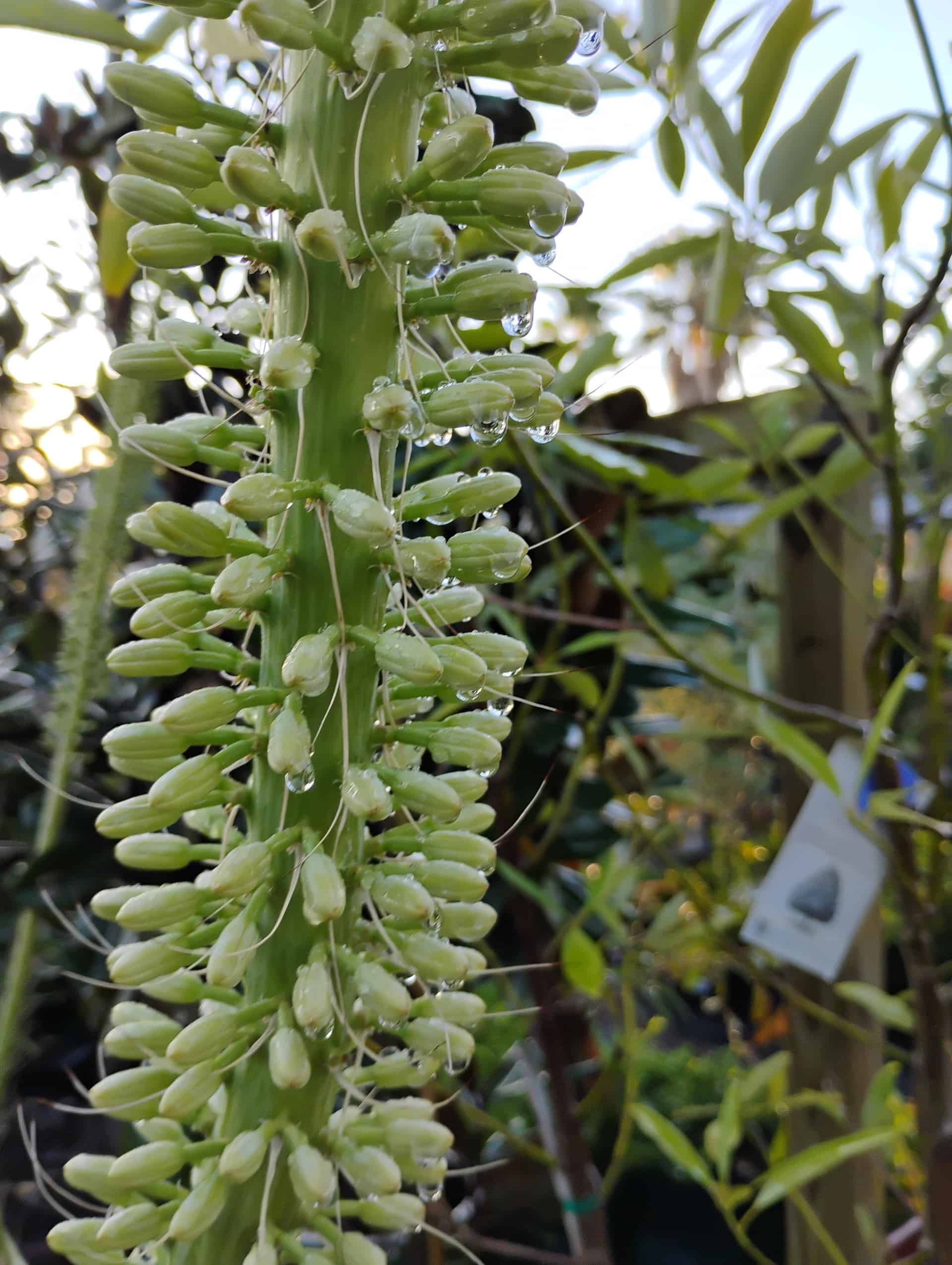
Agave
Shares 4 of the same needs: full sun, low water, sandy, and pollinator-friendly.
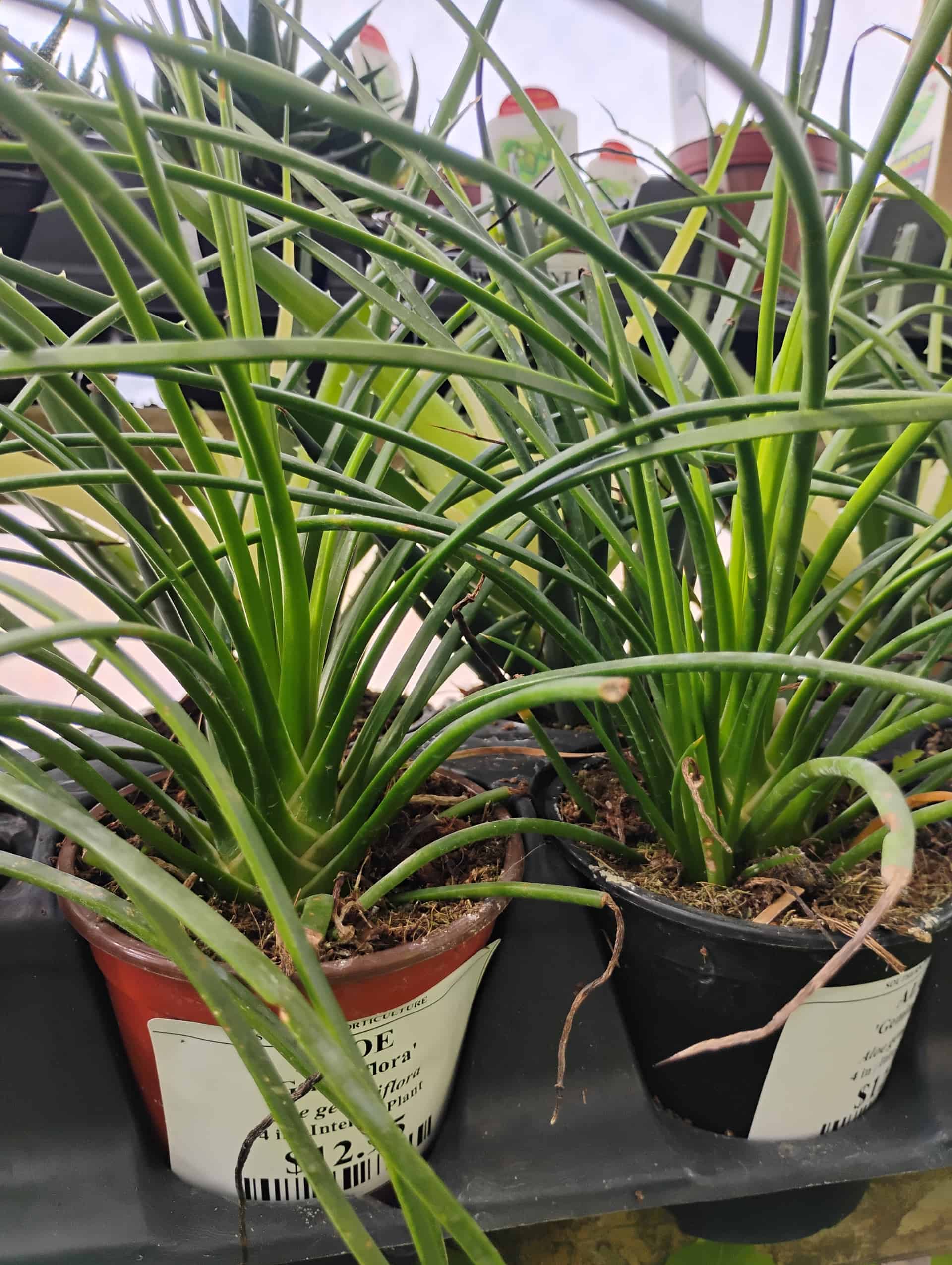
Aloe
Shares 4 of the same needs: full sun, low water, sandy, and pollinator-friendly.
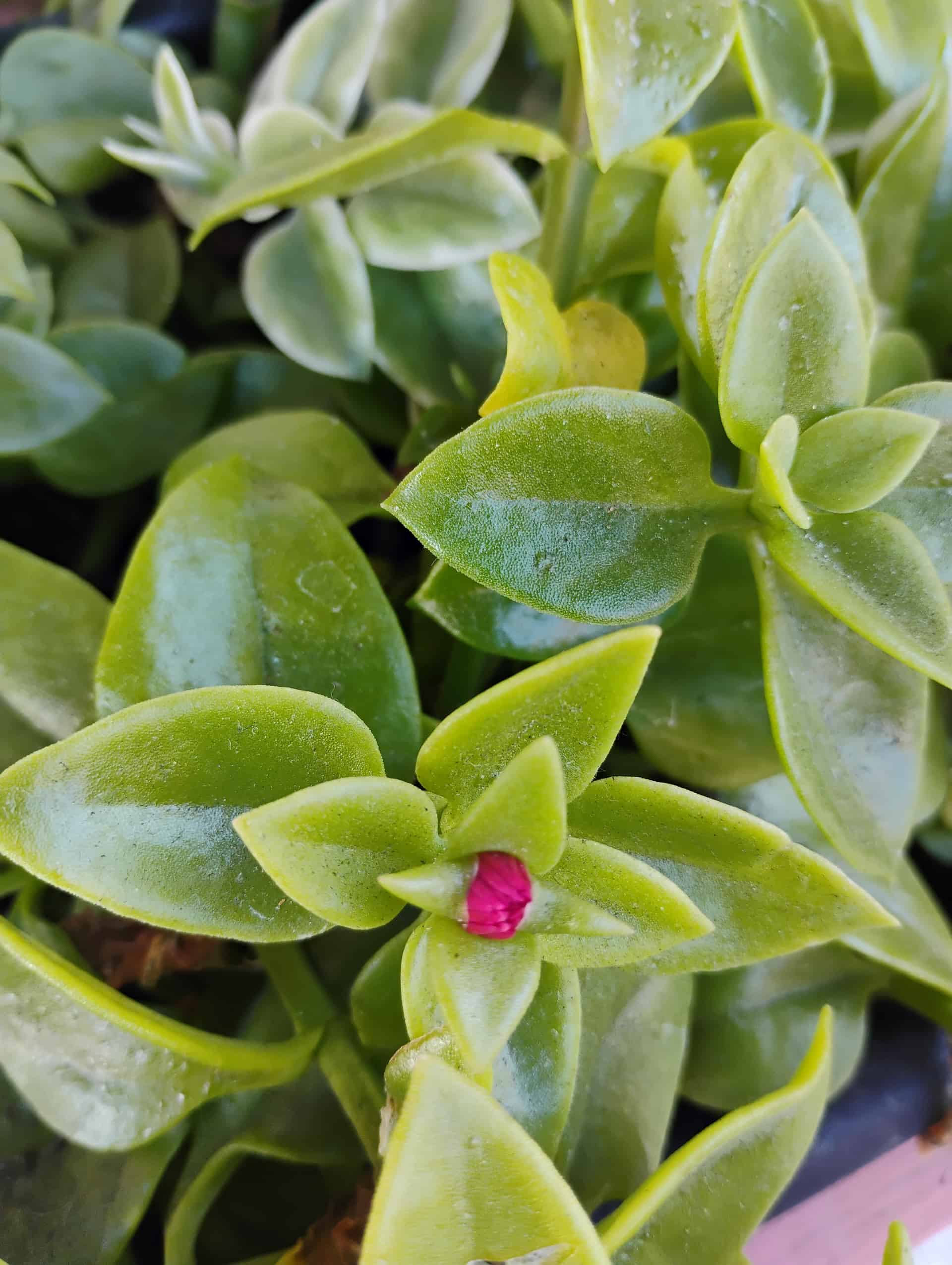
Baby Sun Rose
Shares 4 of the same needs: full sun, low water, sandy, and pollinator-friendly.
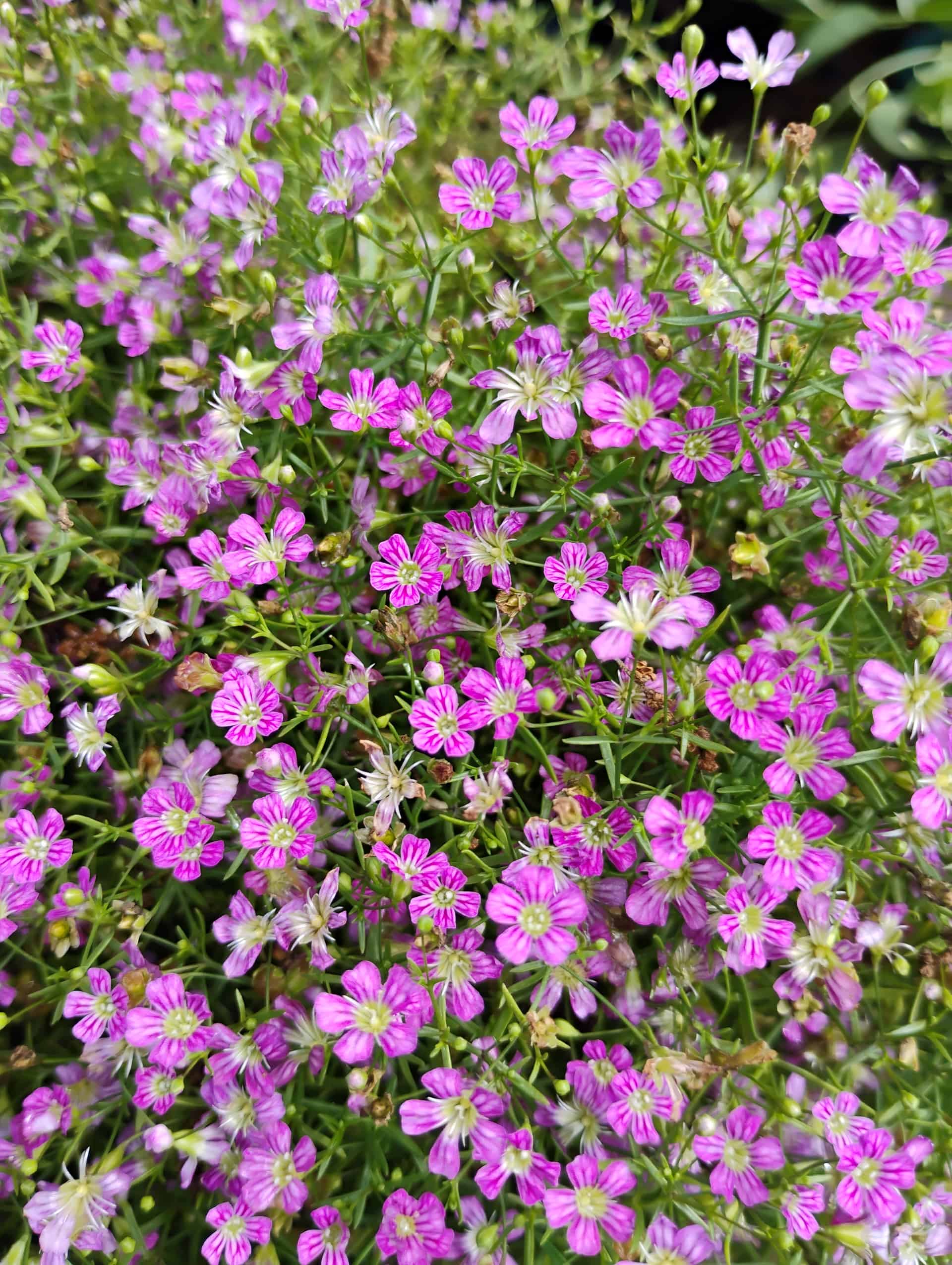
Baby's Breath
Shares 4 of the same needs: full sun, low water, sandy, and pollinator-friendly.
Bachelor's Button
Shares 4 of the same needs: full sun, low water, sandy, and pollinator-friendly.
Common questions
Is Greek Oregano a good plant for St. Augustine?
Greek Oregano is a plant for Zone 9b coastal Florida gardens, reaching 12-18 in × 12-18 in.