
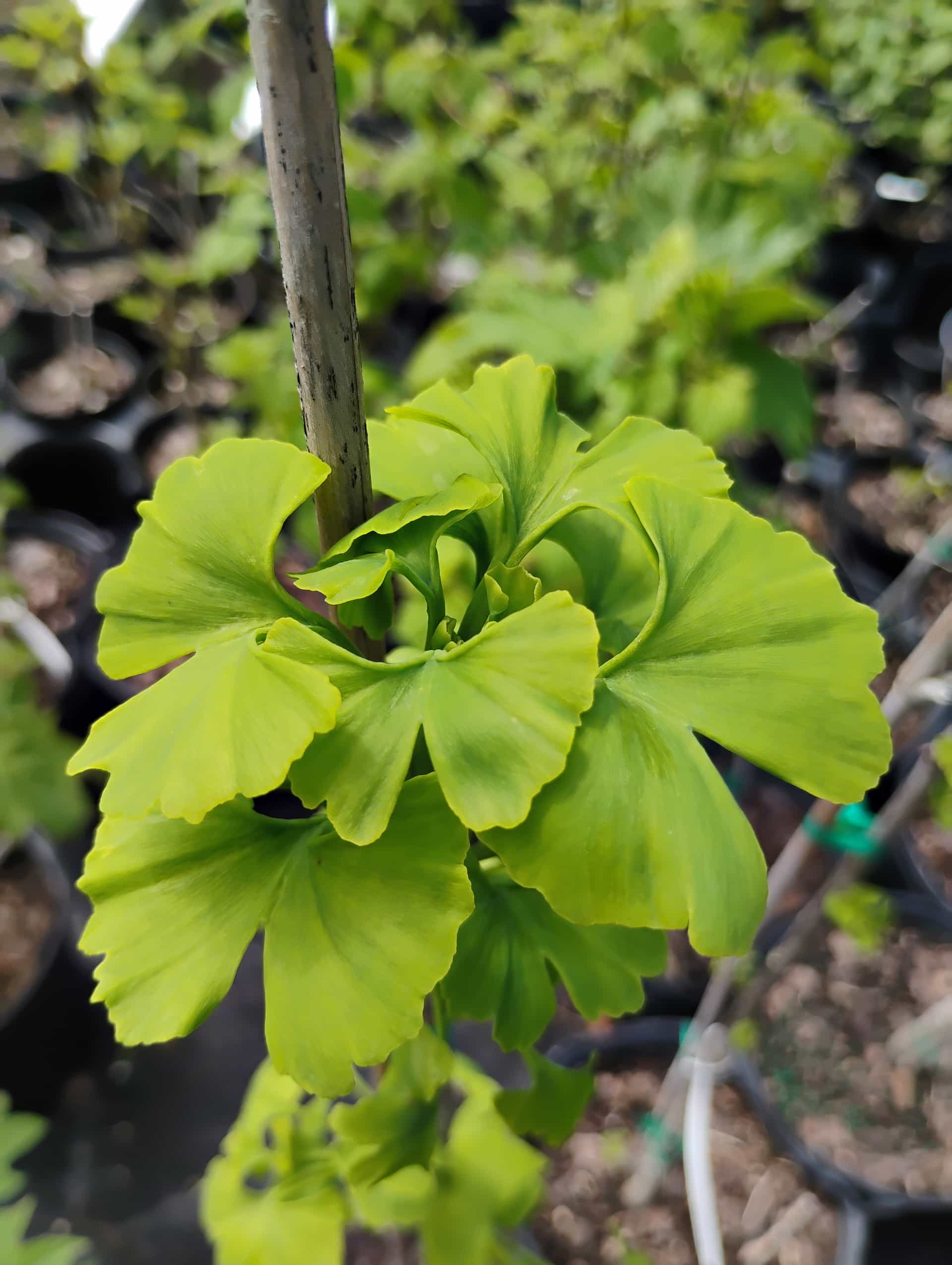
Ginkgo
Ginkgo biloba
Traits
Varieties We Bring In
Last received Jul 16, 2026.
We bring this in seasonally, so what is on the lot changes week to week. A received date shows when it last came in, not that it is here today.
Call (904) 471-0440 to confirm this plant and size before you make the trip.
About Ginkgo
Ginkgo (Ginkgo biloba) is a living fossil with no close living relatives, native to China, featuring distinctive fan-shaped leaves that turn brilliant golden-yellow in fall. Male trees are widely planted as urban street and specimen trees for their striking fall color, resilience, and ancient lineage stretching back over 200 million years. Starting at $24.95.
Plant details
- Bloom Season
- Spring
- Flower Color
- Non-flowering
- Growth Rate
- Slow
- Foliage
- Deciduous
- Soil
- Sandy, Loam, Clay, Well-drained
Best planting months
Seasonal care
Bloom season. New foliage emerges. Good planting window.
Active growing season.
Foliage may begin to change or drop. Ideal planting window.
Dormant — drops foliage. Can be planted in mild winter periods.
Care essentials
Plant in full sun for best growth and fall color; Ginkgo tolerates urban heat and compacted soils, making it suitable for street and specimen planting in north Florida.
Water regularly during the first two years to establish a deep root system; once established, Ginkgo is moderately drought-tolerant and can persist on rainfall alone in zone 9b.
Adaptable to most well-drained soils including sandy and clay-based Florida soils; apply a balanced slow-release fertilizer in spring if growth is sluggish, and avoid overwatering or poorly drained sites.
Similar needs
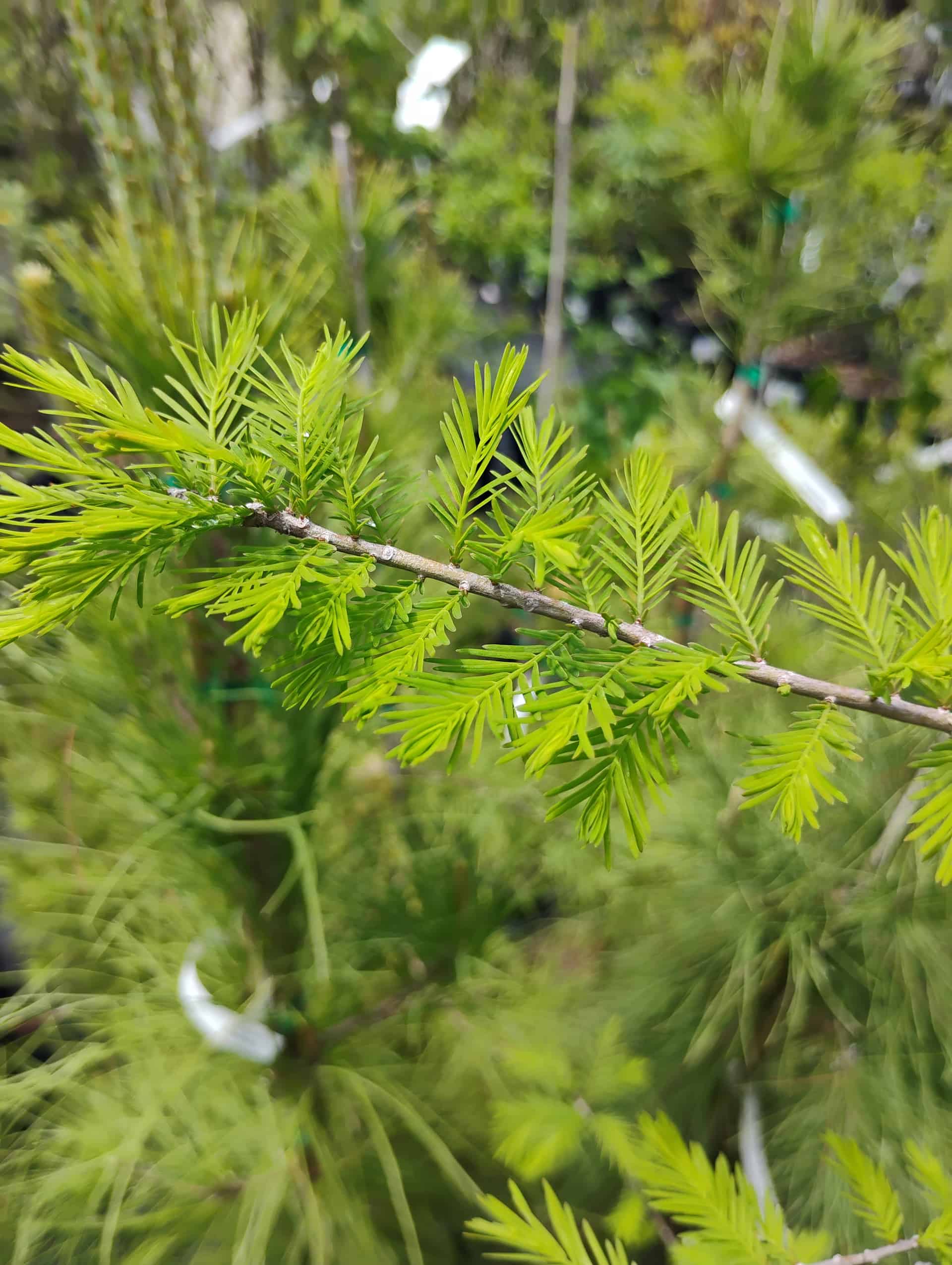
Bald Cypress
Shares 4 of the same needs: full sun, moderate water, sandy, and zone 9a hardiness.
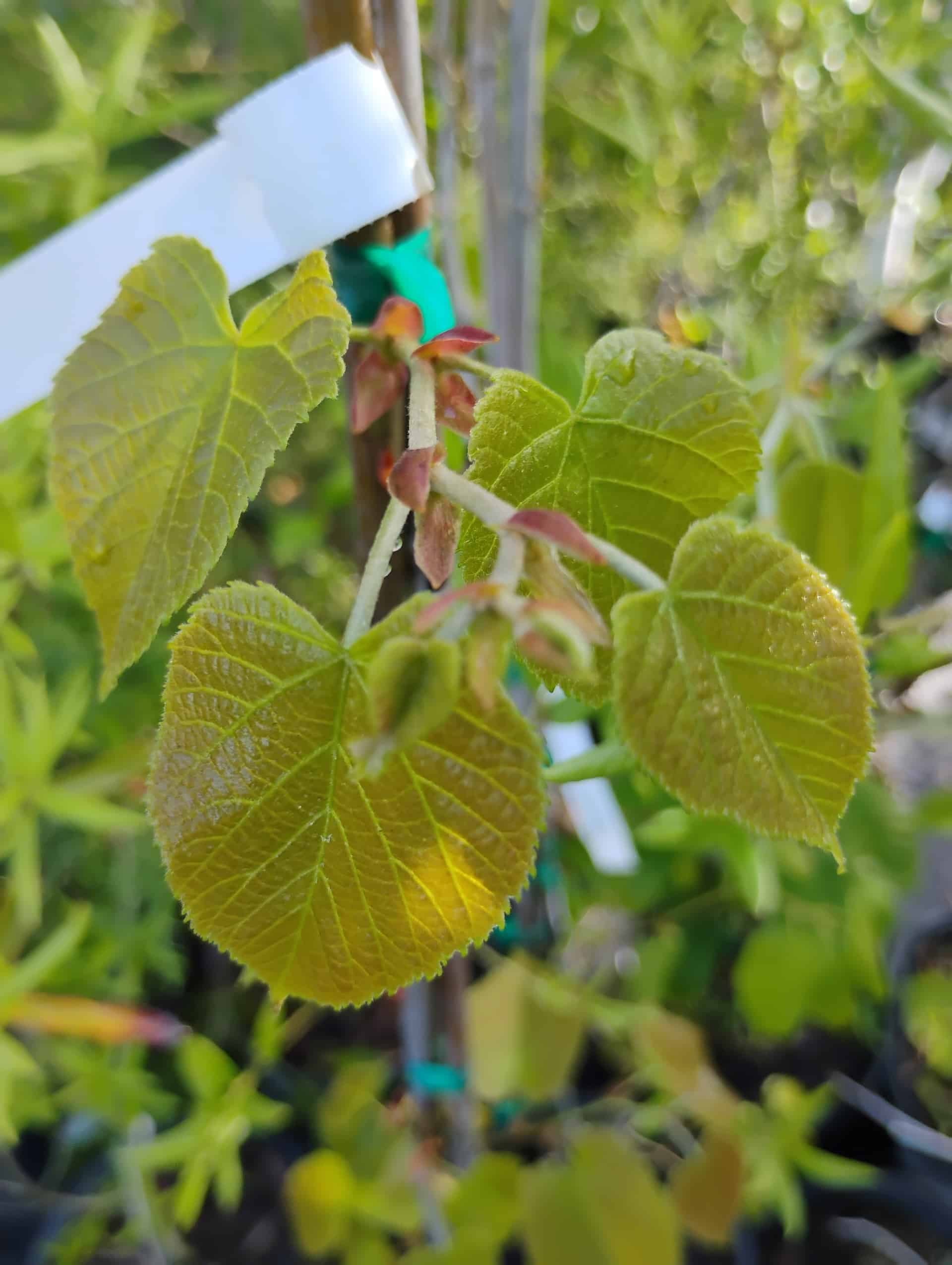
Basswood
Shares 4 of the same needs: full sun, moderate water, loam, and zone 9a hardiness.
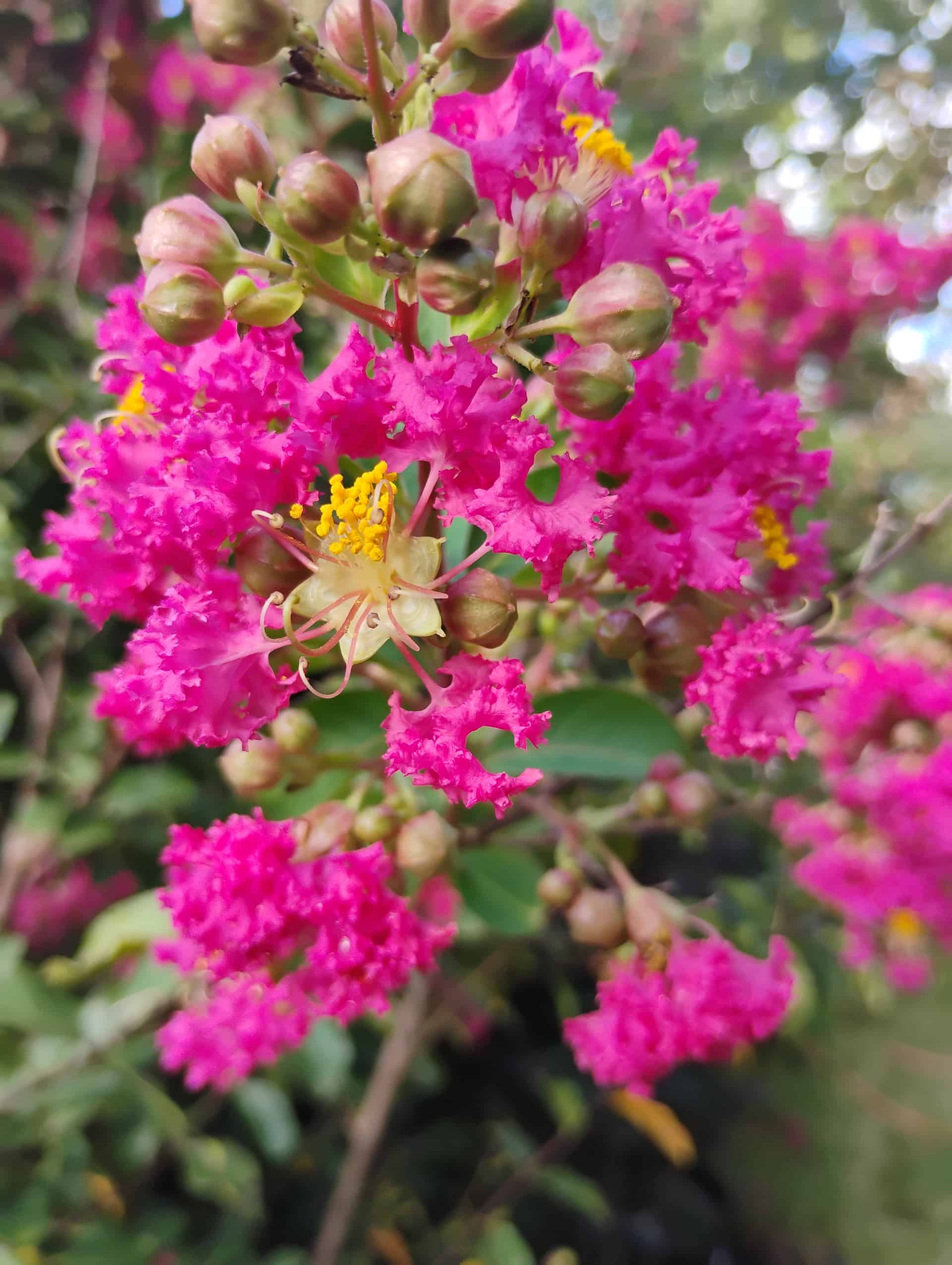
Crape Myrtle
Shares 4 of the same needs: full sun, moderate water, sandy, and zone 9a hardiness.
Elm
Shares 4 of the same needs: full sun, moderate water, sandy, and zone 9a hardiness.
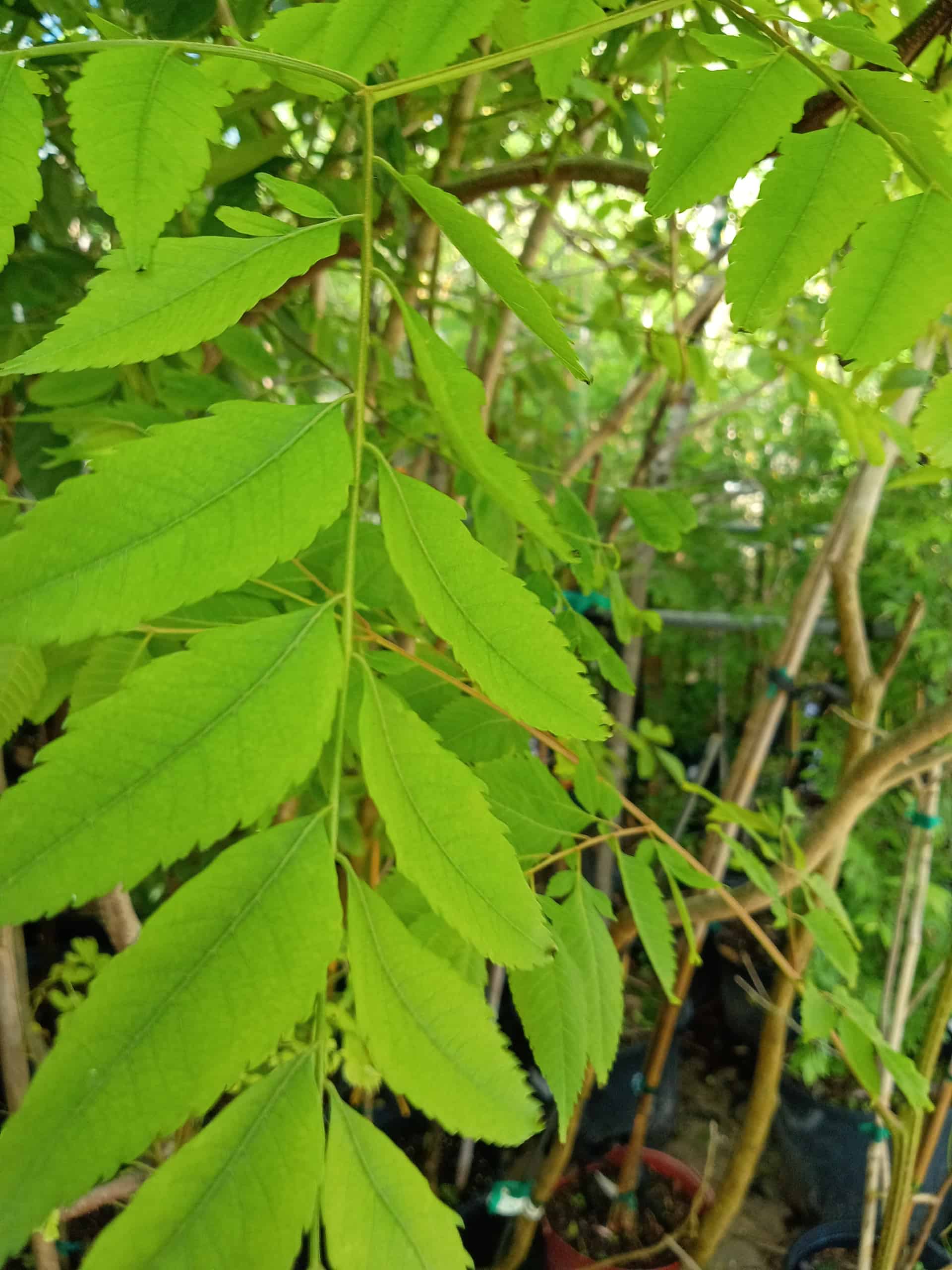
Golden Rain Tree
Shares 4 of the same needs: full sun, moderate water, sandy, and zone 9a hardiness.
Leyland Cypress
Shares 4 of the same needs: full sun, moderate water, sandy, and zone 9a hardiness.
You may also like
Common questions
Is Ginkgo a good plant for St. Augustine?
Ginkgo is a tree for Zone 9b coastal Florida gardens, reaching 50-80 feet × 30-40 feet.
Care information verified from
Last reviewed February 2026. Our care guidance comes from trusted horticulture sources and decades of helping St. Augustine gardeners. Conditions here can vary dramatically from one area to the next, so come ask us and we'll tailor it to your yard.