
Frostweed
Verbesina virginica
Varieties We Bring In
Last received Jul 19, 2026.
We bring this in seasonally, so what is on the lot changes week to week. A received date shows when it last came in, not that it is here today.
Call (904) 471-0440 to confirm this plant and size before you make the trip.
About Frostweed
Frostweed (Verbesina virginica) is a tall North American native perennial of the daisy family, bearing clusters of small white flowers from late summer through fall that are a critical late-season nectar source for migrating monarch butterflies and other pollinators. In winter, the stems split to produce ribbons of ice crystals around the base — the feature that gives the plant its common name. Native to open woodlands, roadsides, and disturbed areas across the southeastern United States. Starting at $6.95.
Plant details
- Bloom Season
- Late summer, Fall
- Flower Color
- White
- Growth Rate
- Fast
- Foliage
- Deciduous
- Soil
- Sandy, Loam, Well-drained, Moist
Best planting months
Seasonal care
New foliage emerges. Good planting window.
Active growing season.
Bloom season. Foliage may begin to change or drop. Ideal planting window.
Dormant — drops foliage.
Care essentials
Thrives in full sun to partial shade; afternoon shade in NE Florida helps prevent scorching and keeps plants more compact. More sun encourages more blooms and sturdier stems.
Prefers consistently moist, organically rich soil but tolerates short dry periods once established. Water regularly during establishment; reduce in winter dormancy. Stake or cage tall stems to prevent flopping.
Plant in moist, well-drained, organically amended soil. Established plants need no fertilizer; if desired, apply a balanced 10-10-10 fertilizer in April and July to encourage bloom. Mulch heavily to retain moisture.
Similar needs
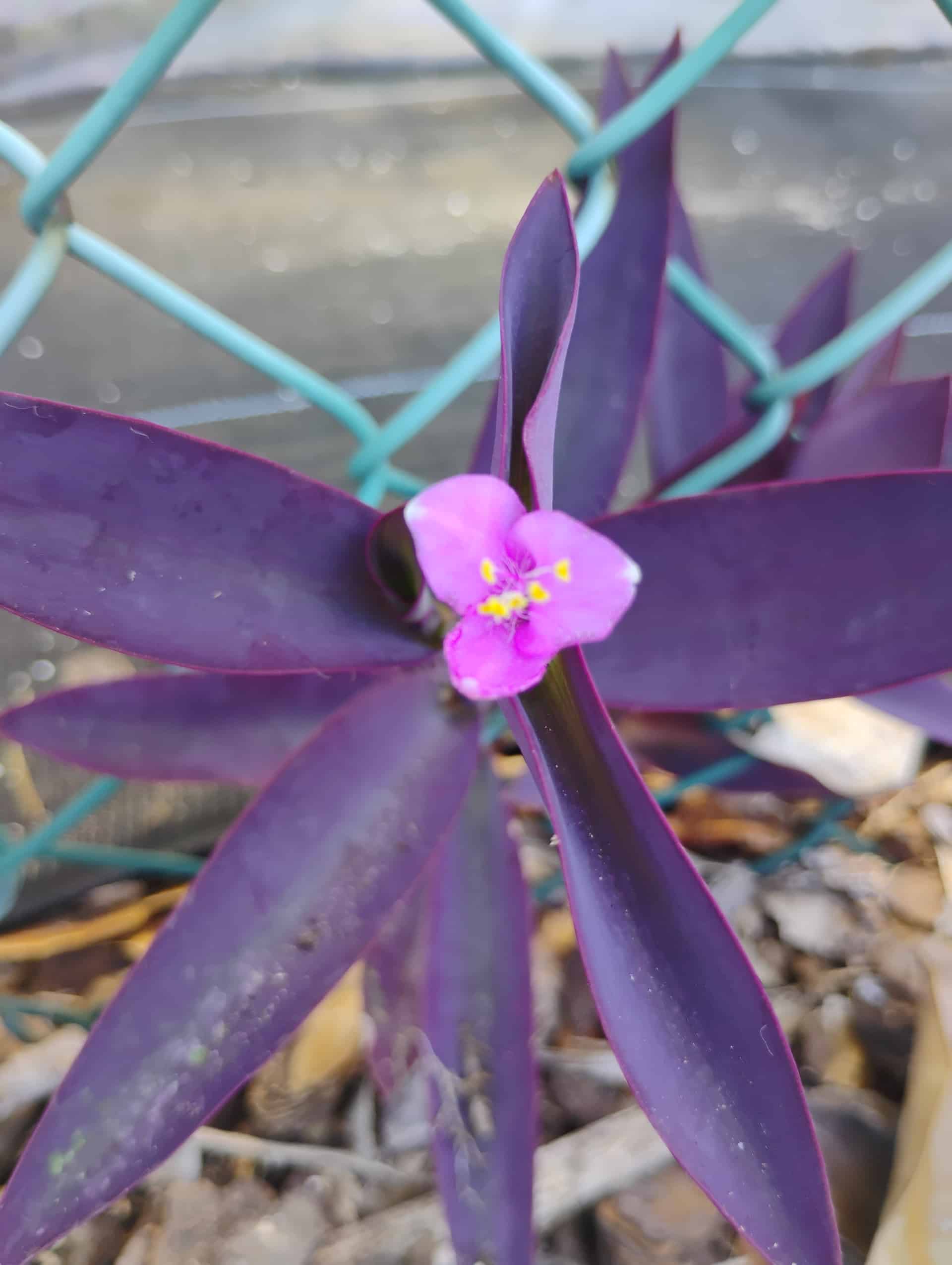
Spiderwort
Shares 5 of the same needs: full sun, moderate water, sandy, zone 9a hardiness, and pollinator-friendly.
Giant Apostle's Iris
Shares 4 of the same needs: full sun, moderate water, sandy, and pollinator-friendly.
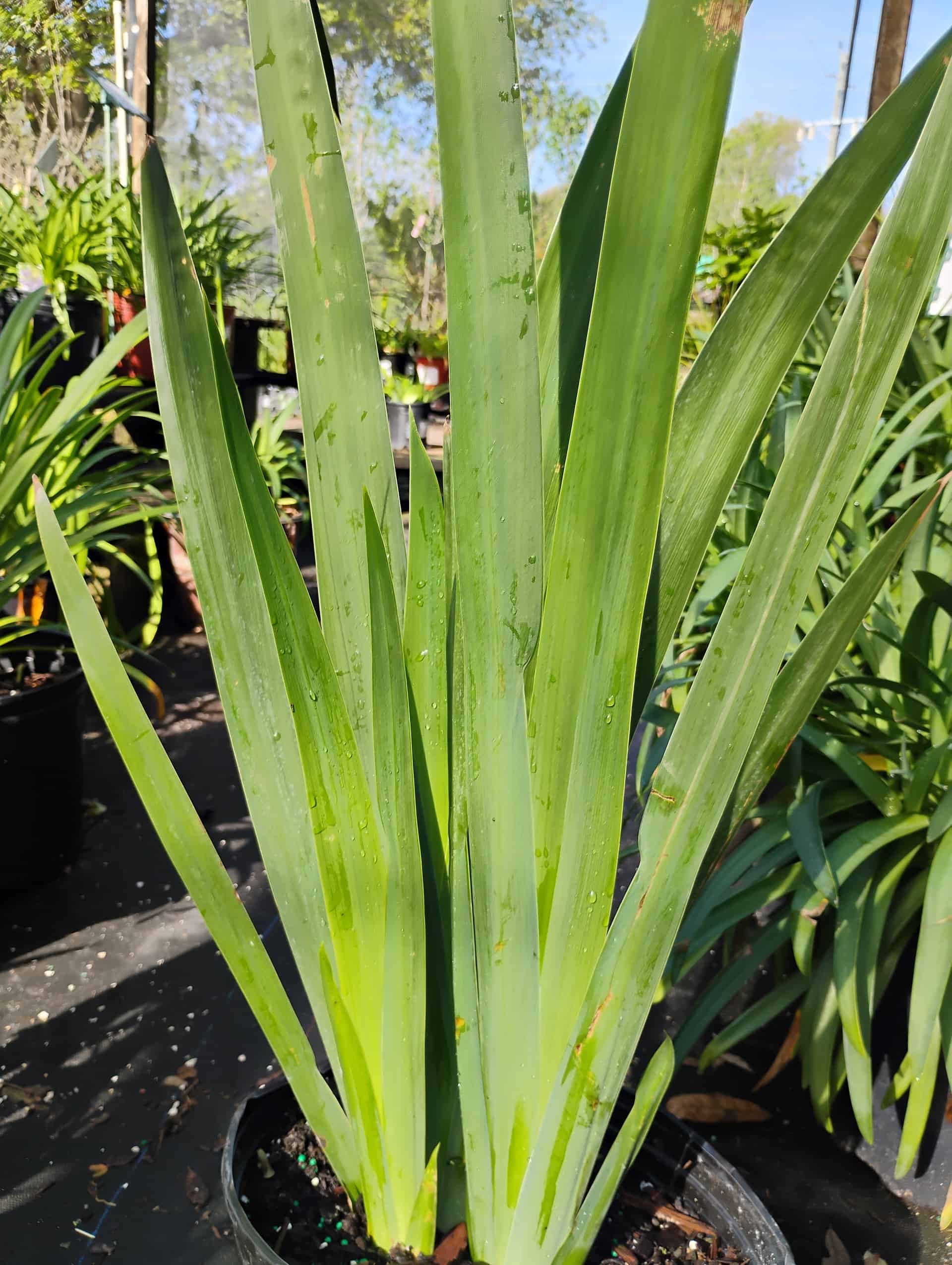
Walking Iris
Shares 4 of the same needs: similar light, moderate water, sandy, and zone 9a hardiness.
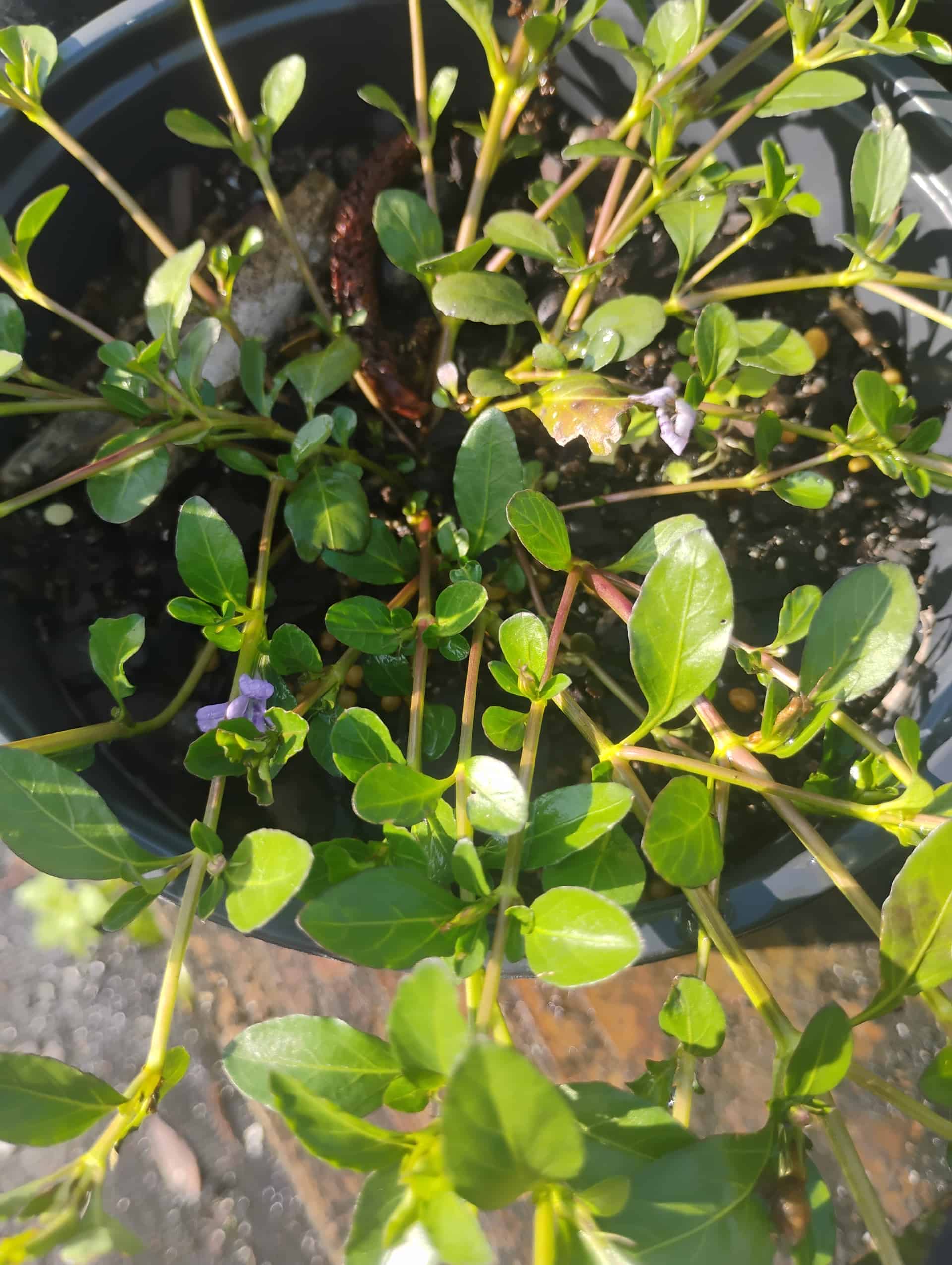
Swamp Twinflower
Shares 5 of the same needs: similar light, moderate water, sandy, zone 9a hardiness, and pollinator-friendly.
Sweetshrub
Shares 5 of the same needs: full sun, moderate water, loam, zone 9a hardiness, and pollinator-friendly.
Wildfire Black Gum
Shares 5 of the same needs: full sun, moderate water, sandy, zone 9a hardiness, and pollinator-friendly.
You may also like
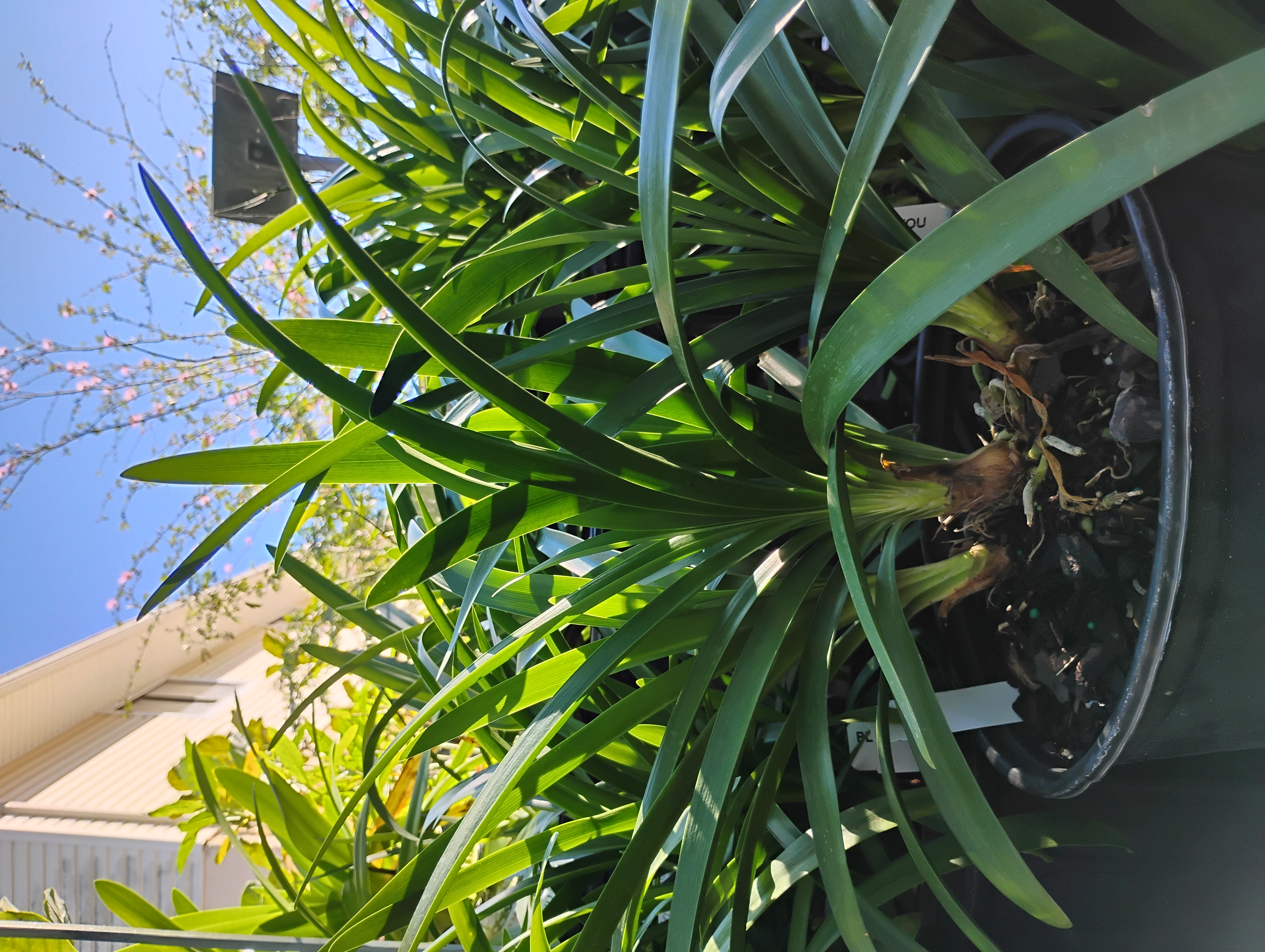 Perennial
Agapanthus
Agapanthus praecox
 Perennial
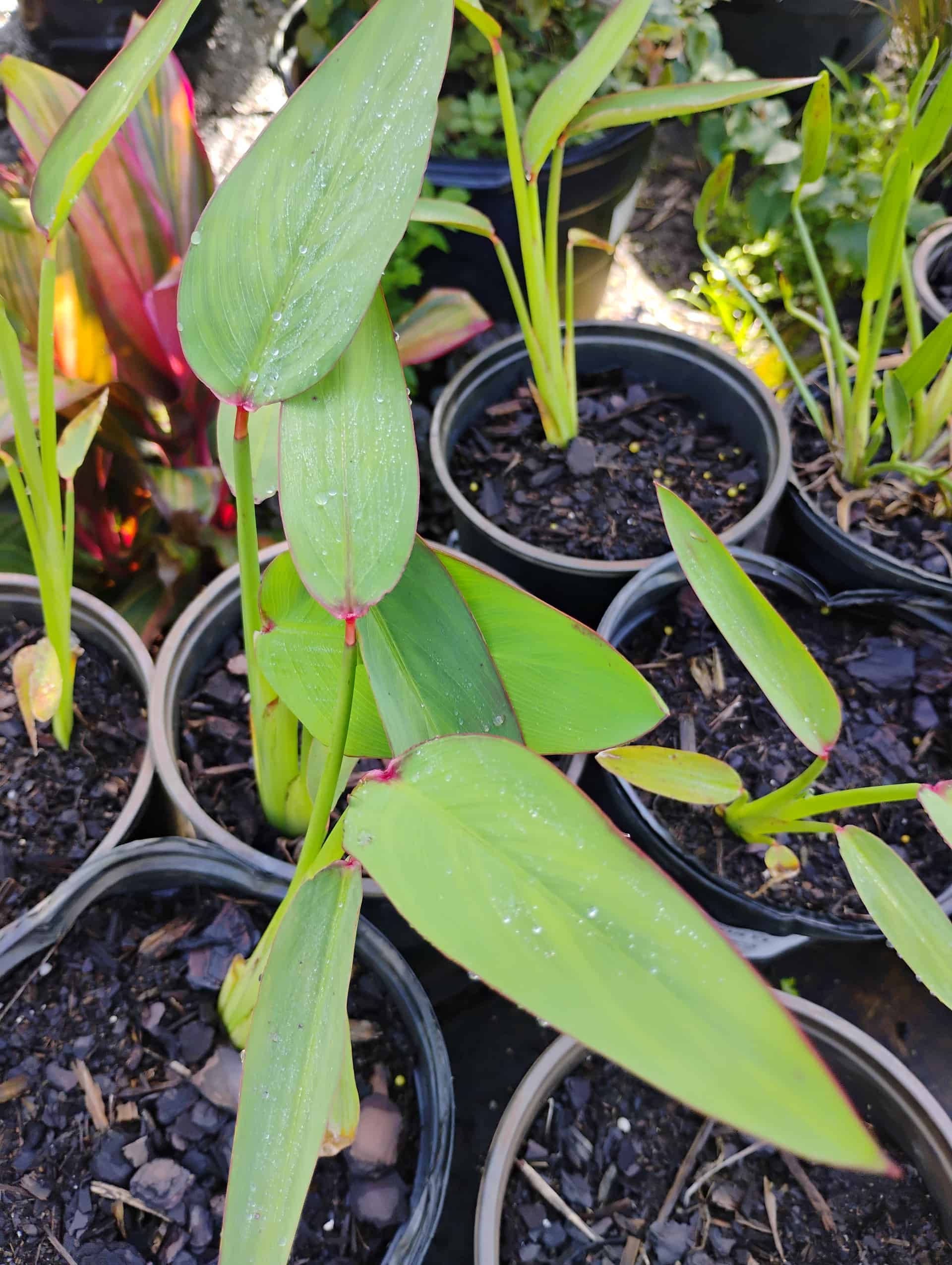
Alligator Flag
Thalia geniculata
 Perennial
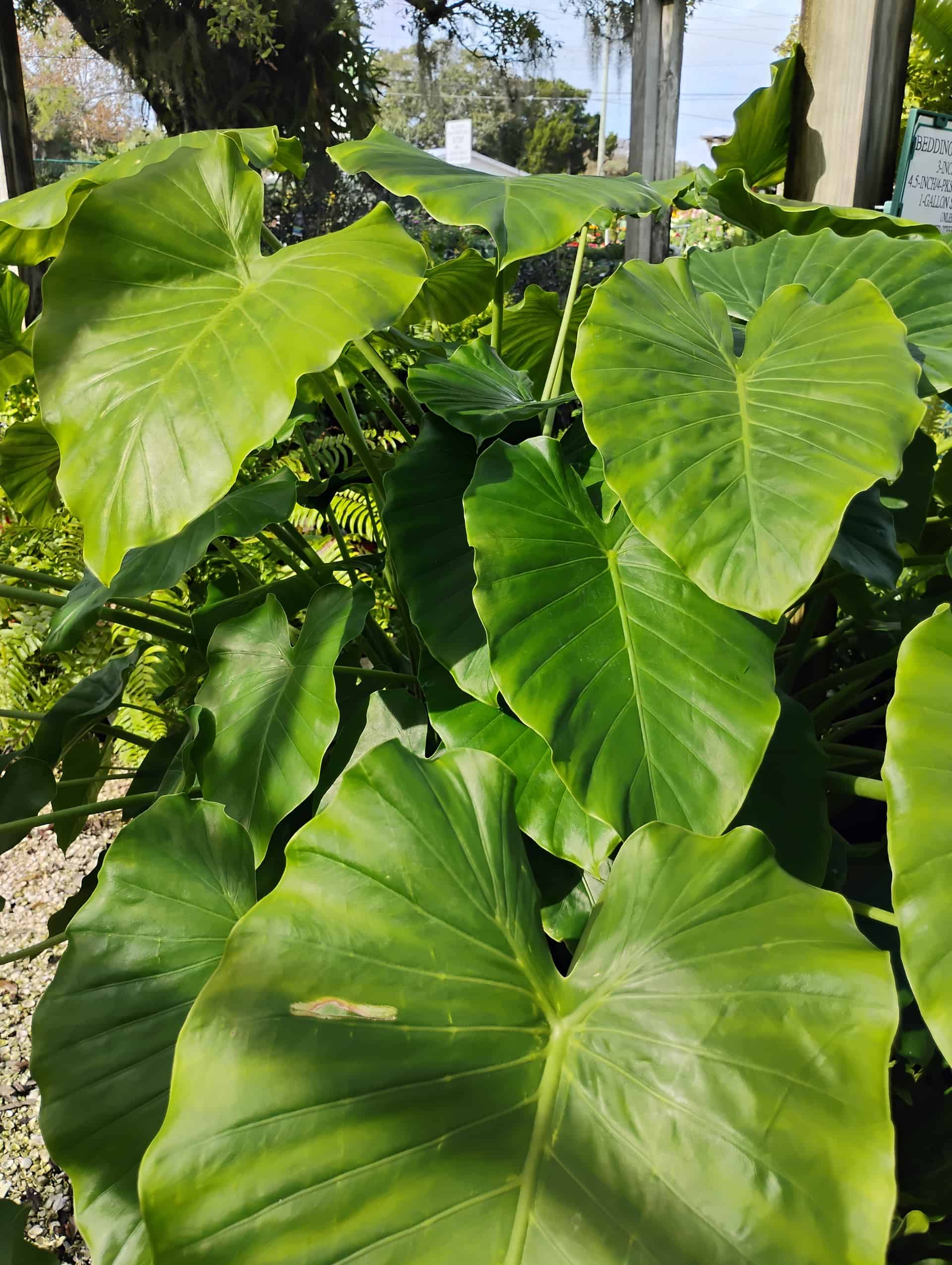
Alocasia
Alocasia
Common questions
Is Frostweed a good plant for St. Augustine?
Frostweed is a perennial for Zone 9b coastal Florida gardens, reaching 4-6 feet × 2-3 feet.
Care information verified from
Last reviewed February 2026. Our care guidance comes from trusted horticulture sources and decades of helping St. Augustine gardeners. Conditions here can vary dramatically from one area to the next, so come ask us and we'll tailor it to your yard.