
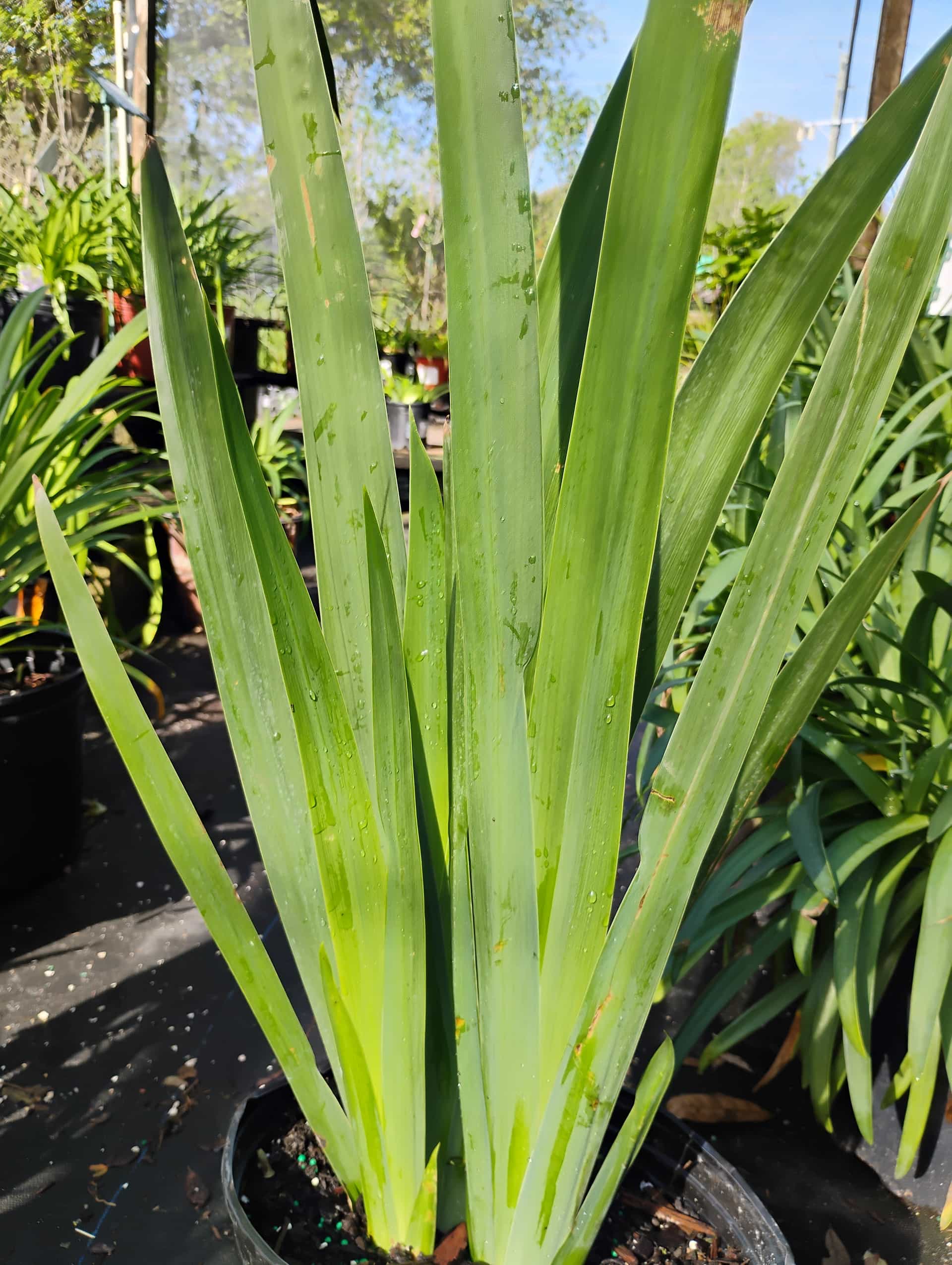
Walking Iris
Neomarica gracilis
Traits
Varieties We Bring In
Last received Jul 19, 2026.
We bring this in seasonally, so what is on the lot changes week to week. A received date shows when it last came in, not that it is here today.
Call (904) 471-0440 to confirm this plant and size before you make the trip.
About Walking Iris
A clumping herbaceous perennial with long, glossy, strap-like green leaves and delicate iris-like flowers in white with blue and brown markings that last only a day but appear in succession. New plantlets form at the tips of flower stalks, which arch to the ground and take root — earning it the name walking iris. Starting at $6.95.
Plant details
- Bloom Season
- Spring, Summer, Fall
- Flower Color
- White
- Growth Rate
- Moderate
- Foliage
- Evergreen
- Soil
- Sandy, Loam, Well-drained, Moist
Care essentials
Grow in partial sun to partial shade; avoid harsh direct afternoon sun which causes leaf yellowing. Dappled shade under trees or morning sun with afternoon shade is ideal in NE Florida's hot, humid climate.
Keep soil evenly moist, especially during establishment and summer heat. Walking iris tolerates brief dry periods but performs best with consistent moisture. Mulch well to retain soil moisture in sandy NE Florida soils.
Plant in rich, humusy, well-draining soil. In NE Florida's sandy soils, amend generously with compost at planting. Fertilize monthly during the growing season with a balanced liquid fertilizer to sustain vigorous growth and prolific blooming.
Similar needs
Frostweed
Shares 4 of the same needs: similar light, moderate water, sandy, and zone 9a hardiness.
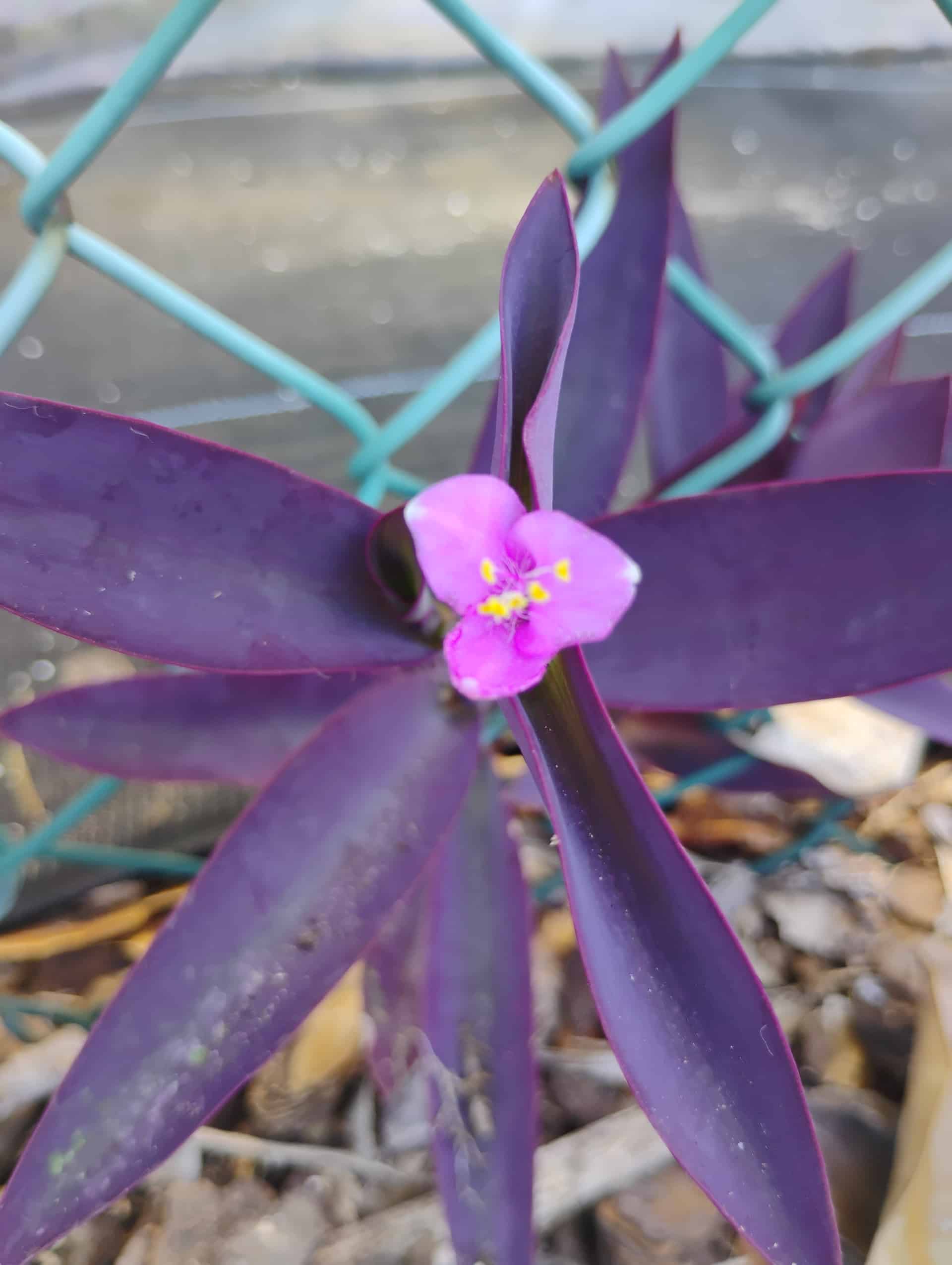
Spiderwort
Shares 4 of the same needs: shade, moderate water, sandy, and zone 9a hardiness.
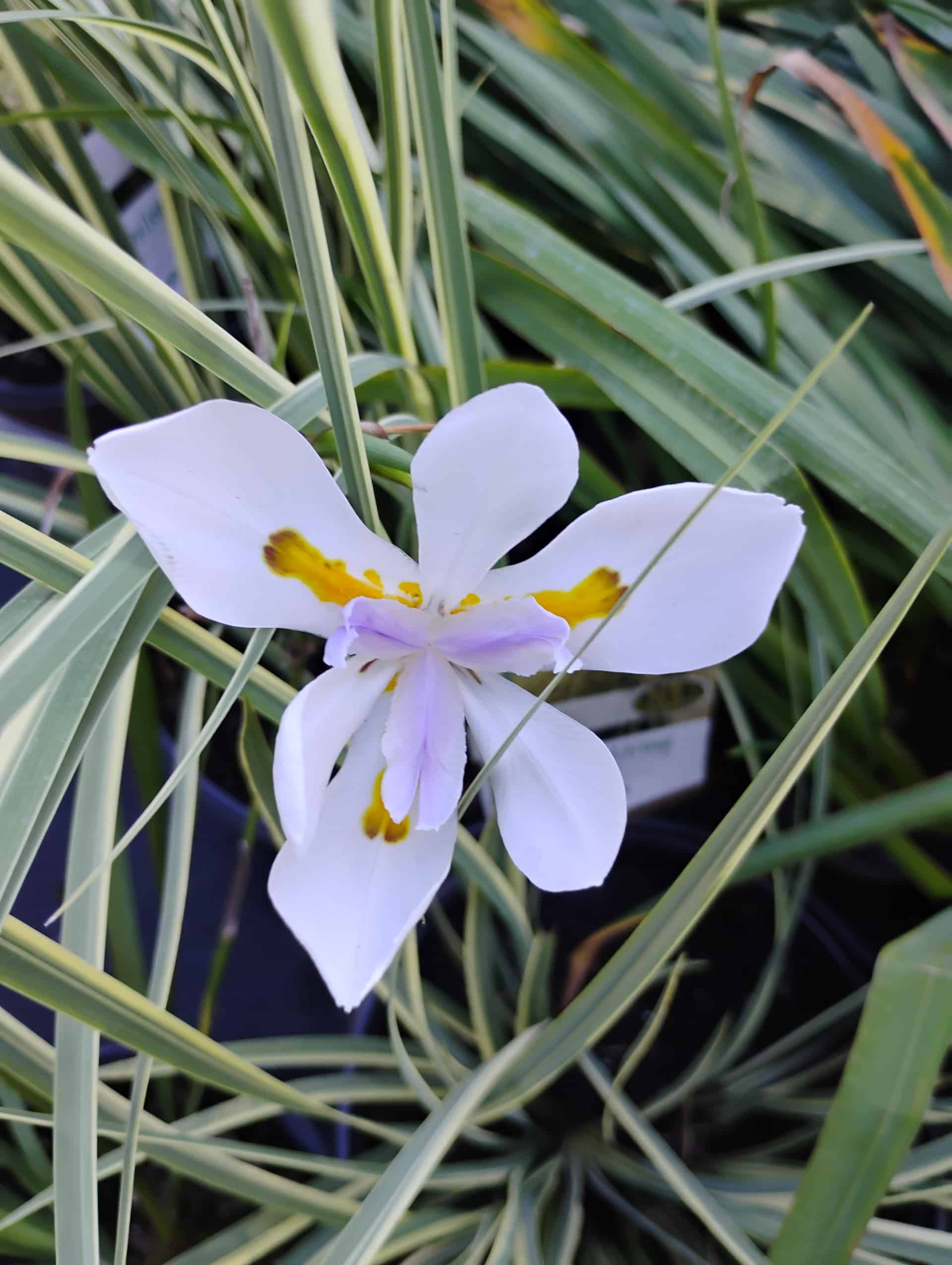
African Iris
Shares 4 of the same needs: shade, moderate water, sandy, and zone 9a hardiness.
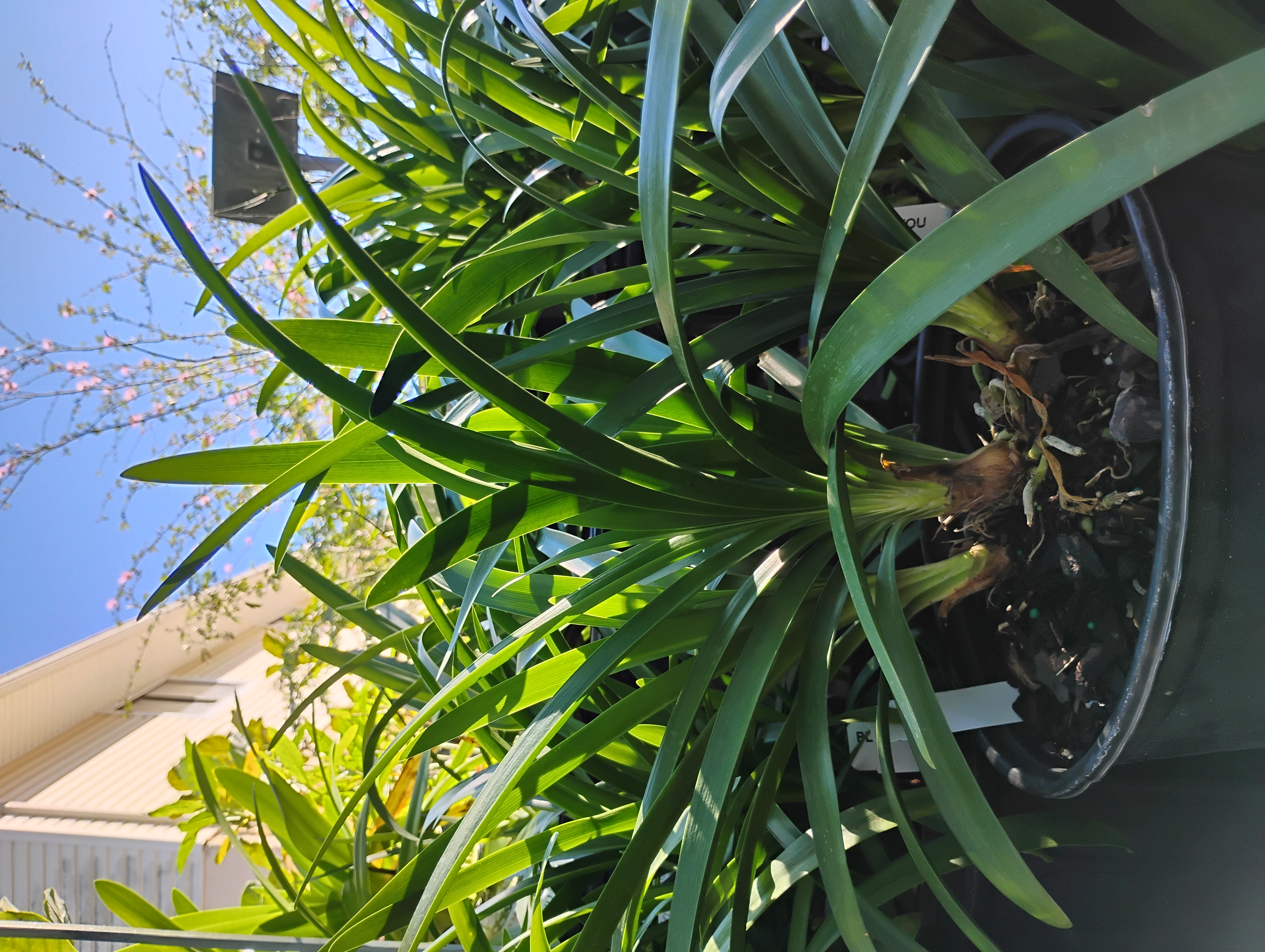
Agapanthus
Shares 4 of the same needs: shade, moderate water, sandy, and zone 9a hardiness.
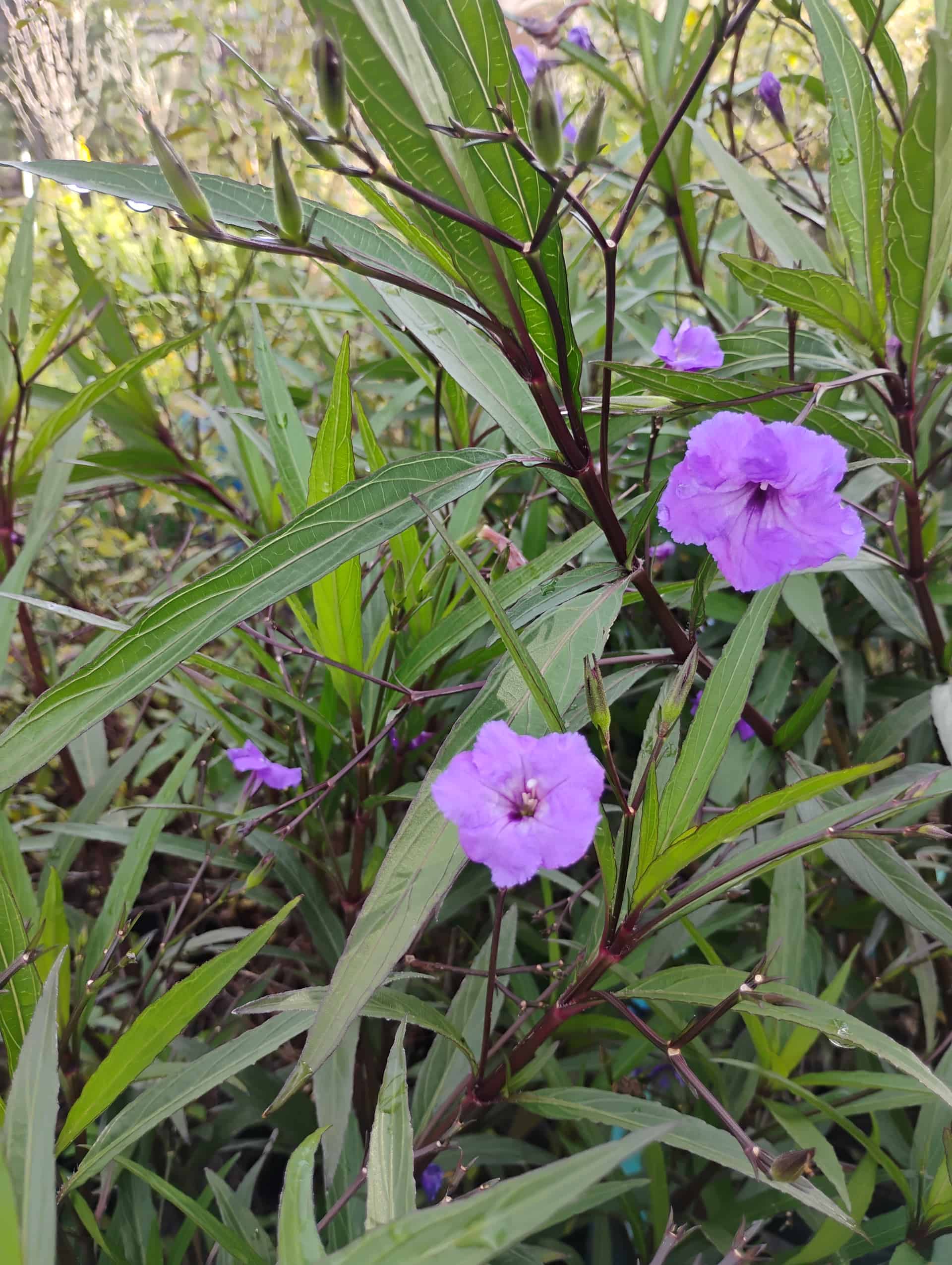
Mexican Petunia
Shares 4 of the same needs: shade, moderate water, sandy, and zone 9a hardiness.
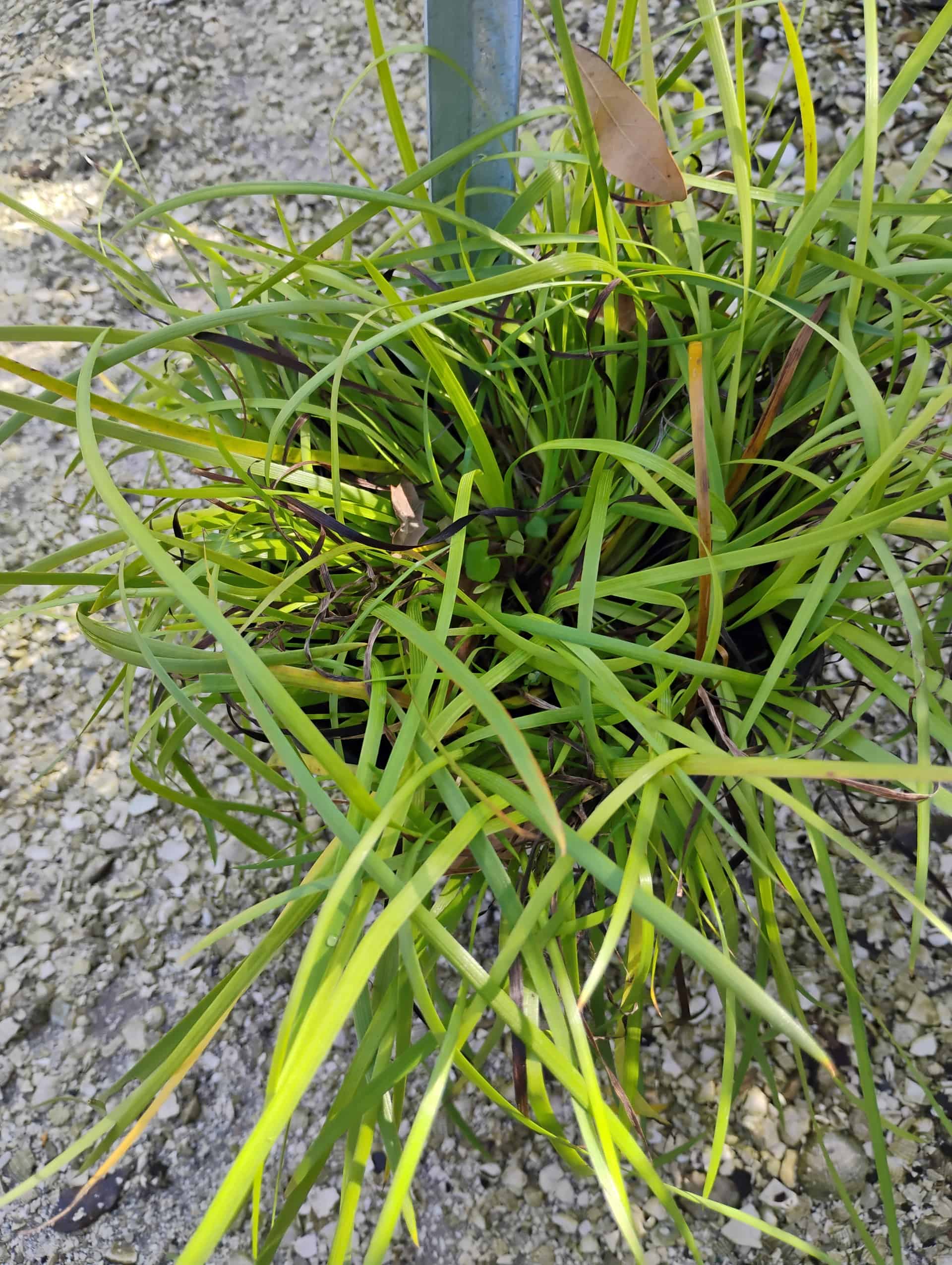
Narrowleaf Blue-eyed Grass
Shares 4 of the same needs: shade, moderate water, sandy, and zone 9a hardiness.
You may also like
PerennialAgapanthus
Agapanthus praecox
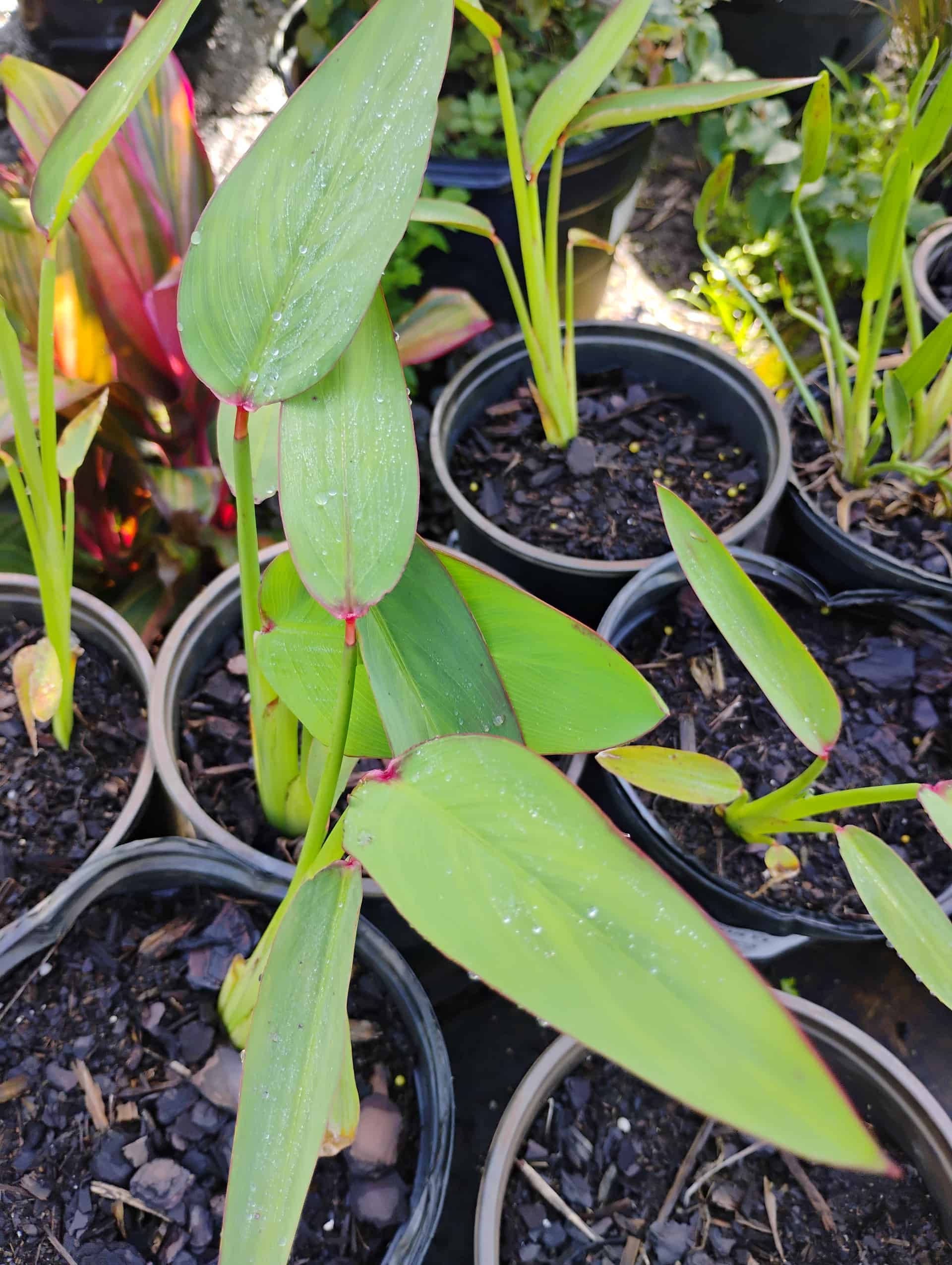 Perennial
Alligator Flag
Thalia geniculata
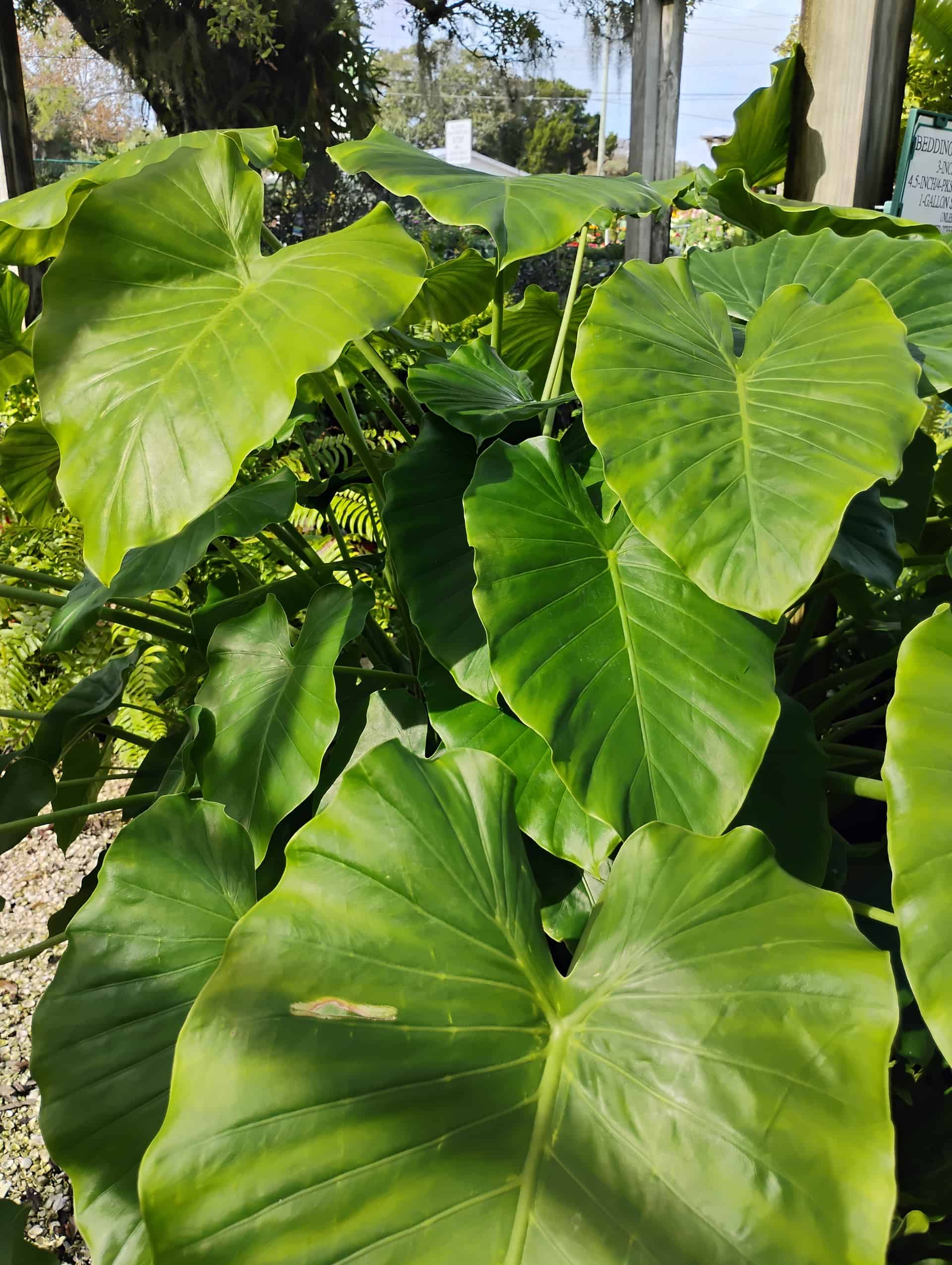 Perennial
Alocasia
Alocasia
Common questions
Is Walking Iris a good plant for St. Augustine?
Walking Iris is a perennial for Zone 9b coastal Florida gardens, reaching 2-3 feet × 1-2 feet.
Care information verified from
Last reviewed June 2026. Our care guidance comes from trusted horticulture sources and decades of helping St. Augustine gardeners. Conditions here can vary dramatically from one area to the next, so come ask us and we'll tailor it to your yard.