
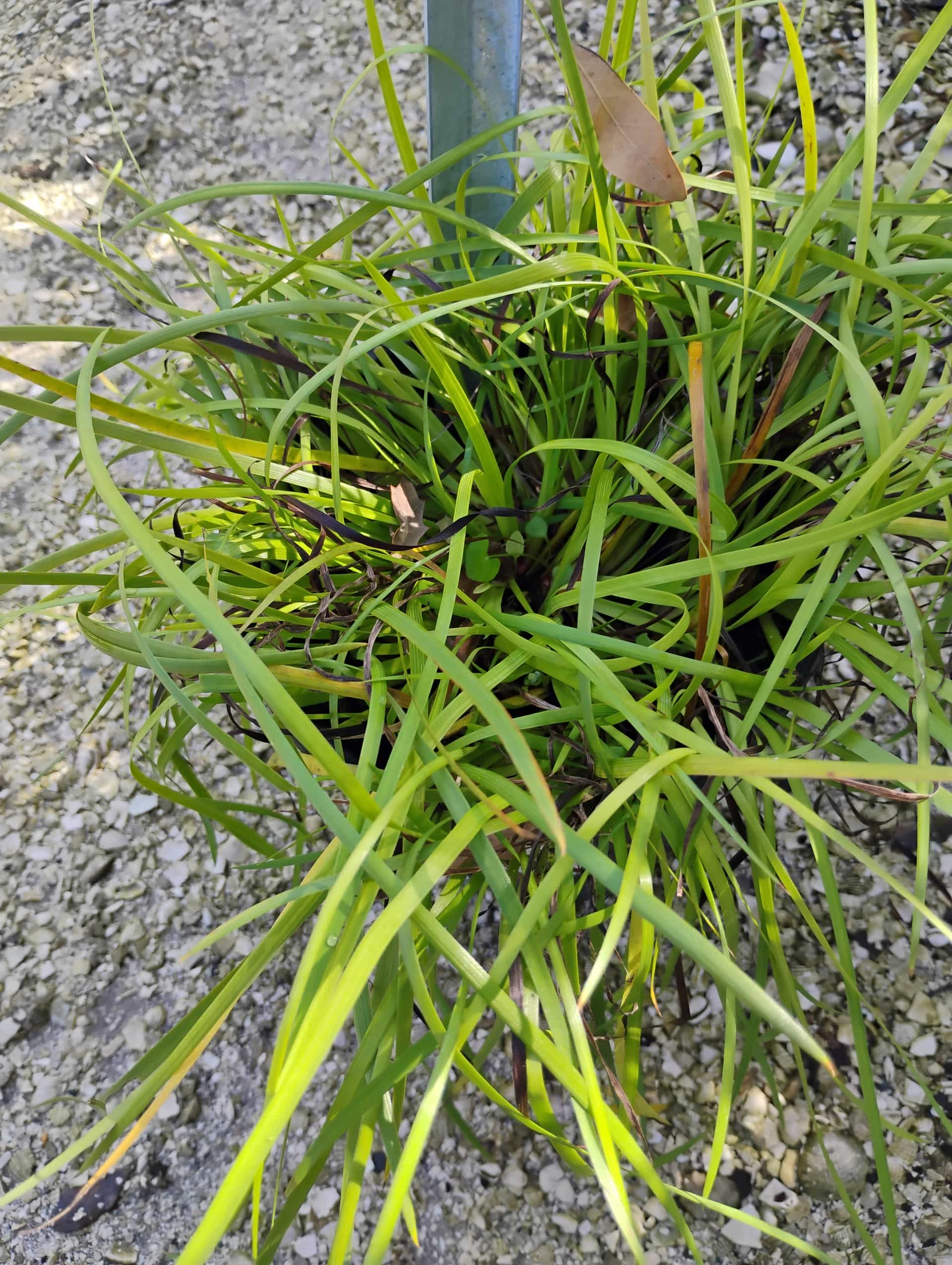
Narrowleaf Blue-eyed Grass
Sisyrinchium angustifolium
Varieties We Bring In
Last received Jul 19, 2026.
We bring this in seasonally, so what is on the lot changes week to week. A received date shows when it last came in, not that it is here today.
Call (904) 471-0440 to confirm this plant and size before you make the trip.
About Narrowleaf Blue-eyed Grass
Blue-Eyed Grass (Sisyrinchium angustifolium) is a native perennial of eastern North America and Florida in the iris family, forming neat tufts of narrow, flat, grass-like leaves and bearing small, star-shaped blue-violet flowers with yellow centers in spring and early summer. Despite its delicate appearance, it is a tough, adaptable native for moist to average garden soils. Starting at $9.95.
Plant details
- Bloom Season
- Spring, Summer
- Flower Color
- Blue
- Growth Rate
- Moderate
- Foliage
- Semi-evergreen
- Soil
- Sandy, Loam, Acidic, Moist
Best planting months
Seasonal care
Bloom season. Good planting window.
Active growing season.
Ideal planting window.
May lose some foliage in cold snaps.
Care essentials
Blue-eyed grass performs best in full sun to part shade; adequate light is needed for consistent flowering through spring and into summer.
Prefers consistently moist to average soils; naturally found along moist meadow edges and swale margins in Florida — do not let it dry out completely during the growing season.
Grows in sandy to loamy moist acidic soils; little fertilizer required. Divide clumps every 2-3 years after bloom to maintain vigor, and allow self-seeding for naturalistic plantings.
Similar needs
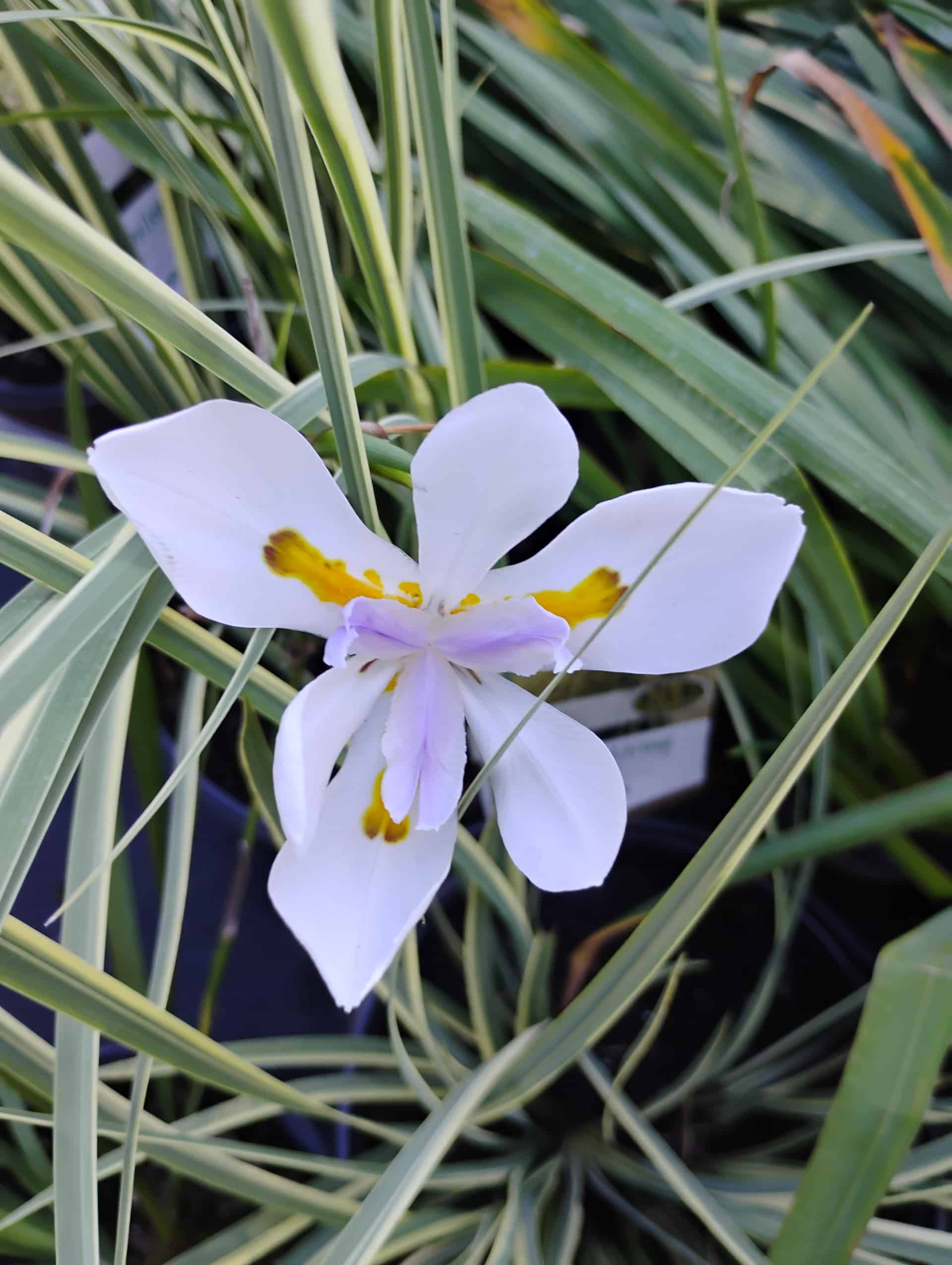
African Iris
Shares 5 of the same needs: full sun, moderate water, sandy, zone 9a hardiness, and pollinator-friendly.
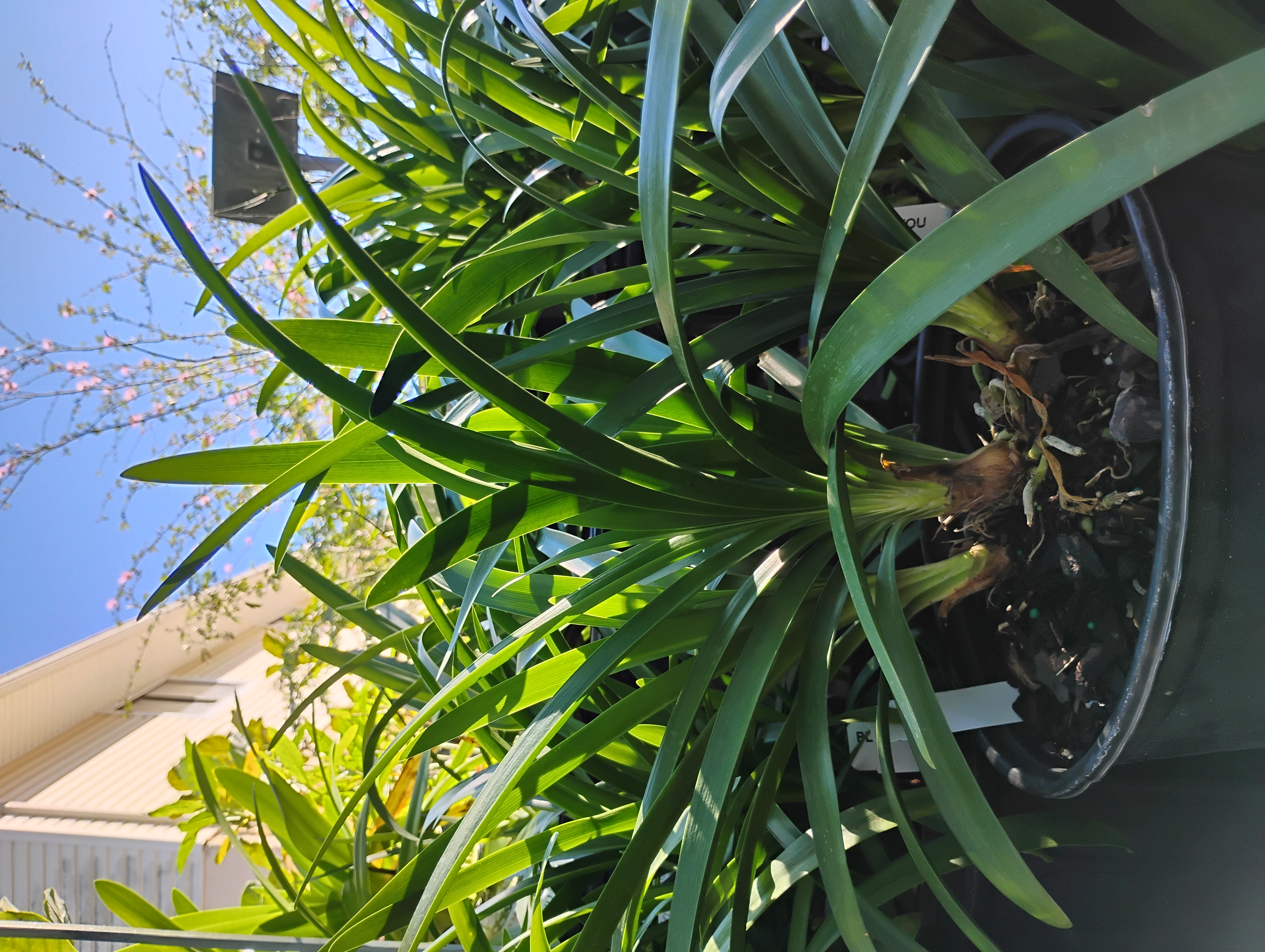
Agapanthus
Shares 5 of the same needs: full sun, moderate water, sandy, zone 9a hardiness, and pollinator-friendly.
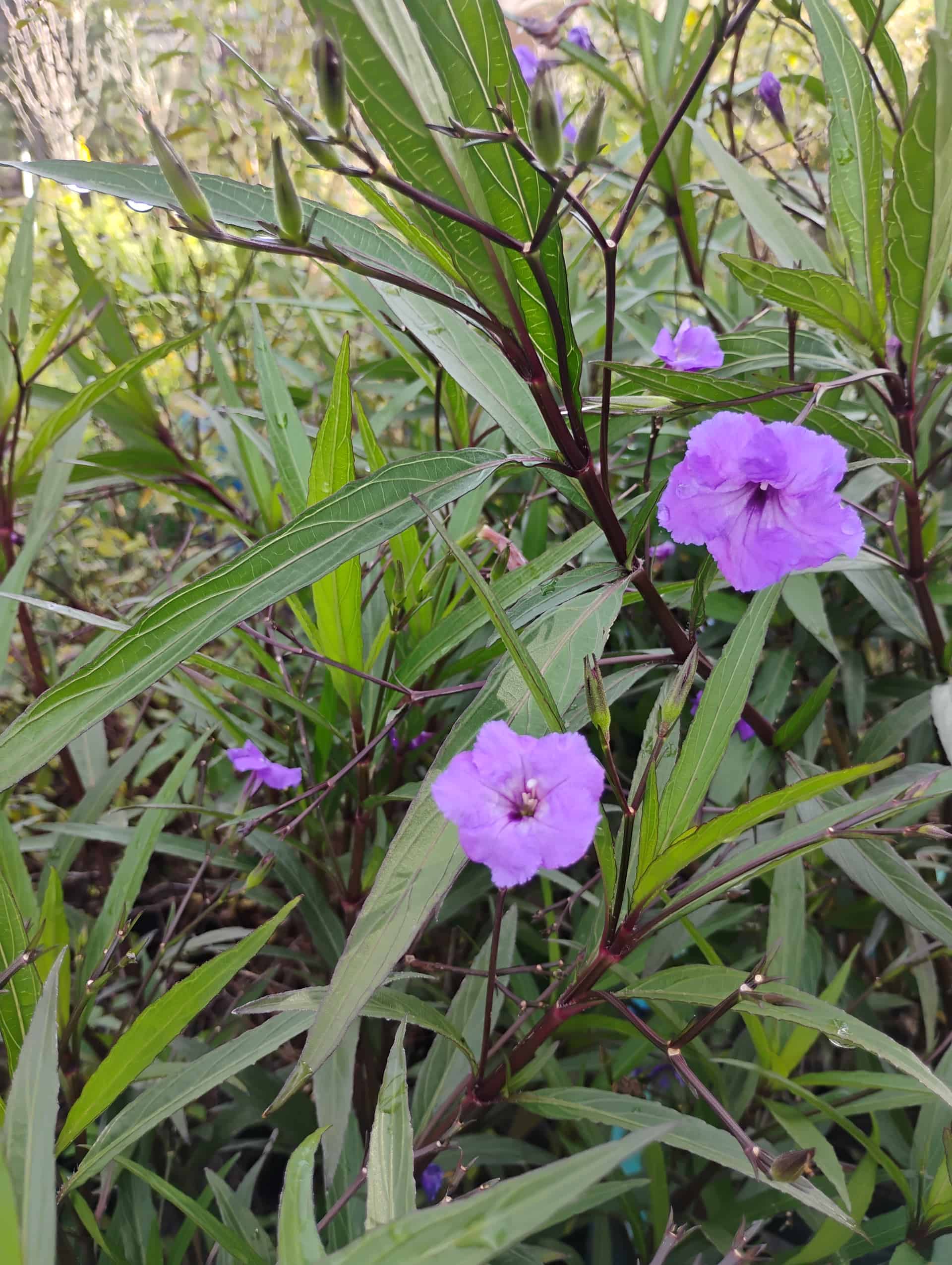
Mexican Petunia
Shares 5 of the same needs: full sun, moderate water, sandy, zone 9a hardiness, and pollinator-friendly.
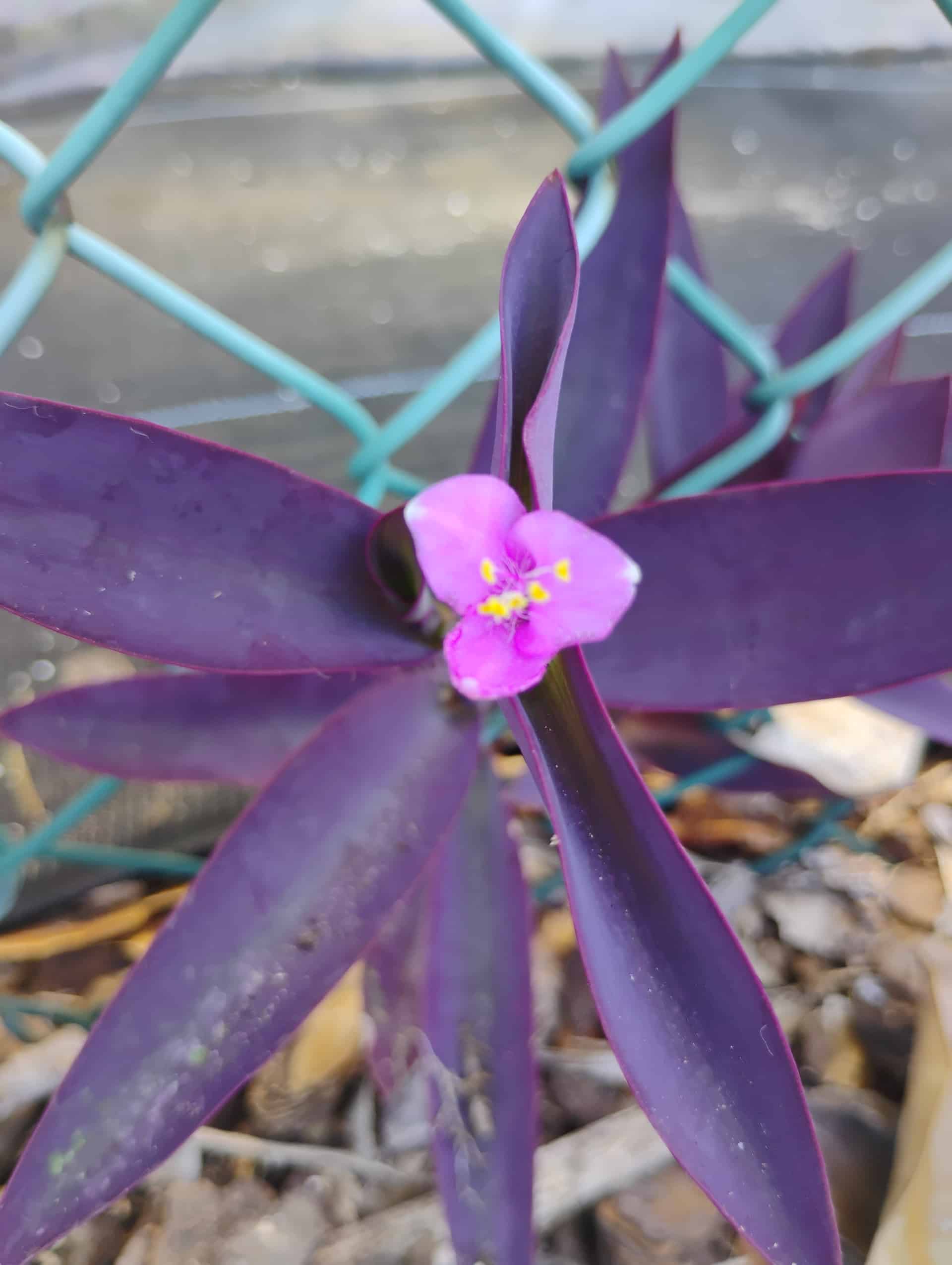
Spiderwort
Shares 5 of the same needs: full sun, moderate water, sandy, zone 9a hardiness, and pollinator-friendly.
Giant Apostle's Iris
Shares 4 of the same needs: full sun, moderate water, sandy, and pollinator-friendly.
Peacock Ginger
Shares 4 of the same needs: shade, moderate water, loam, and pollinator-friendly.
You may also like
PerennialAgapanthus
Agapanthus praecox
 Perennial
Alligator Flag
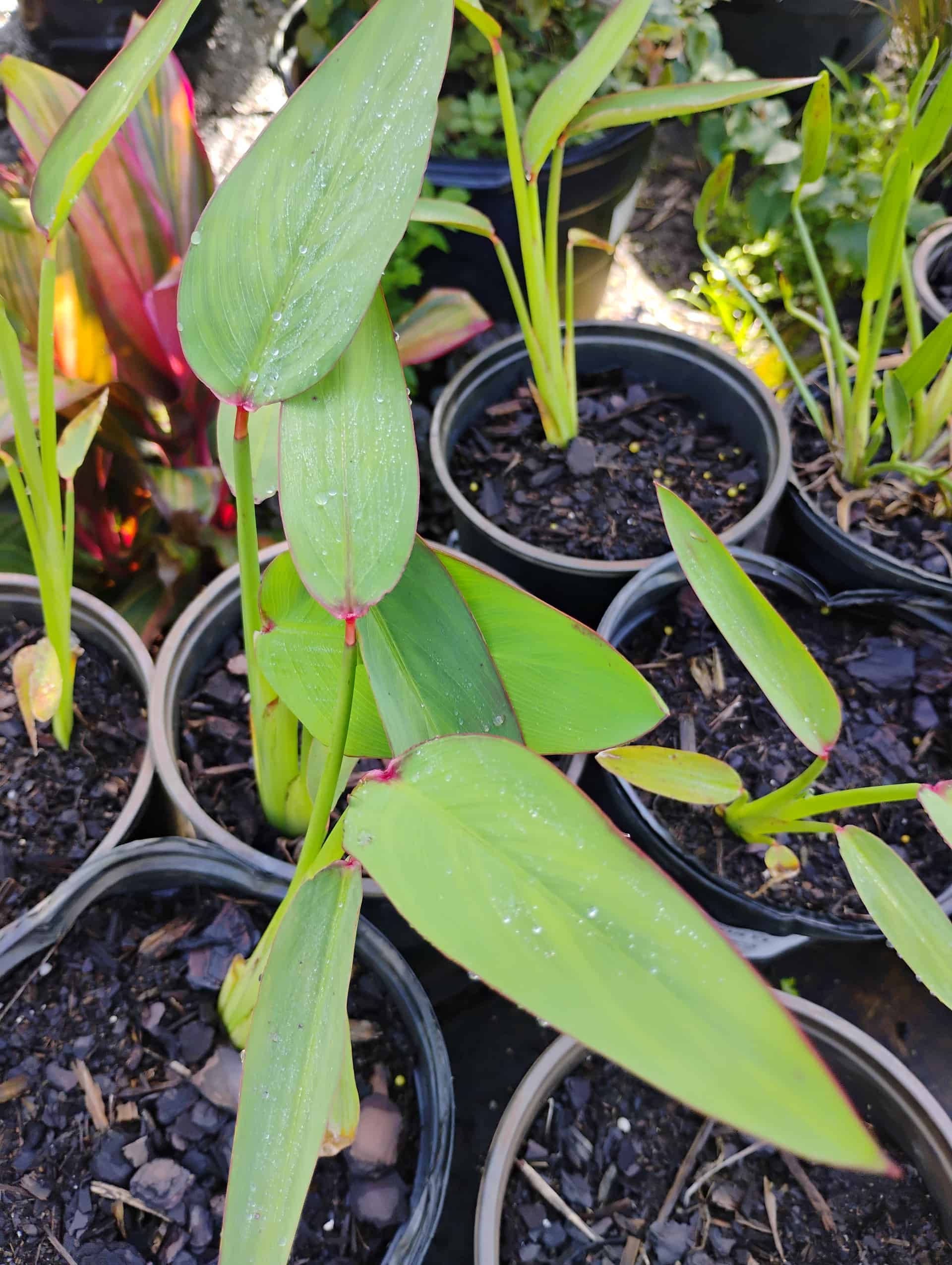
Thalia geniculata
 Perennial
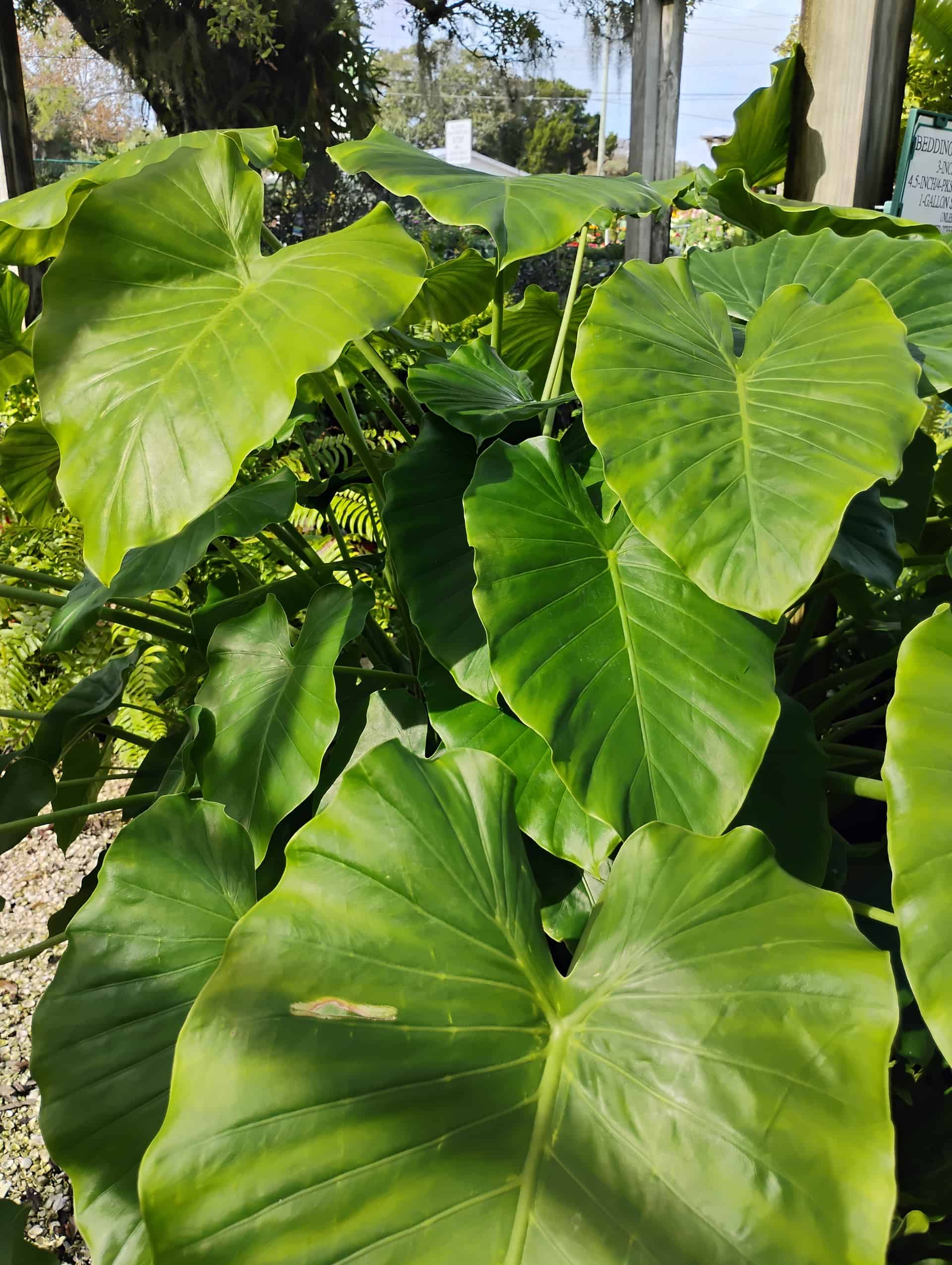
Alocasia
Alocasia
Common questions
Is Narrowleaf Blue-eyed Grass a good plant for St. Augustine?
Narrowleaf Blue-eyed Grass is a perennial for Zone 9b coastal Florida gardens, reaching 0.5-2 feet × 0.5-2 feet.
Care information verified from
Last reviewed March 2026. Our care guidance comes from trusted horticulture sources and decades of helping St. Augustine gardeners. Conditions here can vary dramatically from one area to the next, so come ask us and we'll tailor it to your yard.