
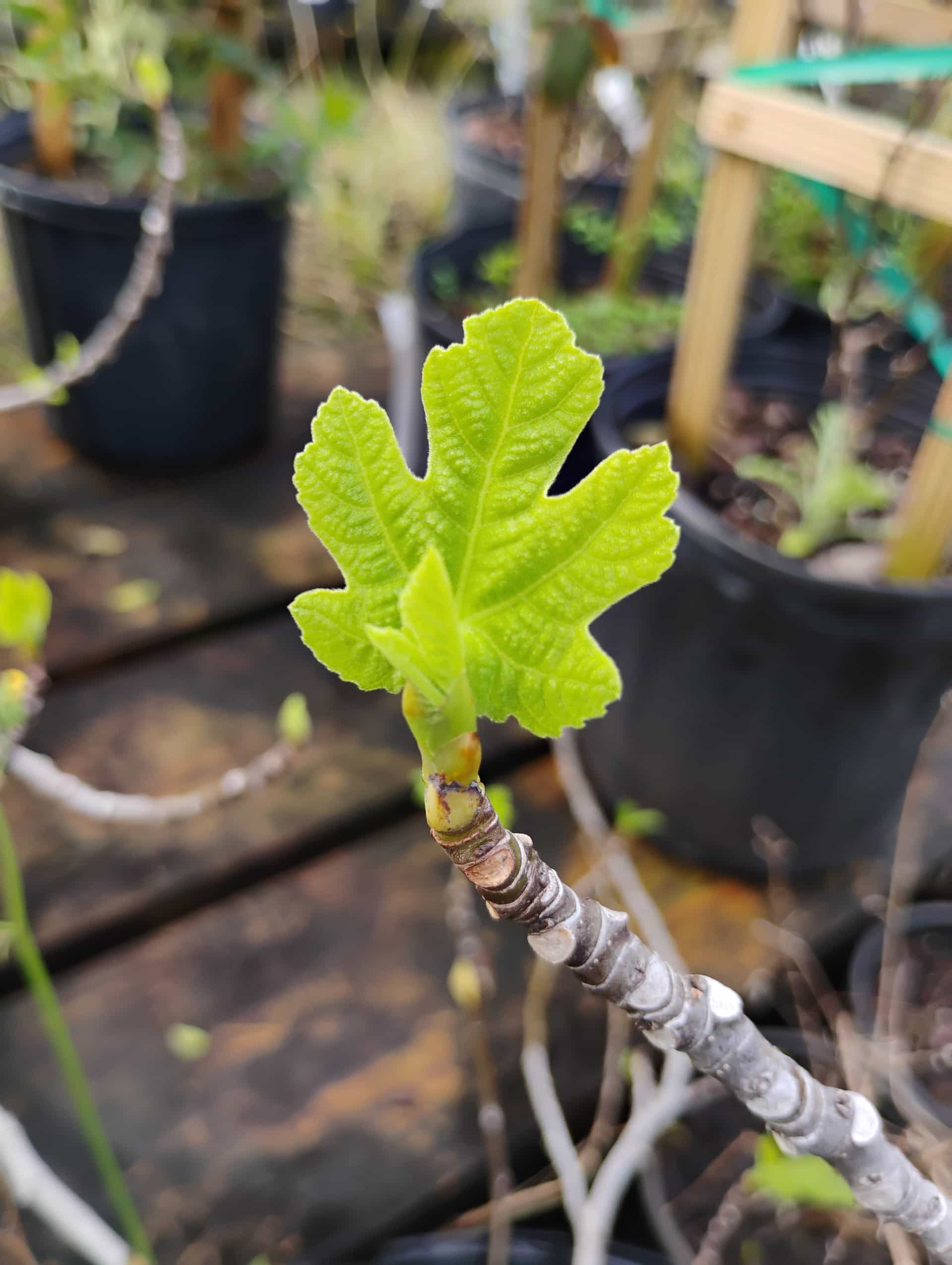
Fig
Ficus carica
Traits
Varieties We Bring In
Last received Aug 4, 2026.
We bring this in seasonally, so what is on the lot changes week to week. A received date shows when it last came in, not that it is here today.
Call (904) 471-0440 to confirm this plant and size before you make the trip.
About Fig
The common fig (Ficus carica) is a deciduous tree or large shrub native to the Middle East and western Asia, valued for its uniquely sweet, soft fruits and bold, deeply lobed leaves. It produces pear-shaped figs that ripen to purple, brown, or green depending on cultivar. Starting at $6.95.
Plant details
- Bloom Season
- Spring
- Flower Color
- Non-flowering
- Growth Rate
- Fast
- Foliage
- Deciduous
- Soil
- Sandy, Loam, Well-drained
Best planting months
Seasonal care
Bloom season. New foliage emerges. Good planting window.
Active growing season.
Foliage may begin to change or drop.
Dormant — drops foliage. Can be planted in mild winter periods.
Care essentials
Requires full sun — at least 6 to 8 hours of direct sunlight daily — for best fruit production and vigorous growth in NE Florida.
Water regularly during the first year to establish deep roots. Once established, figs are drought-tolerant; in NE Florida irrigate during dry spells in the fruit-development period (late spring through summer) and reduce watering after harvest.
Figs grow well in NE Florida's sandy, well-drained soils. Fertilize in February, May, and August with a balanced 8-8-8 or 10-10-10 granular fertilizer at the rates recommended on the label; avoid excess nitrogen which reduces fruit quality.
Similar needs
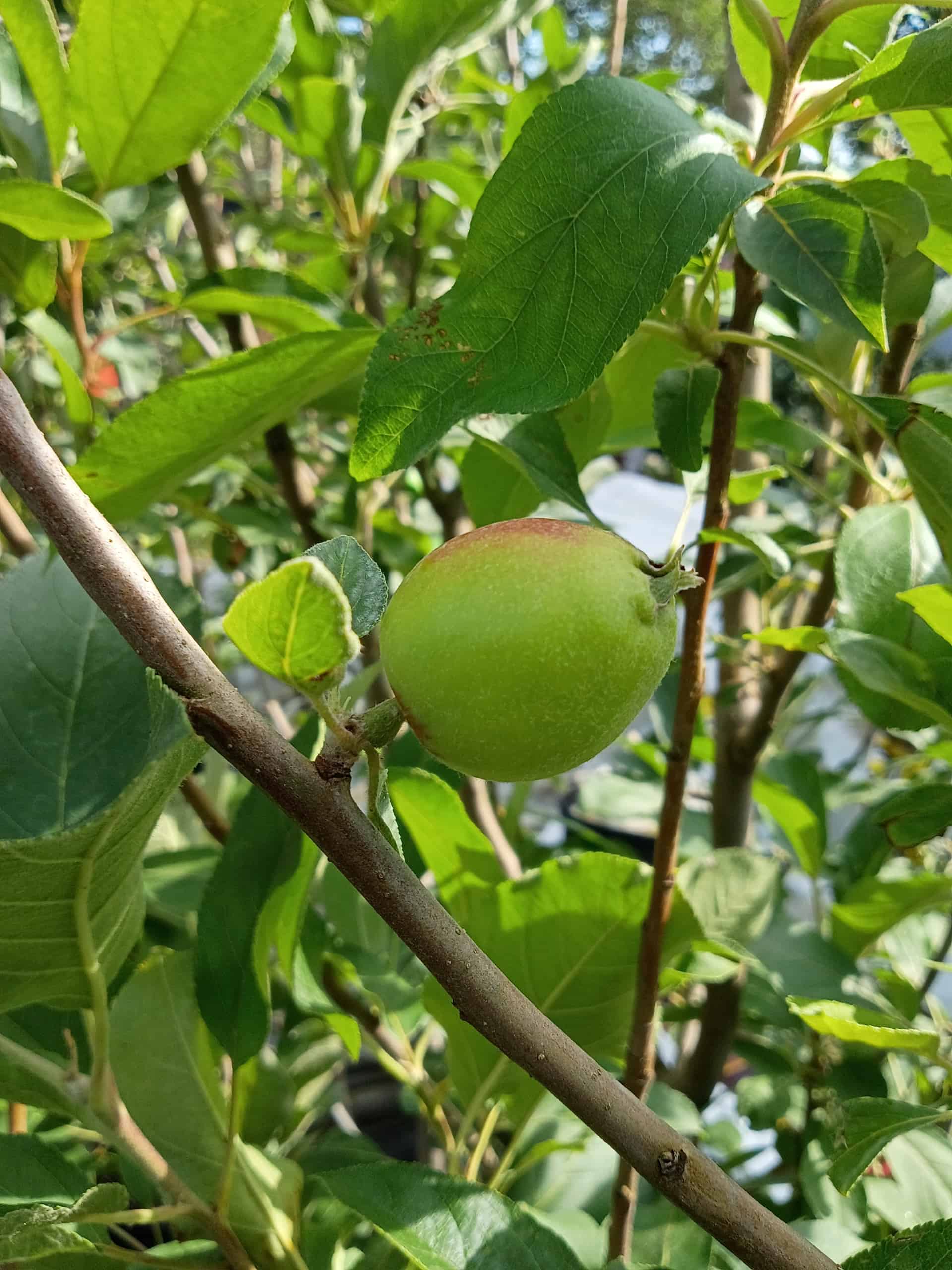
Apple
Shares 4 of the same needs: full sun, moderate water, sandy, and zone 9a hardiness.
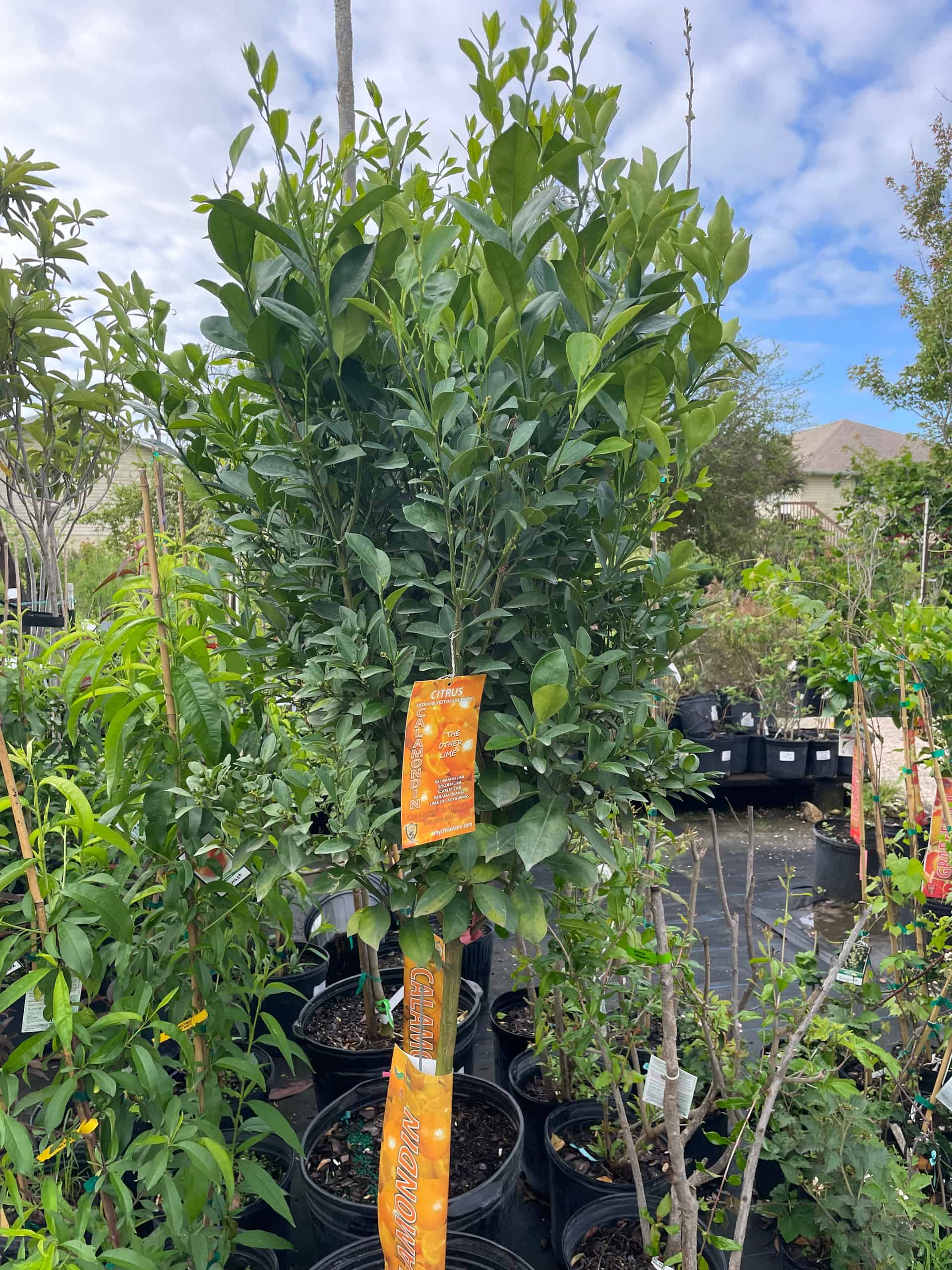
Calamondin
Shares 4 of the same needs: full sun, moderate water, sandy, and zone 9a hardiness.
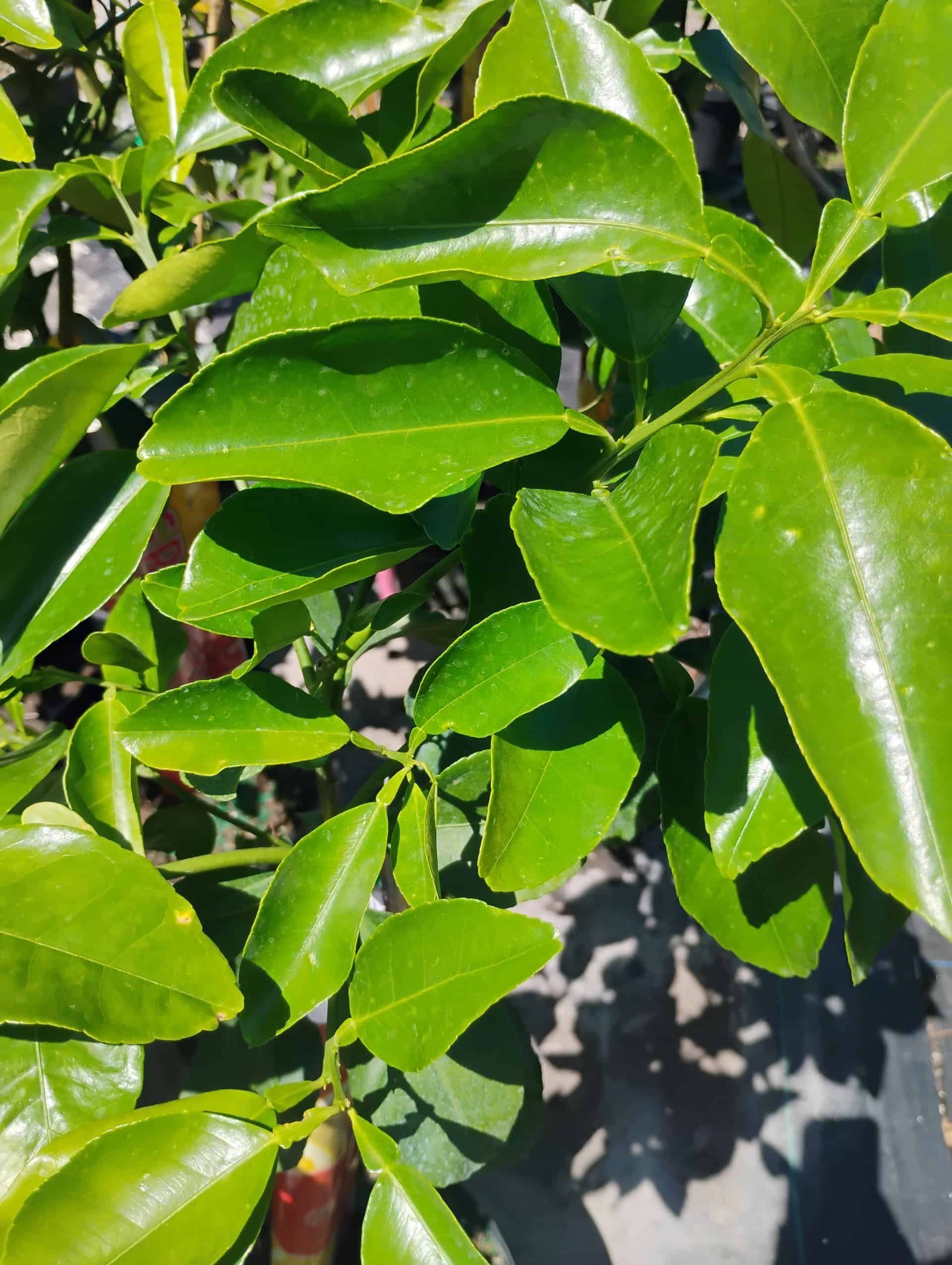
Grapefruit
Shares 4 of the same needs: full sun, moderate water, sandy, and zone 9a hardiness.
Kumquat
Shares 4 of the same needs: full sun, moderate water, sandy, and zone 9a hardiness.
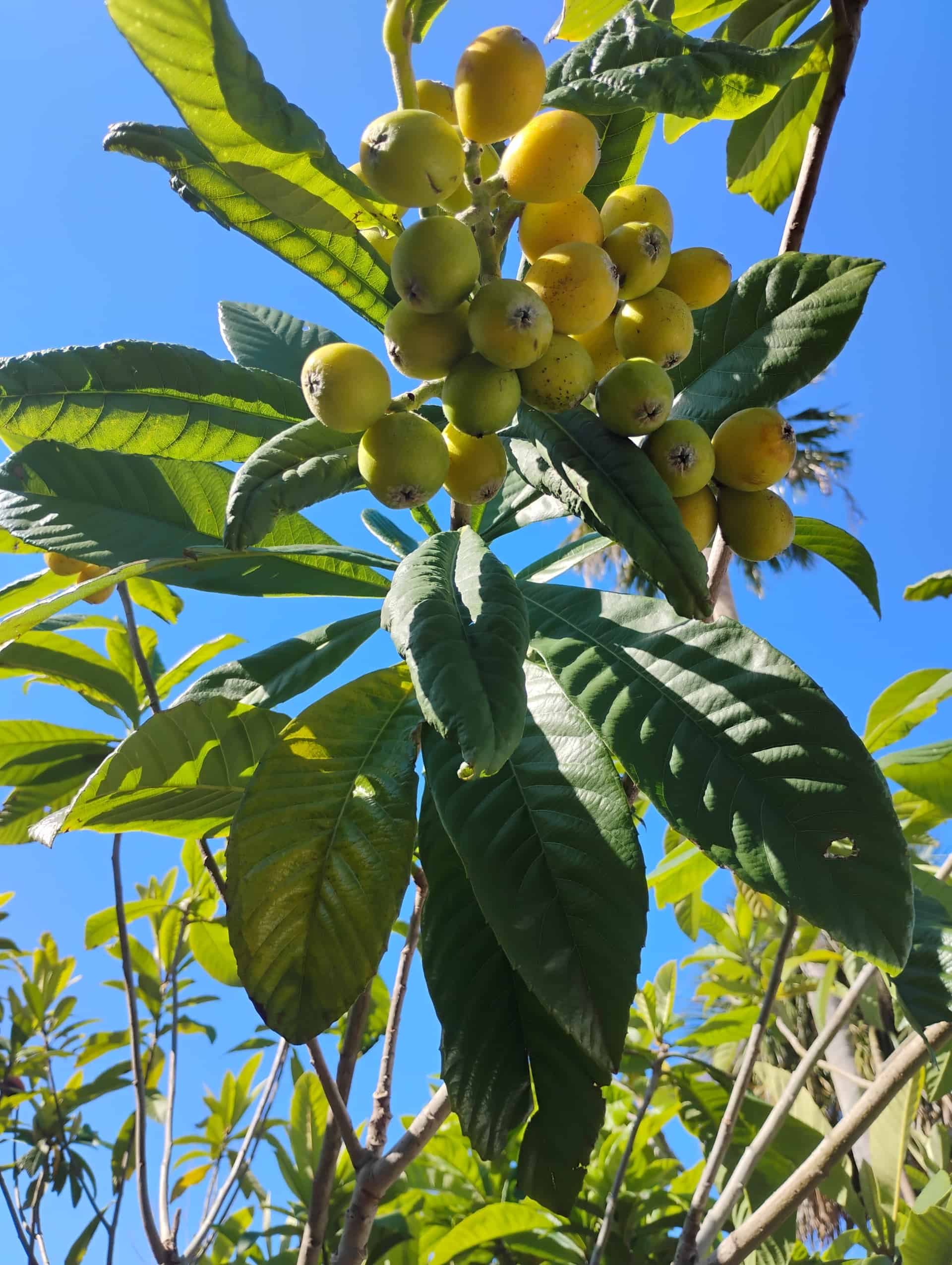
Loquat
Shares 4 of the same needs: full sun, moderate water, sandy, and zone 9a hardiness.
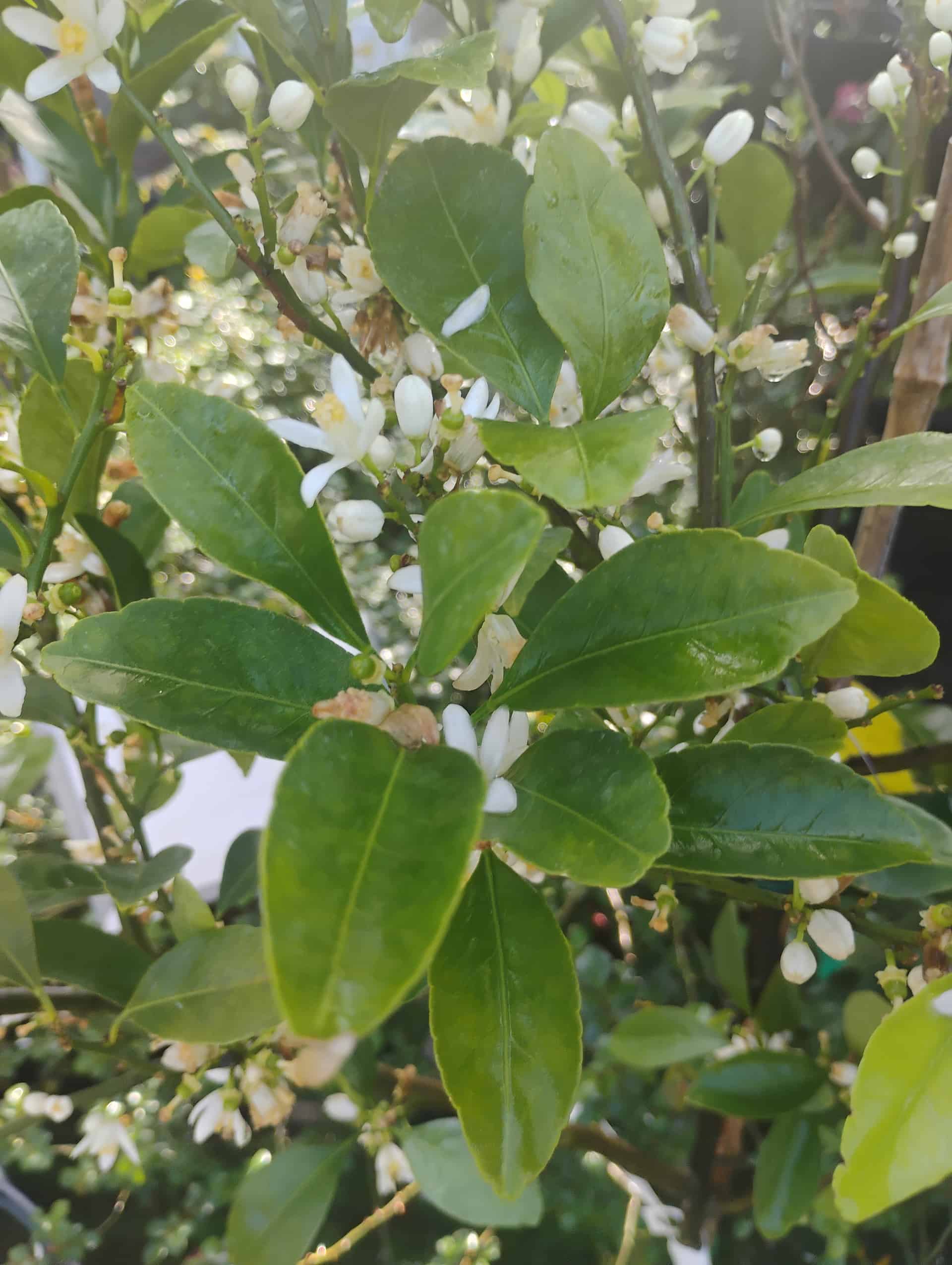
Mandarin
Shares 4 of the same needs: full sun, moderate water, sandy, and zone 9a hardiness.
You may also like
Fruit TreeApple
Malus pumila
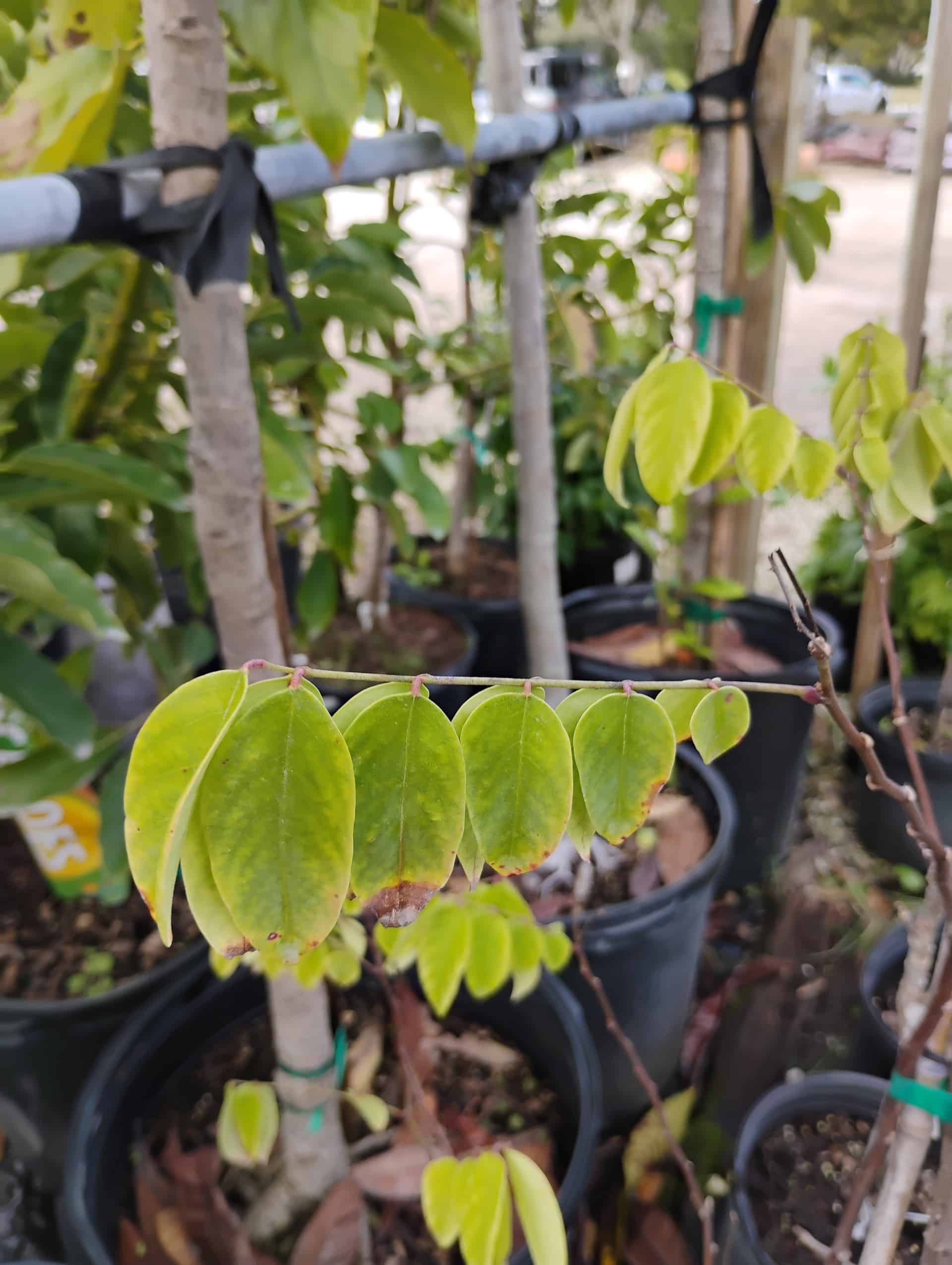 Fruit Tree
Starfruit
Averrhoa carambola
Fruit TreeLoquat
Eriobotrya japonica
Common questions
Is Fig a good plant for St. Augustine?
Fig is a fruit tree for Zone 9b coastal Florida gardens, reaching 10-25 feet × 10-25 feet.
Care information verified from
Last reviewed February 2026. Our care guidance comes from trusted horticulture sources and decades of helping St. Augustine gardeners. Conditions here can vary dramatically from one area to the next, so come ask us and we'll tailor it to your yard.