
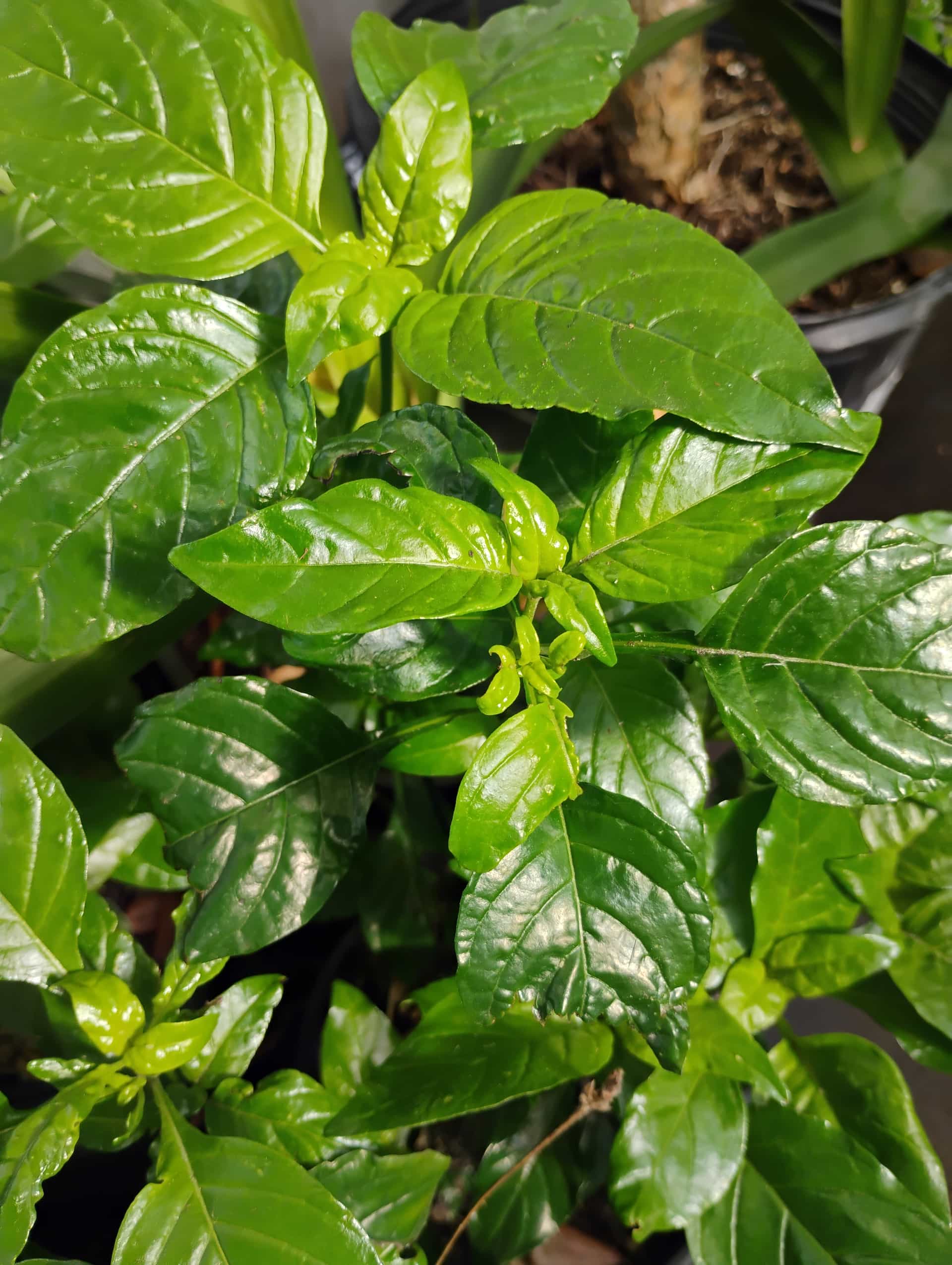
Crossandra
Crossandra infundibuliformis
Varieties We Bring In
Last received Sep 14, 2026.
We bring this in seasonally, so what is on the lot changes week to week. A received date shows when it last came in, not that it is here today.
Call (904) 471-0440 to confirm this plant and size before you make the trip.
About Crossandra
Crossandra (Crossandra infundibuliformis) is a compact tropical perennial native to India and Sri Lanka, bearing glossy, dark green leaves and upright spikes of fan-shaped flowers in vivid shades of orange, salmon, and yellow. It is exceptionally heat-tolerant and blooms reliably in Florida's long summers. Popular as a border plant, container specimen, and mass planting in tropical landscapes. Starting at $6.95.
Plant details
- Bloom Season
- Spring, Summer, Fall
- Flower Color
- Orange
- Growth Rate
- Slow
- Foliage
- Evergreen
- Soil
- Loam, Acidic, Well-drained
Best planting months
Seasonal care
Bloom season. Good planting window.
Bloom season. Higher water demand in summer heat.
Bloom season.
Retains foliage through winter.
Care essentials
Crossandra thrives in bright morning sun with afternoon shade — up to 4 hours of direct sun is ideal, making east-facing exposures perfect in NE Florida. Avoid harsh midday or all-day full sun, which can bleach flowers and stress foliage in summer heat.
Keep the soil consistently moist but never soggy; Crossandra dislikes drying out completely. In NE Florida's hot summers, water deeply every 2–3 days and mulch well to retain moisture. Reduce watering frequency in cooler months but do not allow the root zone to dry out completely.
Plant in well-drained, humus-rich, slightly acidic soil amended with compost or peat. Apply a slow-release starter fertilizer at planting, then feed monthly through the growing season with a balanced general-purpose fertilizer to sustain its long bloom period.
Similar needs
Siam Tulip
Shares 4 of the same needs: similar light, moderate water, loam, and zone 9a hardiness.
Bellflower
Shares 5 of the same needs: similar light, moderate water, loam, zone 9a hardiness, and pollinator-friendly.
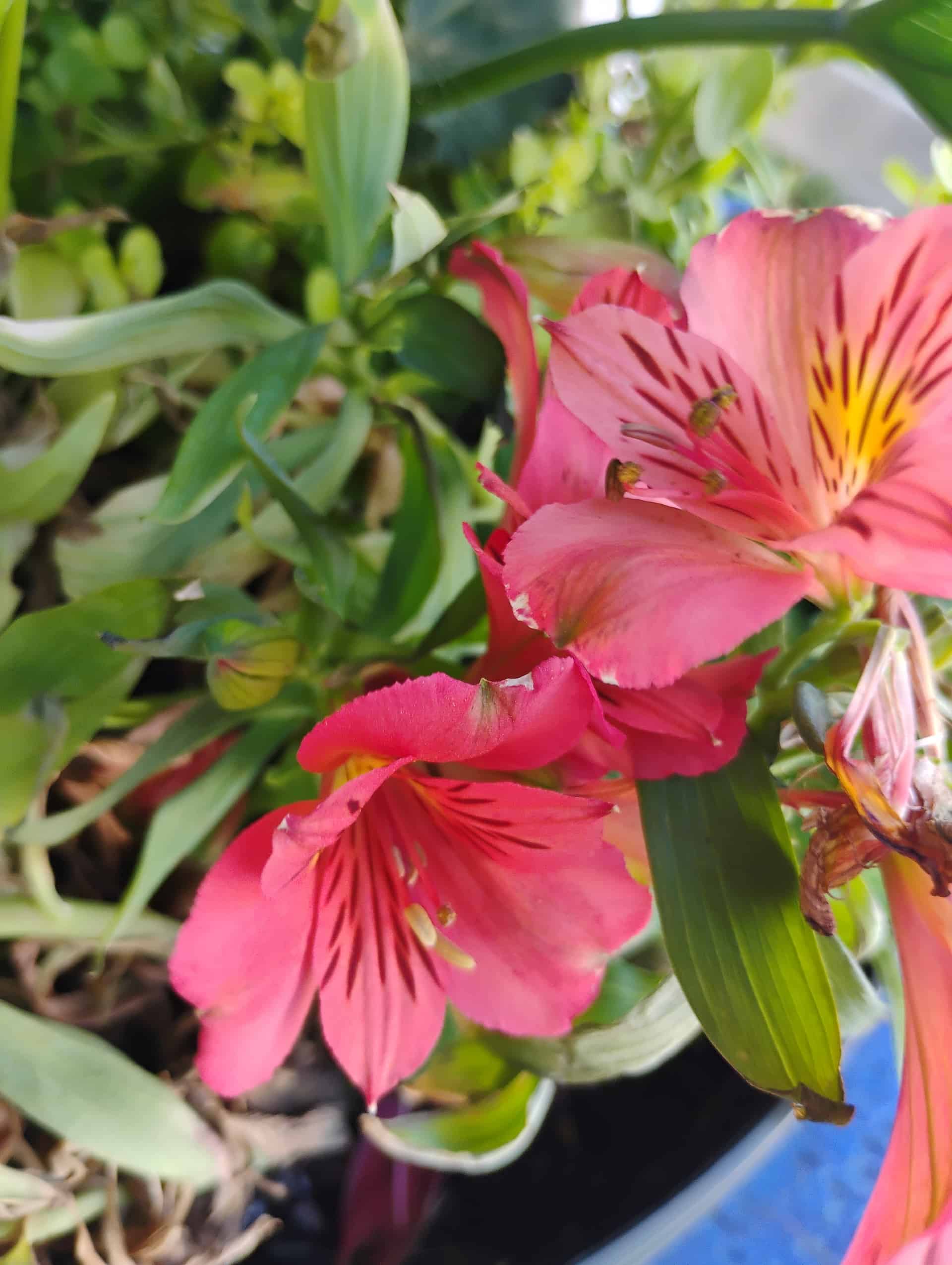
Alstroemeria
Shares 4 of the same needs: moderate water, loam, zone 9a hardiness, and pollinator-friendly.
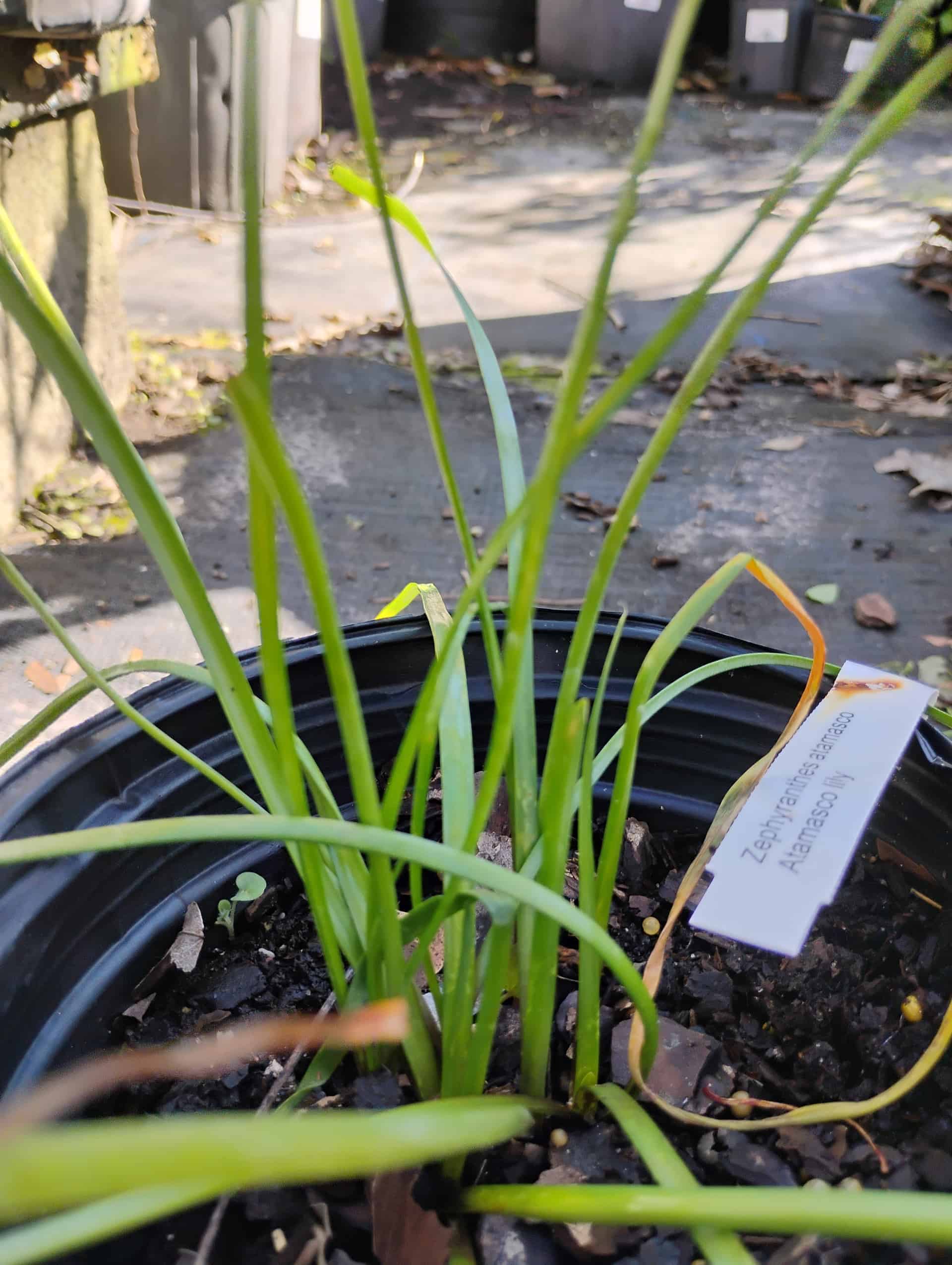
Atamasco Lily
Shares 4 of the same needs: moderate water, loam, zone 9a hardiness, and pollinator-friendly.
Common Blue Violet
Shares 4 of the same needs: moderate water, loam, zone 9a hardiness, and pollinator-friendly.
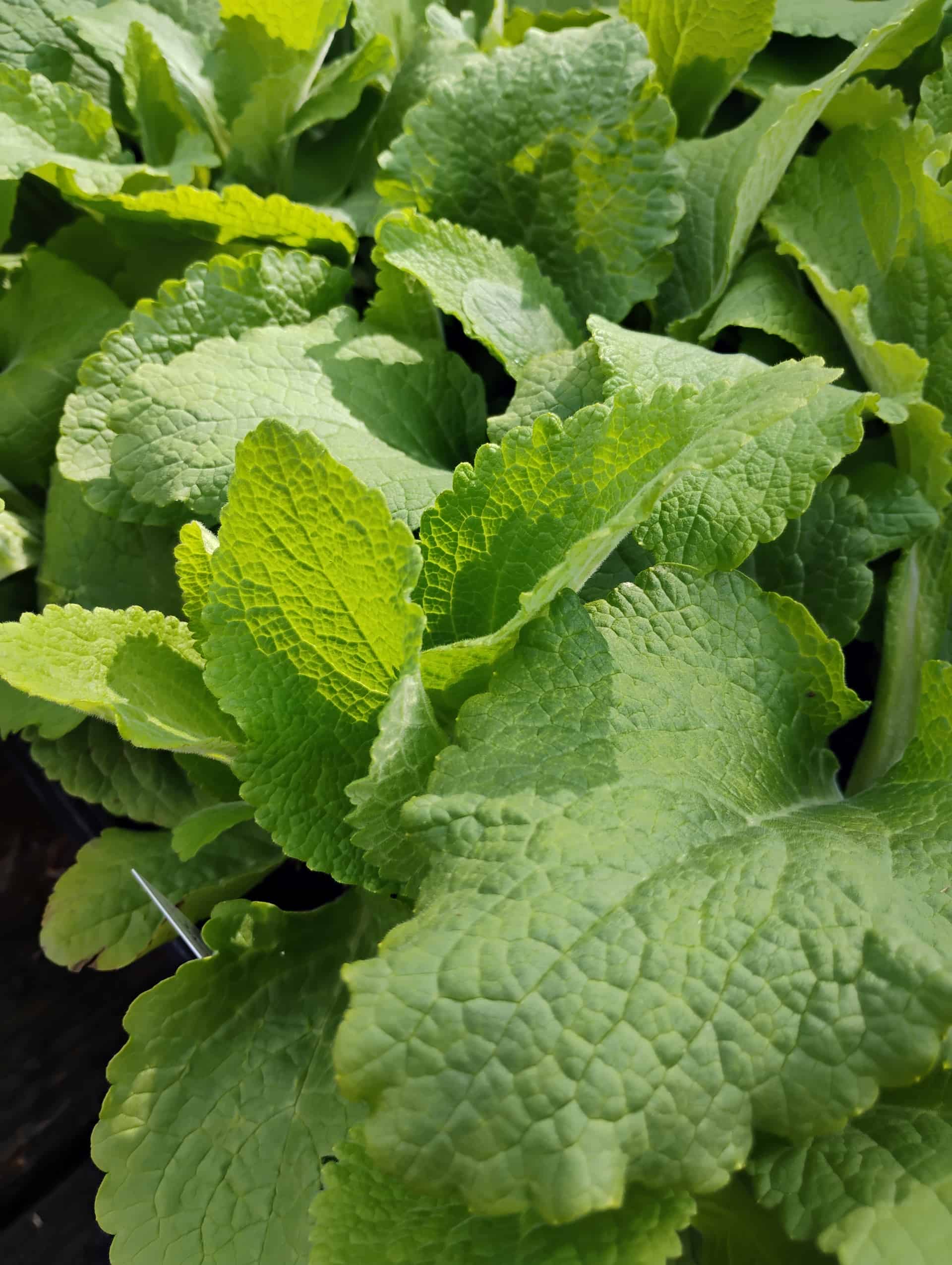
Foxglove
Shares 4 of the same needs: moderate water, loam, zone 9a hardiness, and pollinator-friendly.
You may also like
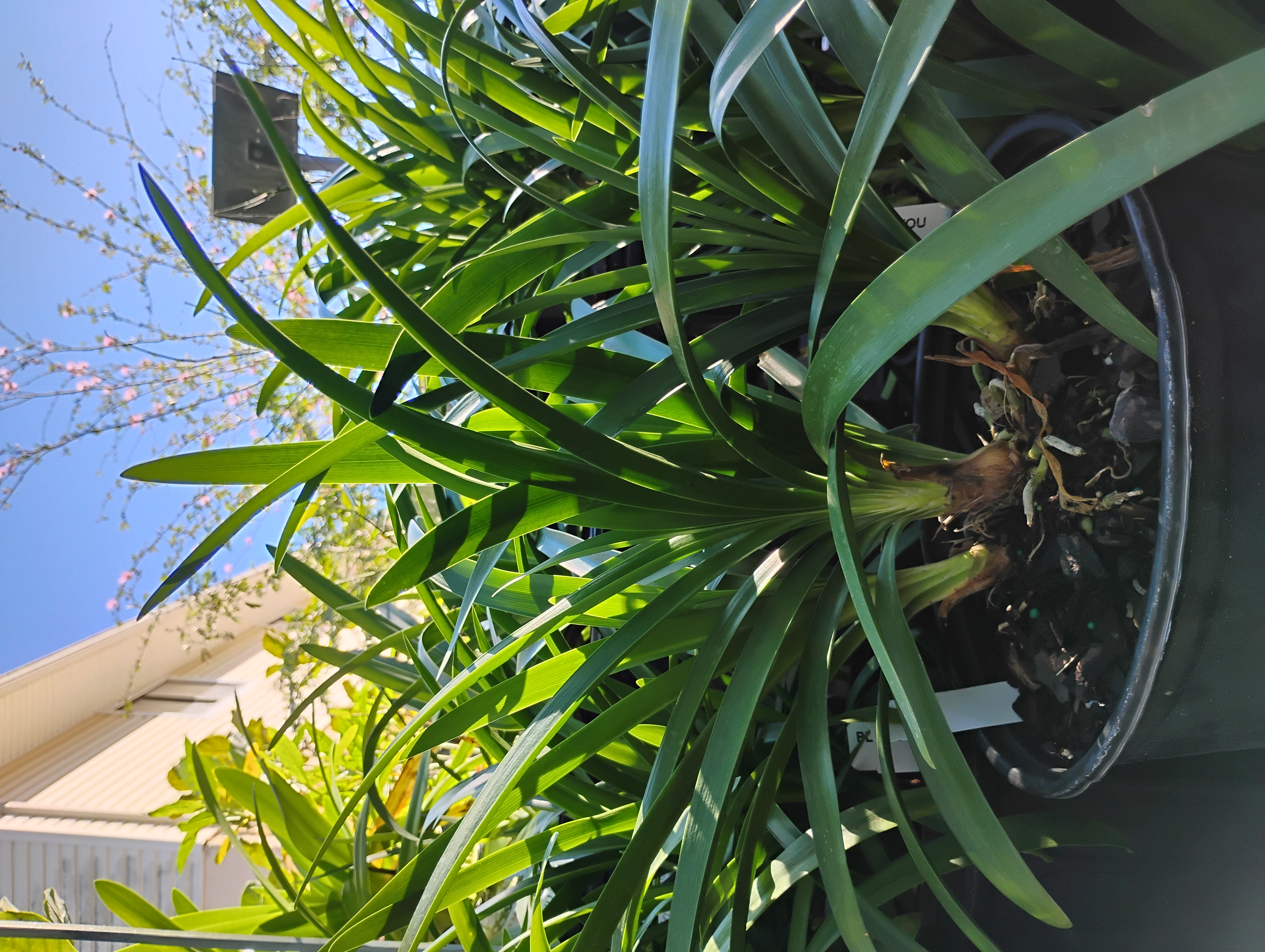 Perennial
Agapanthus
Agapanthus praecox
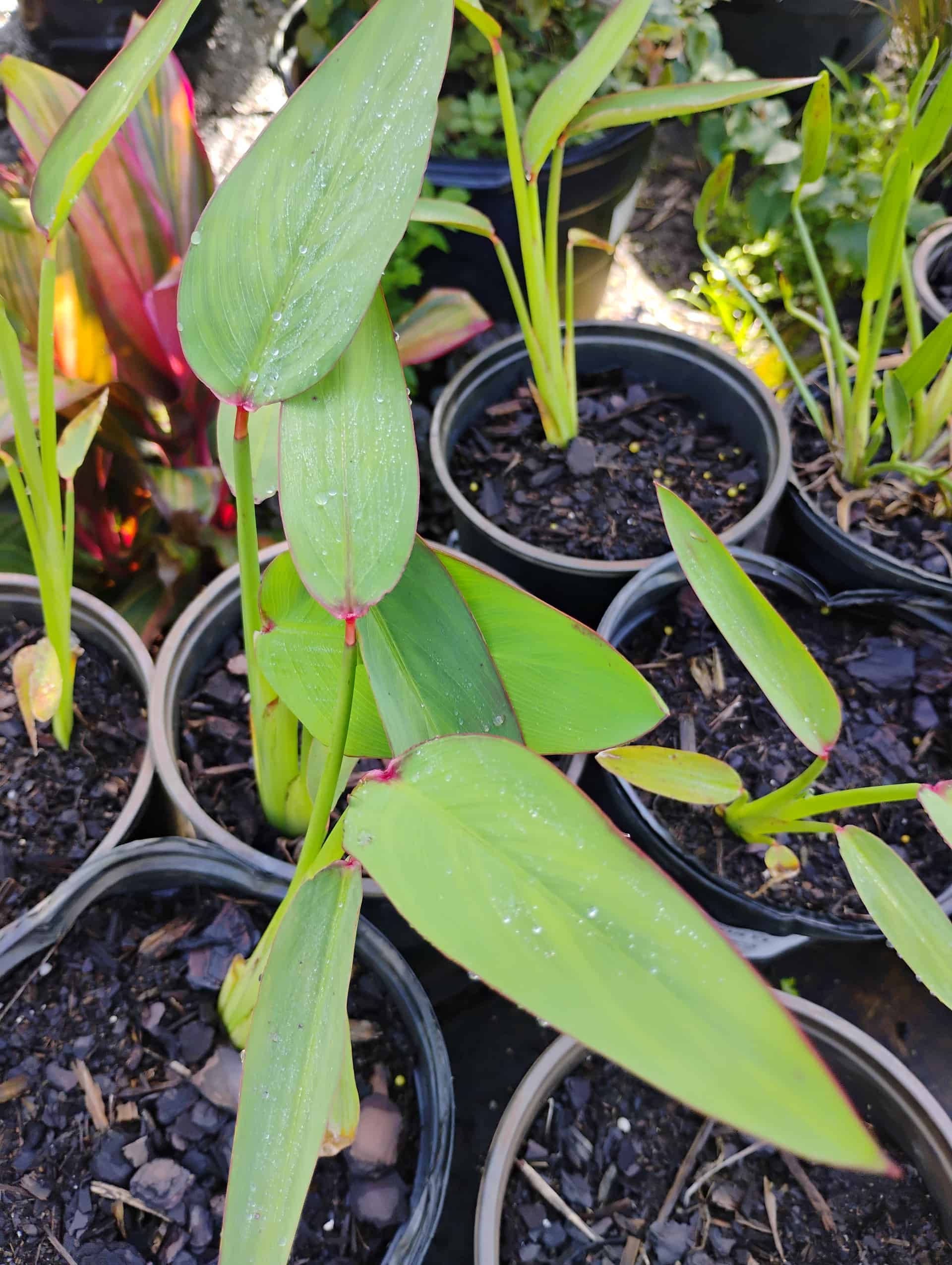 Perennial
Alligator Flag
Thalia geniculata
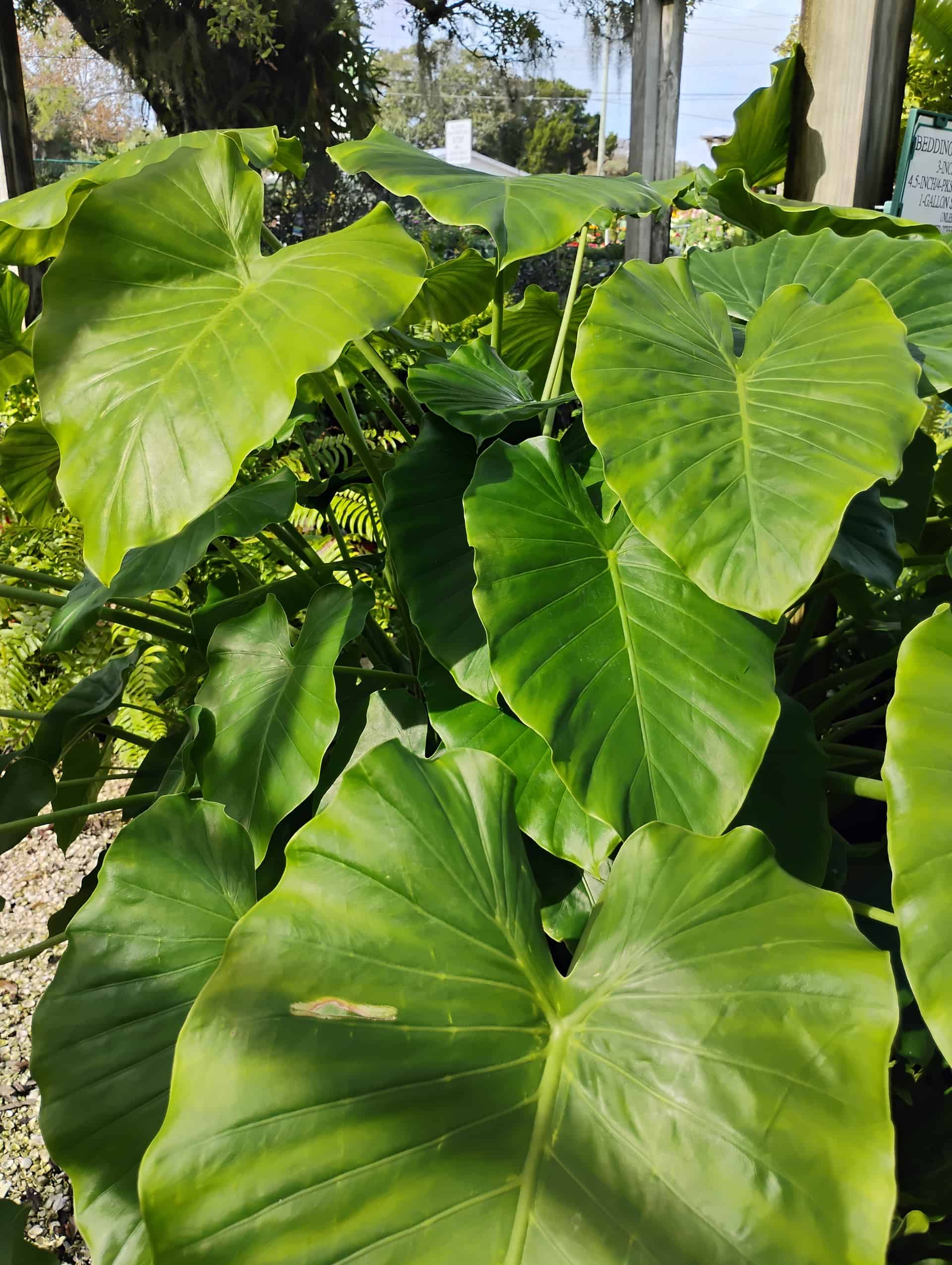 Perennial
Alocasia
Alocasia
Common questions
Is Crossandra a good plant for St. Augustine?
Crossandra is a perennial for Zone 9b coastal Florida gardens, reaching 2-3 feet × 1-2 feet.
Care information verified from
Last reviewed February 2026. Our care guidance comes from trusted horticulture sources and decades of helping St. Augustine gardeners. Conditions here can vary dramatically from one area to the next, so come ask us and we'll tailor it to your yard.