
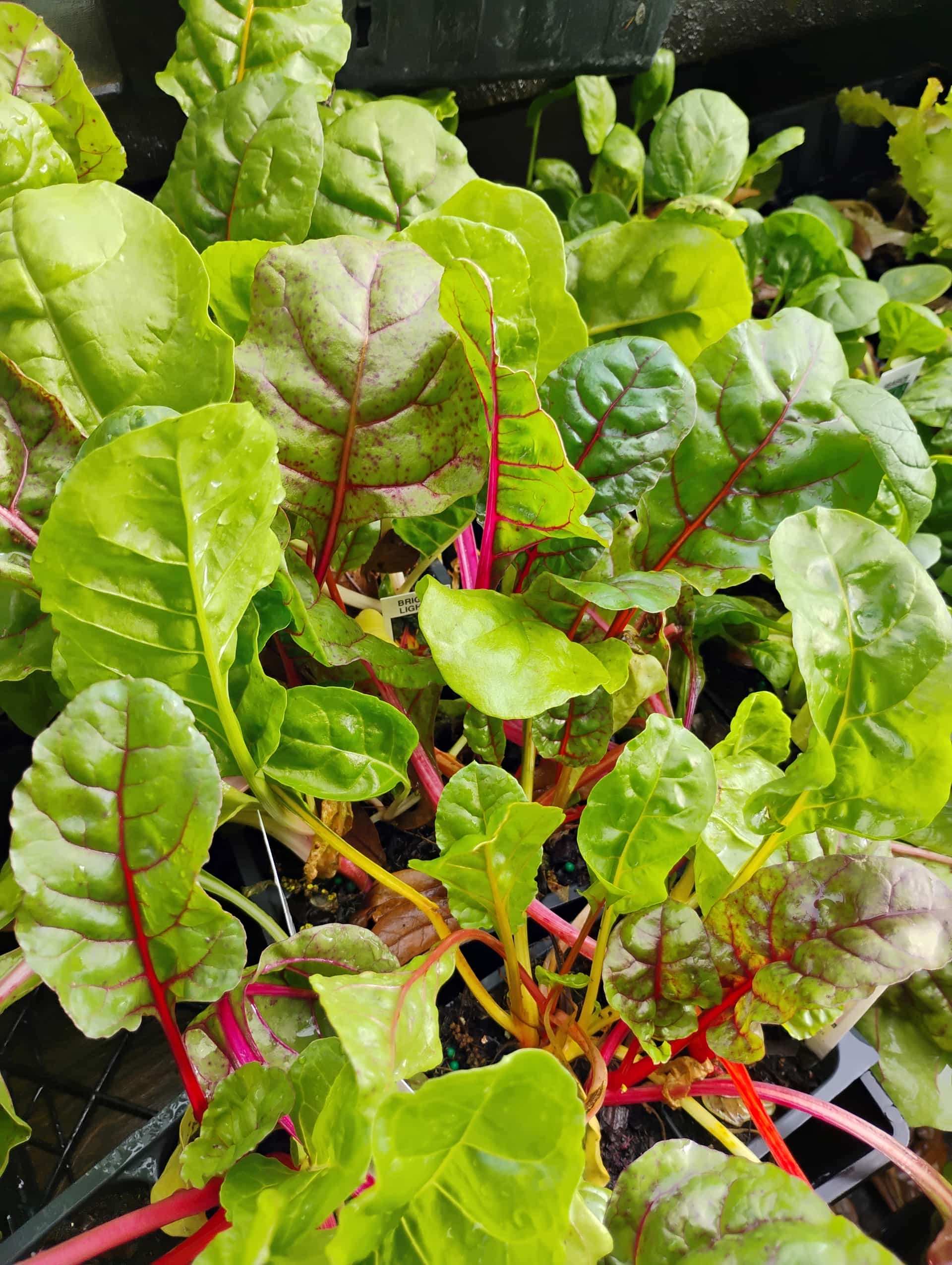
Swiss Chard
Beta vulgaris
Traits
Varieties We Bring In
Last received Sep 18, 2026.
We bring this in seasonally, so what is on the lot changes week to week. A received date shows when it last came in, not that it is here today.
Call (904) 471-0440 to confirm this plant and size before you make the trip.
About Swiss Chard
Swiss chard (Beta vulgaris) is a colorful leafy vegetable in the beet family, prized for its glossy leaves and vivid stems in white, red, yellow, and orange. More heat tolerant than spinach or lettuce, it grows well in NE Florida as both a cool-season and warm-season crop — plant from late summer through spring for best production. Starting at $2.29.
Plant details
- Bloom Season
- Non-flowering
- Flower Color
- Non-flowering
- Growth Rate
- Fast
- Foliage
- Annual
- Soil
- Loam, Sandy, Well-drained
Best planting months
Seasonal care
New foliage emerges. Good planting window.
Active growing season.
Foliage may begin to change or drop. Ideal planting window.
Dormant — drops foliage.
Care essentials
Swiss chard grows best with at least 6 hours of full sun daily. In NE Florida, morning sun with some afternoon shade can help extend productivity through warm spring days.
Keep soil evenly moist with consistent watering — about 1 inch per week. In Florida's sandy soil, water more frequently and mulch around plants to reduce moisture loss and keep roots cool.
Grows well in NE Florida's sandy loam when amended with compost. Prefers slightly acidic to neutral soil (pH 6.0–7.0). Apply a balanced slow-release vegetable fertilizer at planting and side-dress with compost mid-season to sustain leaf production.
Similar needs
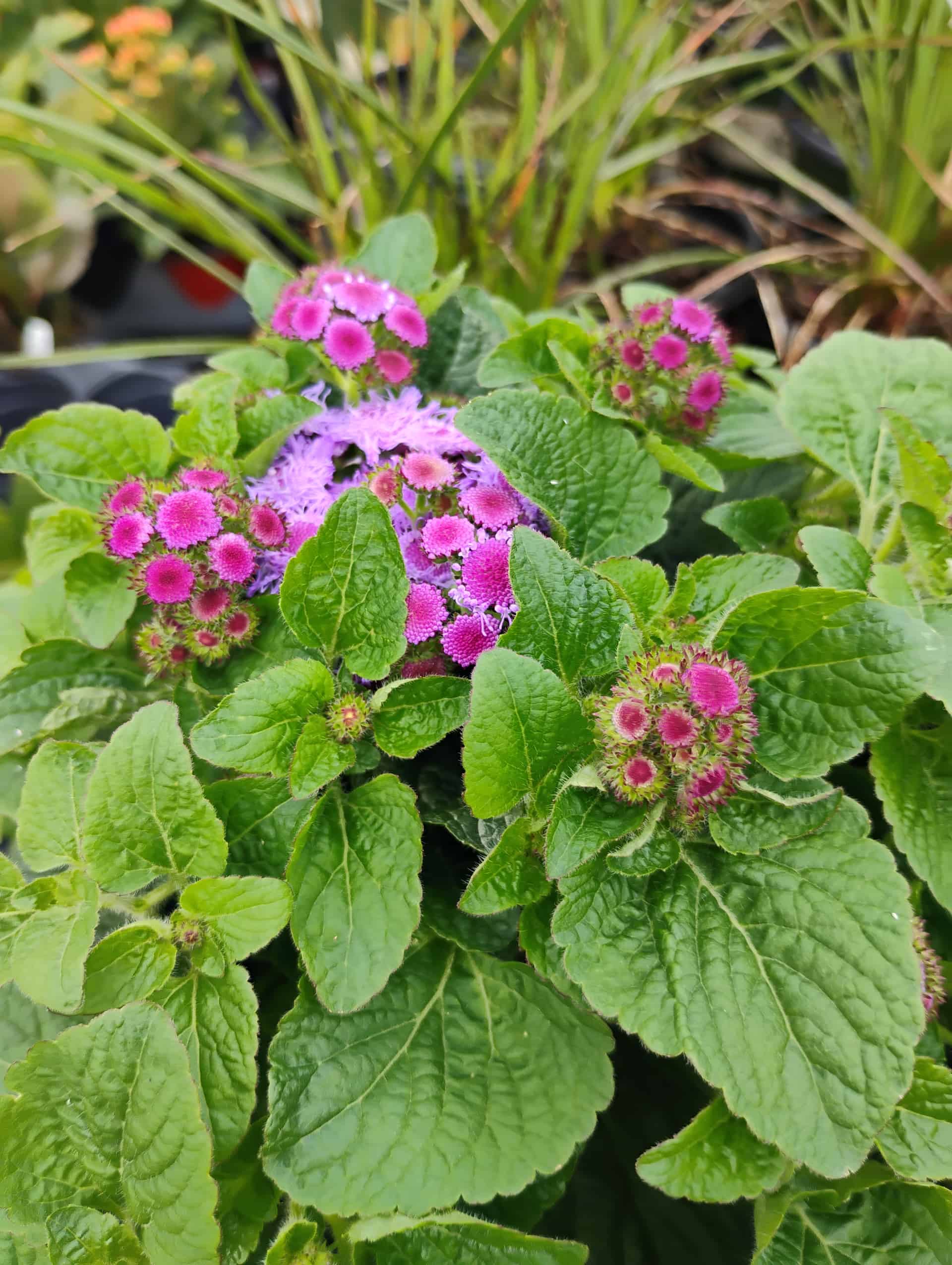
Ageratum
Shares 4 of the same needs: full sun, moderate water, loam, and zone 9a hardiness.
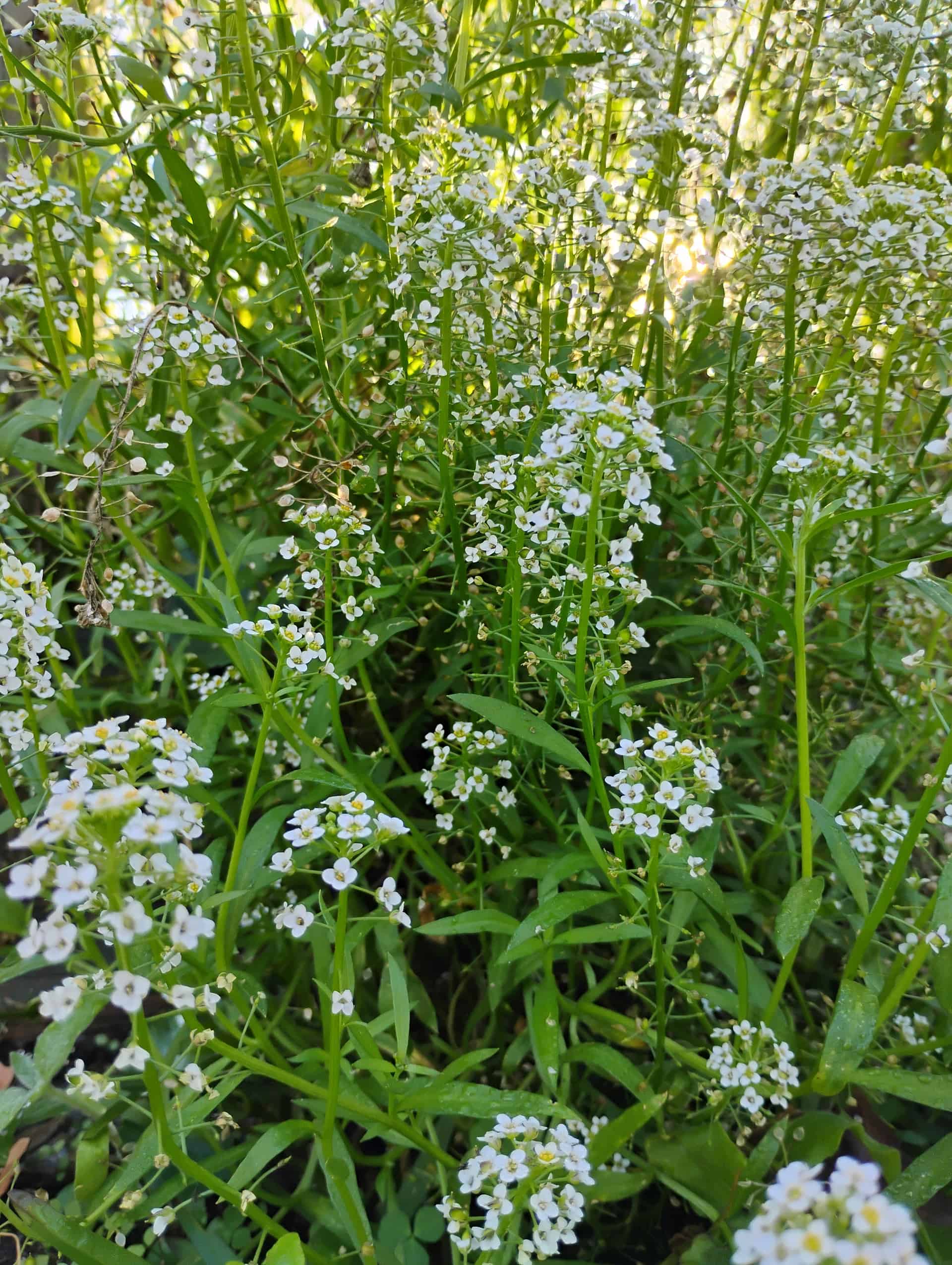
Alyssum
Shares 4 of the same needs: full sun, moderate water, loam, and zone 9a hardiness.
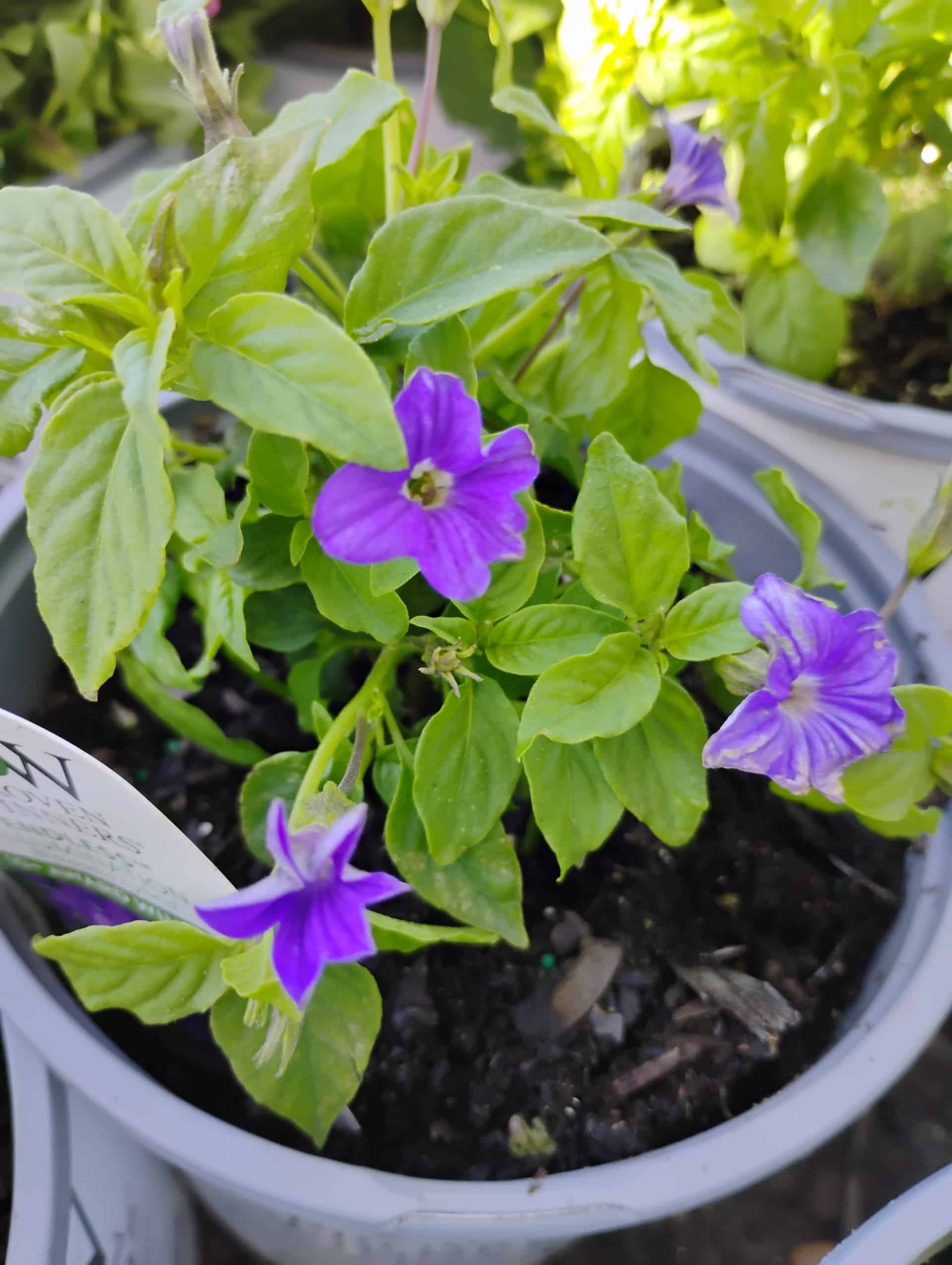
Amethyst Flower
Shares 4 of the same needs: similar light, moderate water, loam, and zone 9a hardiness.
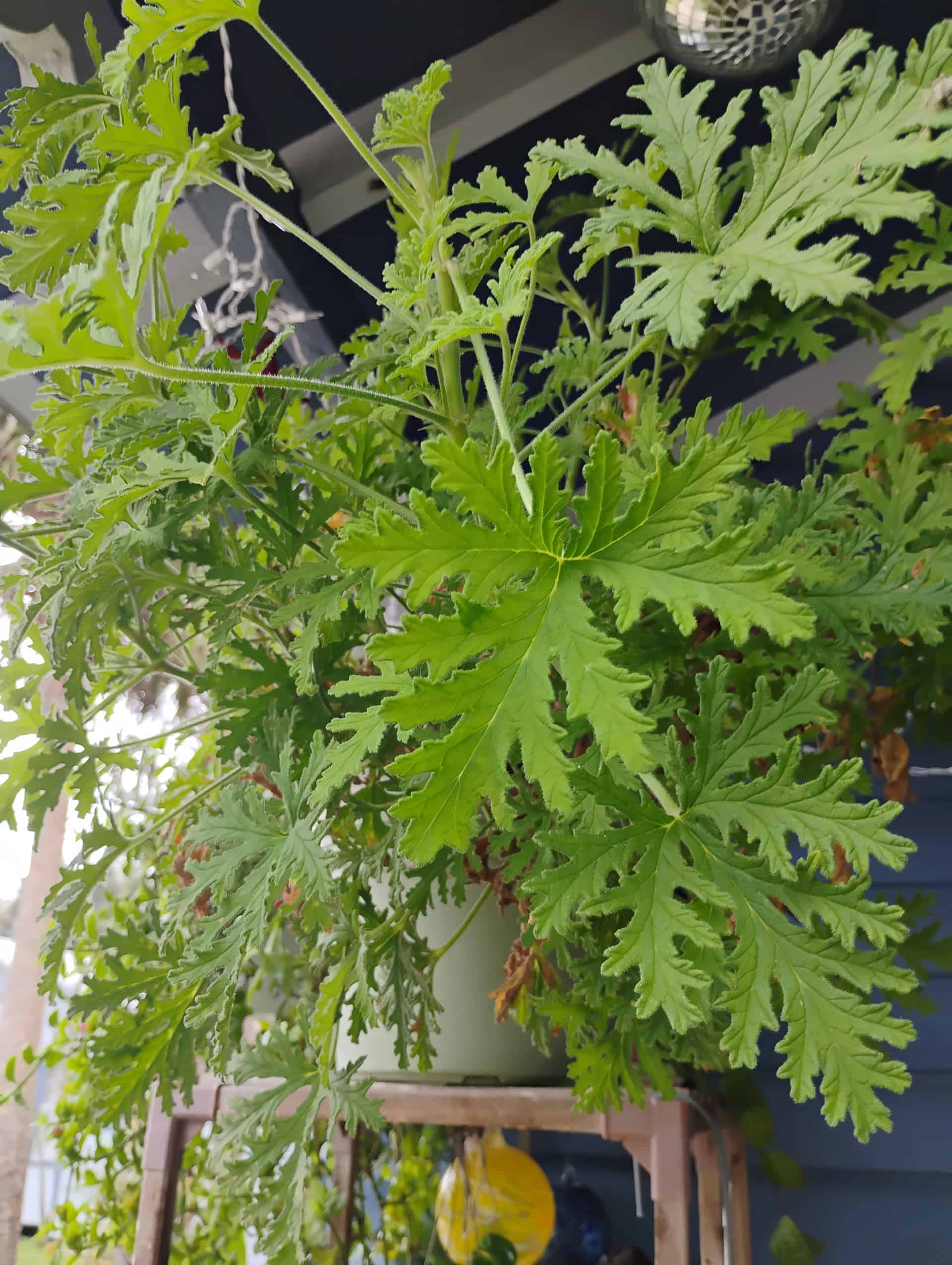
Geranium
Shares 4 of the same needs: full sun, moderate water, loam, and zone 9a hardiness.
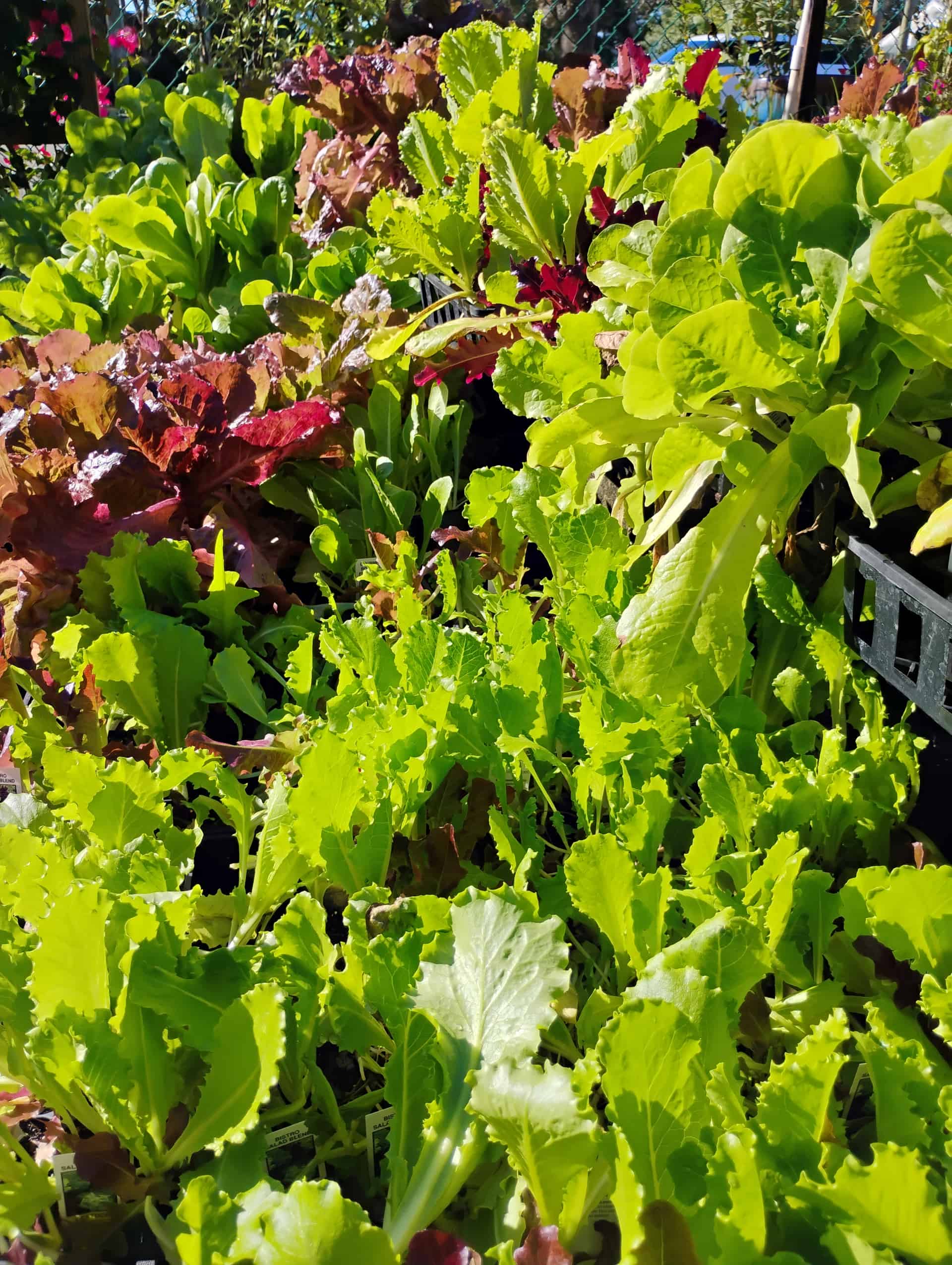
Lettuce
Shares 4 of the same needs: full sun, moderate water, loam, and zone 9a hardiness.
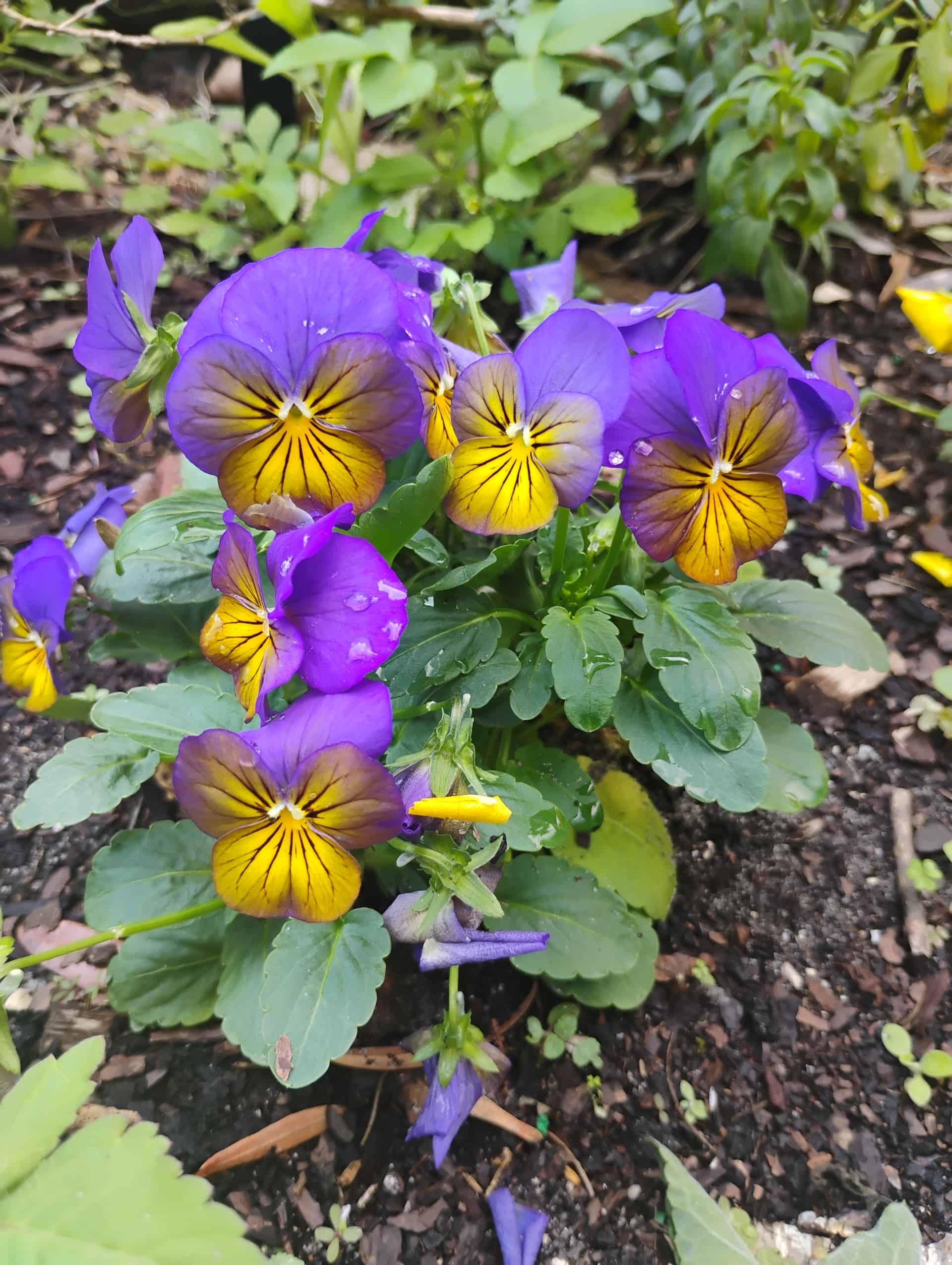
Pansy
Shares 4 of the same needs: full sun, moderate water, loam, and zone 9a hardiness.
You may also like
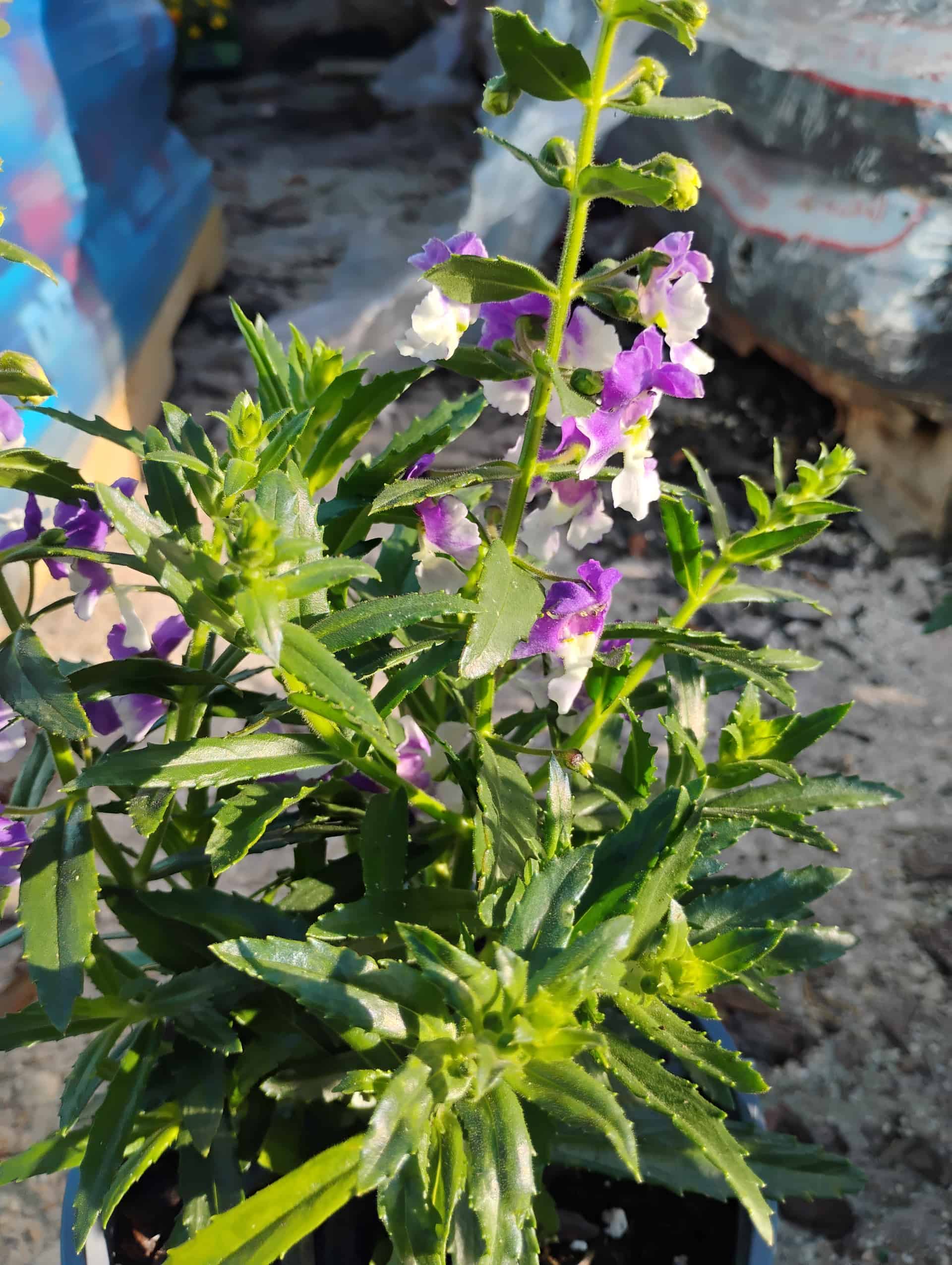
Common questions
Is Swiss Chard a good plant for St. Augustine?
Swiss Chard is a annual for Zone 9b coastal Florida gardens, reaching 1-2 feet × 1-1.5 feet.
Care information verified from
Last reviewed March 2026. Our care guidance comes from trusted horticulture sources and decades of helping St. Augustine gardeners. Conditions here can vary dramatically from one area to the next, so come ask us and we'll tailor it to your yard.