
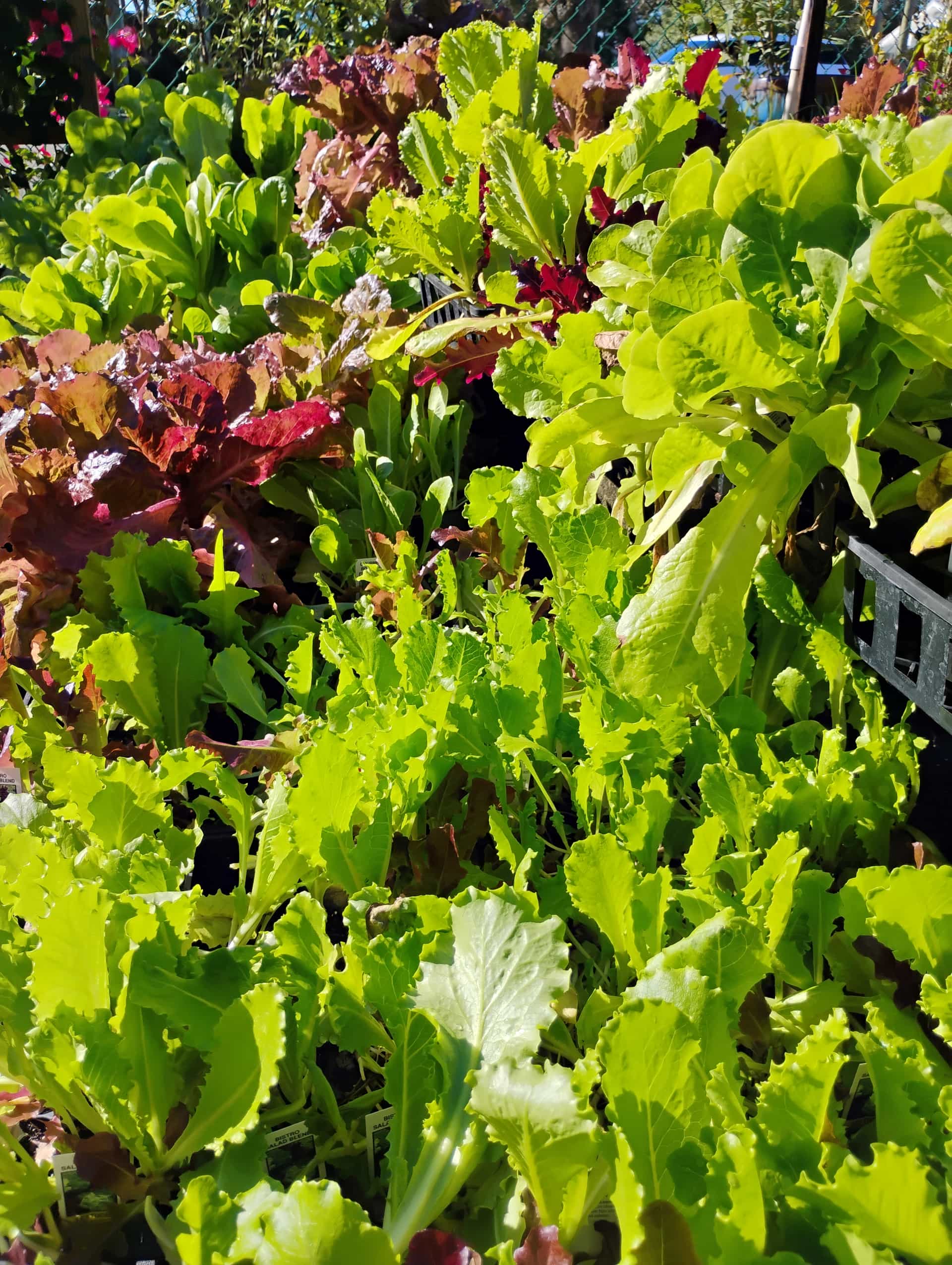
Lettuce
Lactuca sativa
Traits
Varieties We Bring In
Last received Sep 18, 2026.
We bring this in seasonally, so what is on the lot changes week to week. A received date shows when it last came in, not that it is here today.
Call (904) 471-0440 to confirm this plant and size before you make the trip.
About Lettuce
Lettuce (Lactuca sativa) is a fast-growing cool-season annual grown for its tender leaves in forms ranging from loose-leaf and butterhead to crisphead and romaine. In NE Florida it is planted October through February, thriving through the mild winters and producing harvests that are not possible in most of the country in the same season; it bolts and flowers as temperatures warm in spring. Starting at $1.99.
Plant details
- Bloom Season
- Spring
- Flower Color
- Non-flowering
- Growth Rate
- Fast
- Foliage
- Deciduous
- Soil
- Sandy, Loam, Well-drained
Best planting months
Seasonal care
New foliage emerges. Good planting window.
Active growing season.
Foliage may begin to change or drop.
Dormant — drops foliage.
Care essentials
Grow lettuce in full sun to partial sun (at least 4–6 hours daily). In NE Florida, lettuce is a cool-season crop planted October through February; the mild winters allow outdoor production that would fail in northern climates. Provide afternoon shade in late winter to extend harvest before bolting in warming spring temperatures.
Keep soil consistently moist — lettuce has shallow roots and wilts quickly when the soil dries out. Water regularly, ensuring good drainage to prevent crown rot. In NE Florida's sandy soils, frequent light irrigation is more effective than infrequent deep watering.
Grow in well-drained, fertile sandy or loamy soil amended with compost; target a pH of 6.0–7.0. Apply a nitrogen-rich fertilizer at planting and side-dress with ammonium nitrate or similar nitrogen source every 3–4 weeks during the growing season to encourage lush leaf production.
Similar needs
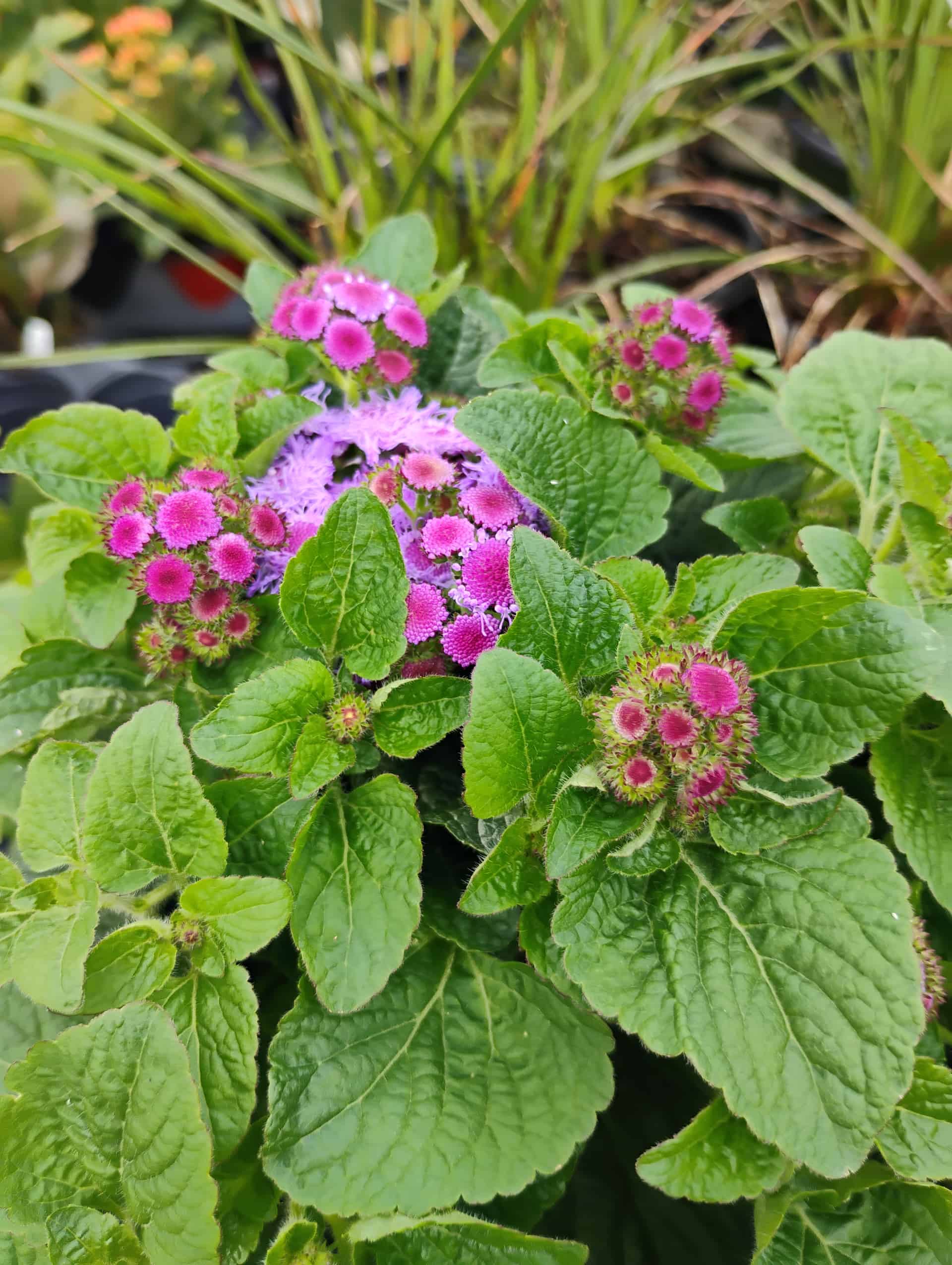
Ageratum
Shares 4 of the same needs: full sun, moderate water, sandy, and zone 9a hardiness.
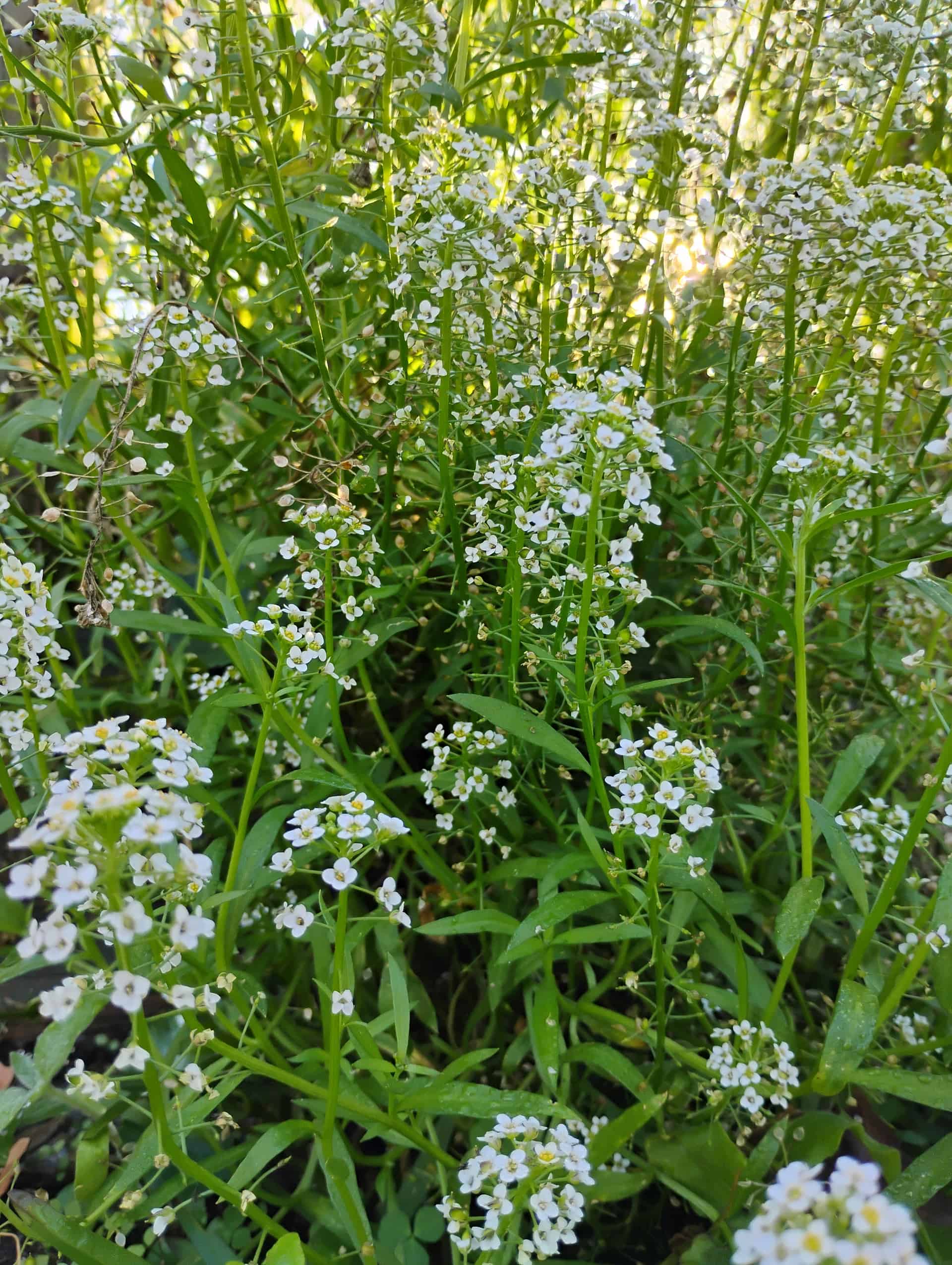
Alyssum
Shares 4 of the same needs: full sun, moderate water, sandy, and zone 9a hardiness.
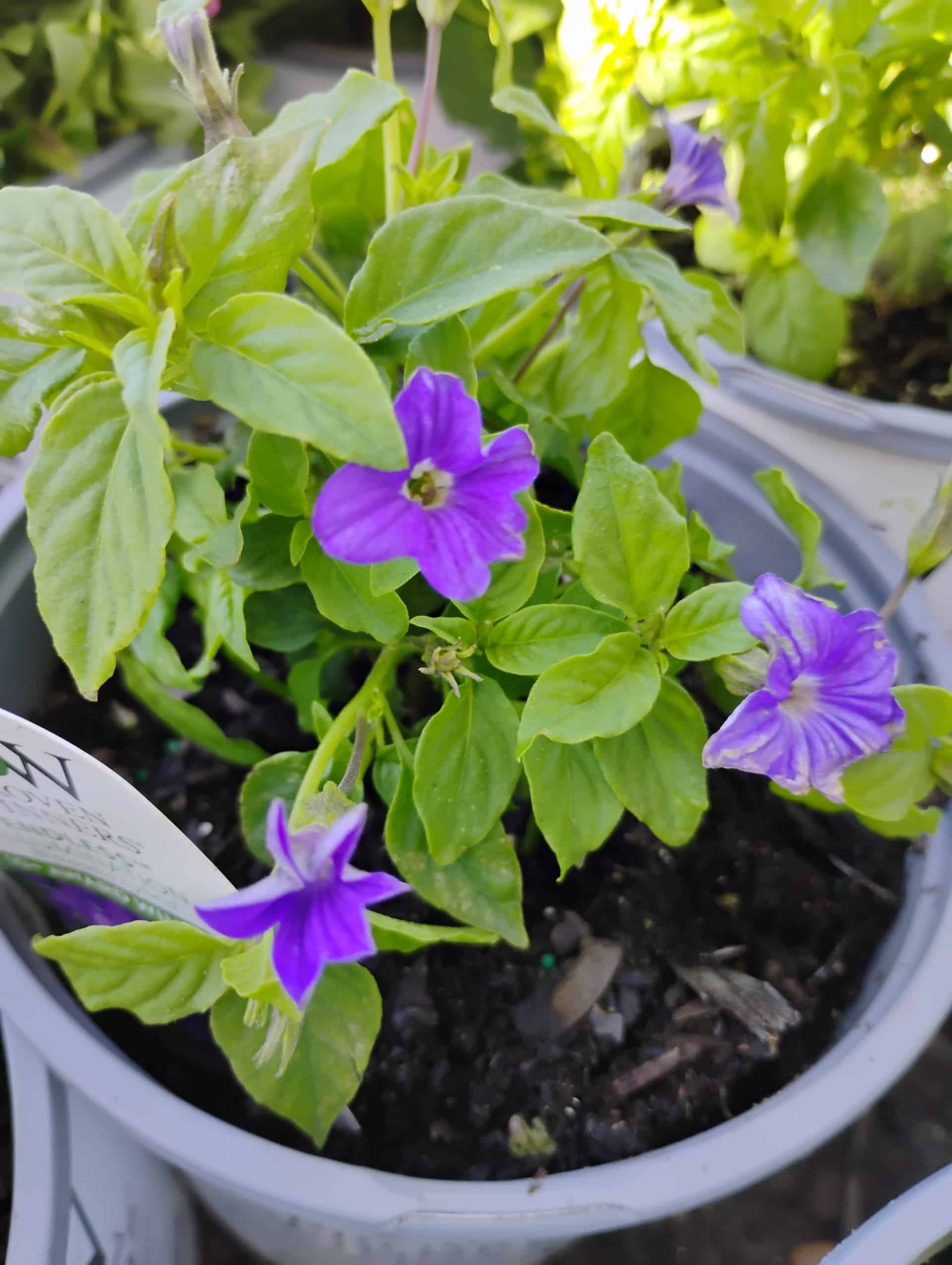
Amethyst Flower
Shares 4 of the same needs: similar light, moderate water, sandy, and zone 9a hardiness.
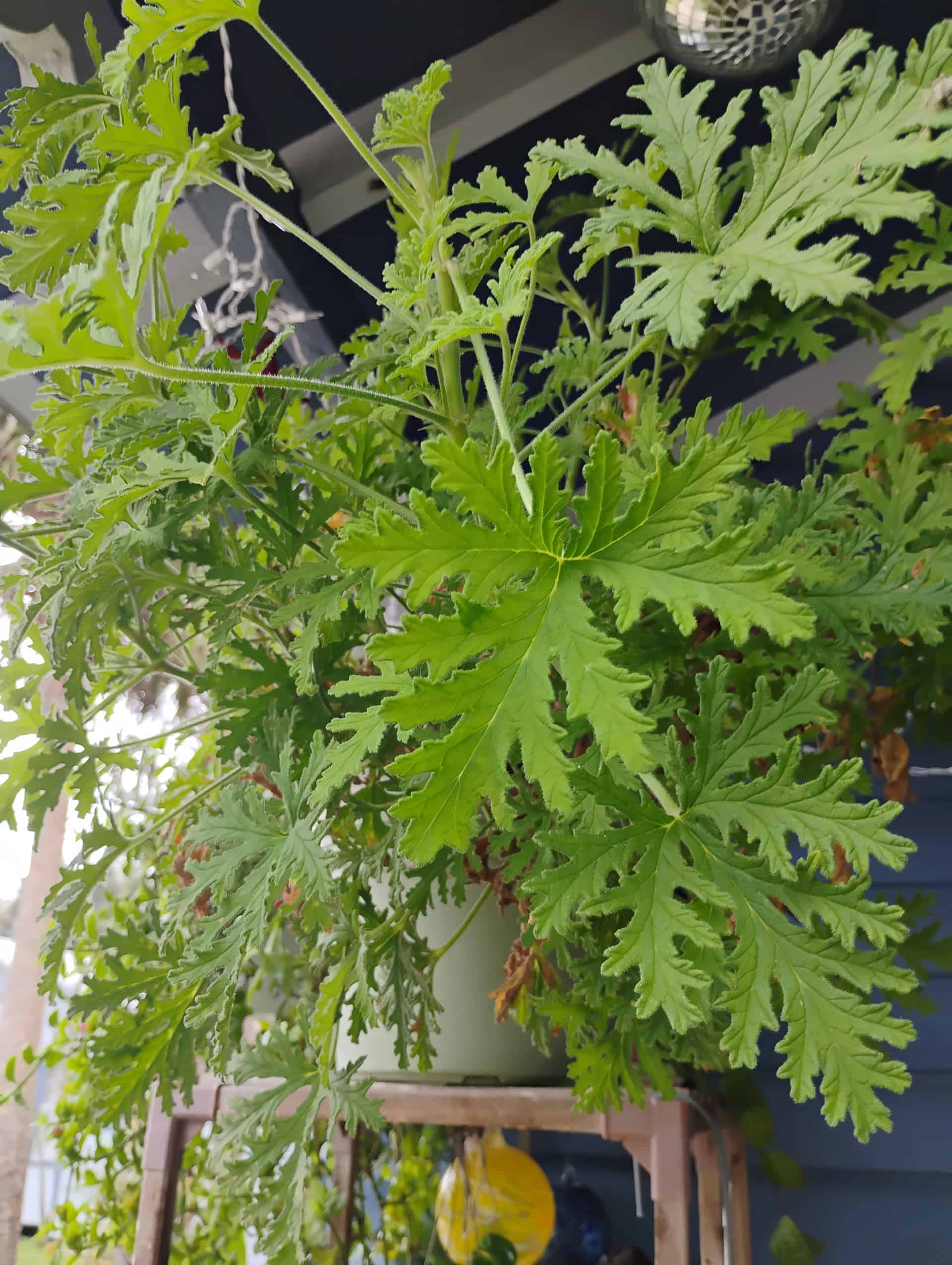
Geranium
Shares 4 of the same needs: full sun, moderate water, sandy, and zone 9a hardiness.
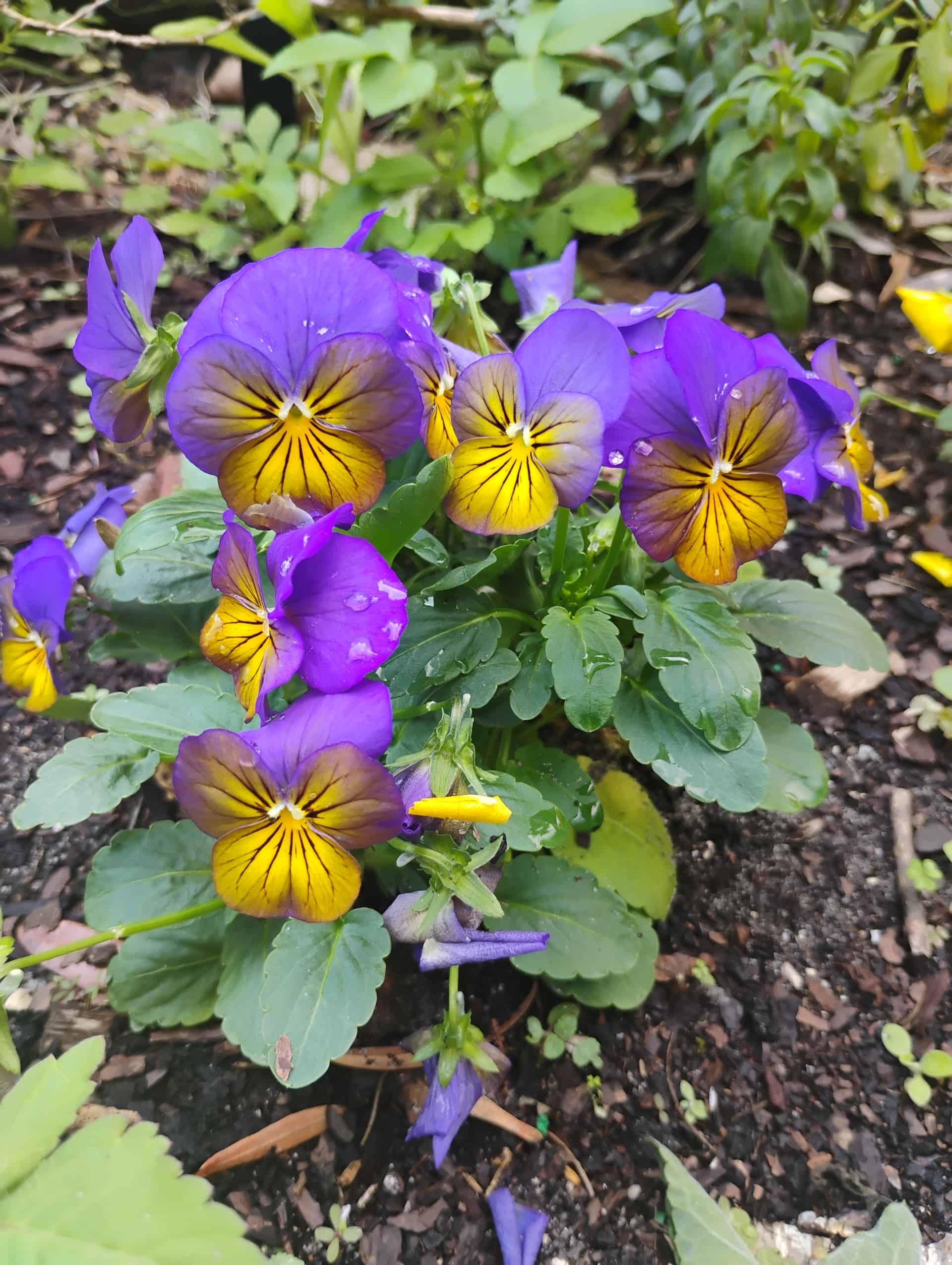
Pansy
Shares 4 of the same needs: full sun, moderate water, sandy, and zone 9a hardiness.
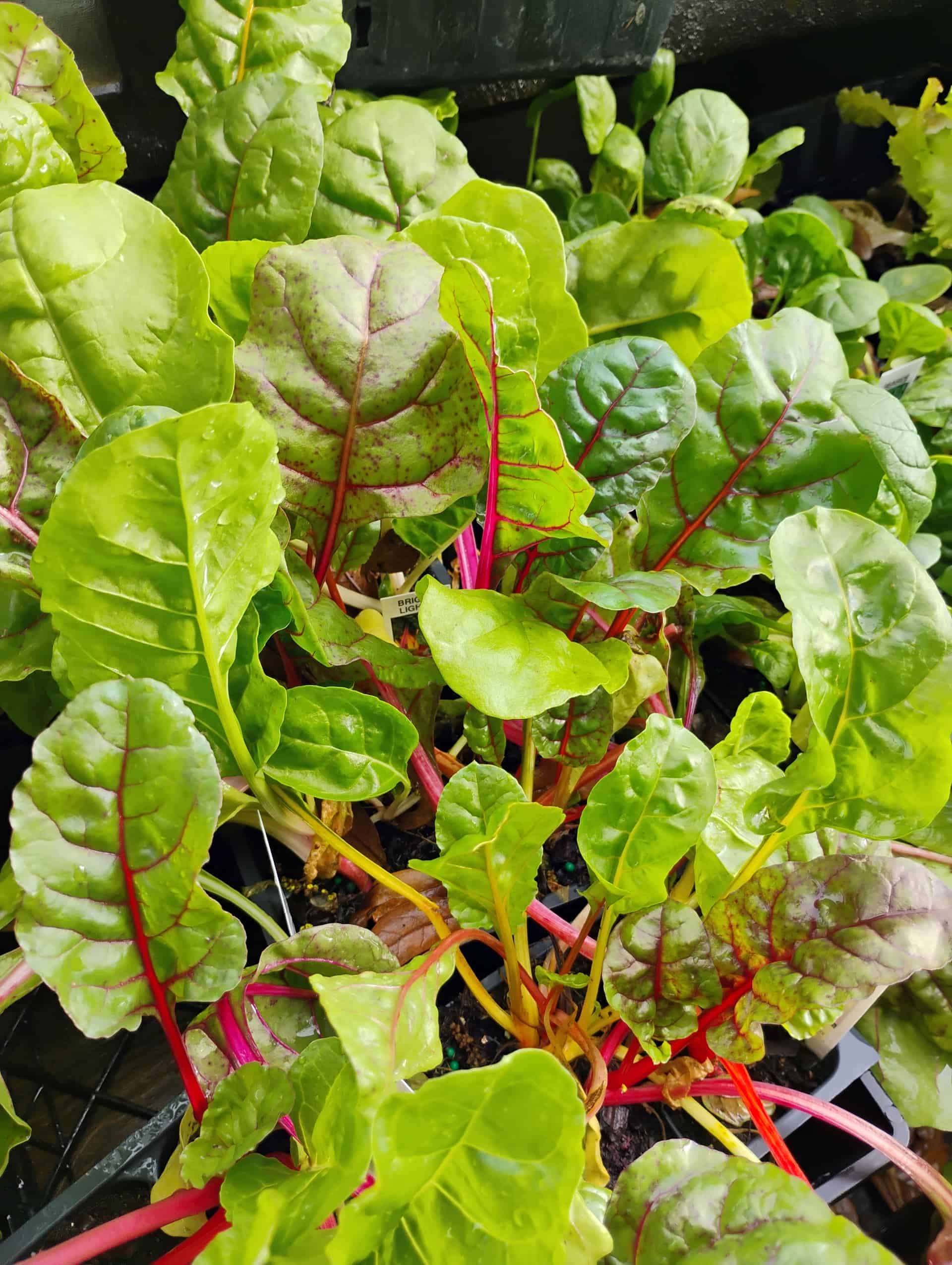
Swiss Chard
Shares 4 of the same needs: full sun, moderate water, sandy, and zone 9a hardiness.
You may also like
Common questions
Is Lettuce a good plant for St. Augustine?
Lettuce is a annual for Zone 9b coastal Florida gardens, reaching 6-12 inches × 6-12 inches.
Care information verified from
Last reviewed February 2026. Our care guidance comes from trusted horticulture sources and decades of helping St. Augustine gardeners. Conditions here can vary dramatically from one area to the next, so come ask us and we'll tailor it to your yard.