
Redbud
Cercis canadensis
Varieties We Bring In
Last received Jul 20, 2026.
We bring this in seasonally, so what is on the lot changes week to week. A received date shows when it last came in, not that it is here today.
Call (904) 471-0440 to confirm this plant and size before you make the trip.
About Redbud
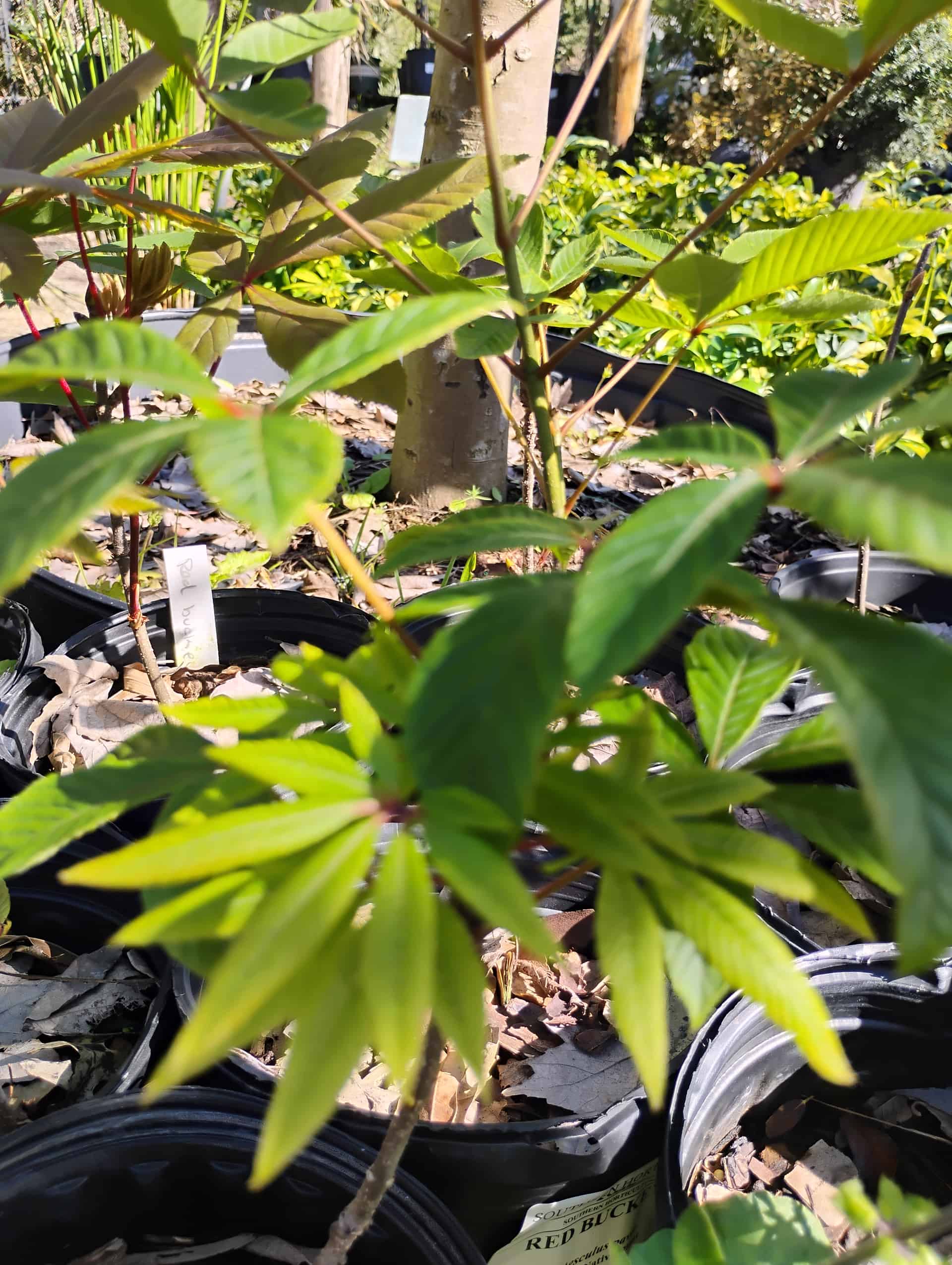
Redbud (Cercis canadensis) is a small, deciduous native tree of eastern North America in the legume family, celebrated for its profusion of vivid rose-pink to magenta flowers that emerge directly from bare branches in early spring before the leaves appear. Heart-shaped leaves emerge reddish-purple and mature to green. Note: this species is rated to USDA zone 9a — in NE Florida's zone 9b, site selection with afternoon shade and good drainage is critical for long-term performance. Starting at $49.95.
Plant details
- Bloom Season
- Spring
- Flower Color
- White, Pink
- Growth Rate
- Fast
- Foliage
- Deciduous
- Soil
- Sandy, Loam, Acidic, Alkaline, Well-drained
Best planting months
Seasonal care
Bloom season. New foliage emerges. Good planting window.
Active growing season.
Foliage may begin to change or drop. Ideal planting window.
Dormant — drops foliage. Can be planted in mild winter periods.
Care essentials
Best in full sun to partial shade; in NE Florida's heat, afternoon shade is important to reduce stress and extend the tree's lifespan. Avoid fully exposed, western-facing sites without some afternoon relief.
Requires consistent moisture, especially during NE Florida's summer dry spells. Redbud does not tolerate drought or waterlogged soils. Water deeply during establishment and supplement during extended dry periods.
Adapts to sandy, loamy, acidic, or alkaline soils but prefers moist, well-drained conditions. In NE Florida, avoid heavy wet clay. Apply a balanced slow-release fertilizer in early spring. Note: Cercis canadensis is rated only to zone 9a — zone 9b performance is marginal; consider heat-adapted cultivars or provide a protected microclimate.
Similar needs
Sugarberry
Shares 5 of the same needs: full sun, moderate water, sandy, zone 9a hardiness, and pollinator-friendly.
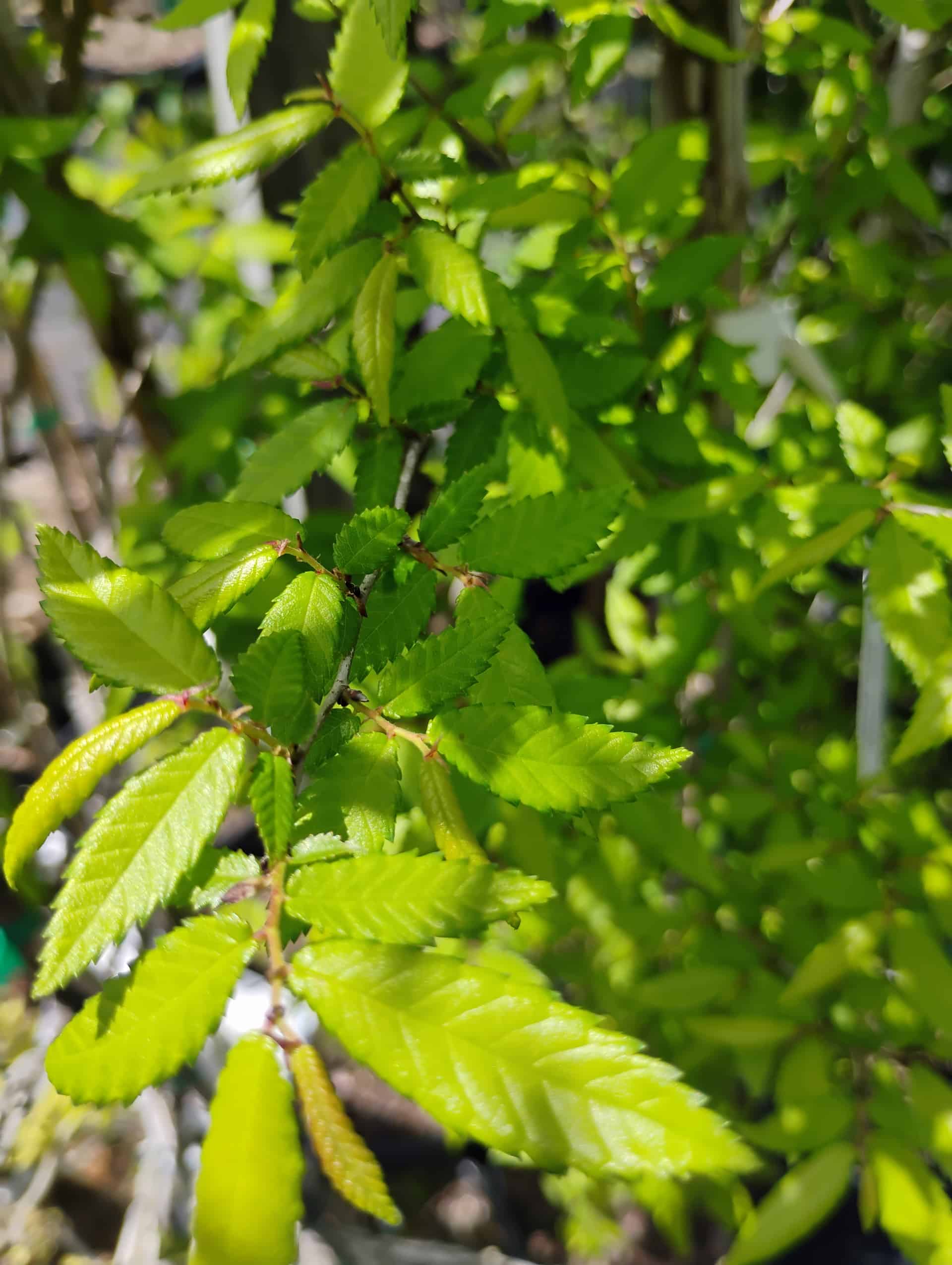
Winged Elm
Shares 4 of the same needs: full sun, moderate water, sandy, and zone 9a hardiness.
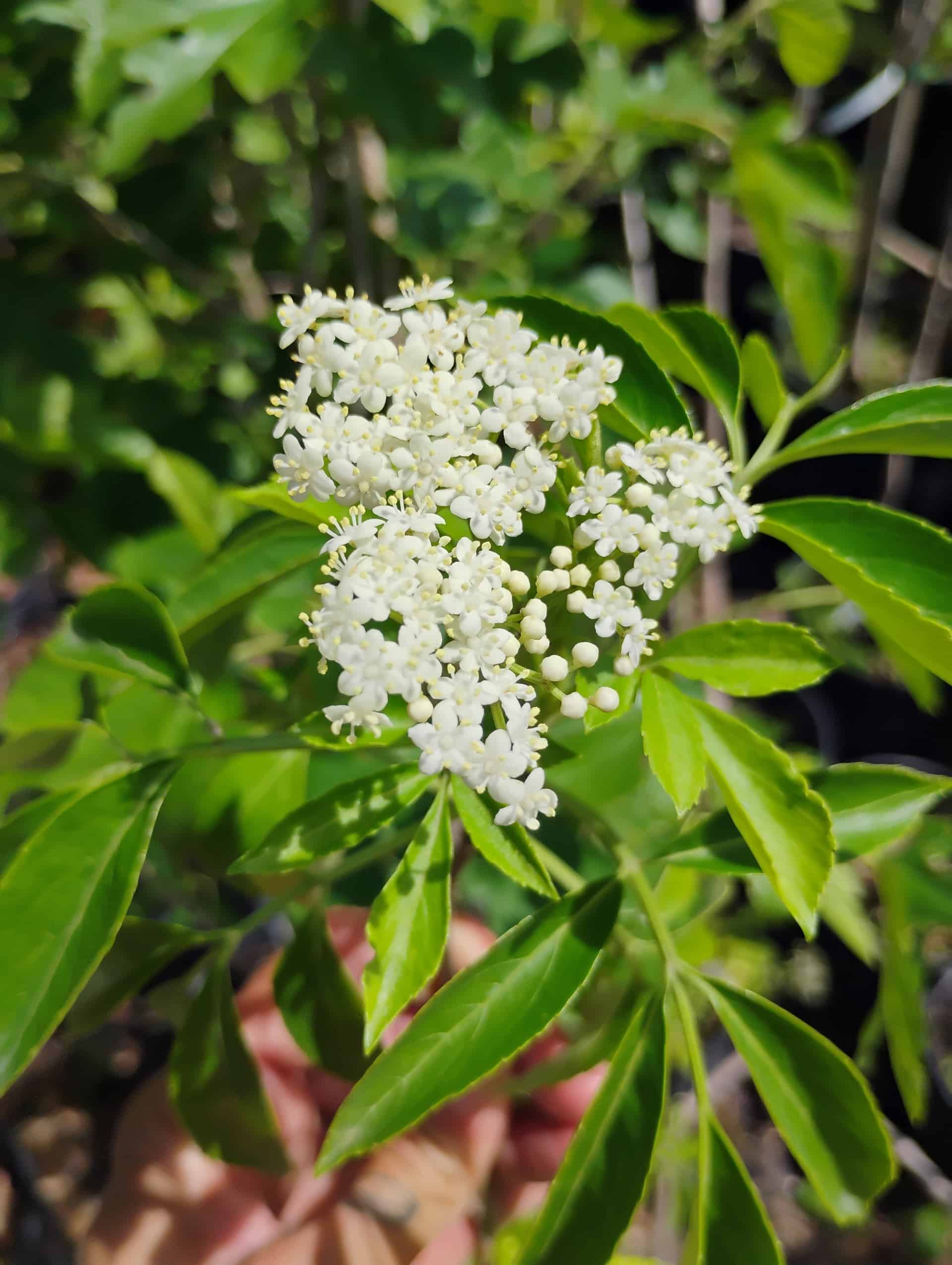
Elderberry
Shares 5 of the same needs: full sun, moderate water, sandy, zone 9a hardiness, and pollinator-friendly.
Marlberry
Shares 5 of the same needs: full sun, moderate water, sandy, zone 9a hardiness, and pollinator-friendly.
Saltbush
Shares 5 of the same needs: full sun, moderate water, sandy, zone 9a hardiness, and pollinator-friendly.
Tropical Sage
Shares 5 of the same needs: full sun, moderate water, sandy, zone 9a hardiness, and pollinator-friendly.
You may also like
Common questions
Is Redbud a good plant for St. Augustine?
Redbud is a tree for Zone 9b coastal Florida gardens, reaching 20-30 feet × 20-25 feet.
Care information verified from
Last reviewed February 2026. Our care guidance comes from trusted horticulture sources and decades of helping St. Augustine gardeners. Conditions here can vary dramatically from one area to the next, so come ask us and we'll tailor it to your yard.