
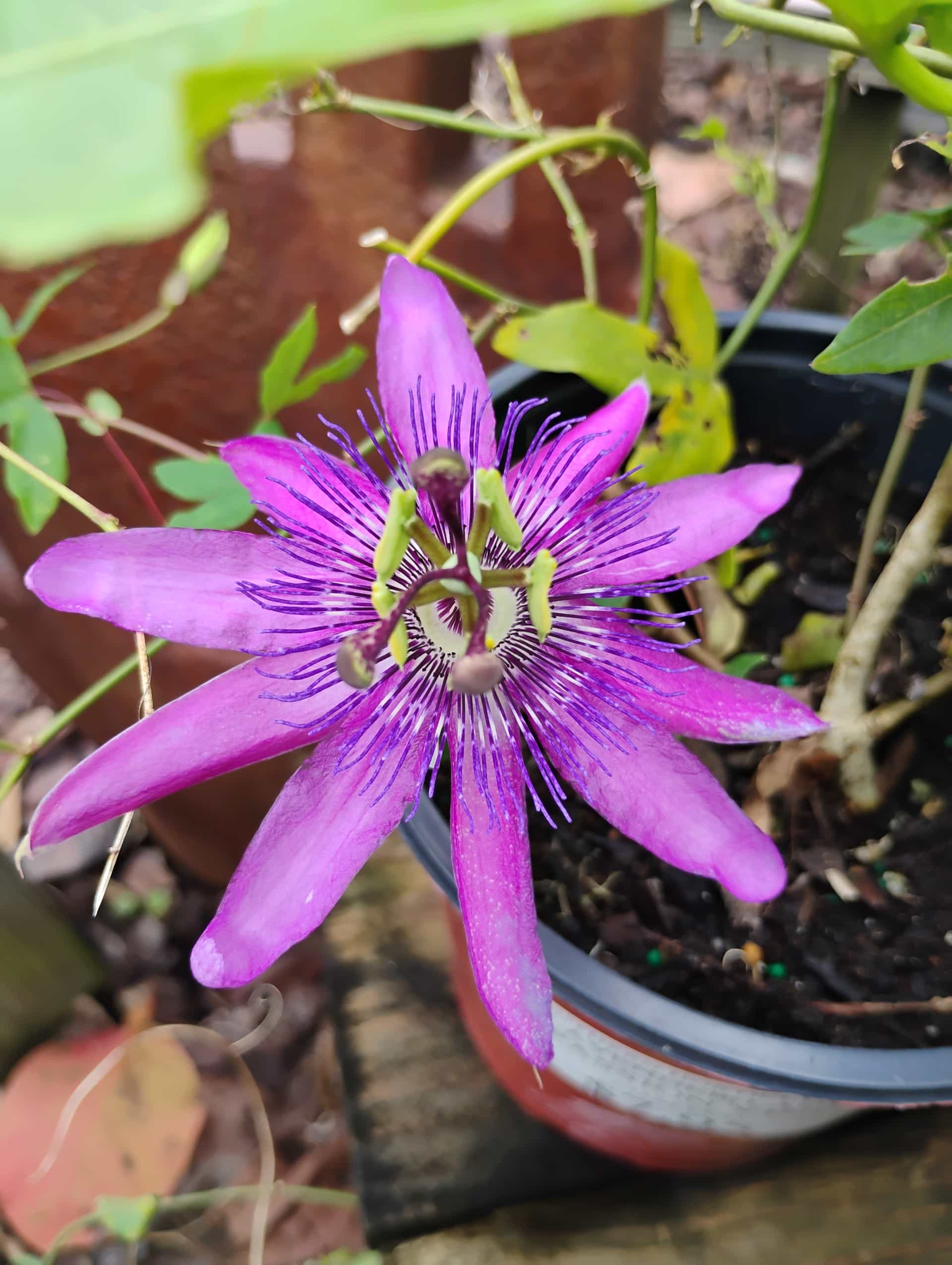
Varieties We Bring In
Standard · Lavender Lady · Incense · Purple · Maypop · Corky Stem
Frederick · Sweet Sunrise
Standard · Possum Purple
We received some Maypop on Jul 19, 2026.
We bring this in seasonally, so what is on the lot changes week to week. A received date shows when it last came in, not that it is here today.
Call (904) 471-0440 to confirm this plant and size before you make the trip.
Last received Jul 19, 2026.
We bring this in seasonally, so what is on the lot changes week to week. A received date shows when it last came in, not that it is here today.
Call (904) 471-0440 to confirm this plant and size before you make the trip.
Pet toxicity: Non-toxic to dogs and cats
Pet safety guideAbout Maypop
Passion Vine (Passiflora incarnata) is a vigorous native vine of the eastern US with intricate, three-inch lavender and white flowers featuring a fringed corona. It produces edible oval fruits called maypops and is an essential larval host plant for the zebra longwing and gulf fritillary butterflies.
Plant details
- Bloom Season
- Summer, Fall
- Flower Color
- White, Purple, Blue
- Growth Rate
- Fast
- Foliage
- Deciduous
- Soil
- Sandy, Loam, Clay, Well-drained
Best planting months
Recommended months: February, March, April, May.
Seasonal care
Bloom season. Good planting window.
Bloom season.
Bloom season.
Retains foliage through winter. Can be planted in mild winter periods.
Care essentials
Plant maypop in full sun with a sturdy trellis or fence for its tendrils to climb; it thrives in NE Florida's heat and sun exposure. Choose a location where its vigorous spreading habit can be managed.
Maypop is drought-tolerant once established and needs only occasional watering in NE Florida. Water regularly during the first season to establish roots; avoid waterlogged soil. It dies back to the ground after frost and re-emerges reliably each spring.
Maypop is not picky about soil and grows in sand, loam, or clay as long as drainage is adequate. Minimal fertilizer is needed — this native thrives with little intervention once established in NE Florida's typical soils.
Similar needs
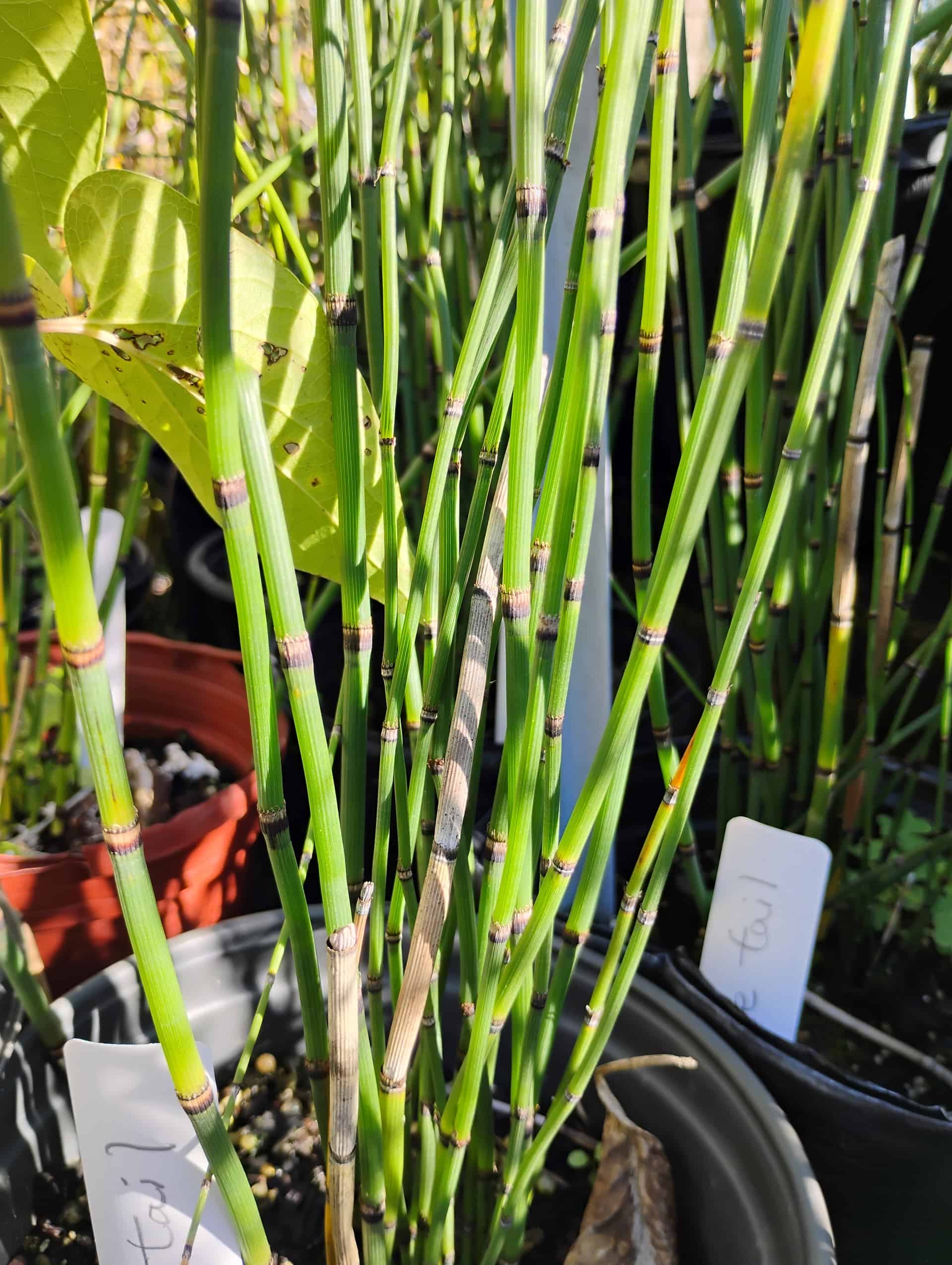
Horsetail
Shares 4 of the same needs: full sun, loam, salt tolerance, and zone 9a hardiness.

Coral Honeysuckle
Shares 6 of the same needs: full sun, moderate water, sandy, salt tolerance, zone 9a hardiness, and pollinator-friendly.

English Ivy
Shares 5 of the same needs: moderate water, sandy, salt tolerance, zone 9a hardiness, and pollinator-friendly.
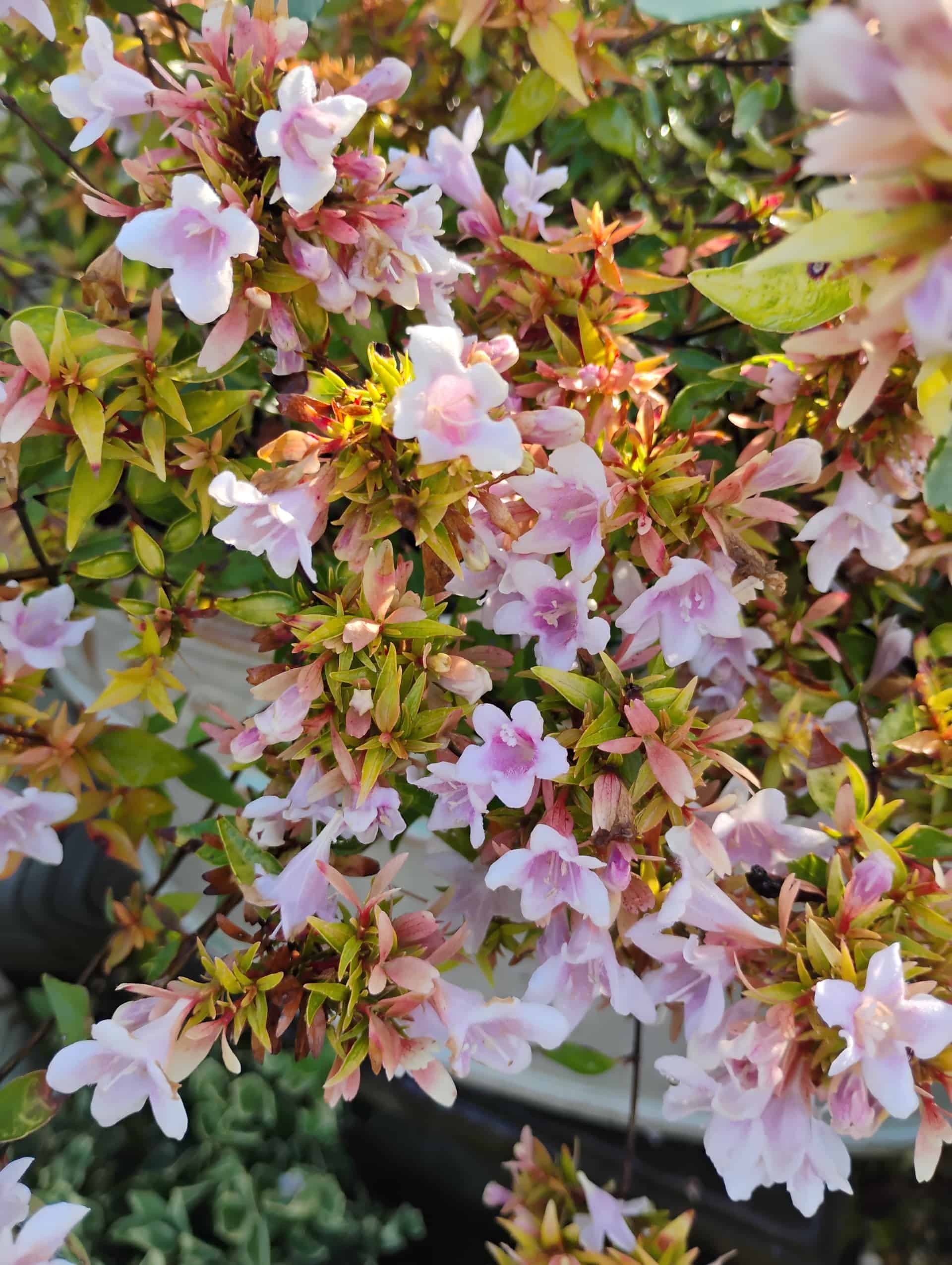
Abelia
Shares 6 of the same needs: full sun, moderate water, sandy, salt tolerance, zone 9a hardiness, and pollinator-friendly.
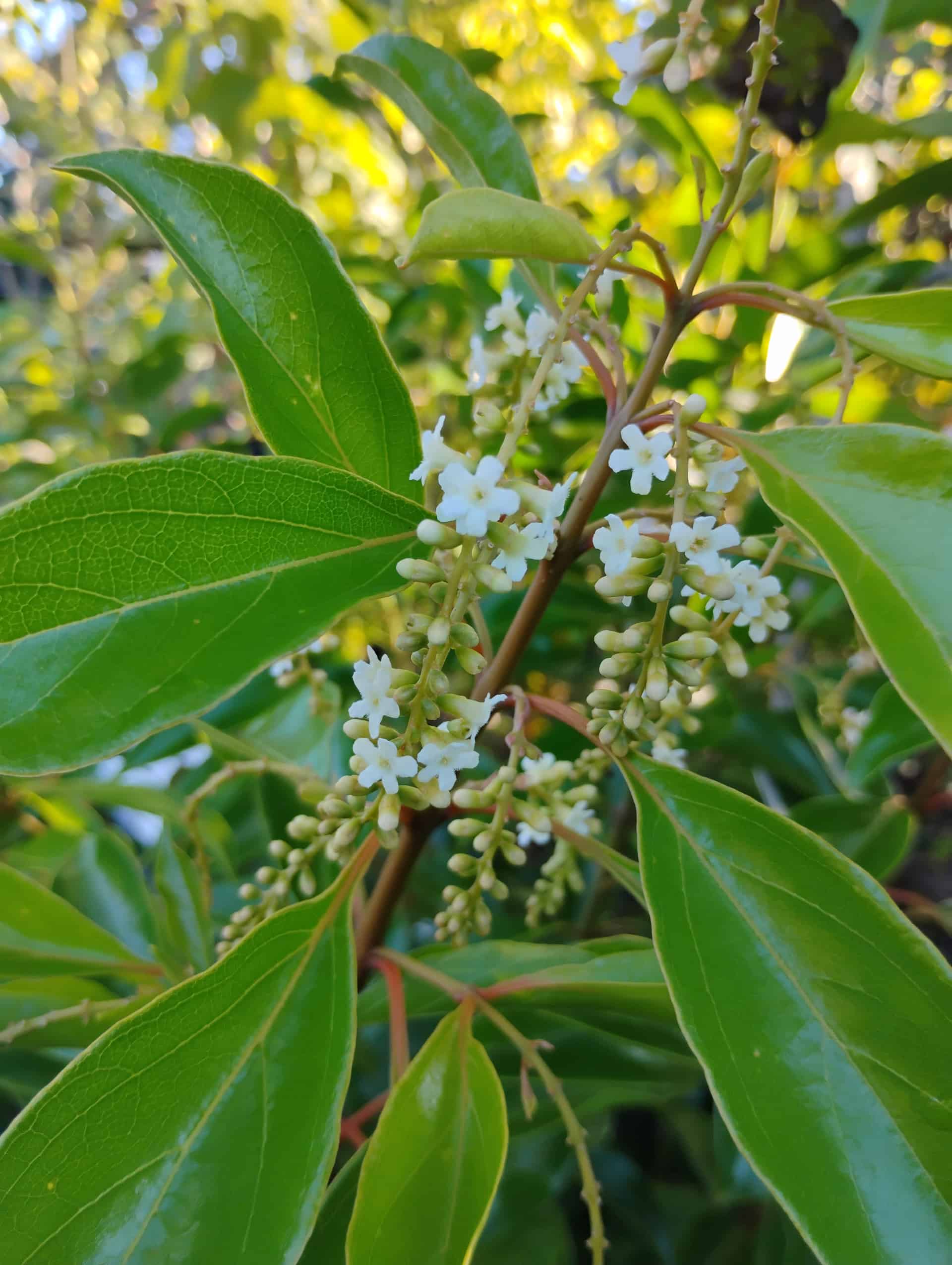
Almond Bush
Shares 6 of the same needs: full sun, moderate water, sandy, salt tolerance, zone 9a hardiness, and pollinator-friendly.
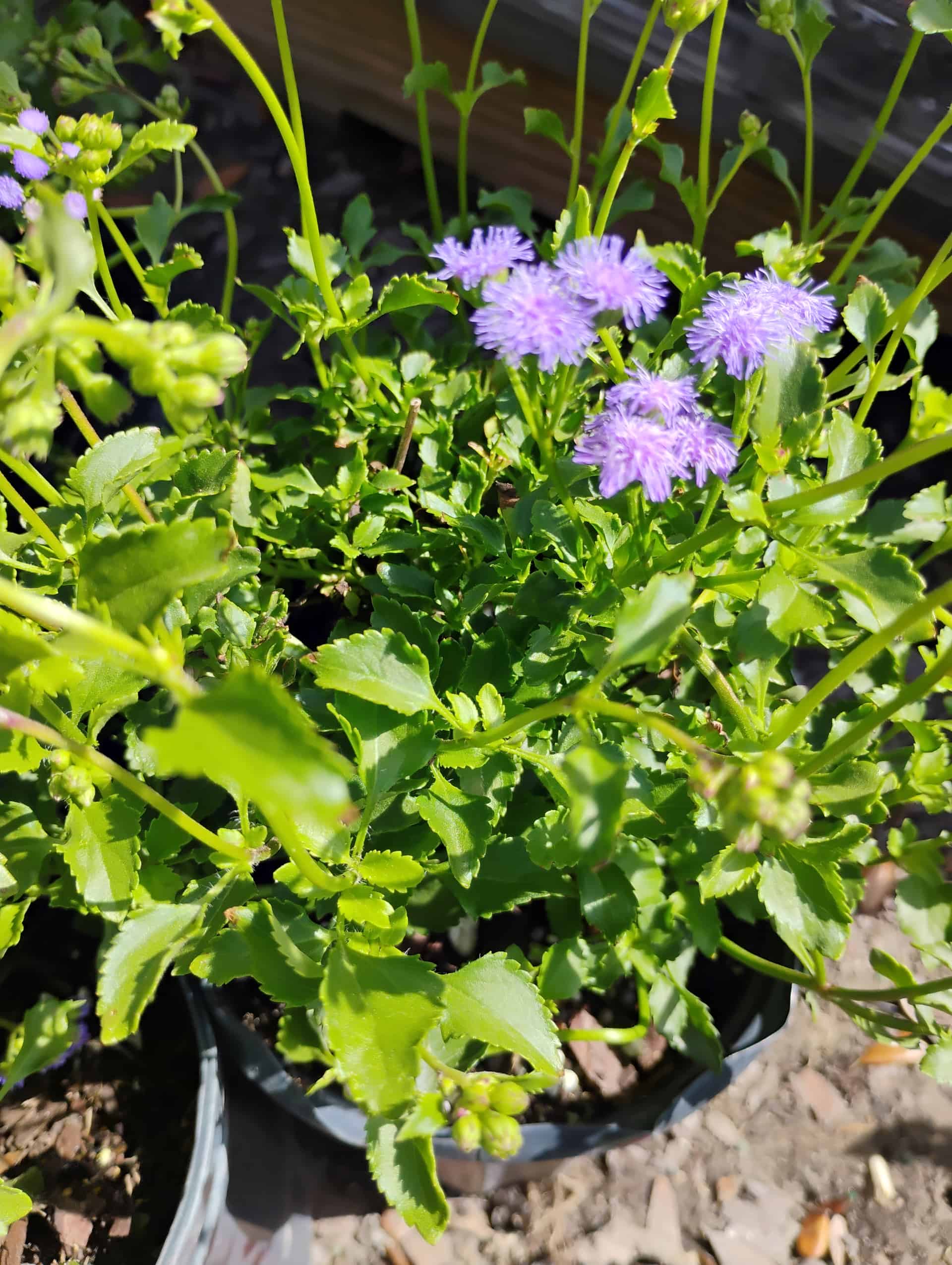
Blue Mistflower
Shares 6 of the same needs: full sun, moderate water, sandy, salt tolerance, zone 9a hardiness, and pollinator-friendly.
You may also like
 Vine
Kiwi Vine
Actinidia deliciosa
 Vine
Purple Allamanda
Allamanda blanchetii
 Vine
Beach Morning Glory
Ipomoea imperati
Common questions
Is Maypop a good plant for St. Augustine?
Maypop is a vine. Mature size: 10-20 feet long (vine) × 6-10 feet. Light: Full Sun. Water needs: Low to Moderate. Maypop is Florida-Friendly. Recorded hardiness zone: 9a. Recorded salt tolerance: low.
What is the recorded pet toxicity for Maypop?
Non-toxic to dogs and cats
Care information verified from
Last reviewed February 2026. Our care guidance comes from trusted horticulture sources and decades of helping St. Augustine gardeners. Conditions here can vary dramatically from one area to the next, so come ask us and we'll tailor it to your yard.