
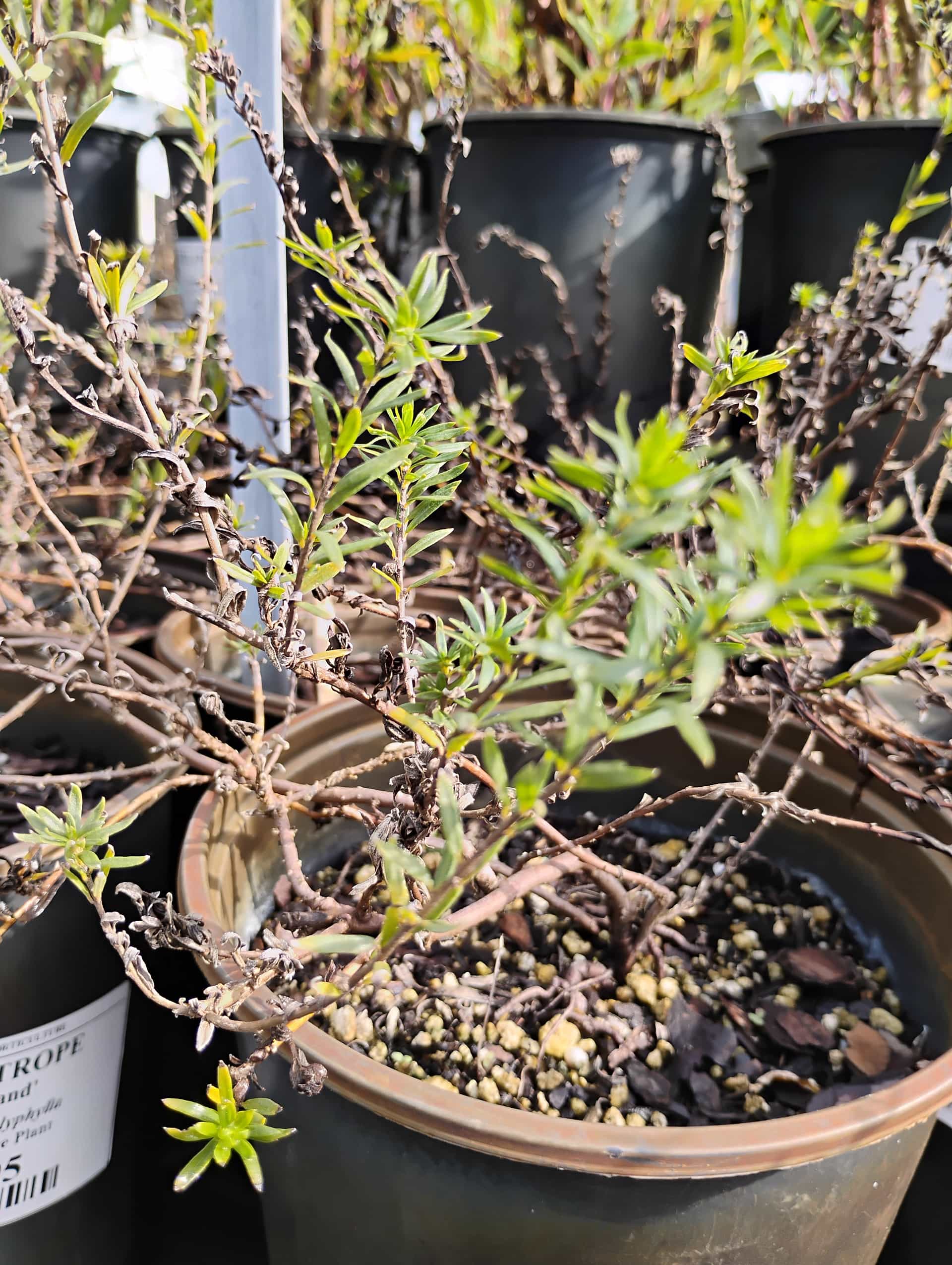
Varieties We Bring In
Assorted · Midnight Sky · Aromagica Purple
Assorted
Assorted
We received some Heliotrope on Jul 19, 2026.
We bring this in seasonally, so what is on the lot changes week to week. A received date shows when it last came in, not that it is here today.
Call (904) 471-0440 to confirm this plant and size before you make the trip.
Last received Jul 19, 2026.
We bring this in seasonally, so what is on the lot changes week to week. A received date shows when it last came in, not that it is here today.
Call (904) 471-0440 to confirm this plant and size before you make the trip.
Pet toxicity: Toxic to dogs, cats, and horses
Pet safety guideAbout Heliotrope
Heliotrope (Heliotropium arborescens) is a Peruvian annual or tender shrub cherished for its dense clusters of small, richly vanilla-scented flowers in deep violet-purple, lavender, and white. Its intensely fragrant blooms and dark, textured foliage make it a classic choice for containers, borders, and cutting gardens.
Plant details
- Bloom Season
- Spring, Summer, Fall
- Flower Color
- White, Purple, Blue
- Growth Rate
- Moderate
- Foliage
- Annual
- Soil
- Loam, Well-drained, Organic-rich
Best planting months
Recommended months: March, April, May, October, November.
Seasonal care
Bloom season. Good planting window.
Bloom season.
Bloom season. Ideal planting window.
Retains foliage through winter.
Care essentials
Plant in full sun for best flowering; in NE Florida's intense summer heat, afternoon shade helps prevent wilting and extends bloom. Minimum 6 hours of direct sun daily.
Water consistently and do not allow the soil to dry out completely — heliotrope dislikes drought. In Florida's heat, check containers daily; in-ground plants need water 2–3 times per week until established, then weekly deep watering.
Grow in fertile, organically rich, well-draining soil. Amend sandy Florida soils with compost before planting. Fertilize monthly with a balanced slow-release fertilizer during the growing season to support continuous bloom.
Similar needs
Scallion / Bunching Onion
Shares 3 of the same needs: full sun, loam, and pollinator-friendly.
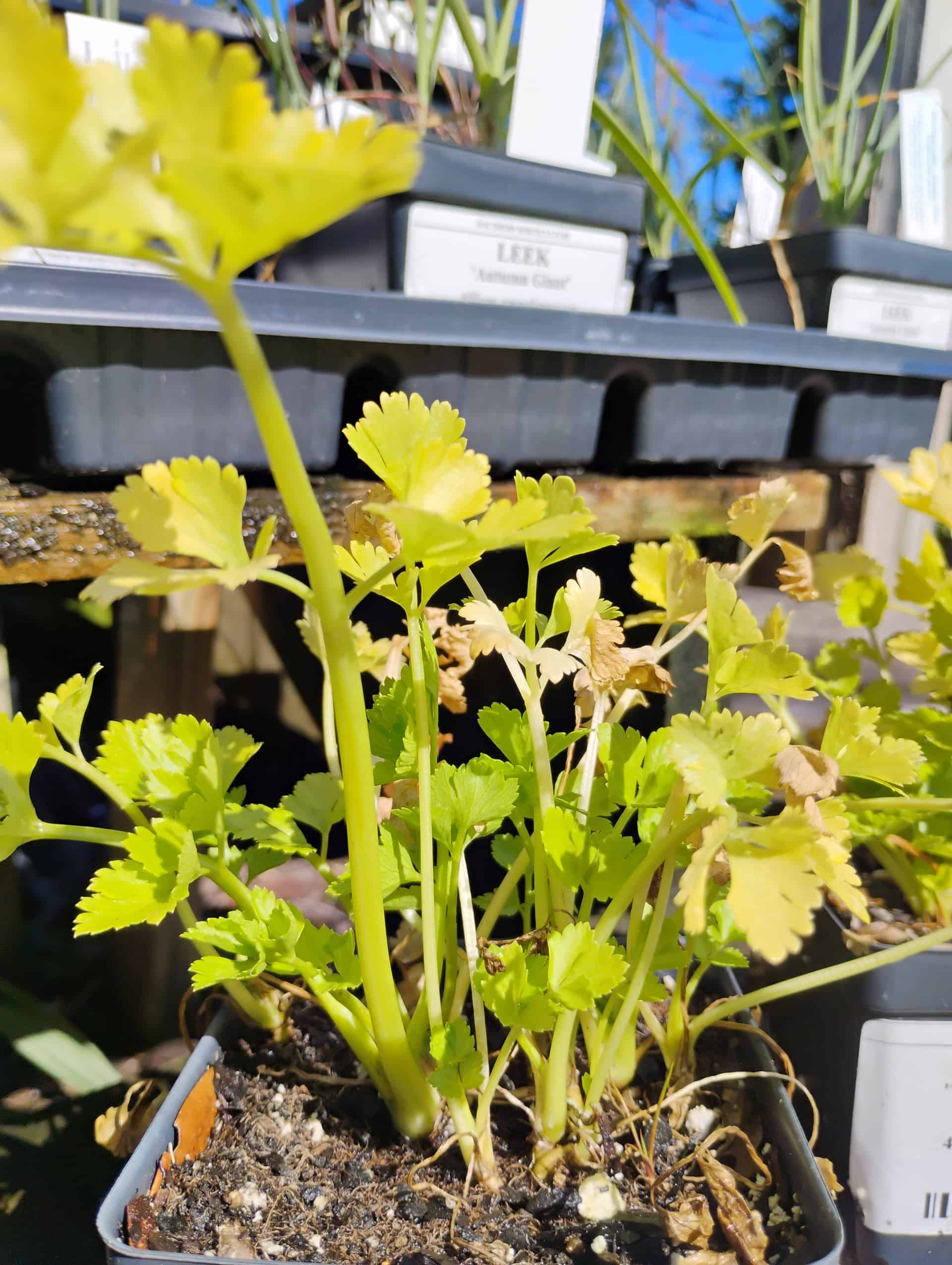
Celery
Shares 4 of the same needs: full sun, high water, loam, and zone 9a hardiness.

New Guinea Impatiens
Shares 4 of the same needs: similar light, high water, loam, and zone 9a hardiness.
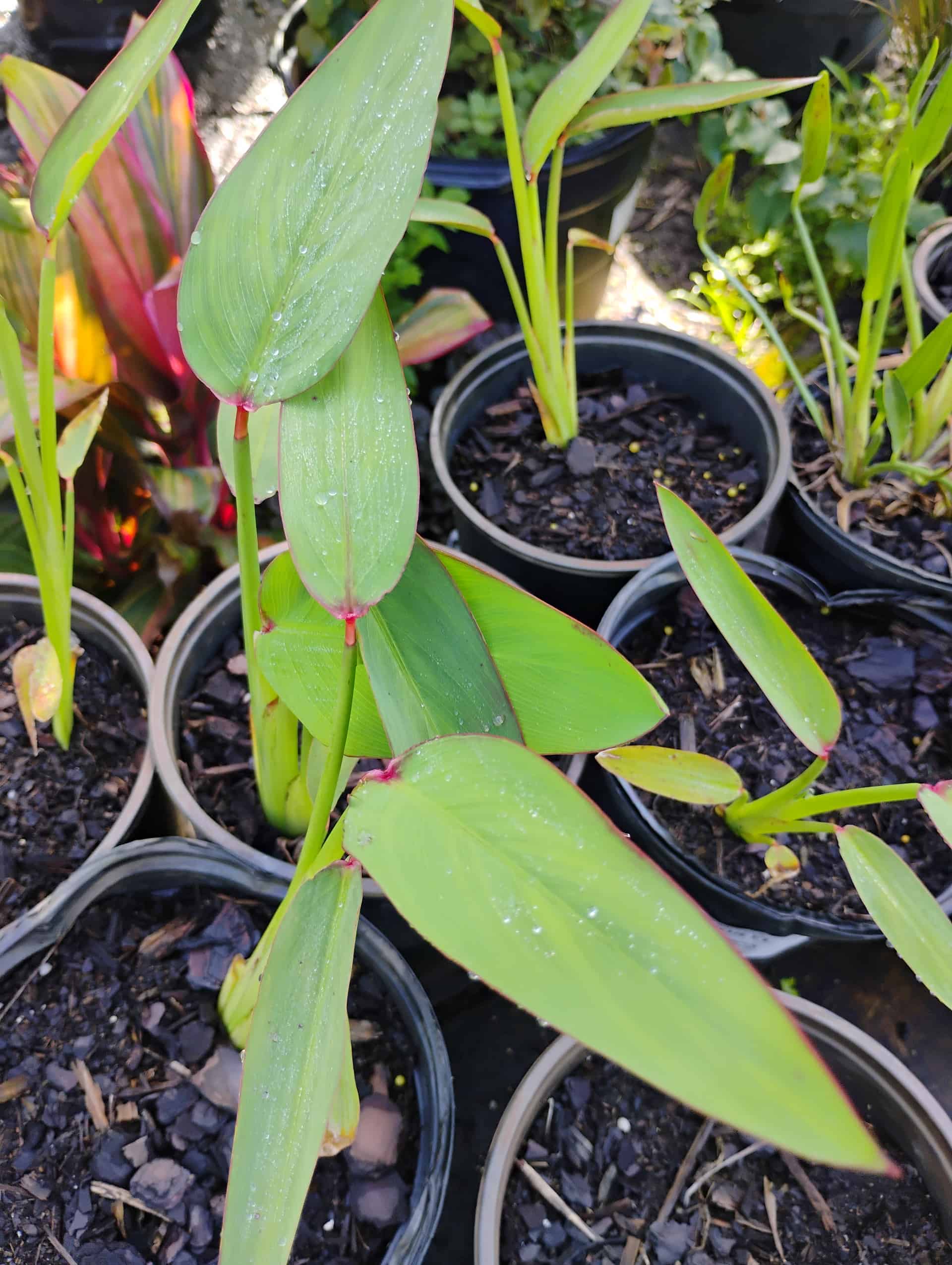
Alligator Flag
Shares 5 of the same needs: full sun, high water, loam, zone 9a hardiness, and pollinator-friendly.
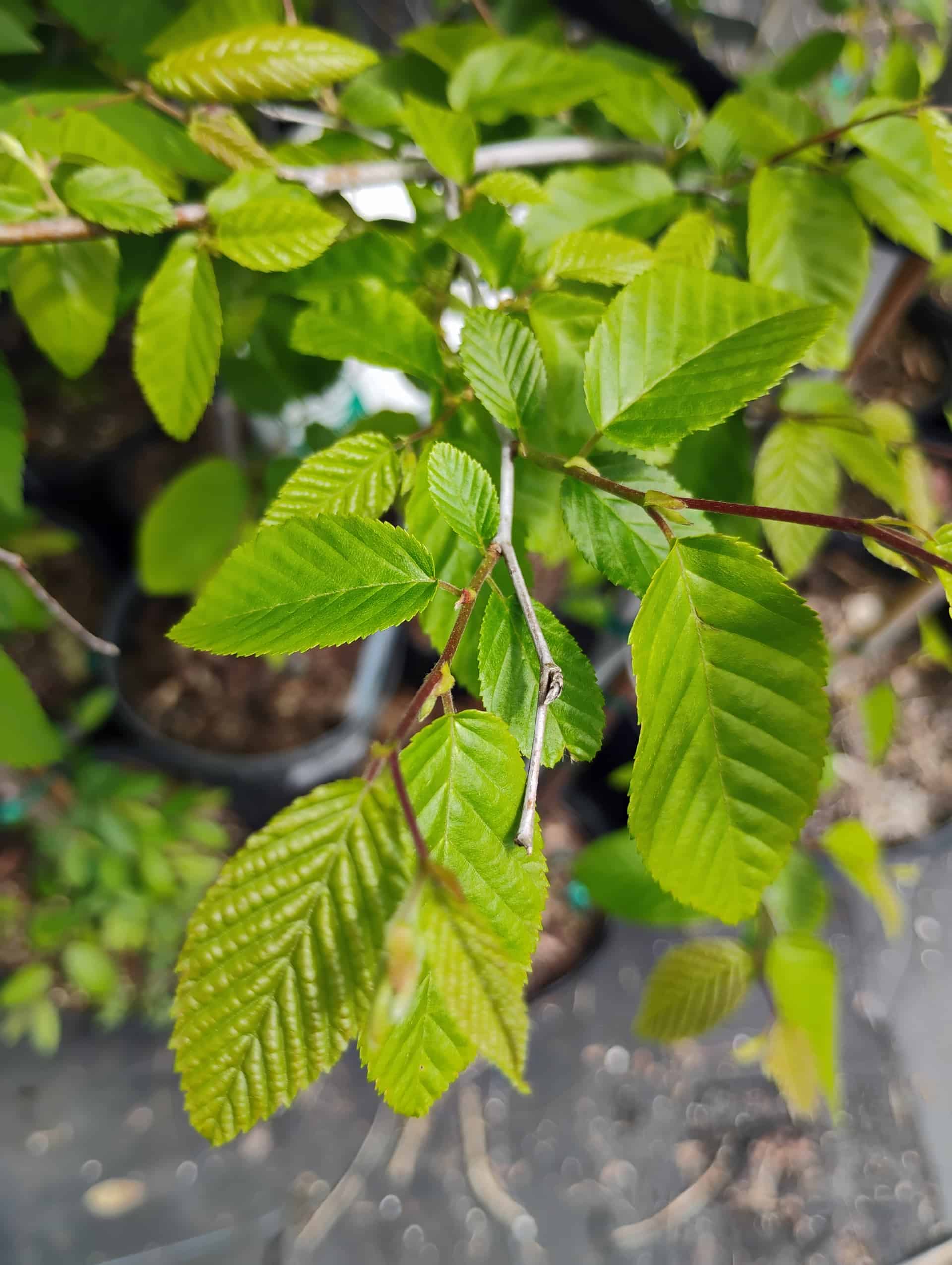
American Hornbeam
Shares 5 of the same needs: full sun, high water, loam, zone 9a hardiness, and pollinator-friendly.
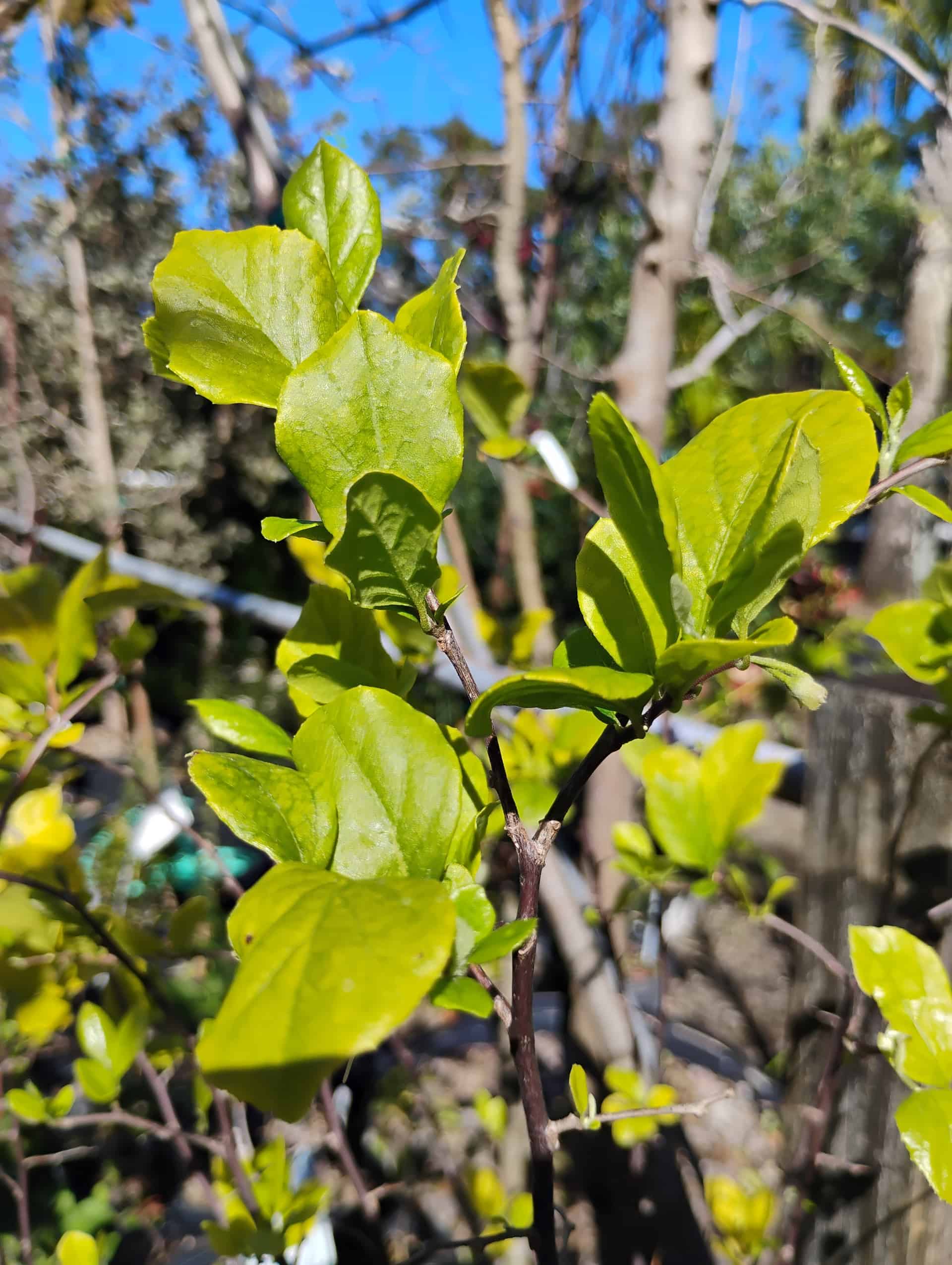
American Snowbell
Shares 5 of the same needs: full sun, high water, loam, zone 9a hardiness, and pollinator-friendly.
You may also like
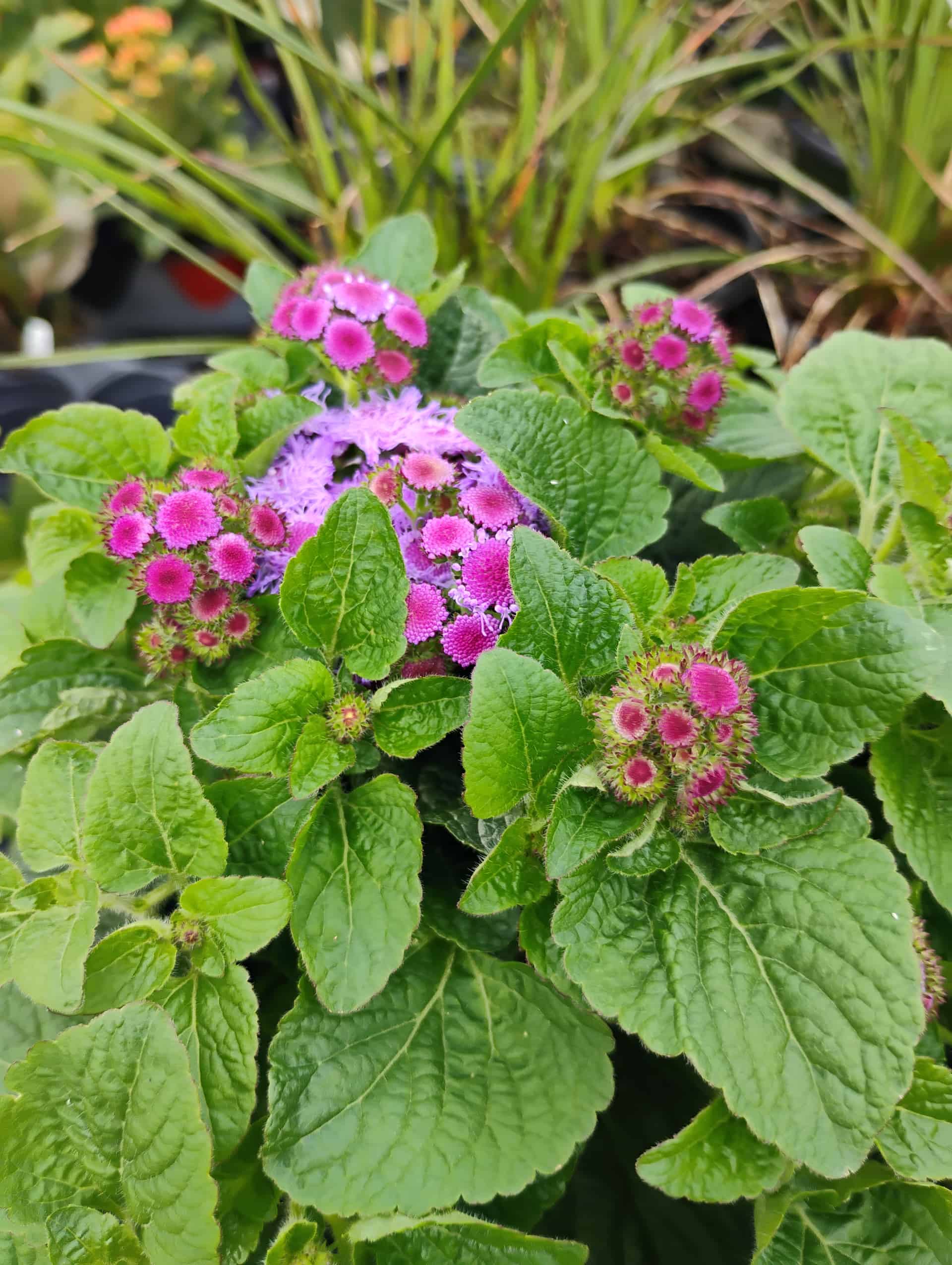 Annual
Ageratum
Ageratum houstonianum
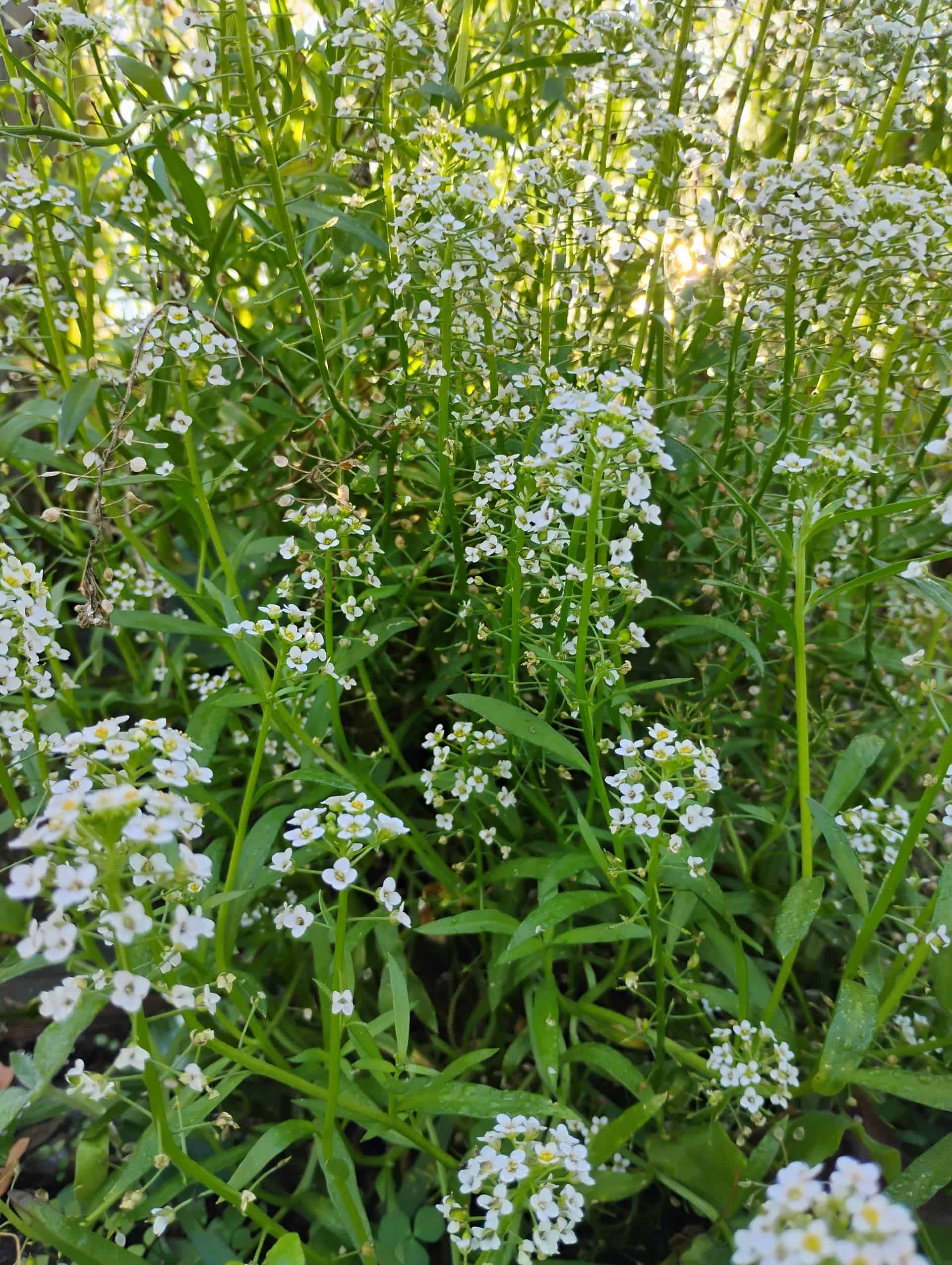 Annual
Alyssum
Lobularia maritima
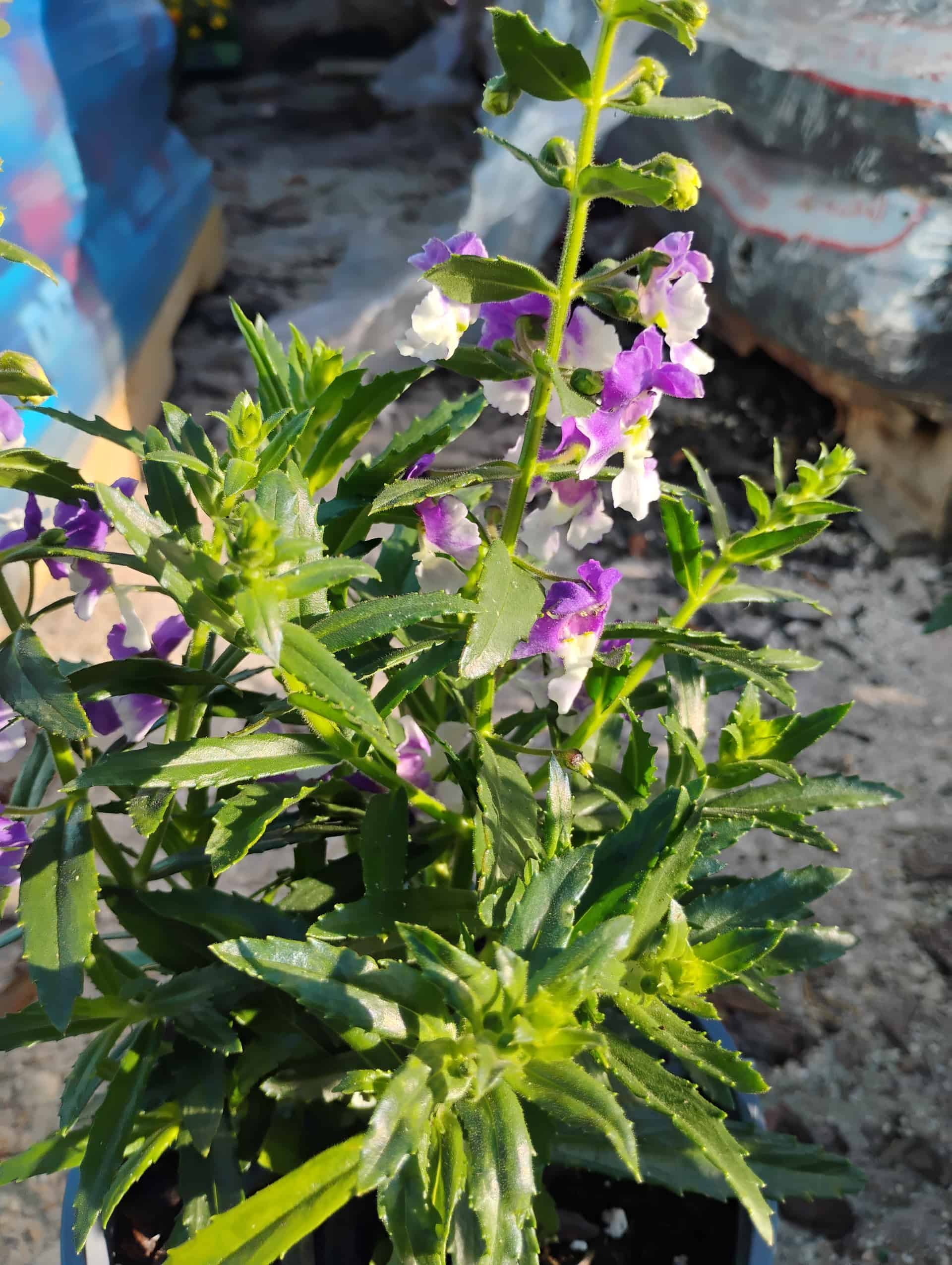 Annual
Angelonia
Angelonia angustifolia
Common questions
Is Heliotrope a good plant for St. Augustine?
Heliotrope is an annual. Mature size: 1-3 feet × 1-2 feet. Light: Full Sun, Part Sun. Water needs: Moderate-High. Recorded hardiness zone: 9a.
What is the recorded pet toxicity for Heliotrope?
Toxic to dogs, cats, and horses
Care information verified from
Last reviewed February 2026. Our care guidance comes from trusted horticulture sources and decades of helping St. Augustine gardeners. Conditions here can vary dramatically from one area to the next, so come ask us and we'll tailor it to your yard.