
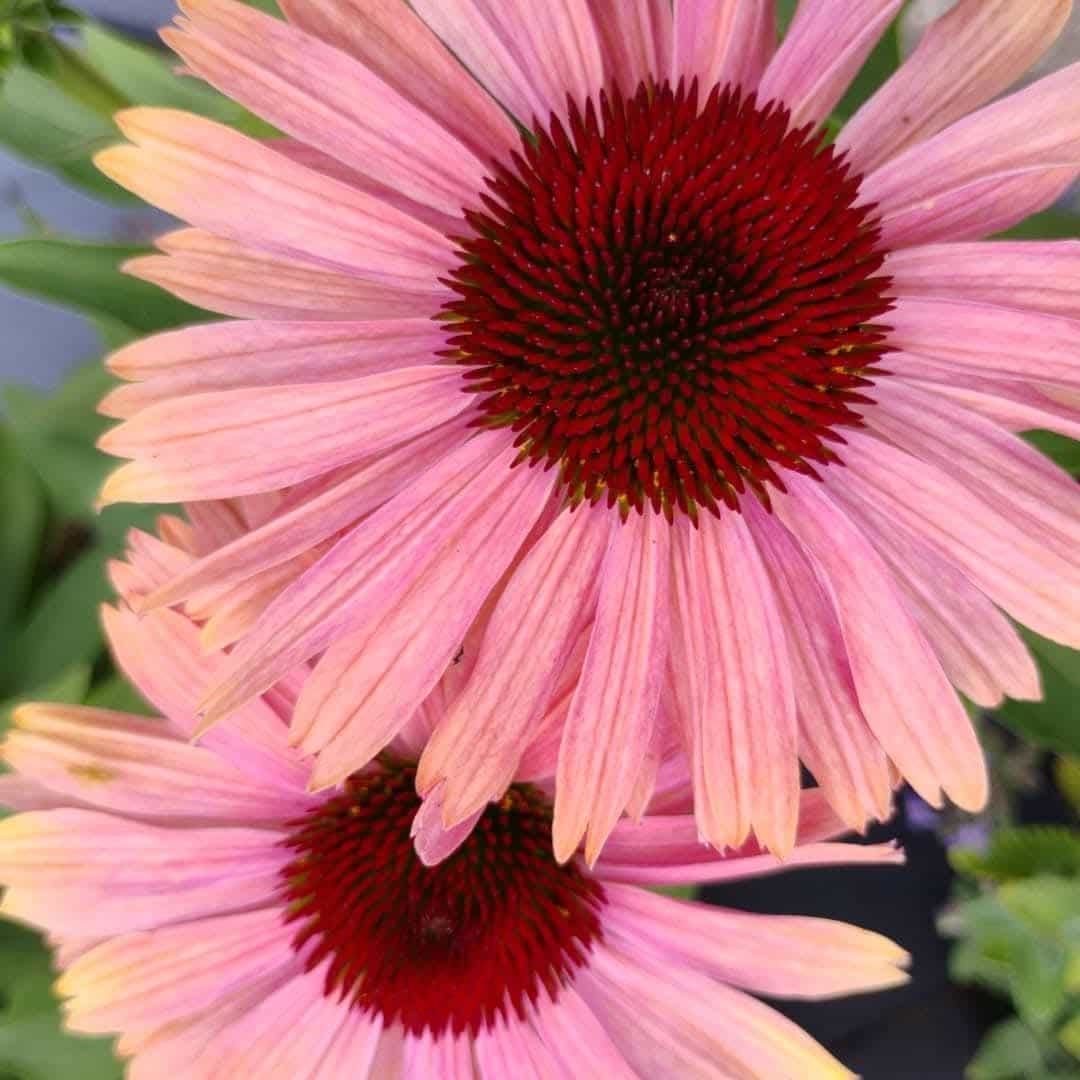
Varieties We Bring In
Orange · Sombrero, Lemon Yellow · Rosada, Pink · Sunmagic Vintage Electric Orange · Sweet Sandia · Watermelon · Delicious Candy · Double Scoop Raspberry Deluxe · Evltn Colorific · Evltn Embers Sparks · Evolution Fiesta · Evolution Yellow Falls · Fresco Apricot · Golden Sun · Kismet Raspberry · Kismet Red · Kismet Yellow · Panama™ Red · Prima Saffron · Standard · Sunmagic Double Raspberry · Sunmagic Petite Burgundy · SunMagic Vintage Hot Pink · Sunmagic Vintage Hot Red · Sunmagic Vintage Watermelon · Sunseekers Pumpkin Pie
Sunmagic Petite Burgundy
We received some Purple Coneflower on Sep 22, 2026.
We bring this in seasonally, so what is on the lot changes week to week. A received date shows when it last came in, not that it is here today.
Call (904) 471-0440 to confirm this plant and size before you make the trip.
Last received Sep 22, 2026.
We bring this in seasonally, so what is on the lot changes week to week. A received date shows when it last came in, not that it is here today.
Call (904) 471-0440 to confirm this plant and size before you make the trip.
Pet toxicity: Non-toxic to dogs and cats
Pet safety guideAbout Purple Coneflower
Purple coneflower (Echinacea purpurea) is a beloved North American native prairie perennial bearing large, daisy-like flowers with reflexed purple-pink petals surrounding a prominent, spiky orange-brown cone. Native to the central and eastern United States, it is a magnet for butterflies, bees, and seed-eating birds. A cornerstone plant for pollinator gardens, meadows, and naturalistic borders.
Plant details
- Bloom Season
- Spring, Summer
- Flower Color
- White, Pink, Purple
- Growth Rate
- Moderate
- Foliage
- Deciduous
- Soil
- Sandy, Loam, Well-drained
Best planting months
Recommended months: March, April, May, September, October, November.
Seasonal care
New foliage emerges. Good planting window.
Bloom season.
Bloom season. Foliage may begin to change or drop. Ideal planting window.
Dormant — drops foliage.
Care essentials
Plant in full sun for best flowering; tolerates part shade but bloom quantity decreases. In NE Florida's intense summer heat, afternoon shade can help prolong bloom and reduce plant stress.
Drought-tolerant once established in NE Florida's sandy soils; water during prolonged dry spells. Well-drained soil is essential — Purple Coneflower is prone to crown rot in consistently wet conditions. Avoid overhead irrigation to minimize fungal issues.
Grows well in NE Florida's sandy, well-drained soils with modest organic matter. Avoid over-fertilizing with nitrogen, which promotes foliage over flowers. A light application of balanced slow-release fertilizer in spring is sufficient; top-dress with compost to improve soil tilth over time.
Similar needs
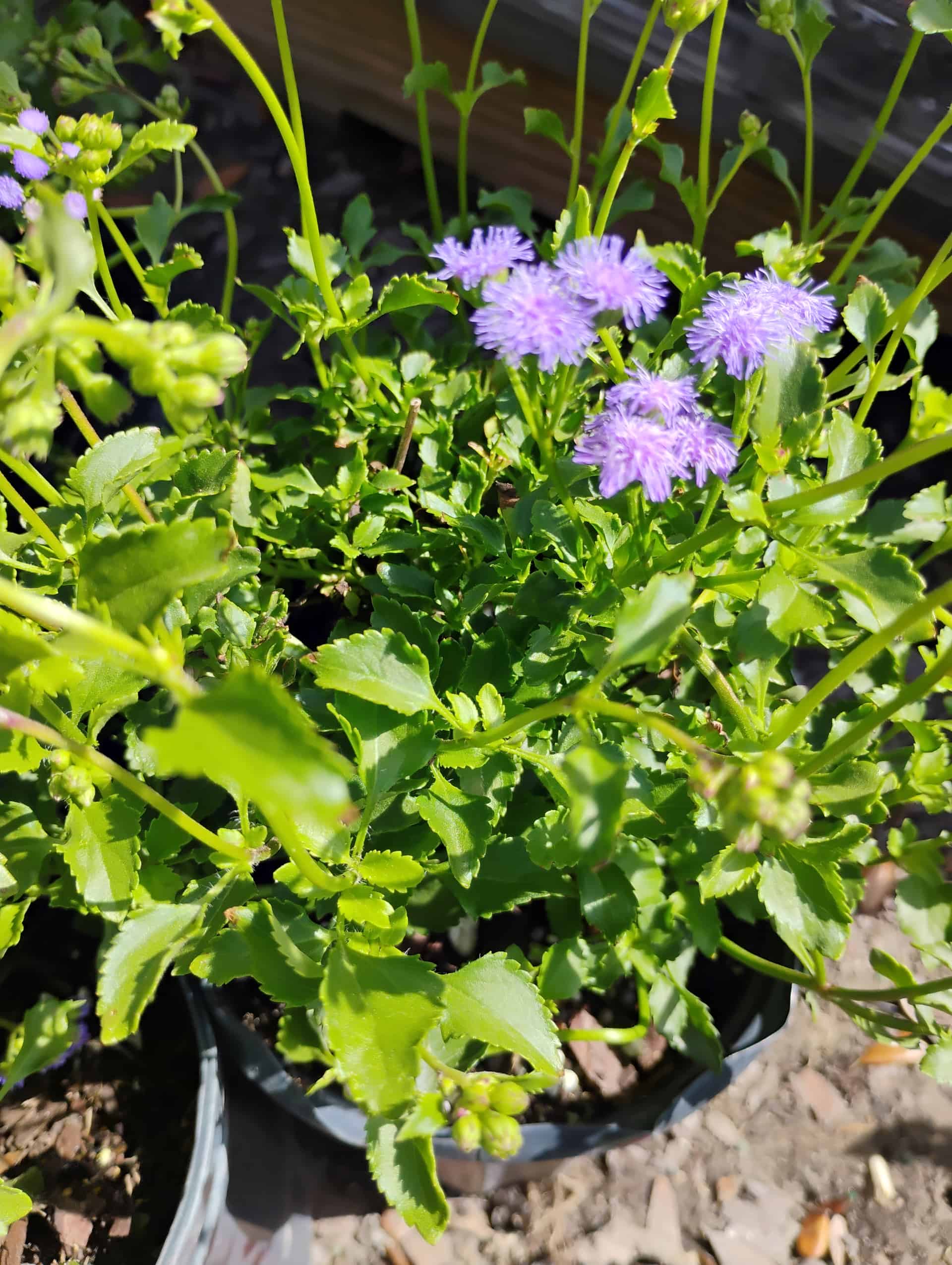
Blue Mistflower
Shares 6 of the same needs: full sun, moderate water, sandy, salt tolerance, zone 9a hardiness, and pollinator-friendly.

Cat Whiskers
Shares 6 of the same needs: full sun, moderate water, sandy, salt tolerance, zone 9a hardiness, and pollinator-friendly.
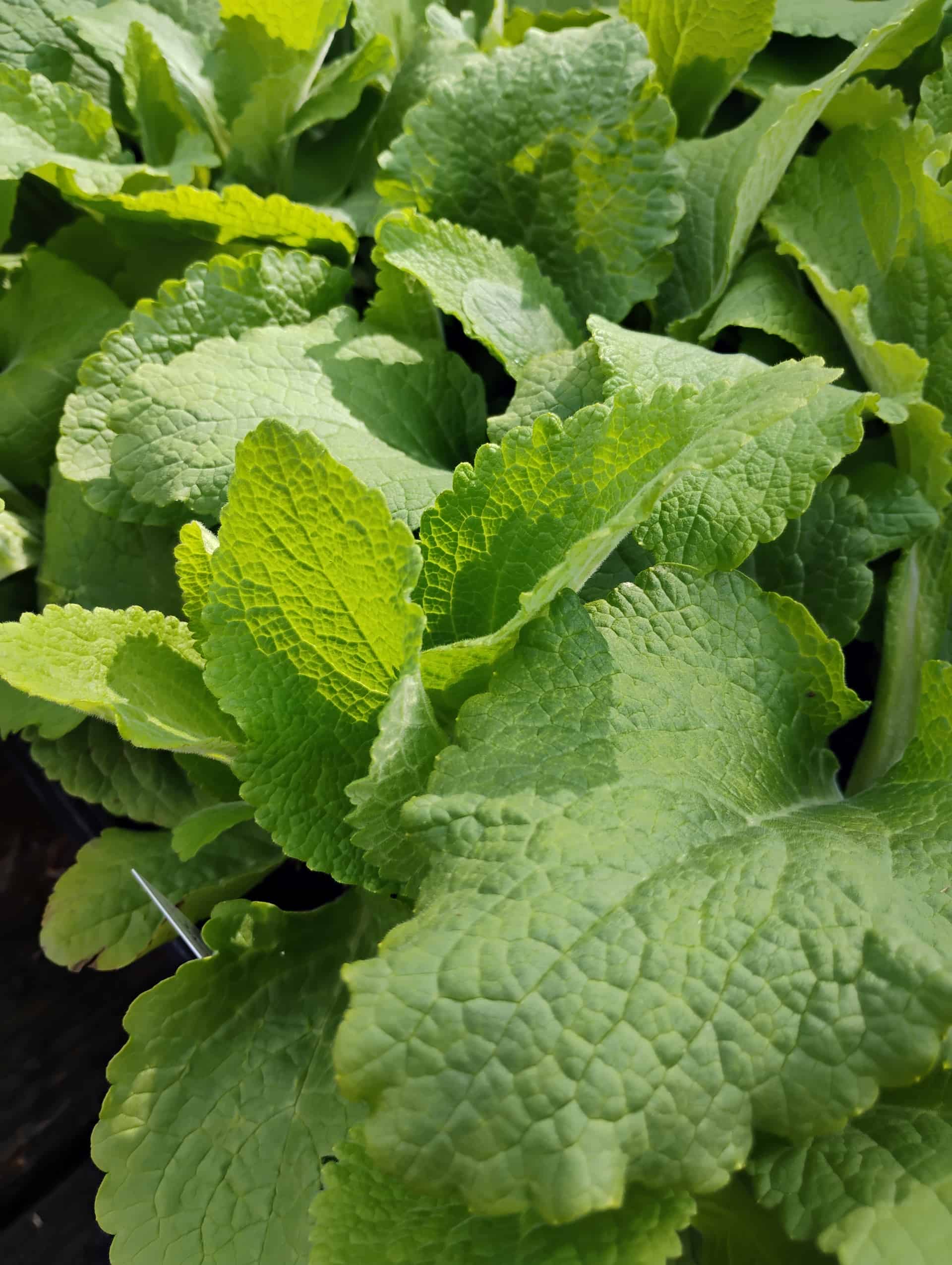
Foxglove
Shares 6 of the same needs: shade, moderate water, loam, salt tolerance, zone 9a hardiness, and pollinator-friendly.

Caladium
Shares 5 of the same needs: shade, moderate water, sandy, salt tolerance, and zone 9a hardiness.
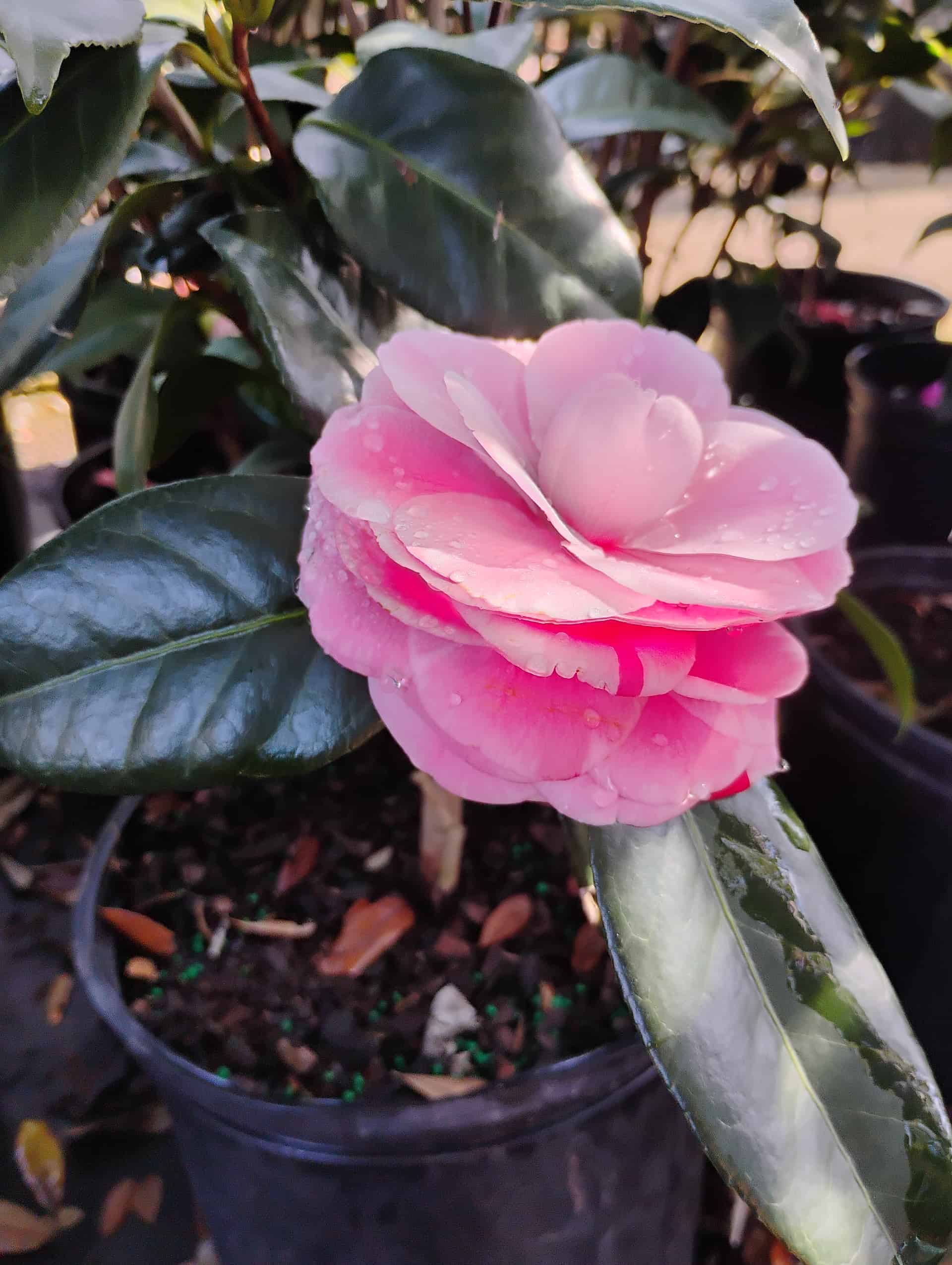
Camellia
Shares 6 of the same needs: shade, moderate water, sandy, salt tolerance, zone 9a hardiness, and pollinator-friendly.

Cuphea
Shares 6 of the same needs: full sun, moderate water, sandy, salt tolerance, zone 9a hardiness, and pollinator-friendly.
You may also like
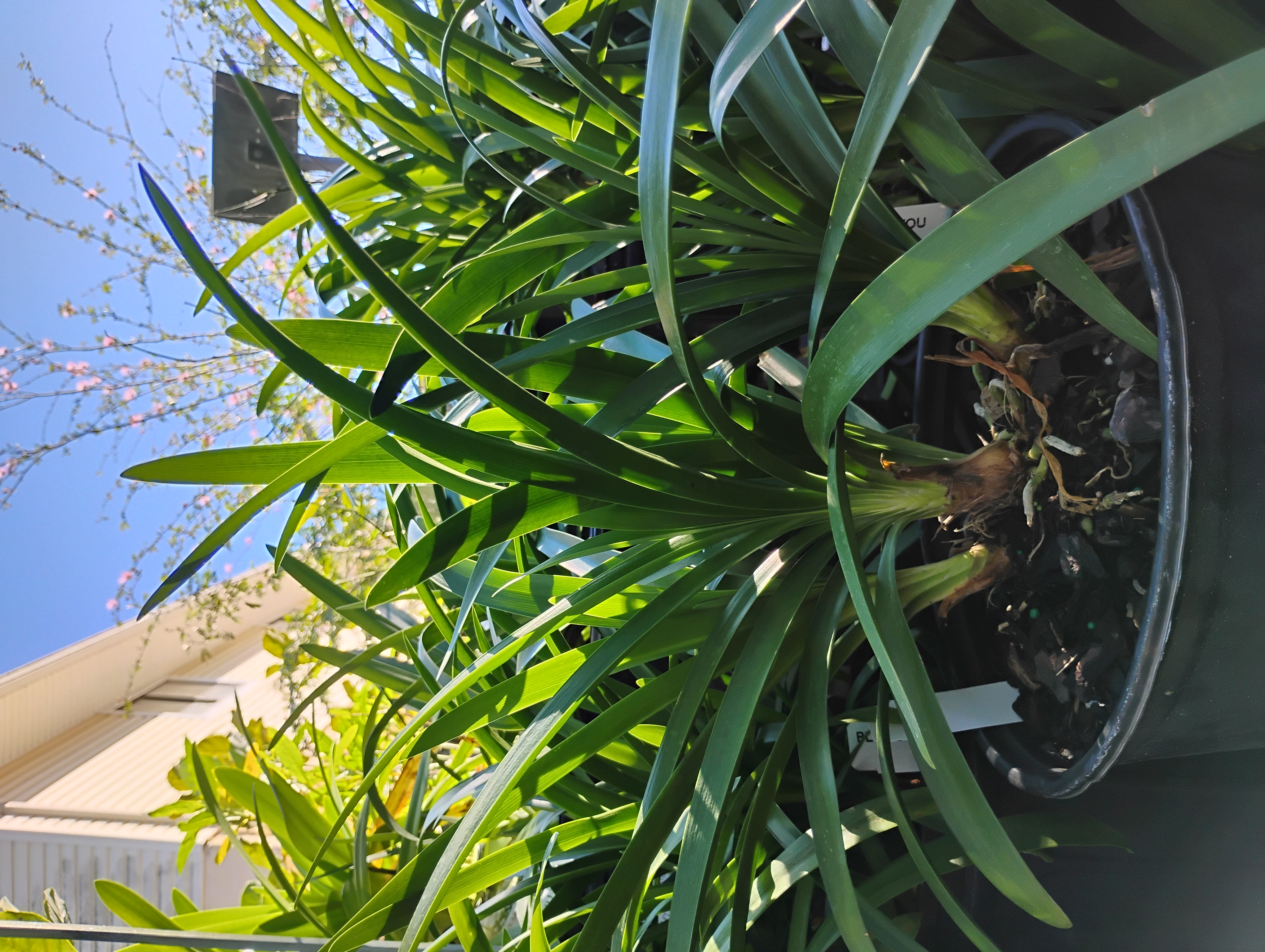 Perennial
Agapanthus
Agapanthus praecox
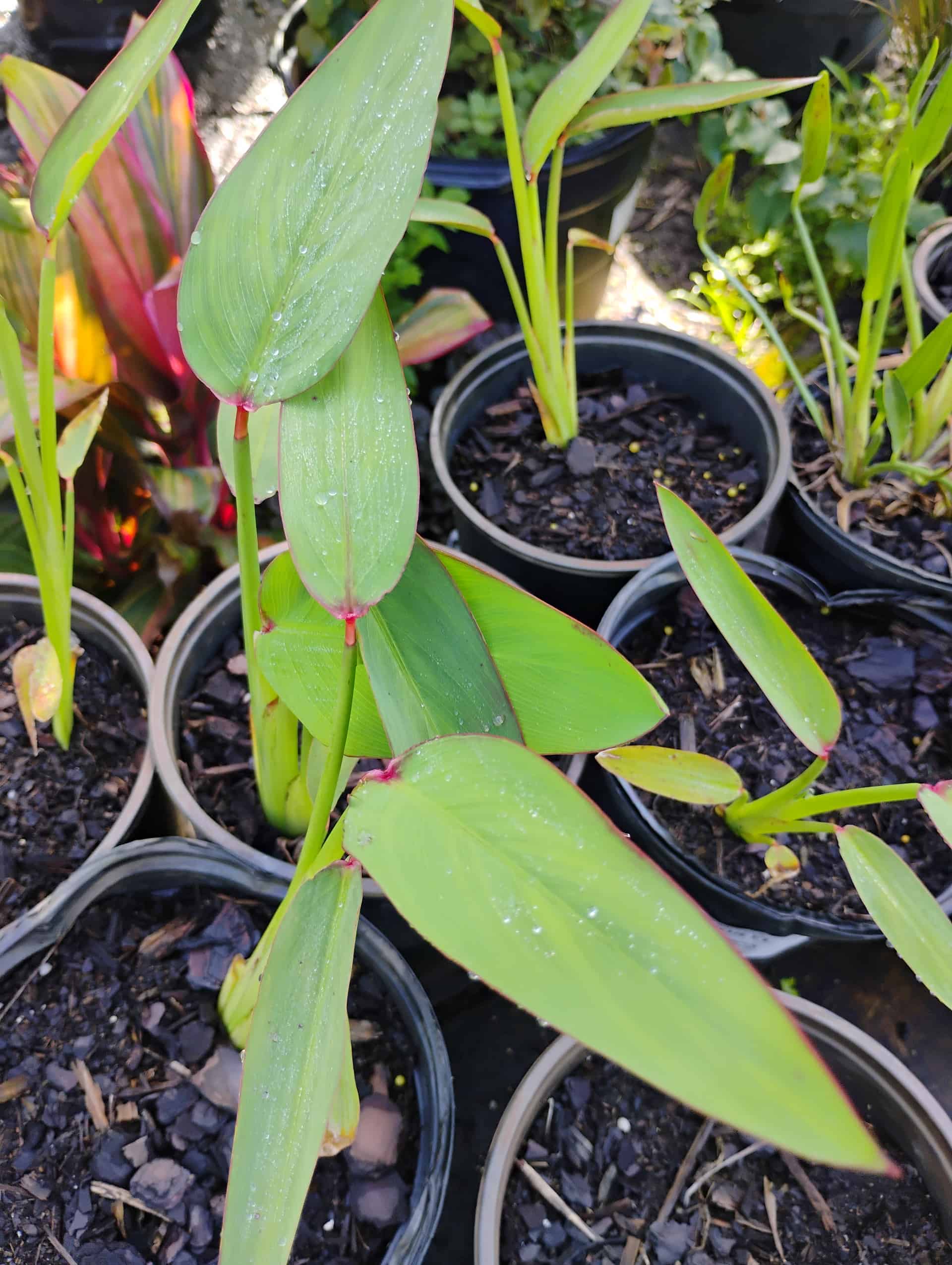 Perennial
Alligator Flag
Thalia geniculata
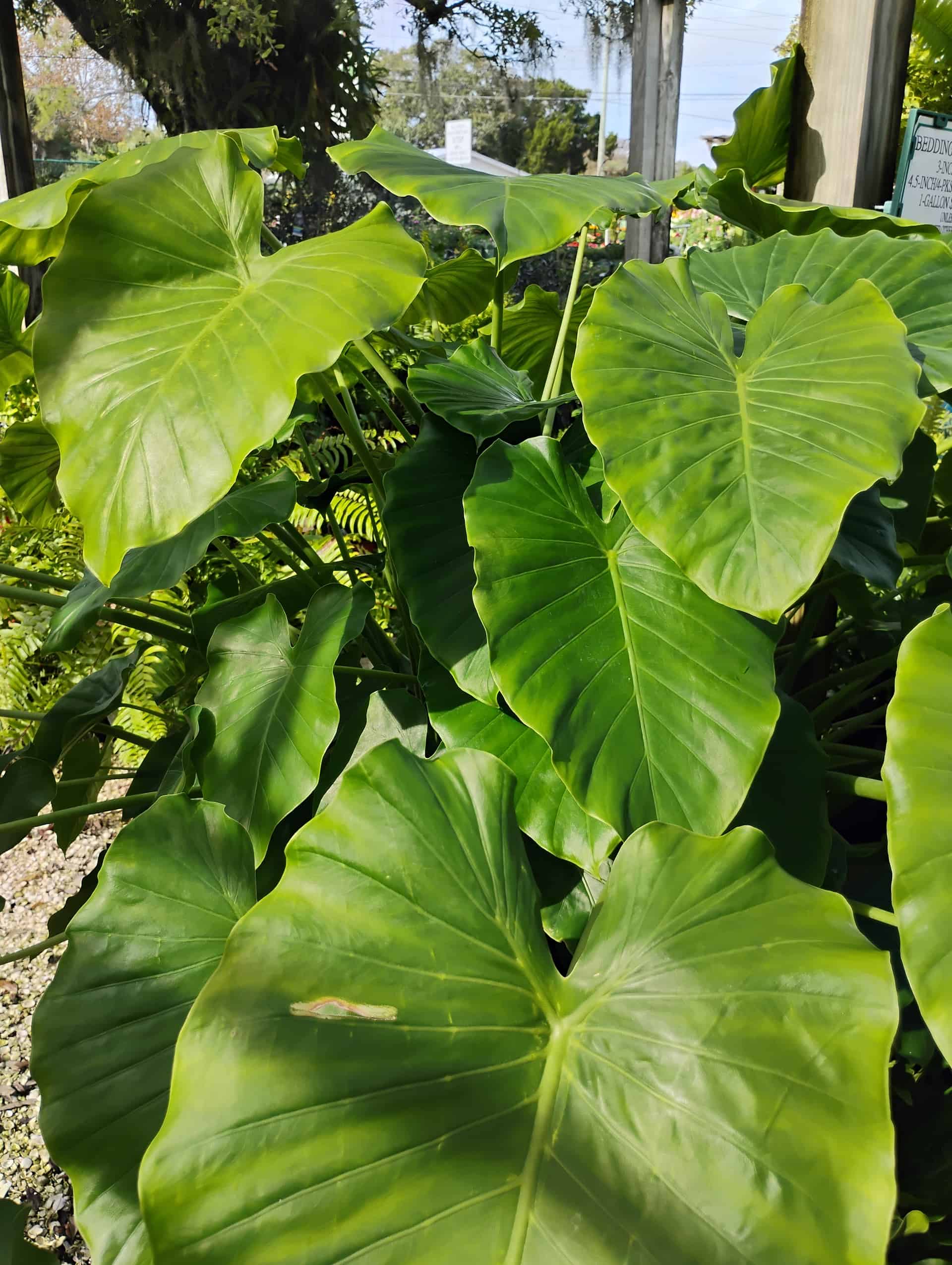 Perennial
Alocasia
Alocasia
Common questions
Is Purple Coneflower a good plant for St. Augustine?
Purple Coneflower is a perennial. Mature size: 2-4 feet × 1-2 feet. Light: Full Sun, Part Shade. Water needs: Low to Moderate. Recorded hardiness zone: 9a. Recorded salt tolerance: low.
What is the recorded pet toxicity for Purple Coneflower?
Non-toxic to dogs and cats
Care information verified from
Last reviewed February 2026. Our care guidance comes from trusted horticulture sources and decades of helping St. Augustine gardeners. Conditions here can vary dramatically from one area to the next, so come ask us and we'll tailor it to your yard.