
Traits
Varieties We Bring In
Semp Snow Dome
We received some Candytuft on Jun 14, 2026.
We bring this in seasonally, so what is on the lot changes week to week. A received date shows when it last came in, not that it is here today.
Call (904) 471-0440 to confirm this plant and size before you make the trip.
Last received Jun 14, 2026.
We bring this in seasonally, so what is on the lot changes week to week. A received date shows when it last came in, not that it is here today.
Call (904) 471-0440 to confirm this plant and size before you make the trip.
Pet toxicity: not on file, check before planting where pets chew
Pet safety guideAbout Candytuft
Evergreen Candytuft (Iberis sempervirens) is a low-growing, spreading sub-shrub bearing dense clusters of pure white flowers in spring. In NE Florida's Zone 9b, it is best grown as a cool-season annual planted in fall, as the combination of summer heat, humidity, and inadequate winter cold for vernalization limits its performance as a perennial.
Plant details
- Bloom Season
- Spring
- Growth Rate
- Moderate
- Foliage
- Evergreen
- Soil
- Sandy, Loam, Alkaline, Well-drained
Care essentials
Full sun is essential for best bloom. In NE Florida, candytuft is grown as a cool-season annual (plant Oct–Feb); it will not reliably overwinter as a perennial due to Florida's heat and insufficient winter cold for vernalization.
Water moderately — keep soil moist but well-drained; never allow waterlogging. Once established in cool weather, it is relatively drought-tolerant. Reduce watering as temperatures rise in spring, as heat and humidity cause rapid decline.
Plant in well-draining, sandy to loamy soil; candytuft tolerates alkaline pH and prefers lean conditions. Amend with a small amount of compost at planting and apply a balanced slow-release fertilizer once in fall. In NE Florida, treat as a seasonal cool-weather annual and replace when summer heat arrives.
Similar needs
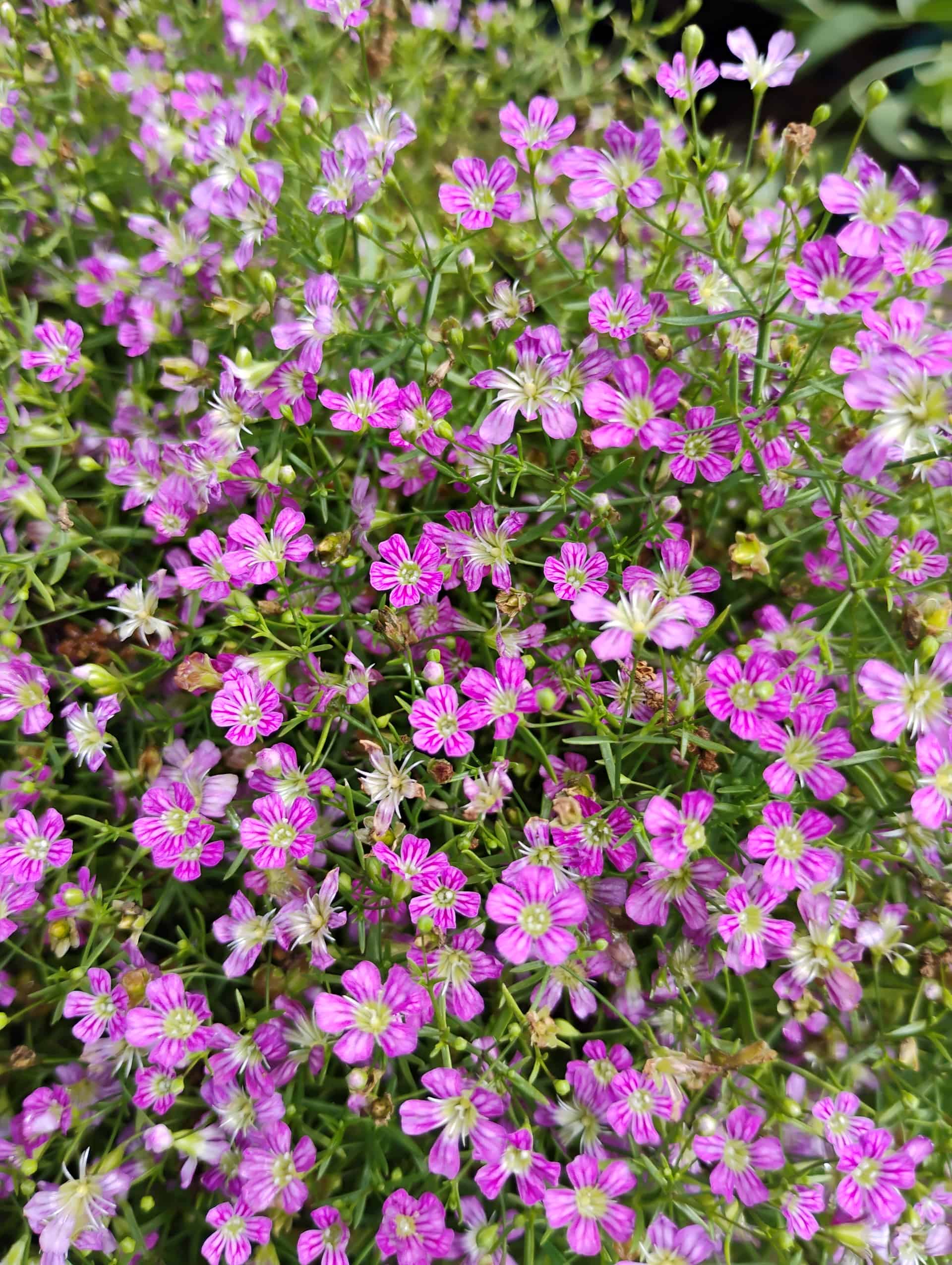
Baby's Breath
Shares 4 of the same needs: full sun, low water, sandy, and pollinator-friendly.

Beach Bean
Shares 4 of the same needs: full sun, low water, sandy, and pollinator-friendly.
Dwarf Poinciana
Shares 4 of the same needs: full sun, low water, sandy, and pollinator-friendly.
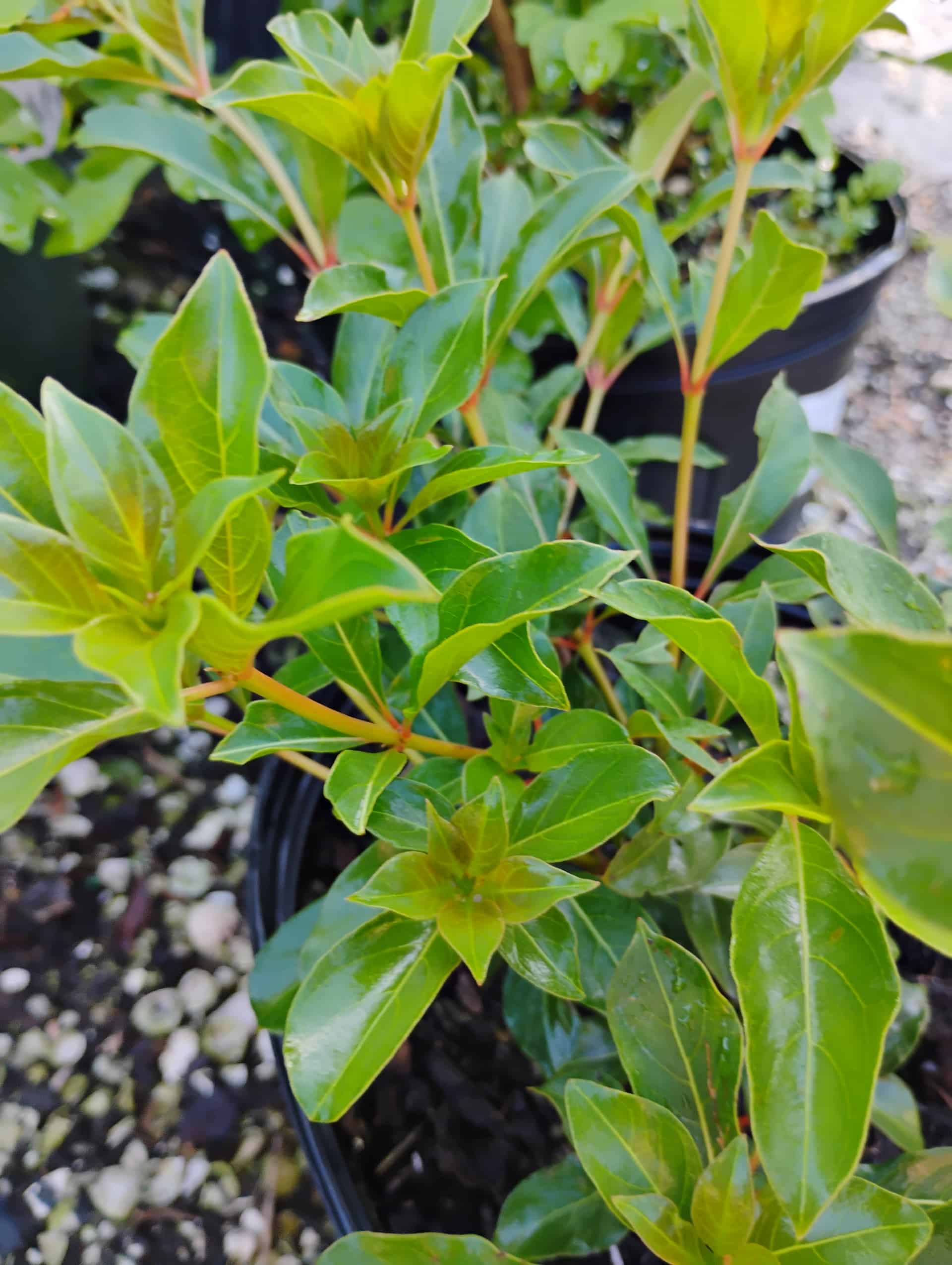
Firebush
Shares 4 of the same needs: full sun, low water, sandy, and pollinator-friendly.
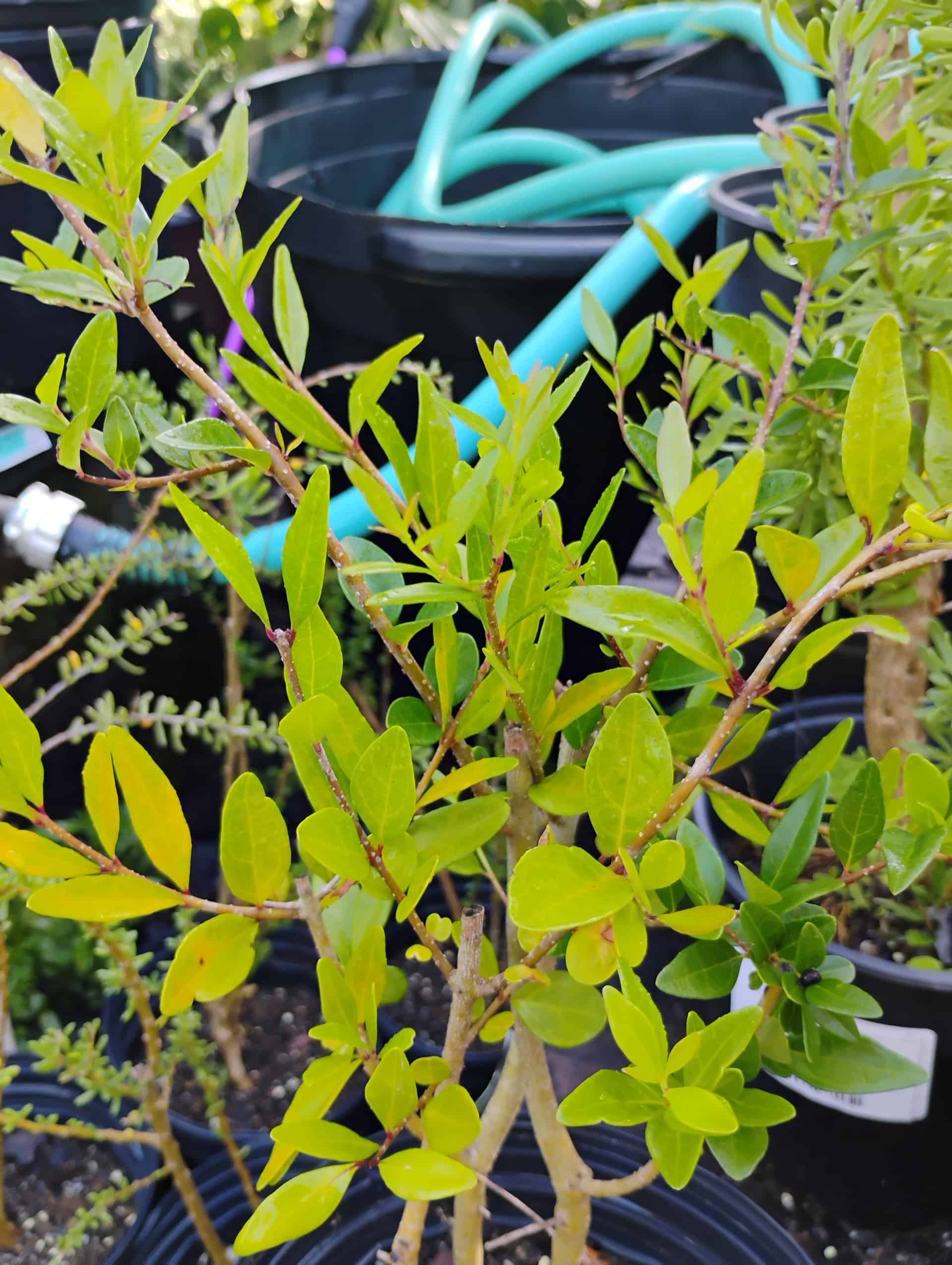
Florida Privet
Shares 4 of the same needs: full sun, low water, sandy, and pollinator-friendly.

Florida Soapberry
Shares 4 of the same needs: full sun, low water, sandy, and pollinator-friendly.
Common questions
Is Candytuft a good plant for St. Augustine?
Mature size: 6-12 in × 12-24 in. Light: Full Sun. Water needs: Low.