
Traits
Varieties We Bring In
Oregon Sugar Pod II · Super Sugar Snap · Oregon Giant · Standard · Snak Hero · Magnolia Blossom · Little Crunch · Sugar Daddy
We received some Shelling Pea on Sep 18, 2026.
We bring this in seasonally, so what is on the lot changes week to week. A received date shows when it last came in, not that it is here today.
Call (904) 471-0440 to confirm this plant and size before you make the trip.
Last received Sep 18, 2026.
We bring this in seasonally, so what is on the lot changes week to week. A received date shows when it last came in, not that it is here today.
Call (904) 471-0440 to confirm this plant and size before you make the trip.
Pet toxicity: not on file, check before planting where pets chew
Pet safety guideAbout Shelling Pea
Shelling peas (Pisum sativum) are a cool-season vegetable grown as a fall or winter crop in NE Florida (plant October–February). They produce sweet, tender peas inside podded vines that require a trellis and prefer enriched, well-drained soil and consistent moisture. Choose heat-tolerant varieties such as 'Wando' for best performance in zone 9b.
Plant details
- Bloom Season
- Winter, Spring
- Growth Rate
- Fast
- Foliage
- Annual
- Soil
- Loam, Sandy, Well-drained
Care essentials
Plant shelling peas in a location that receives at least 6 hours of direct sunlight daily. In NE Florida, grow as a cool-season crop from October through February; avoid planting in full summer sun as heat causes rapid decline.
Keep soil consistently moist but not waterlogged; water 1–1.5 inches per week. Reduce frequency as temperatures warm in spring to prevent root rot, and provide a trellis for the vining stems.
Grow in well-drained, loamy soil amended with compost; target pH 5.8–6.3. Apply a balanced starter fertilizer at planting; peas fix nitrogen so avoid excess nitrogen mid-season.
Similar needs
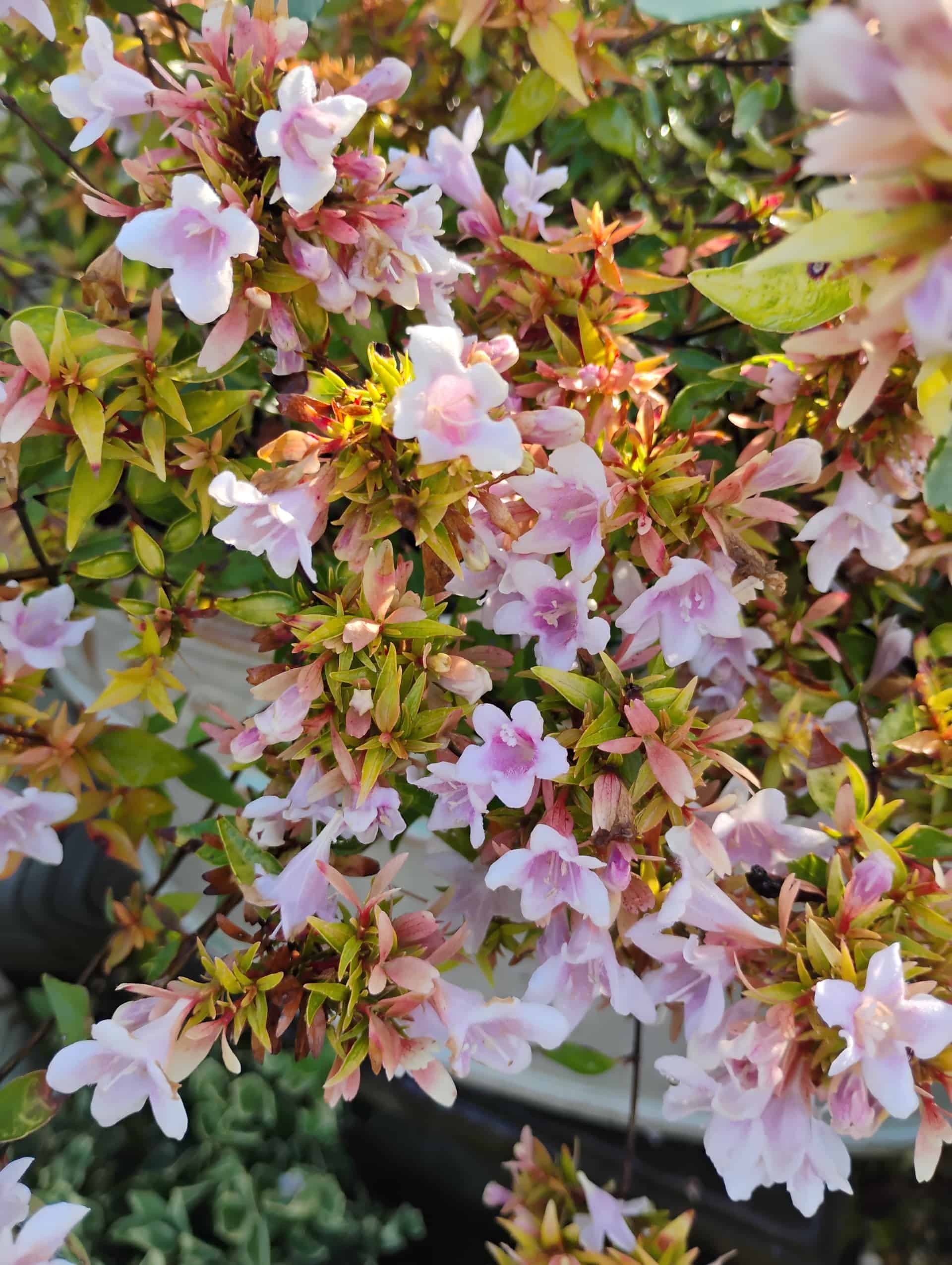
Abelia
Shares 4 of the same needs: full sun, moderate water, loam, and pollinator-friendly.
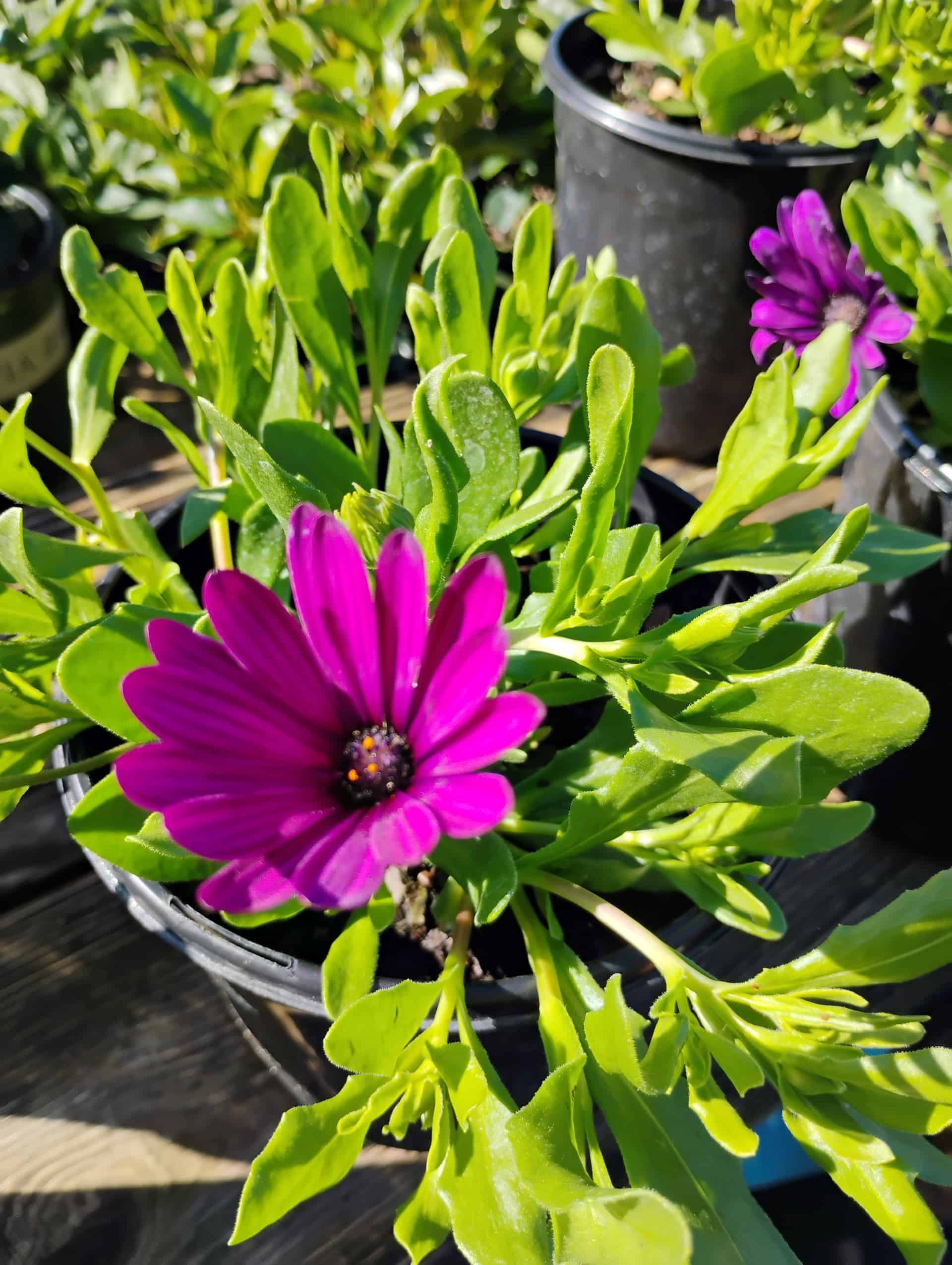
African Daisy
Shares 4 of the same needs: full sun, moderate water, loam, and pollinator-friendly.
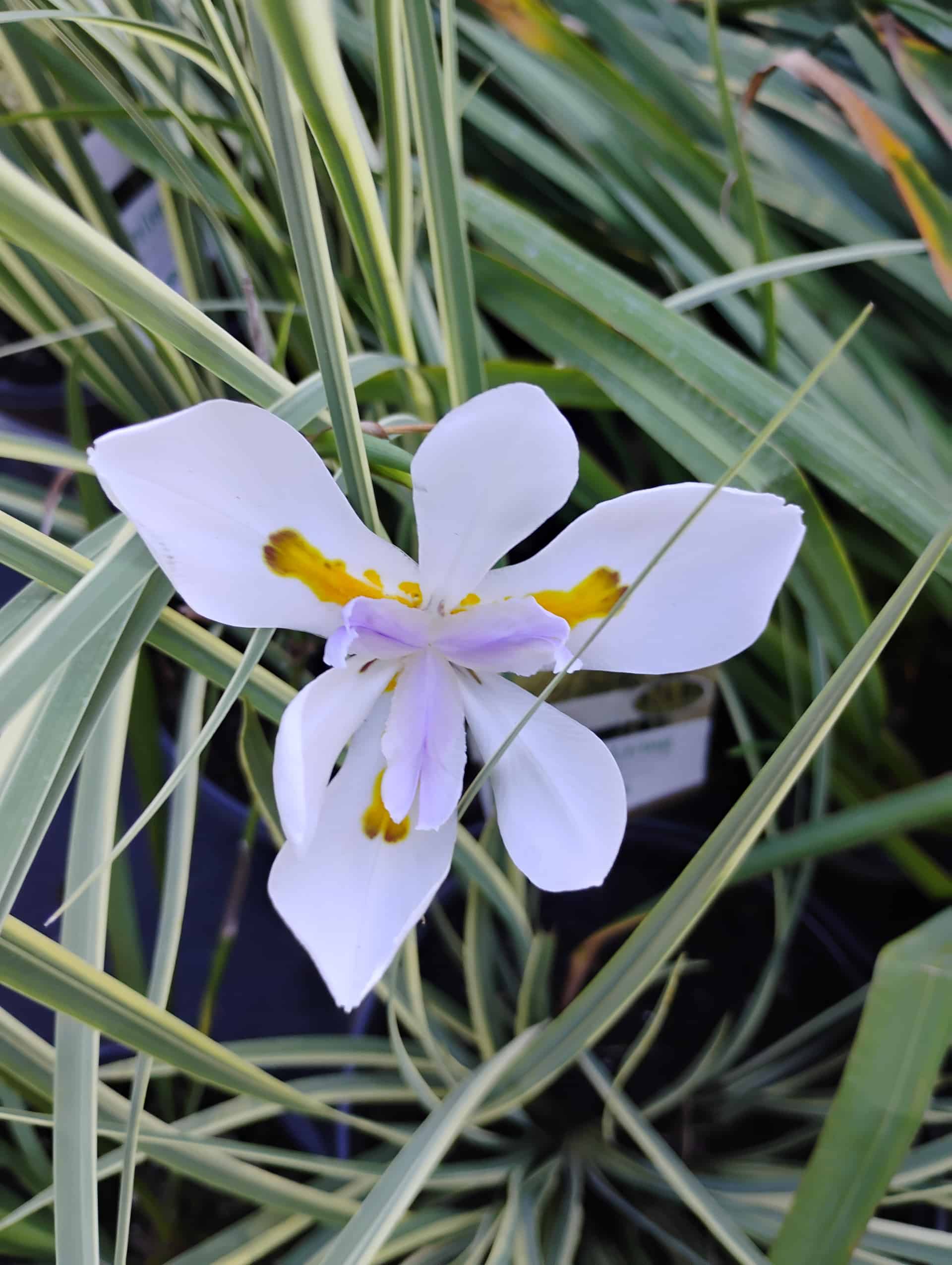
African Iris
Shares 4 of the same needs: full sun, moderate water, loam, and pollinator-friendly.
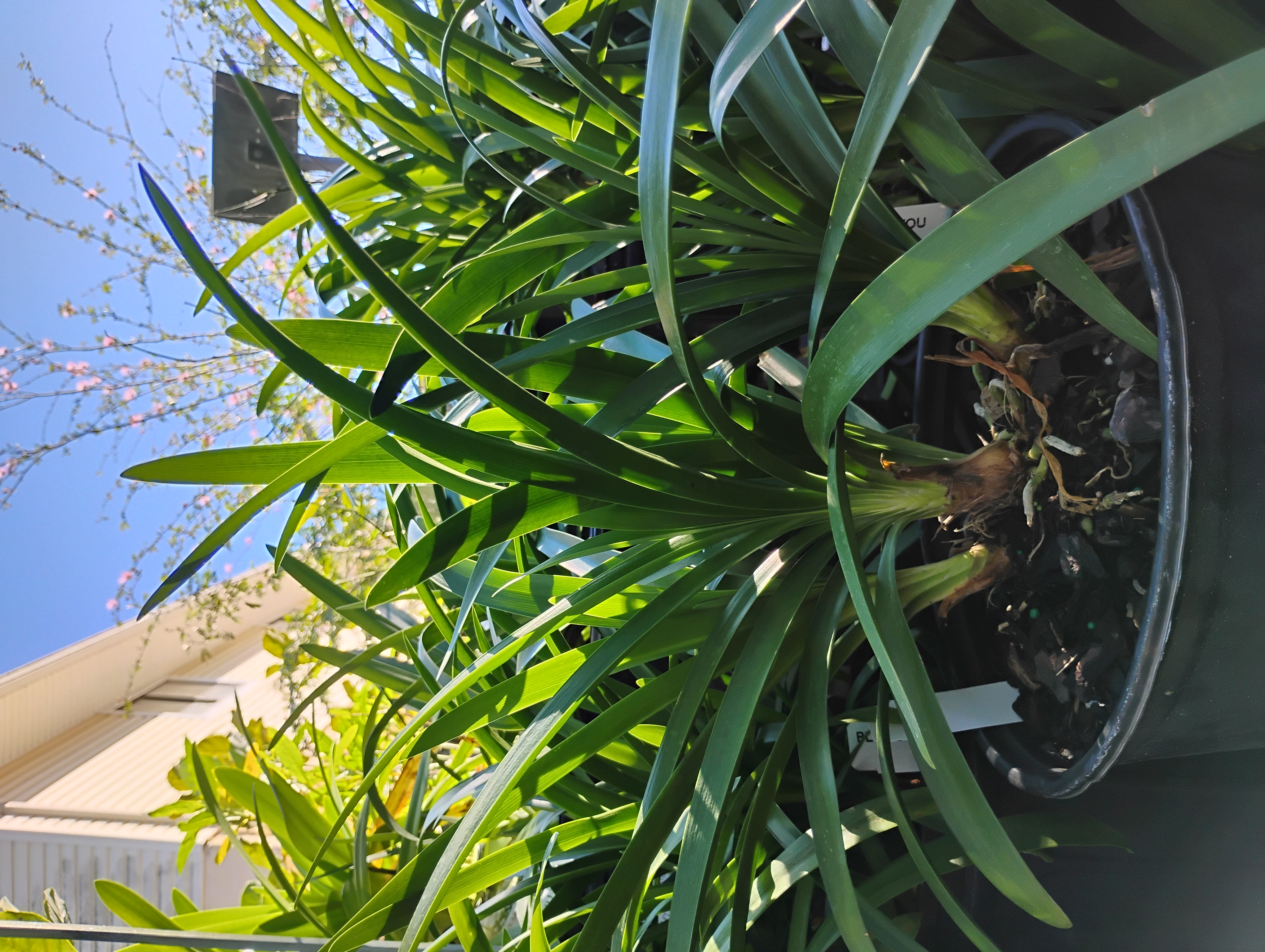
Agapanthus
Shares 4 of the same needs: full sun, moderate water, loam, and pollinator-friendly.
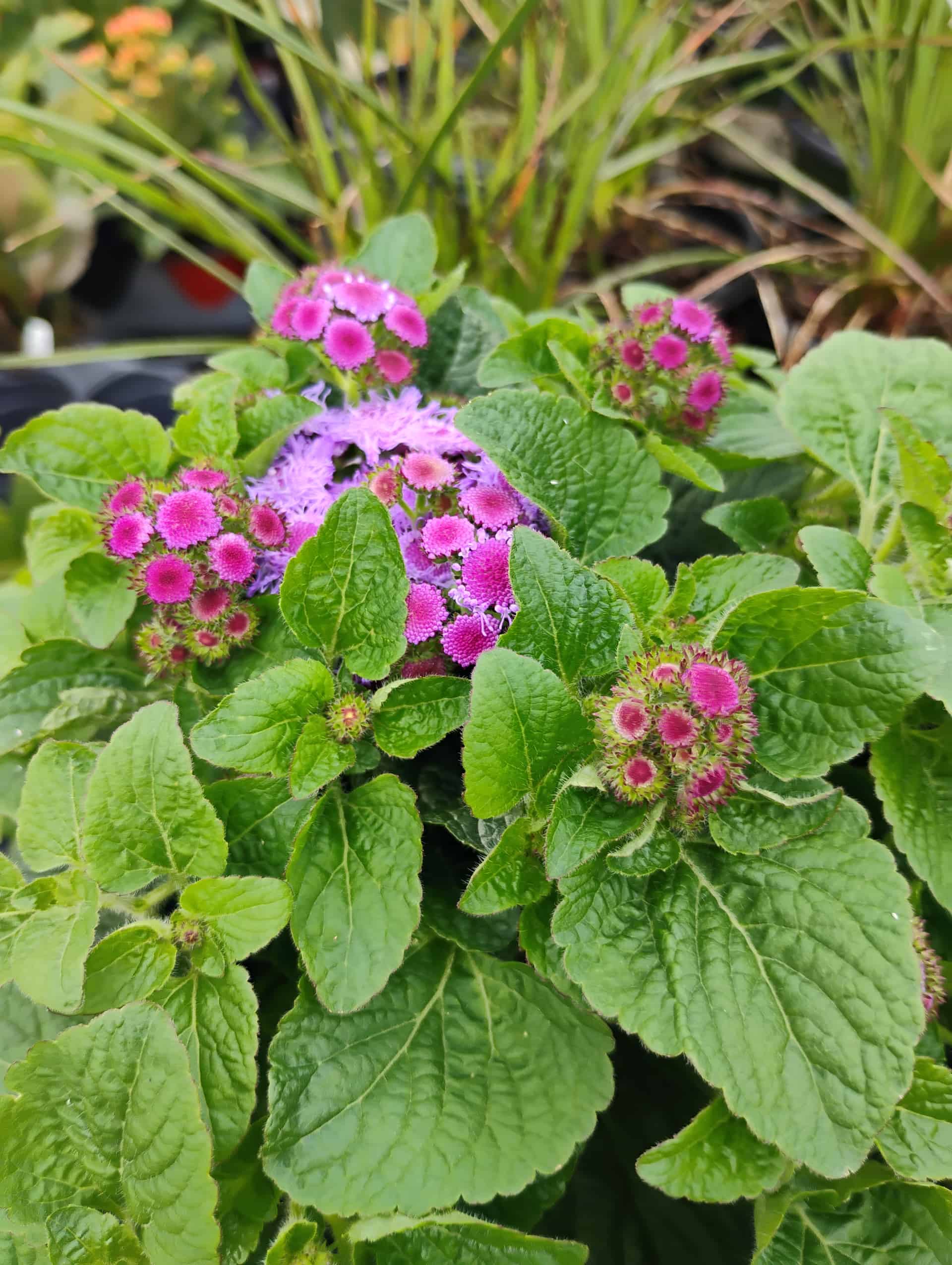
Ageratum
Shares 4 of the same needs: full sun, moderate water, loam, and pollinator-friendly.
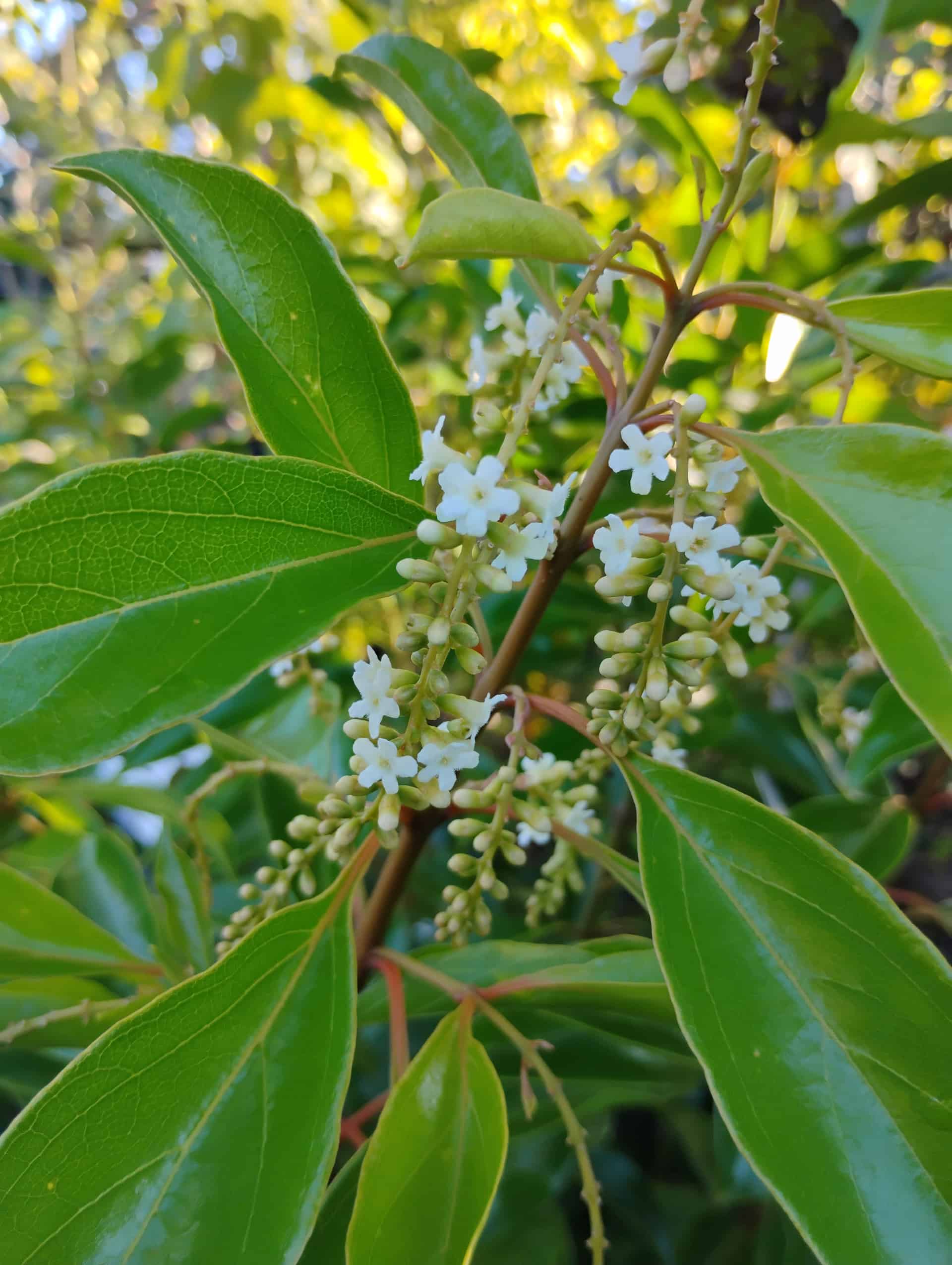
Almond Bush
Shares 4 of the same needs: full sun, moderate water, loam, and pollinator-friendly.
Common questions
Is Shelling Pea a good plant for St. Augustine?
Mature size: 24-30 in × 6-12 in. Light: Full Sun. Water needs: Moderate.