
Traits
Varieties We Bring In
Wstrn Str Leo · Wstrn Str Pisces
We received some Shasta Daisy on Jul 16, 2026.
We bring this in seasonally, so what is on the lot changes week to week. A received date shows when it last came in, not that it is here today.
Call (904) 471-0440 to confirm this plant and size before you make the trip.
Last received Jul 16, 2026.
We bring this in seasonally, so what is on the lot changes week to week. A received date shows when it last came in, not that it is here today.
Call (904) 471-0440 to confirm this plant and size before you make the trip.
Pet toxicity: not on file, check before planting where pets chew
Pet safety guideAbout Shasta Daisy
Shasta Daisy (Leucanthemum × superbum) is a cheerful flowering perennial with classic white ray petals surrounding a yellow center disc, beloved by pollinators. In Northeast Florida, it performs best as a cool-season plant: set out in fall for winter and spring bloom, as the combination of intense summer heat and humidity shortens its perennial lifespan — select heat-tolerant cultivars such as 'Snowcap' for best results.
Plant details
- Bloom Season
- Winter, Spring (treat as cool-season annual/biennial in NE FL; plant fall for Jan–May bloom)
- Growth Rate
- Moderate
- Foliage
- Herbaceous (cool-season annual or short-lived perennial in NE FL)
- Soil
- Sandy, Loam, Well-drained
Care essentials
Shasta daisy requires full sun (minimum 6 hours daily); in Northeast Florida's peak summer heat, light afternoon shade improves performance and longevity — though best results come from treating it as a cool-season plant.
Water moderately and consistently; allow the top inch of soil to dry between waterings. Excellent drainage is essential — Florida's summer rains and humidity can cause root rot. Deadhead spent blooms to extend flowering.
Plant in well-drained, loamy or sandy soil amended with compost. Fertilize at planting with a balanced slow-release fertilizer; avoid high-nitrogen formulas that promote foliage at the expense of flowers. In NE Florida, plant in fall for a winter-to-spring display.
Similar needs
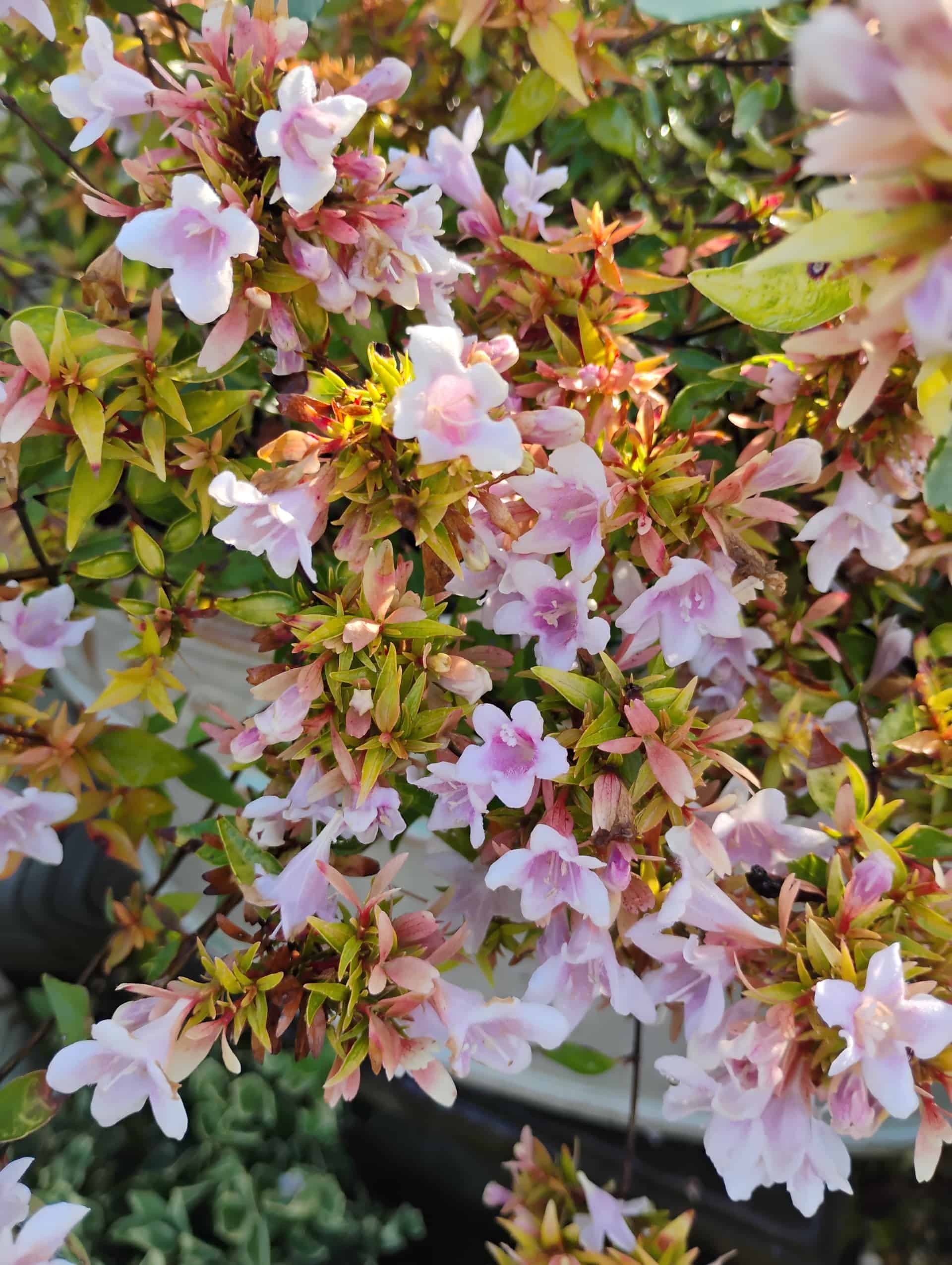
Abelia
Shares 4 of the same needs: full sun, moderate water, sandy, and pollinator-friendly.
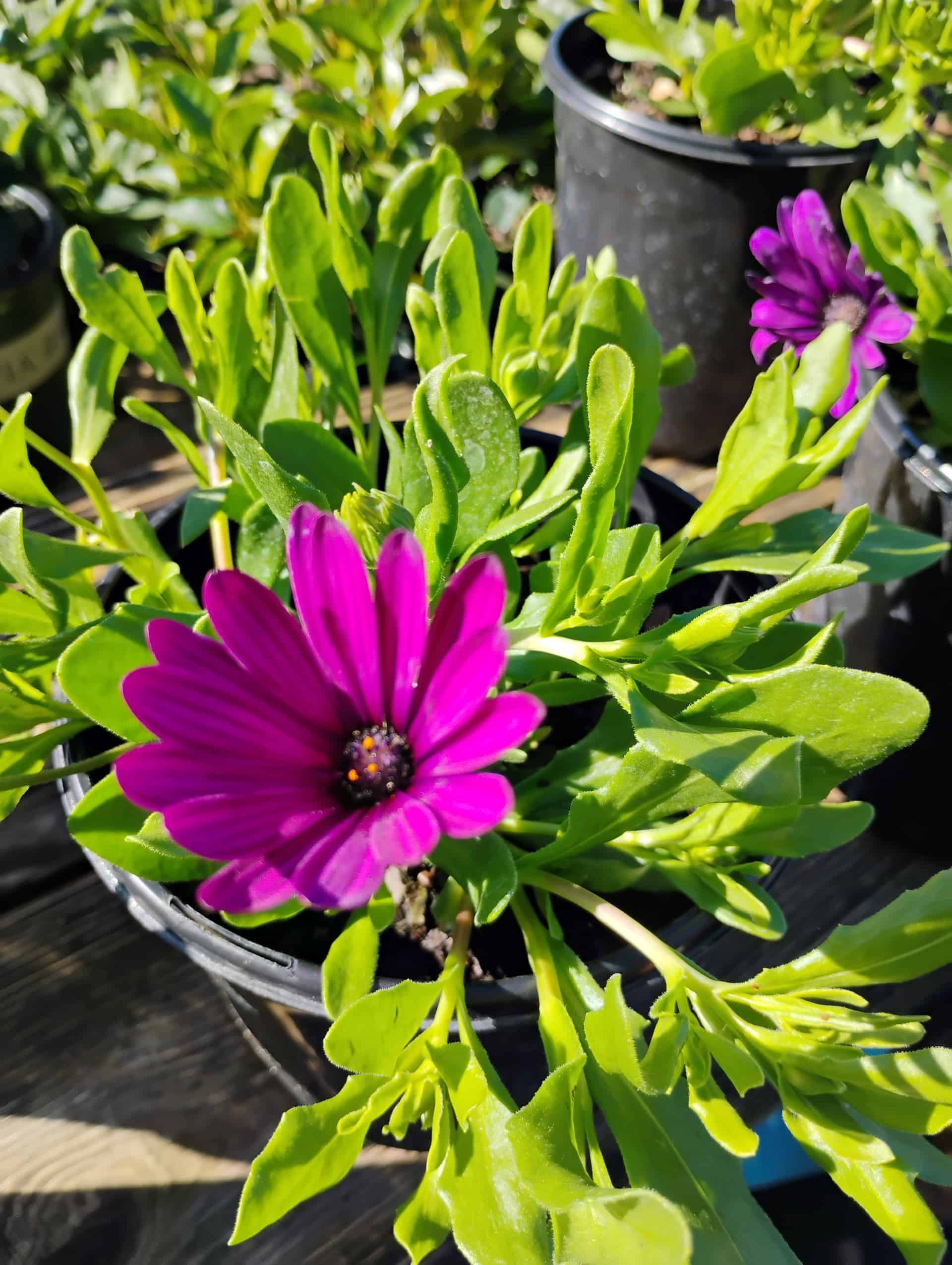
African Daisy
Shares 4 of the same needs: full sun, moderate water, sandy, and pollinator-friendly.
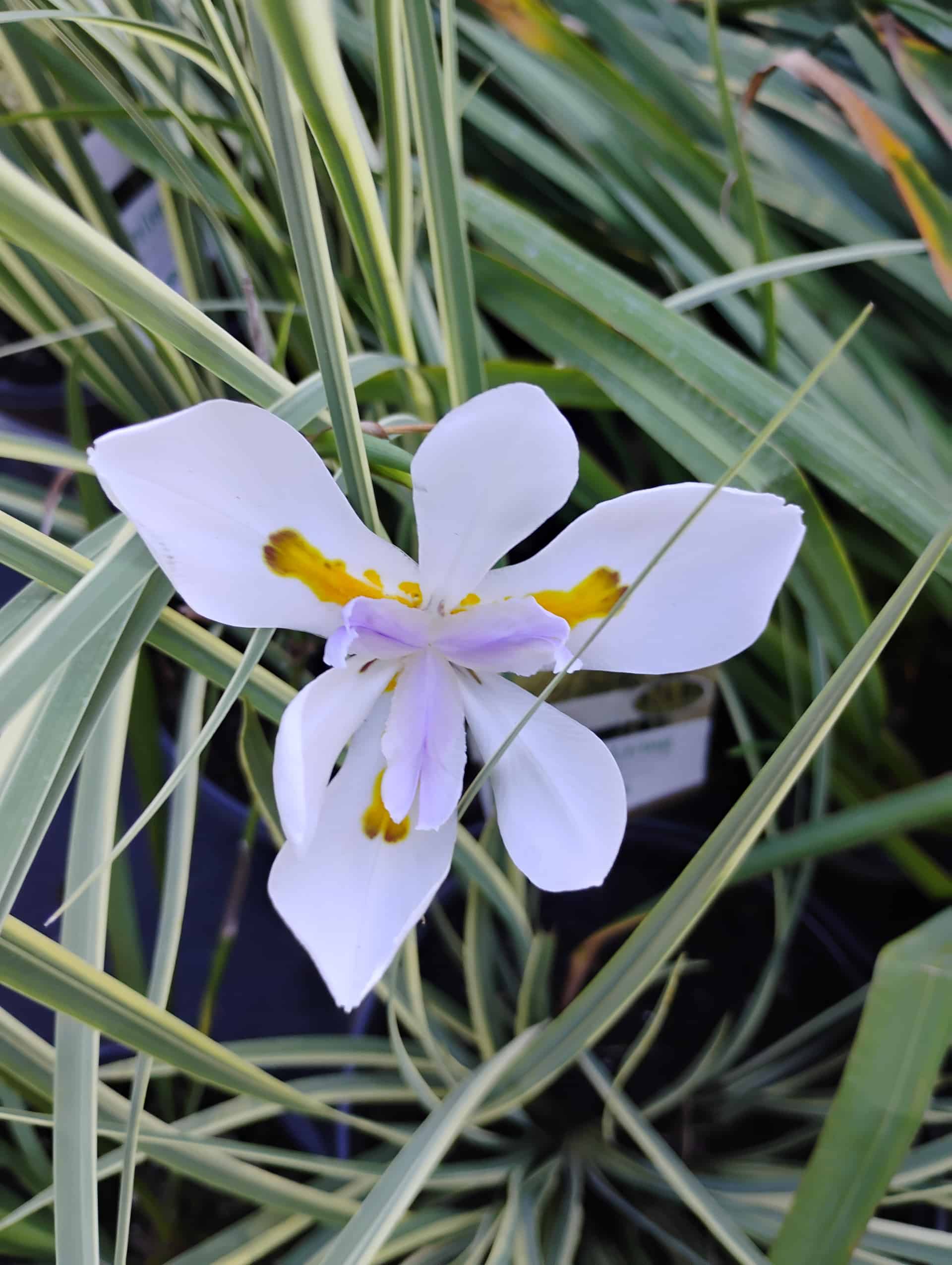
African Iris
Shares 4 of the same needs: full sun, moderate water, sandy, and pollinator-friendly.
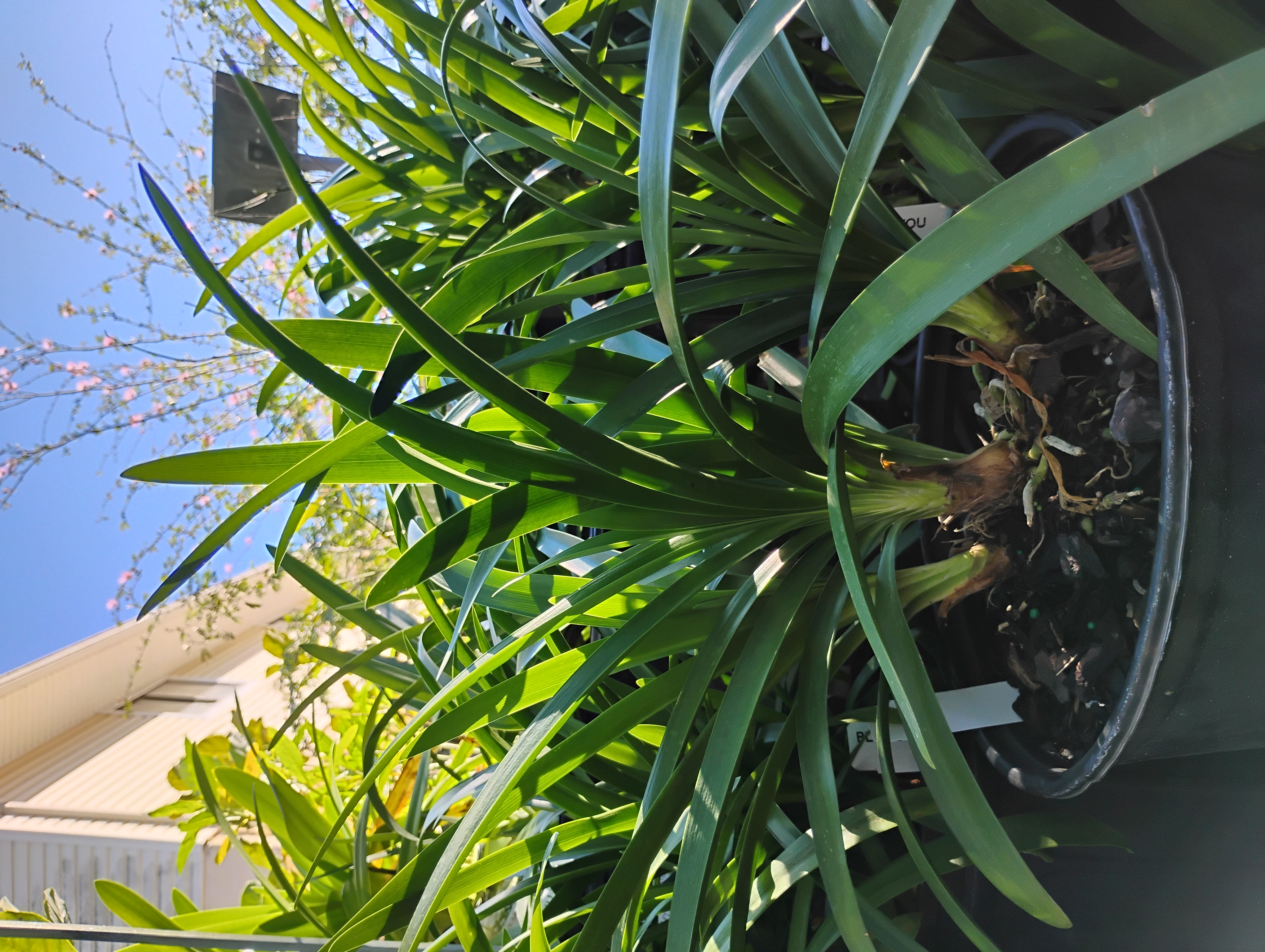
Agapanthus
Shares 4 of the same needs: full sun, moderate water, sandy, and pollinator-friendly.
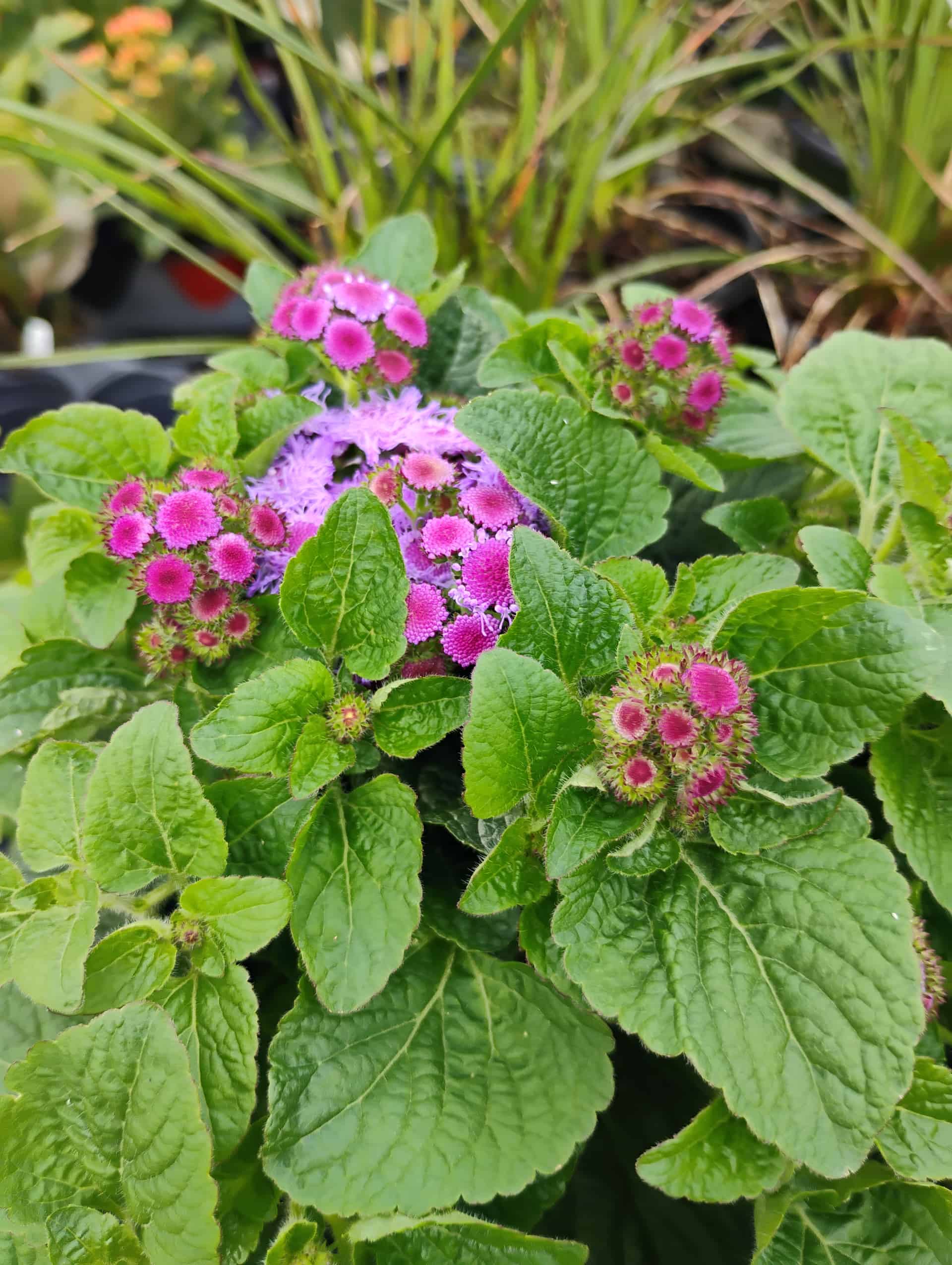
Ageratum
Shares 4 of the same needs: full sun, moderate water, sandy, and pollinator-friendly.
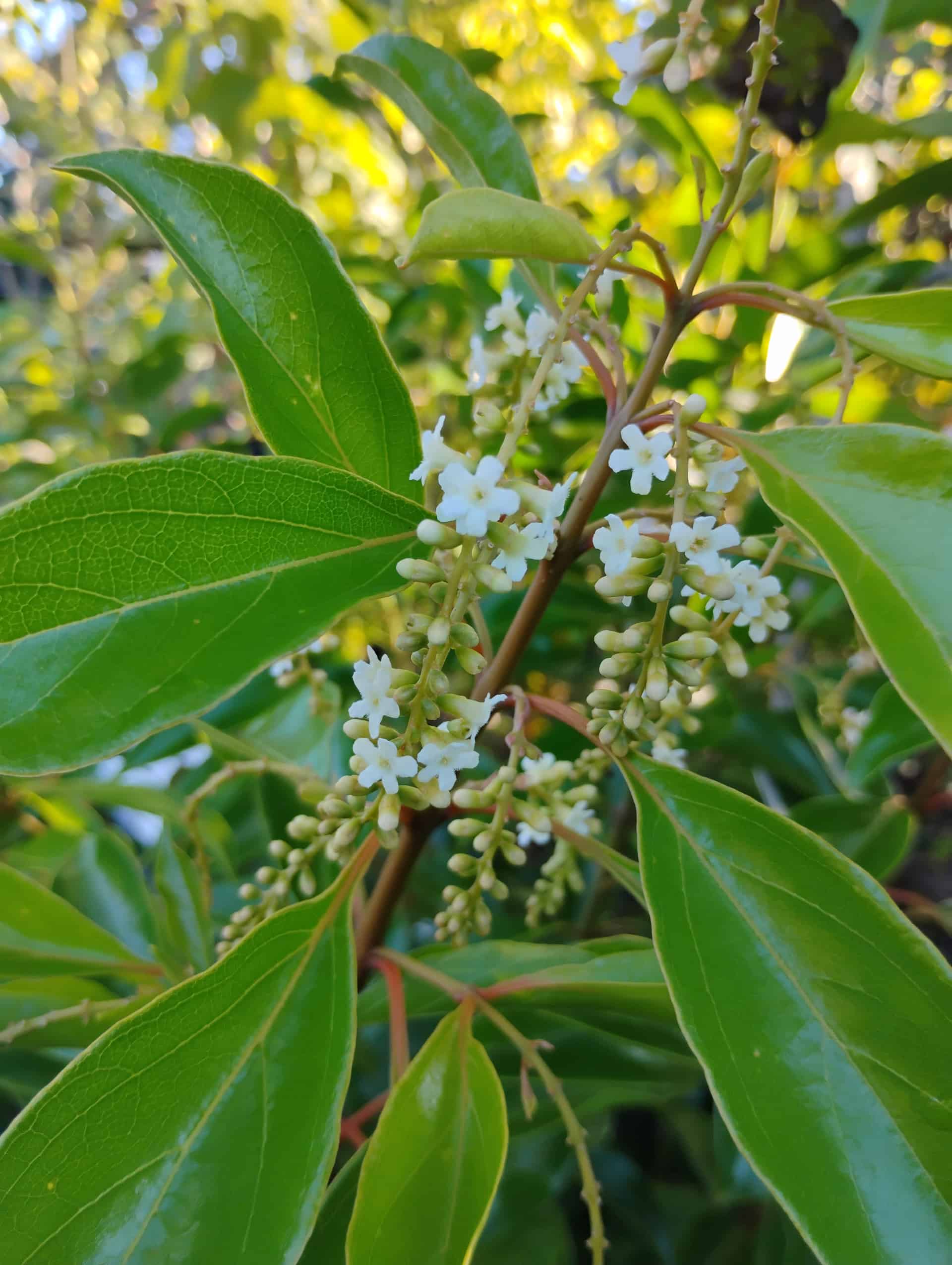
Almond Bush
Shares 4 of the same needs: full sun, moderate water, sandy, and pollinator-friendly.
Common questions
Is Shasta Daisy a good plant for St. Augustine?
Mature size: 1-3 ft × 1-2 ft. Light: Full Sun. Water needs: Moderate.