
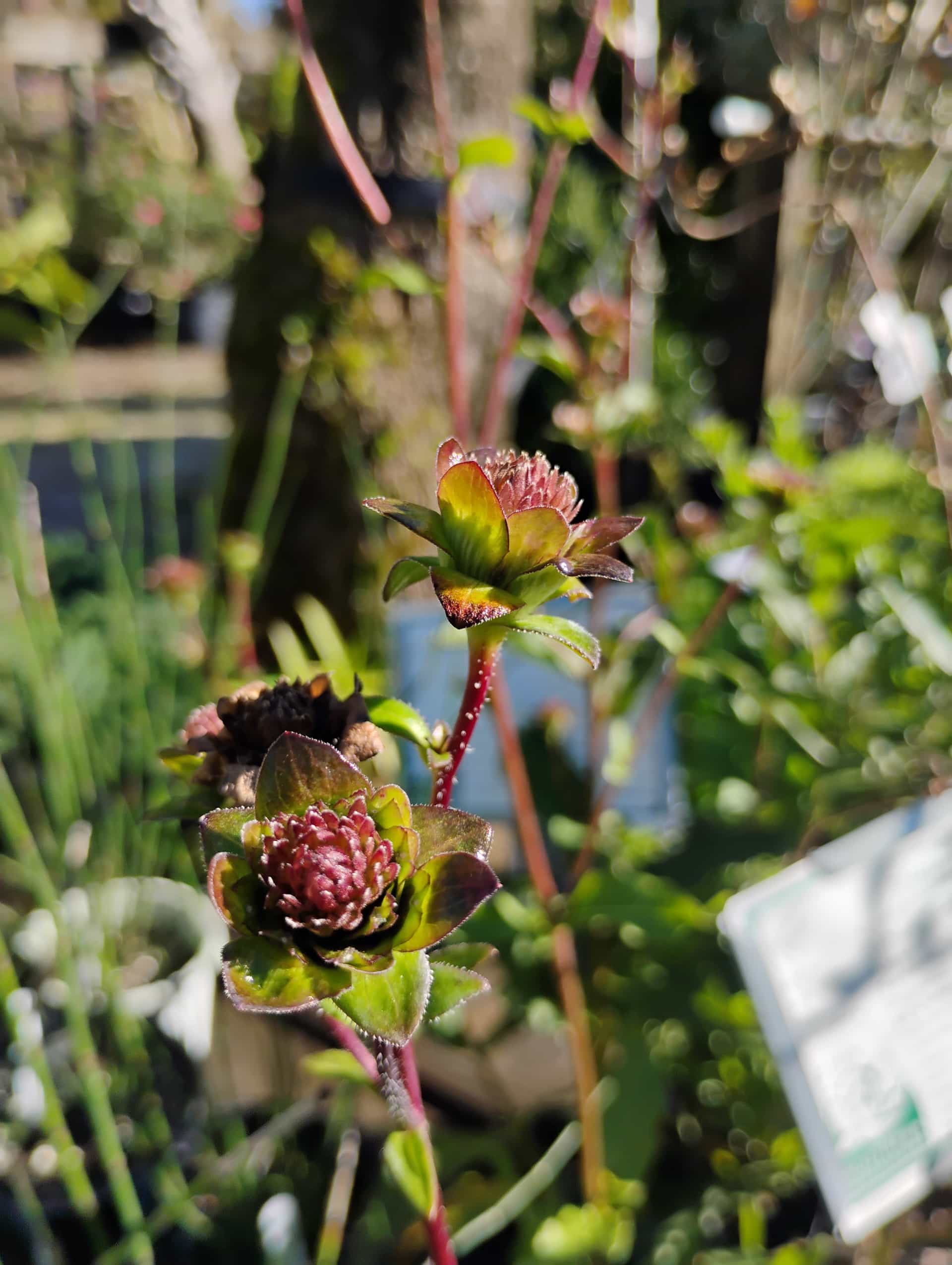
Varieties We Bring In
Standard
Standard · Starry
We received some Rosinweed on Aug 4, 2026.
We bring this in seasonally, so what is on the lot changes week to week. A received date shows when it last came in, not that it is here today.
Call (904) 471-0440 to confirm this plant and size before you make the trip.
Last received Aug 4, 2026.
We bring this in seasonally, so what is on the lot changes week to week. A received date shows when it last came in, not that it is here today.
Call (904) 471-0440 to confirm this plant and size before you make the trip.
Pet toxicity: not on file, check before planting where pets chew
Pet safety guideAbout Rosinweed
Rosinweed (Silphium integrifolium) is a robust prairie perennial of the central and eastern U.S., producing tall stems with rough opposite leaves and bright yellow daisy-like flowers from midsummer through early fall. It develops a deep drought-resistant taproot over time. Rated to zone 9b; it performs well in NE Florida's sandy, well-drained soils in full sun, attracting bees, butterflies, and seed-eating birds.
Plant details
- Bloom Season
- Summer, Fall
- Flower Color
- Yellow
- Growth Rate
- Moderate
- Foliage
- Deciduous
- Soil
- Sandy, Loam, Well-drained
Best planting months
Recommended months: March, April, May, October, November.
Seasonal care
New foliage emerges. Good planting window.
Bloom season. Handles summer heat well once established.
Bloom season. Foliage may begin to change or drop. Ideal planting window.
Dormant — drops foliage.
Care essentials
Rosinweed requires full sun for best growth and flowering. It is a prairie native that performs poorly in shade. In NE Florida, site in an open, sunny spot with good air circulation to manage Florida's summer humidity.
Rosinweed is drought tolerant once its deep taproot is established, requiring little to no supplemental irrigation in NE Florida's sandy soils. Water during the first season to encourage establishment. It tolerates Florida's rainy season well as long as drainage is adequate.
Thrives in lean, sandy to loamy, well-drained soils — typical of NE Florida. Avoid rich or heavily amended soils, which can cause excessive vegetative growth and flopping. No regular fertilization needed; a light spring application of slow-release fertilizer can be used on very poor soils.
Similar needs
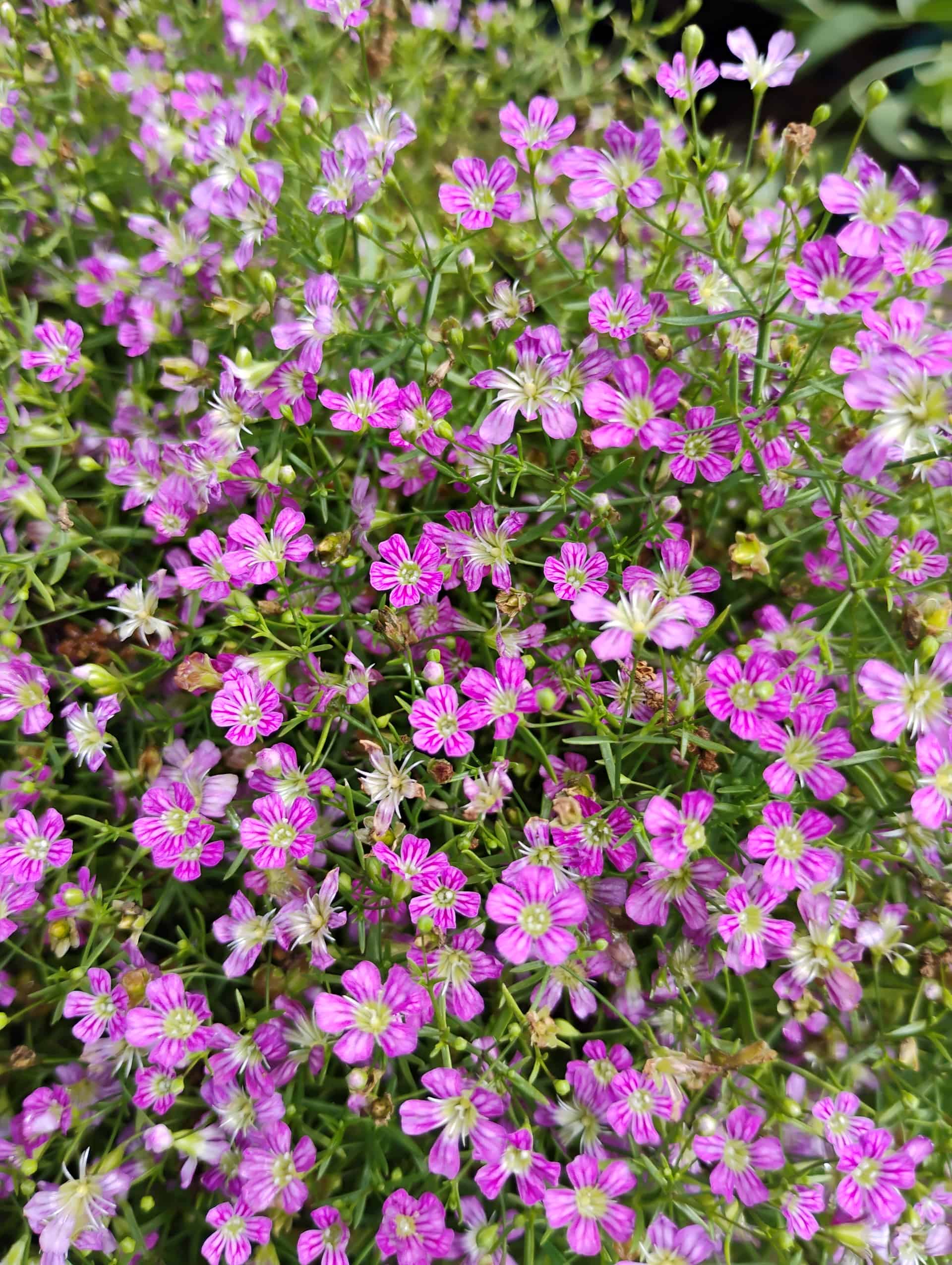
Baby's Breath
Shares 5 of the same needs: full sun, low water, sandy, zone 9a hardiness, and pollinator-friendly.
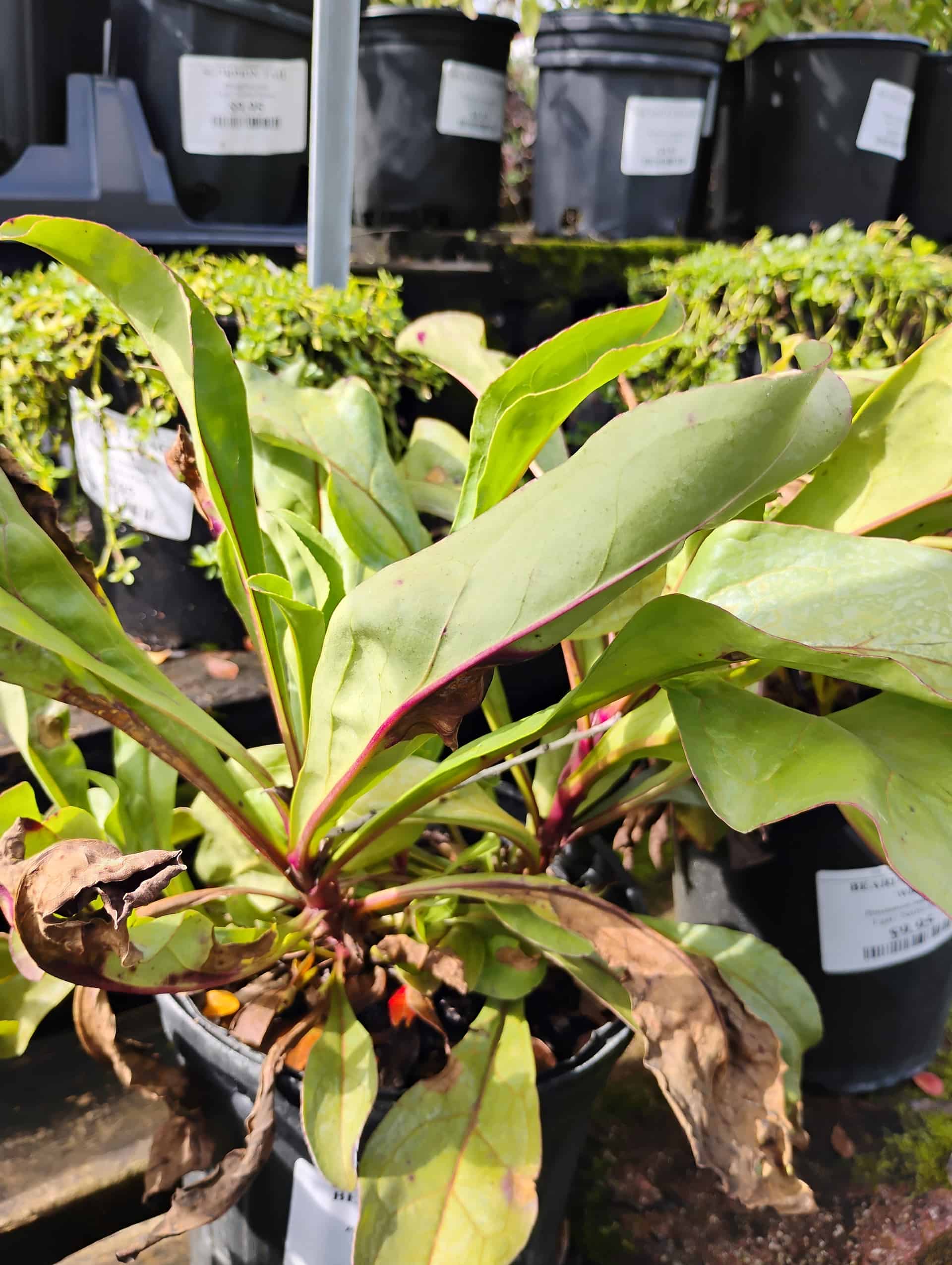
Beardtongue
Shares 5 of the same needs: full sun, low water, sandy, zone 9a hardiness, and pollinator-friendly.

Black Eyed Susan
Shares 5 of the same needs: full sun, low water, sandy, zone 9a hardiness, and pollinator-friendly.

Blanket Flower
Shares 5 of the same needs: full sun, low water, sandy, zone 9a hardiness, and pollinator-friendly.

Butterfly Weed
Shares 5 of the same needs: full sun, low water, sandy, zone 9a hardiness, and pollinator-friendly.
Calamint
Shares 5 of the same needs: full sun, low water, sandy, zone 9a hardiness, and pollinator-friendly.
You may also like
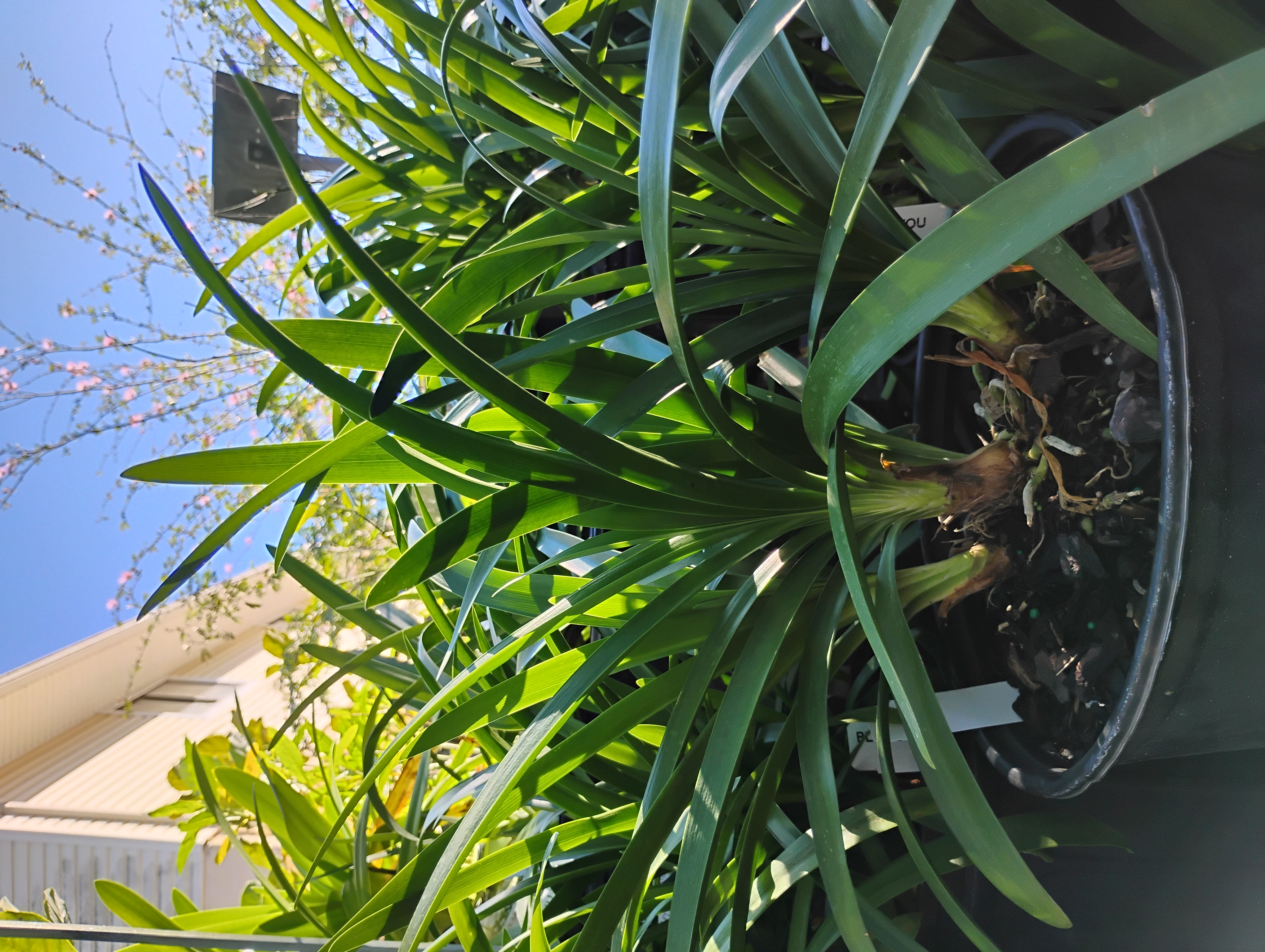 Perennial
Agapanthus
Agapanthus praecox
 Perennial
Alligator Flag
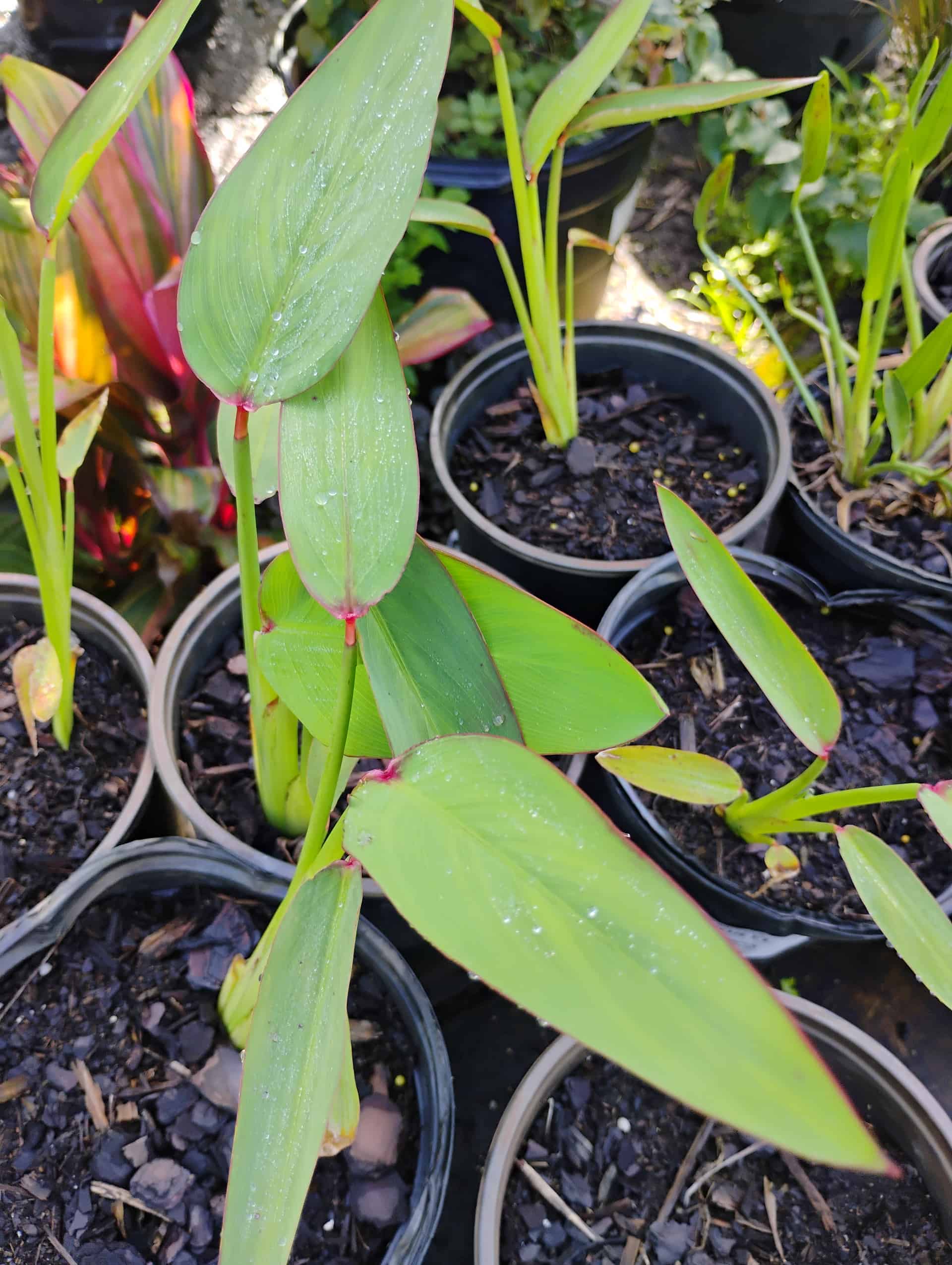
Thalia geniculata
 Perennial
Alocasia
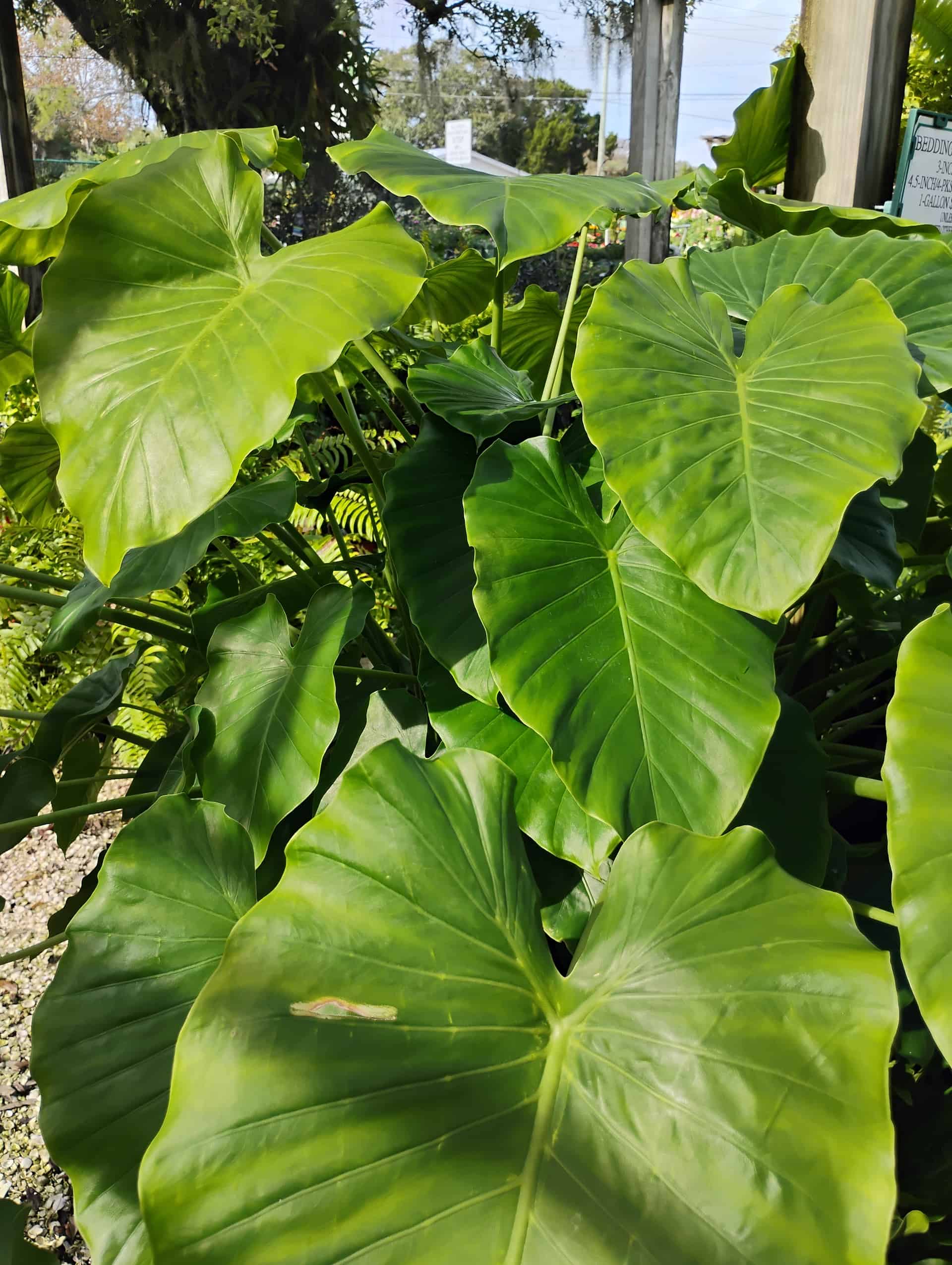
Alocasia
Common questions
Is Rosinweed a good plant for St. Augustine?
Rosinweed is a perennial. Mature size: 3-6 feet × 3-5 feet. Light: Full Sun. Water needs: Low. Rosinweed is native to Florida. Recorded hardiness zone: 9a.
Care information verified from
Last reviewed February 2026. Our care guidance comes from trusted horticulture sources and decades of helping St. Augustine gardeners. Conditions here can vary dramatically from one area to the next, so come ask us and we'll tailor it to your yard.