
Traits
Varieties We Bring In
Prairie
We received some Gray-headed Coneflower on Sep 22, 2026.
We bring this in seasonally, so what is on the lot changes week to week. A received date shows when it last came in, not that it is here today.
Call (904) 471-0440 to confirm this plant and size before you make the trip.
Last received Sep 22, 2026.
We bring this in seasonally, so what is on the lot changes week to week. A received date shows when it last came in, not that it is here today.
Call (904) 471-0440 to confirm this plant and size before you make the trip.
Pet toxicity: not on file, check before planting where pets chew
Pet safety guideAbout Gray-headed Coneflower
Gray-headed Coneflower (Ratibida pinnata) is a tall, prairie-native perennial with reflexed yellow petals drooping from an elongated gray central cone. Blooming summer through fall, it attracts bees, butterflies, and birds to its seeds. Hardy to USDA Zone 3 and native to northern Florida, it is an excellent drought-tolerant choice for NE Florida pollinator gardens in well-drained soil.
Plant details
- Bloom Season
- Summer, Fall
- Growth Rate
- Moderate
- Foliage
- Deciduous
- Soil
- Loam, Clay, Well-drained
Care essentials
Grow Gray-headed Coneflower in full sun for best bloom; it tolerates light afternoon shade. In NE Florida heat, adequate sun with good air circulation prevents crown rot.
Very drought-tolerant once established; water deeply at planting and during extended dry periods in the first season. Avoid overwatering or poorly drained sites — wet feet are the primary cause of failure in NE Florida.
Thrives in average to poor, well-drained loam or clay-loam soils; does not require fertilization. Rich or overly amended soils promote floppy growth. No supplemental fertilizer needed in typical NE Florida landscapes.
Similar needs
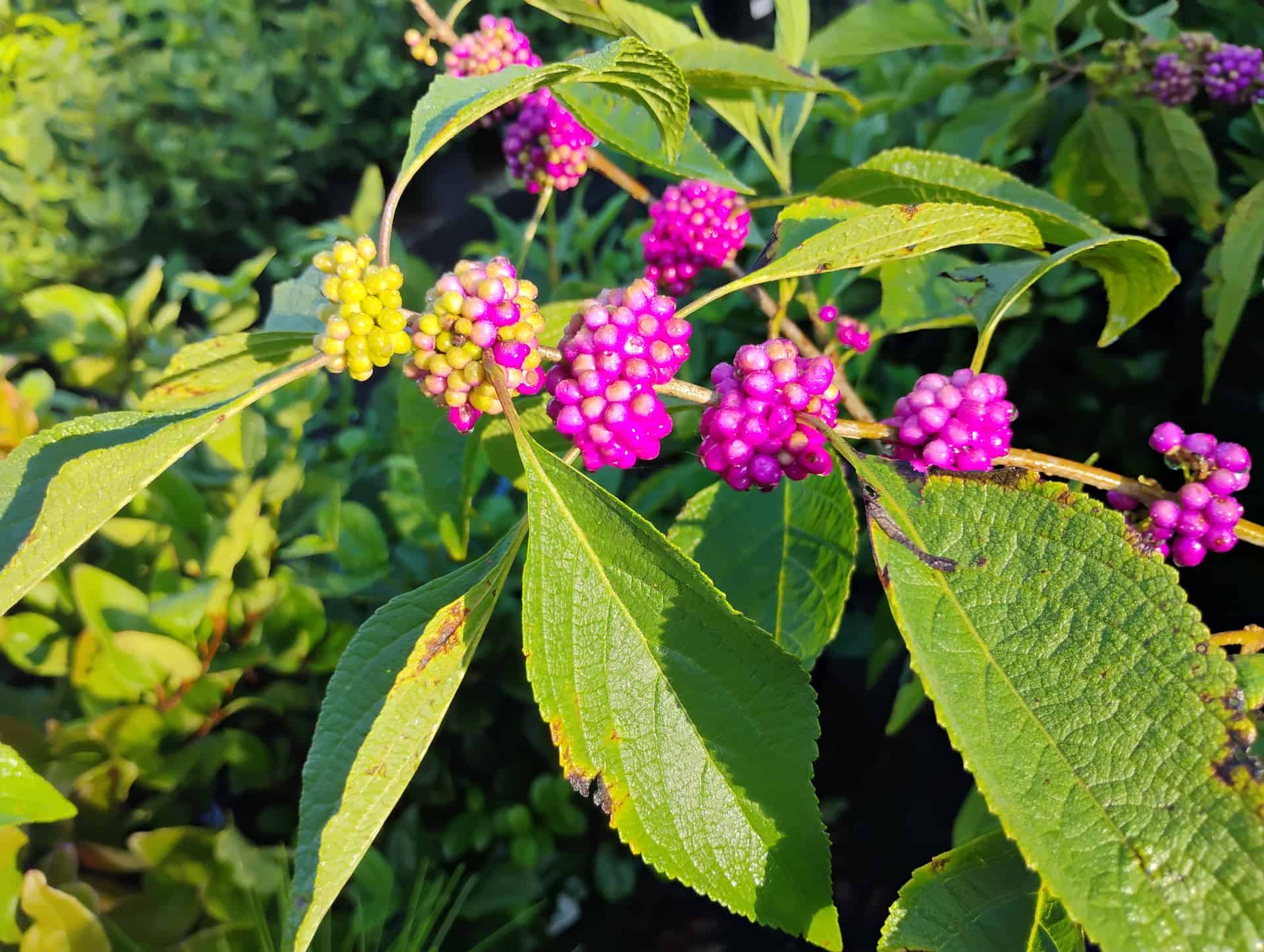
Beautyberry
Shares 4 of the same needs: full sun, low water, loam, and pollinator-friendly.
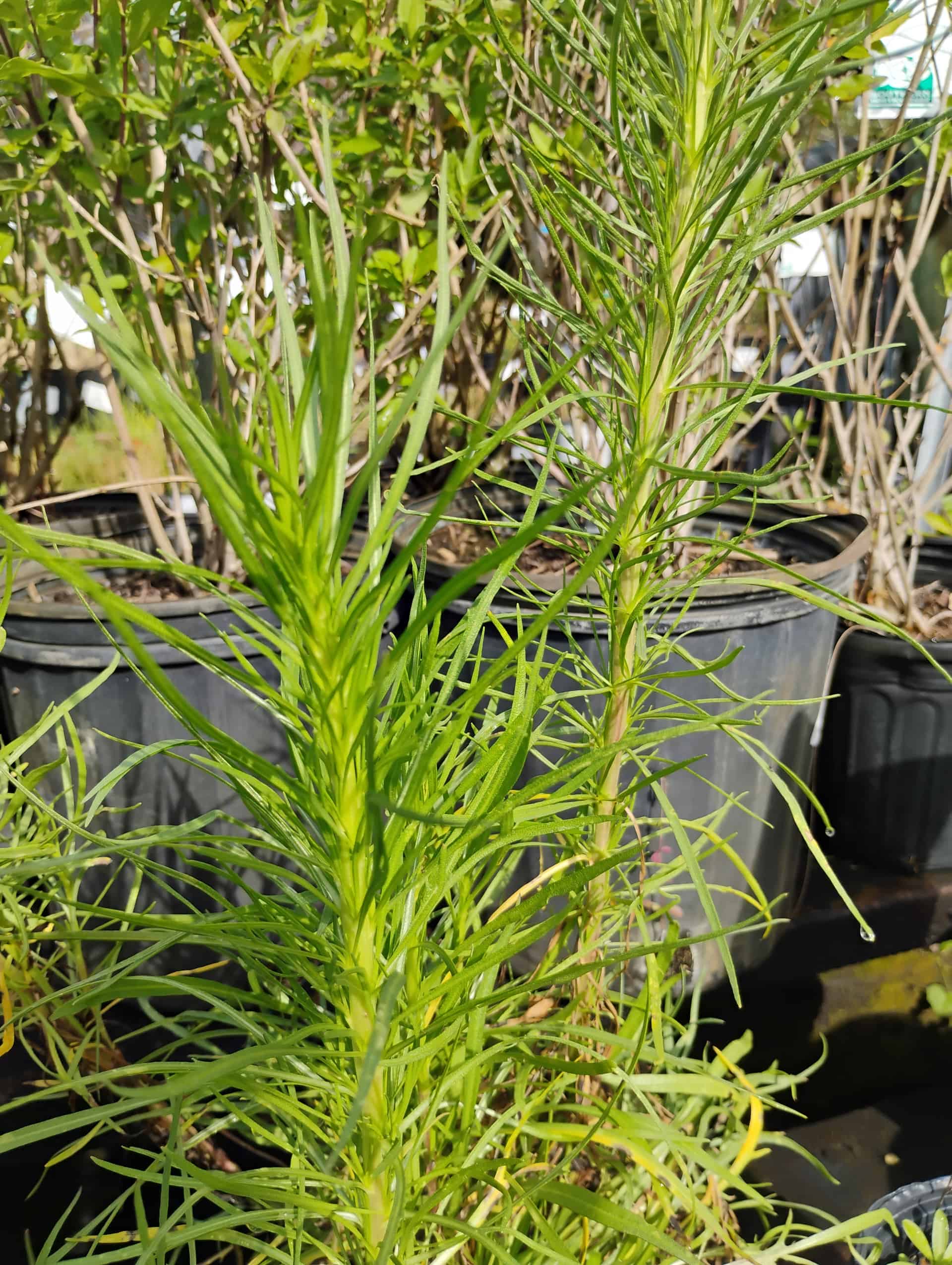
Bitter Sneezeweed
Shares 4 of the same needs: full sun, low water, loam, and pollinator-friendly.

Black Eyed Susan
Shares 4 of the same needs: full sun, low water, loam, and pollinator-friendly.
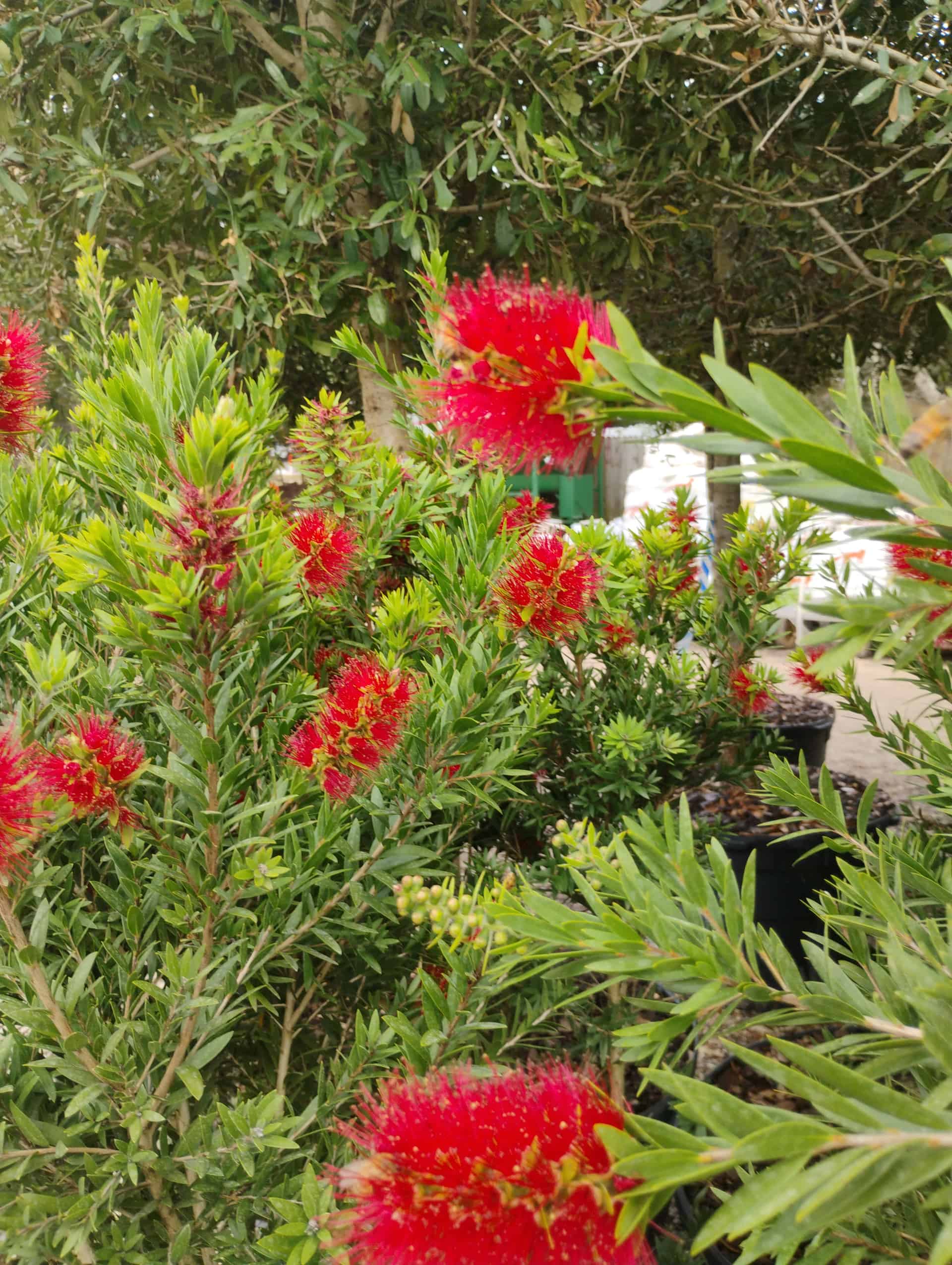
Bottlebrush
Shares 4 of the same needs: full sun, low water, loam, and pollinator-friendly.
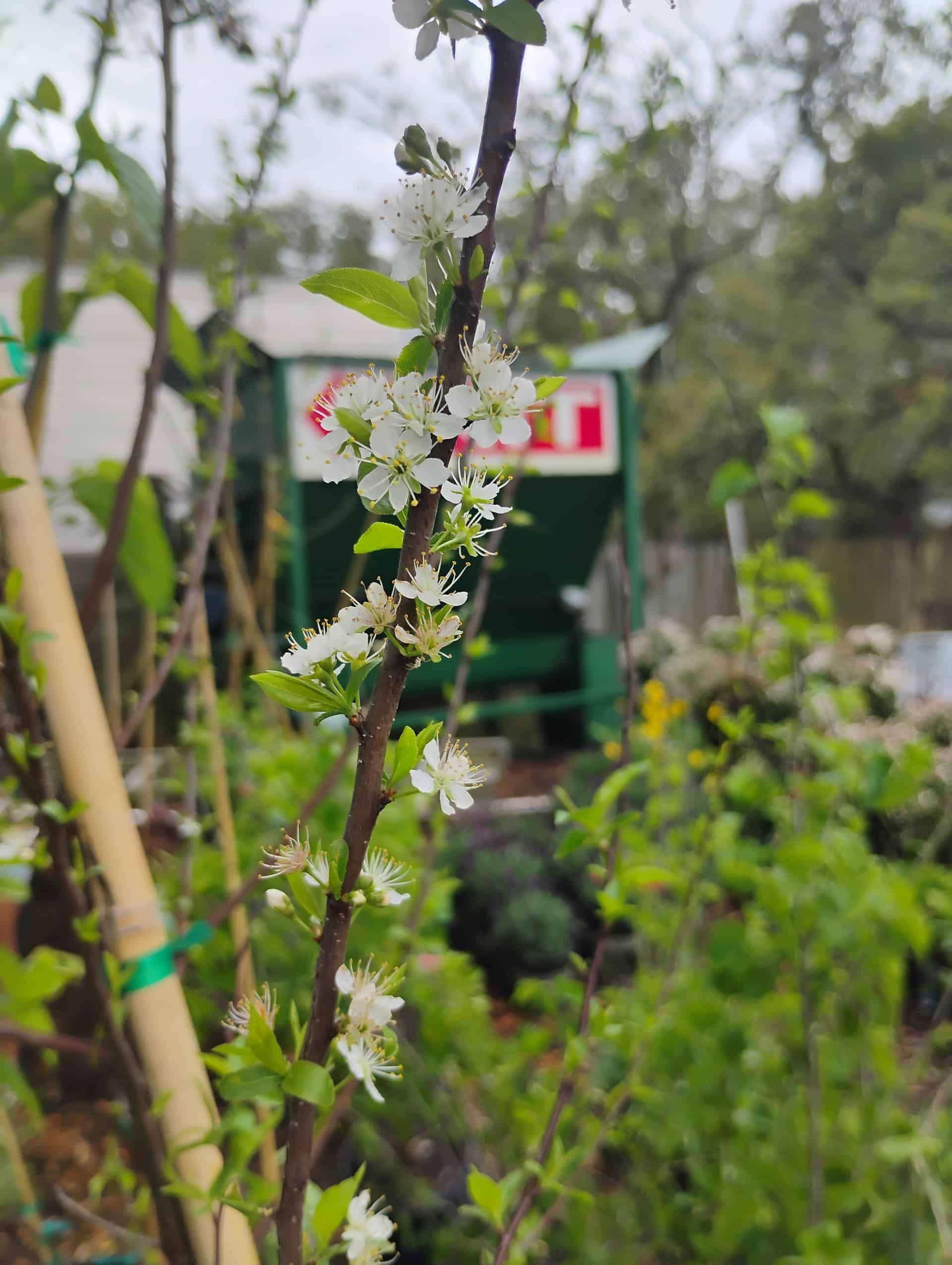
Chickasaw Plum
Shares 4 of the same needs: full sun, low water, loam, and pollinator-friendly.
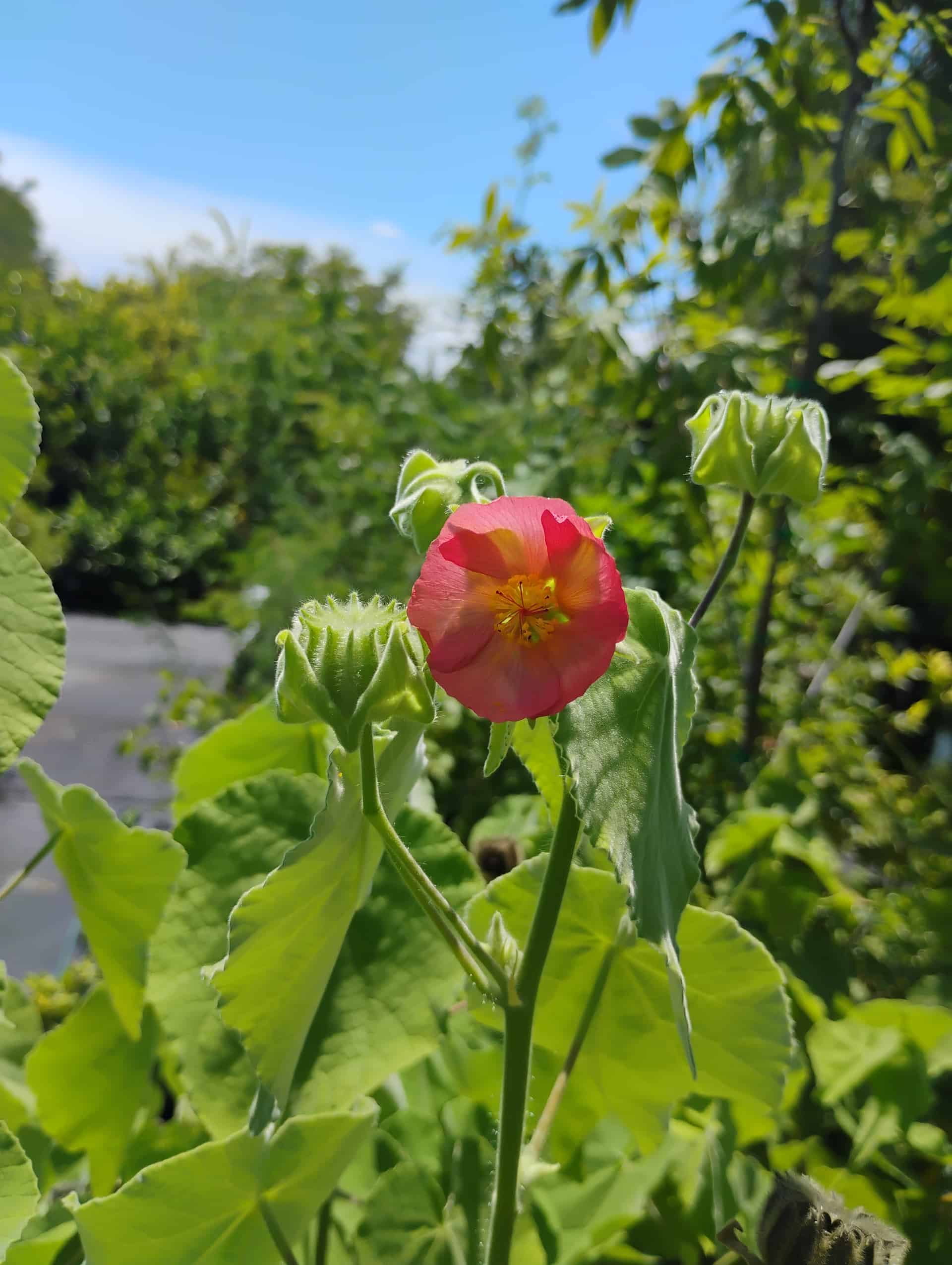
Common Mallow
Shares 4 of the same needs: full sun, low water, loam, and pollinator-friendly.
Common questions
Is Gray-headed Coneflower a good plant for St. Augustine?
Mature size: 3–5 ft × 1–2 ft. Light: Full Sun. Water needs: Low. Gray-headed Coneflower is native to Florida.