
Parsnip
Pastinaca sativa
Traits
Varieties We Bring In
Last received Sep 18, 2026.
We bring this in seasonally, so what is on the lot changes week to week. A received date shows when it last came in, not that it is here today.
Call (904) 471-0440 to confirm this plant and size before you make the trip.
About Parsnip
Parsnip (Pastinaca sativa) is a cool-season biennial root vegetable grown for its sweet, creamy-white taproot. In NE Florida (zone 9b) it is planted October–November for a winter harvest, as the heat of spring and summer prevents successful production. Caution: the sap of wild forms causes phytophotodermatitis; cultivated types are far lower risk. Starting at $1.99.
Plant details
- Bloom Season
- Summer
- Growth Rate
- Moderate
- Foliage
- Herbaceous biennial
- Soil
- Sandy, Loam, Well-drained, Deep
Care essentials
Parsnip requires full sun — at least 6 hours per day. In NE Florida it is grown as a cool-season winter crop (October–February); Florida's long summers are too hot for parsnip.
Keep soil evenly moist during the growing period. Inconsistent moisture causes forked or cracked roots. Parsnip is grown in Florida only in winter and benefits from drip or soaker-hose irrigation to maintain steady soil moisture without wetting foliage.
Parsnip needs deep (12+ inches), loose, stone-free, well-drained sandy loam for straight root development. Amend NE Florida sandy soil with compost before planting; incorporate a balanced vegetable fertilizer at planting and side-dress with low-nitrogen fertilizer once leaves are established.
Similar needs
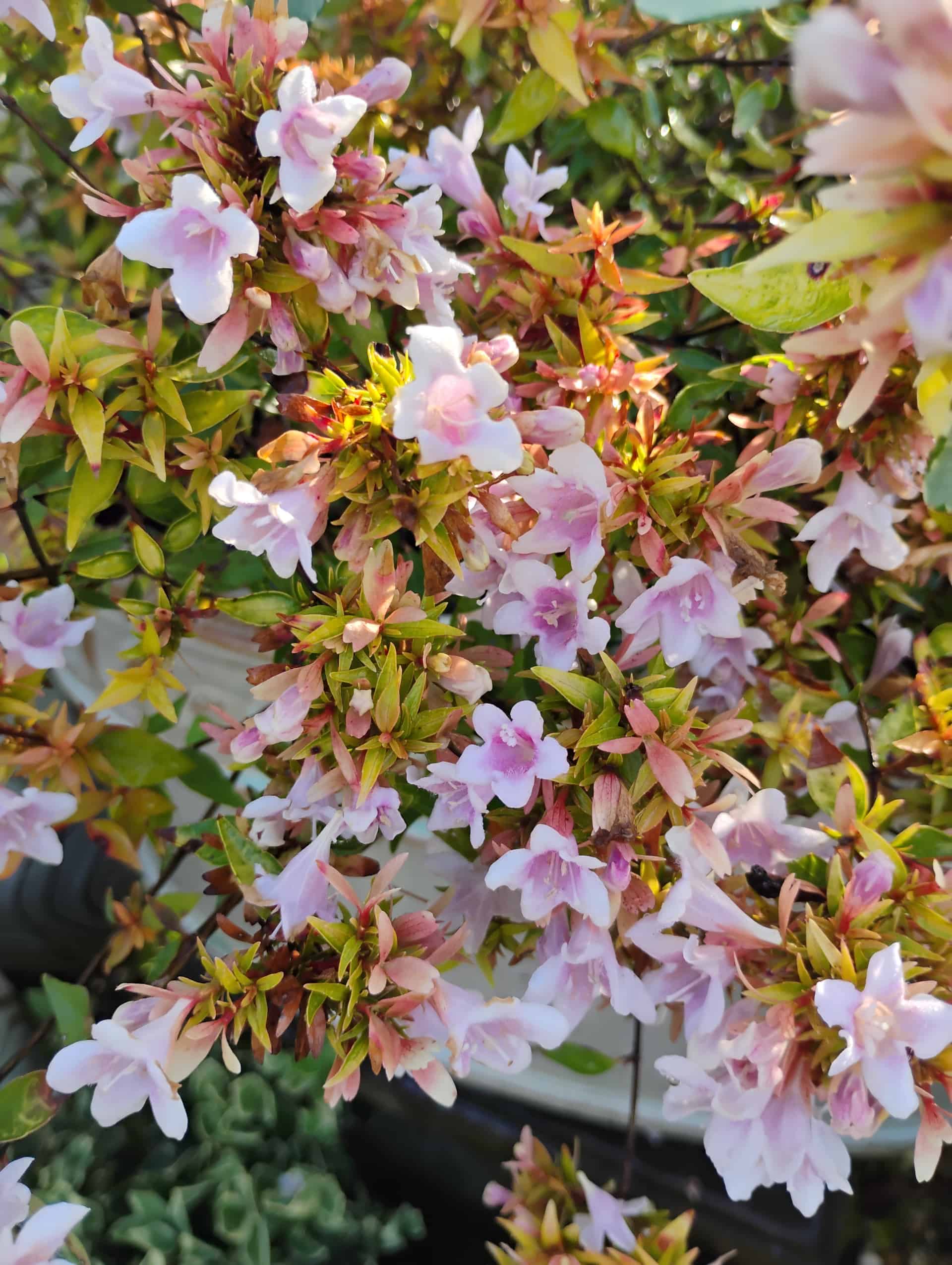
Abelia
Shares 4 of the same needs: full sun, moderate water, sandy, and pollinator-friendly.
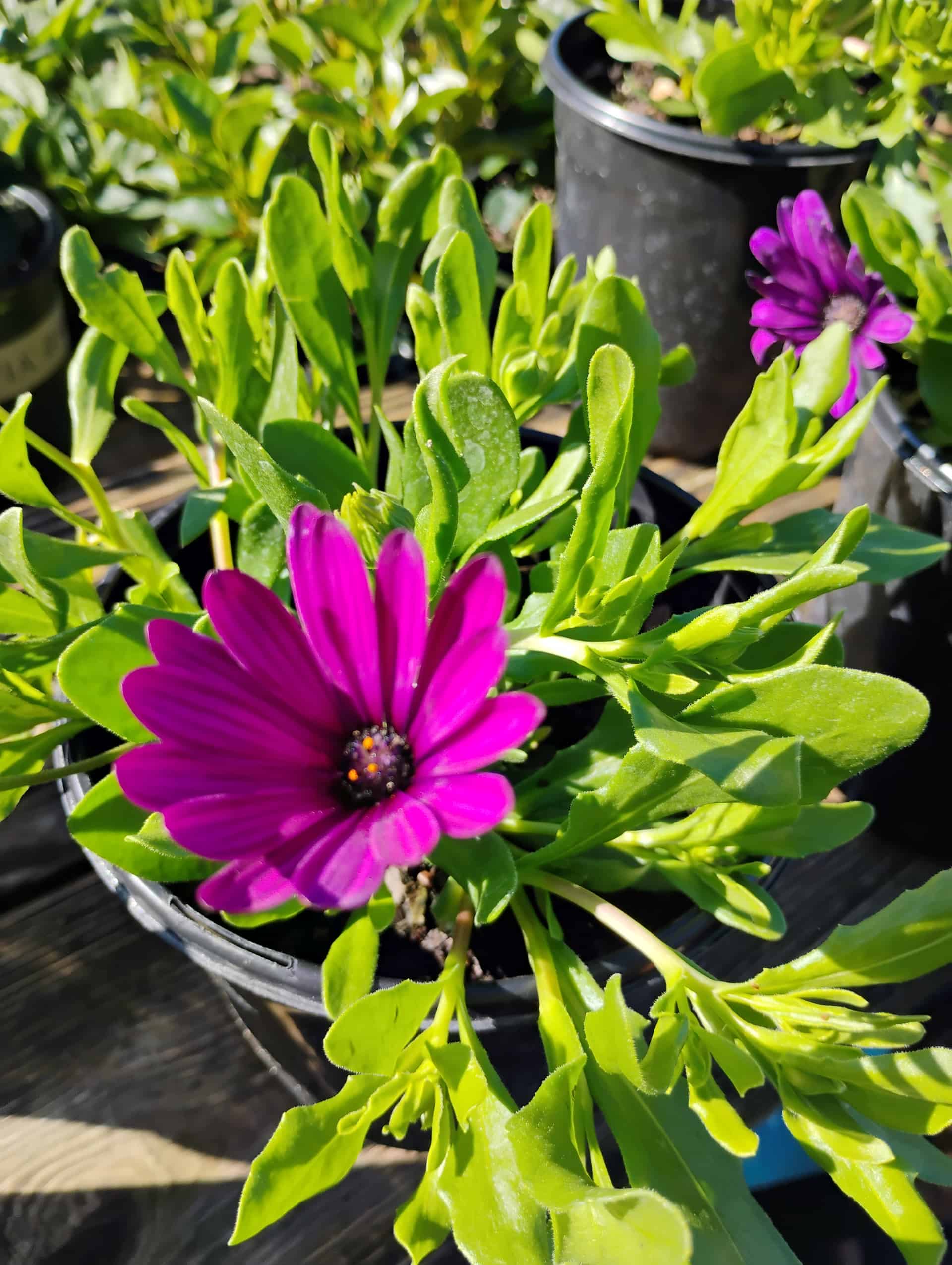
African Daisy
Shares 4 of the same needs: full sun, moderate water, sandy, and pollinator-friendly.
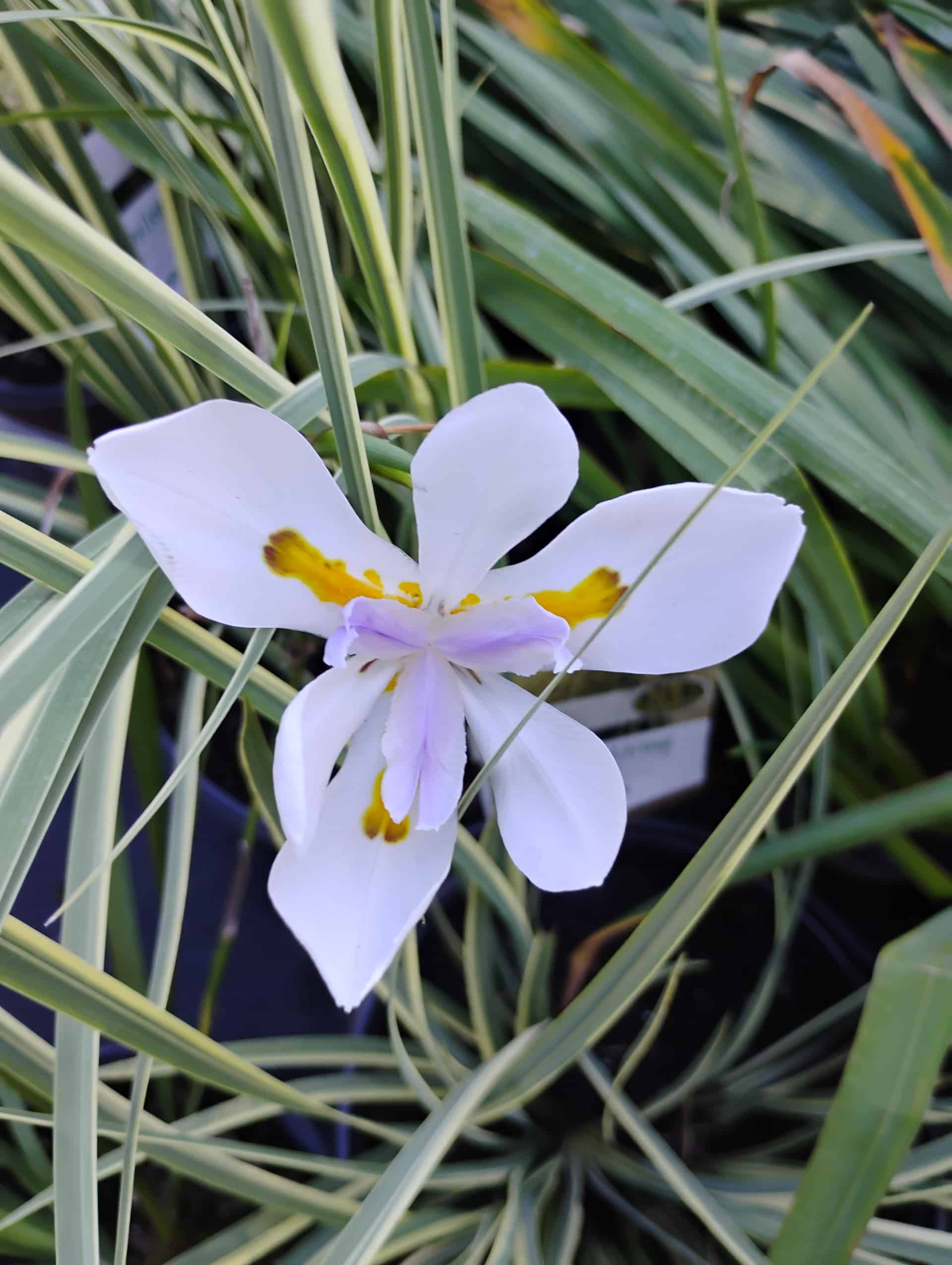
African Iris
Shares 4 of the same needs: full sun, moderate water, sandy, and pollinator-friendly.
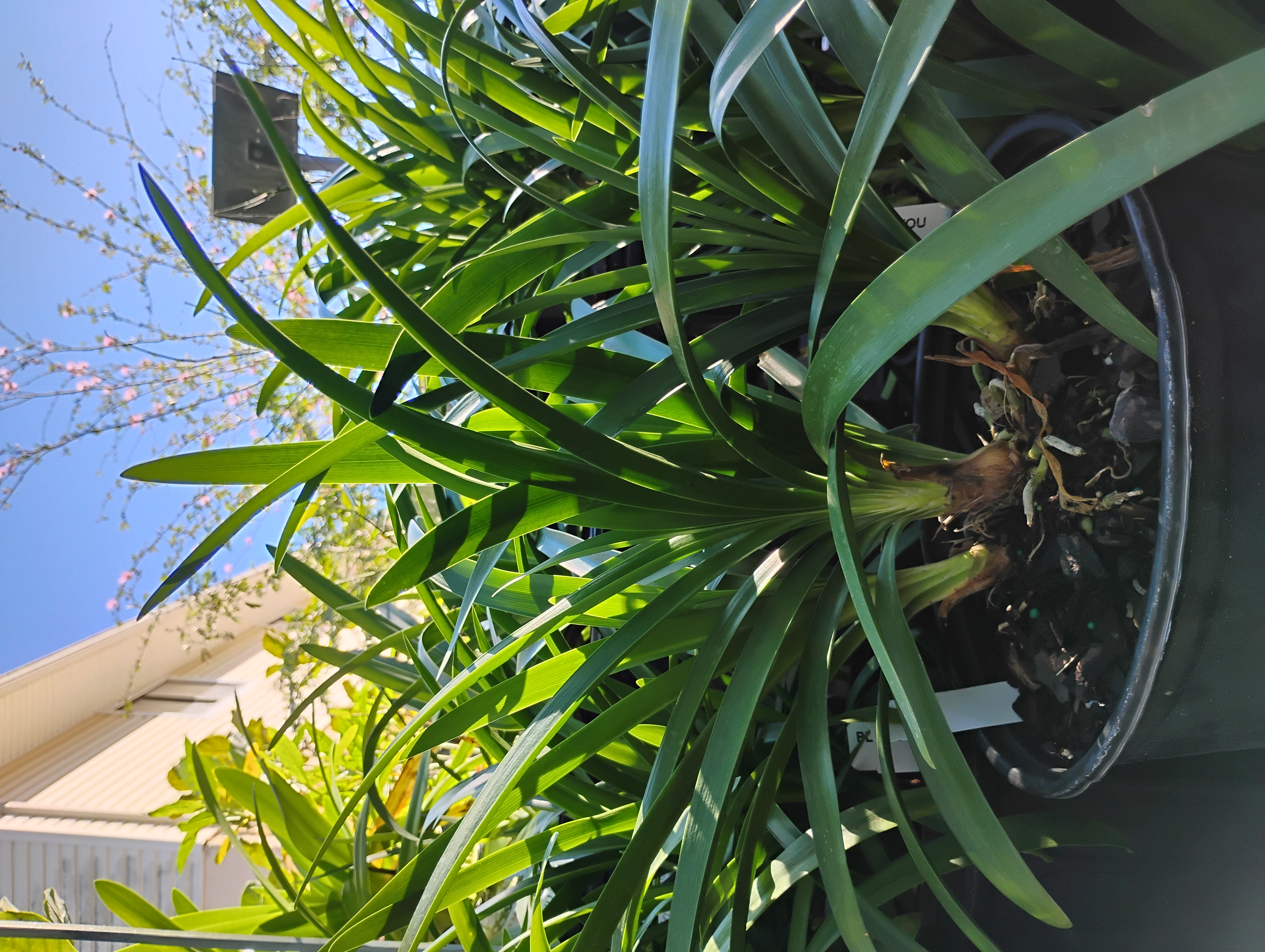
Agapanthus
Shares 4 of the same needs: full sun, moderate water, sandy, and pollinator-friendly.
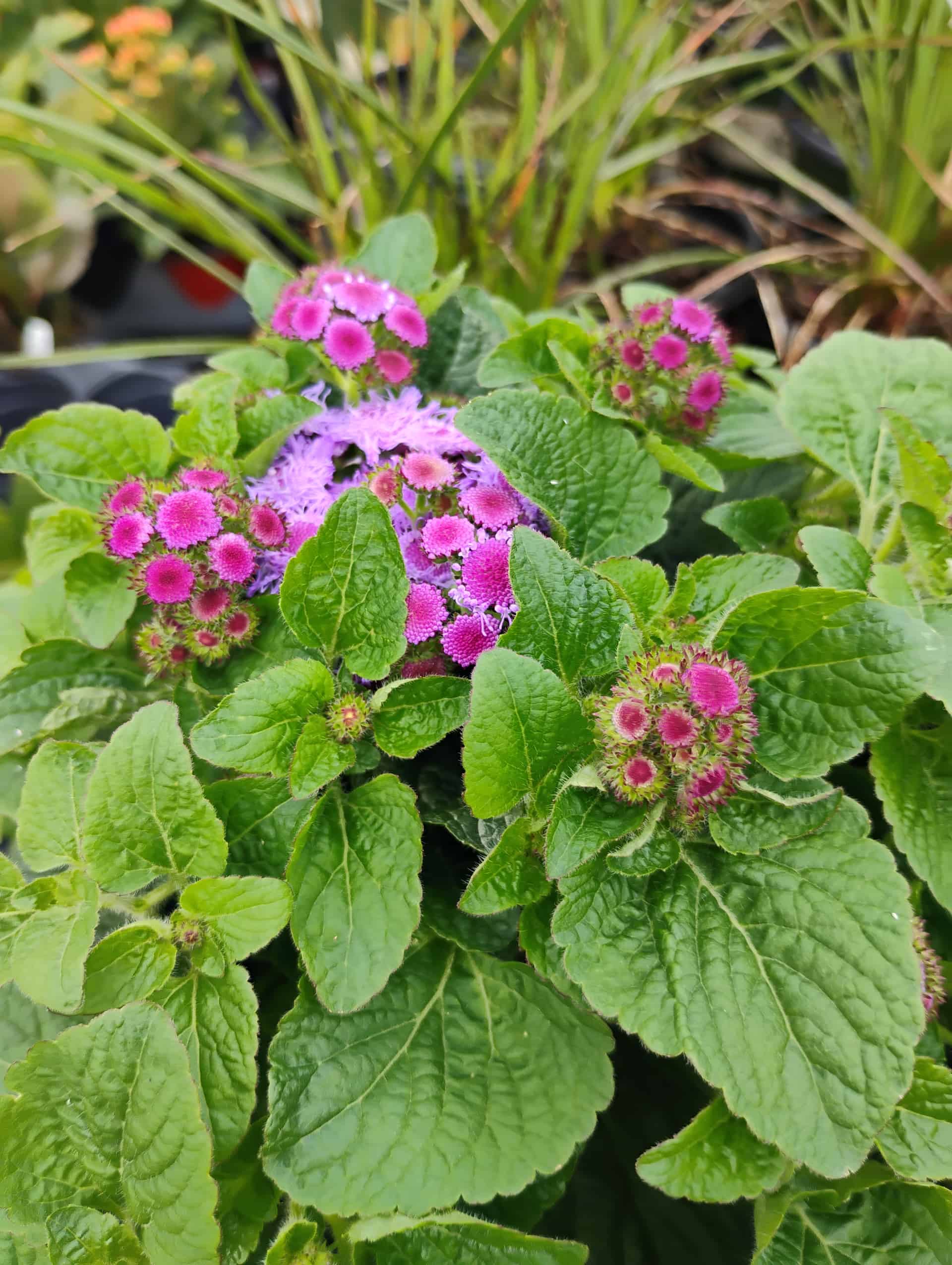
Ageratum
Shares 4 of the same needs: full sun, moderate water, sandy, and pollinator-friendly.
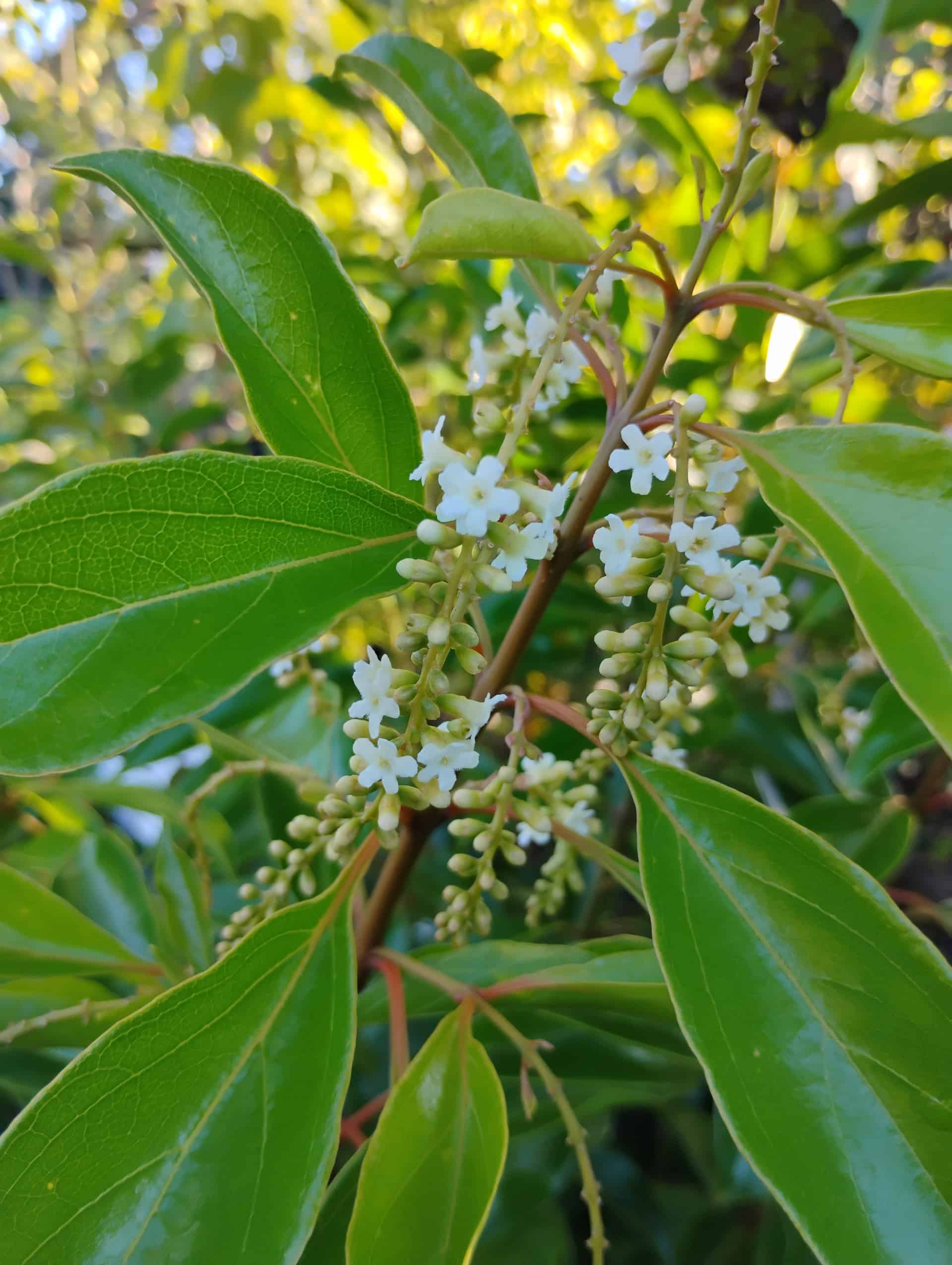
Almond Bush
Shares 4 of the same needs: full sun, moderate water, sandy, and pollinator-friendly.
Common questions
Is Parsnip a good plant for St. Augustine?
Parsnip is a plant for Zone 9b coastal Florida gardens, reaching 12-18 in foliage; 3-5 ft when flowering × 6-9 in.