
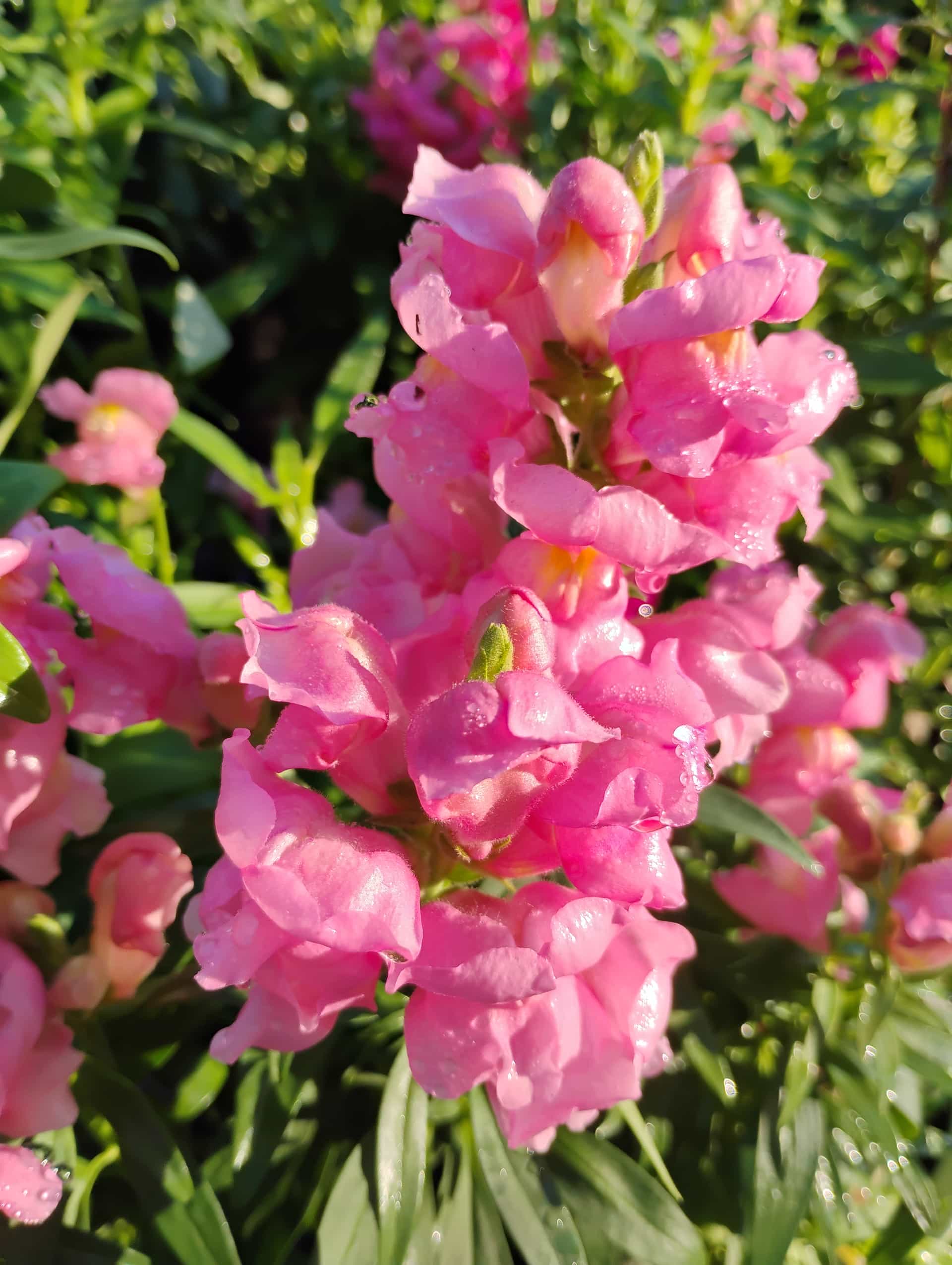
Varieties We Bring In
Standard
Standard
Standard
We received some Snapdragon on Sep 18, 2026.
We bring this in seasonally, so what is on the lot changes week to week. A received date shows when it last came in, not that it is here today.
Call (904) 471-0440 to confirm this plant and size before you make the trip.
Last received Sep 18, 2026.
We bring this in seasonally, so what is on the lot changes week to week. A received date shows when it last came in, not that it is here today.
Call (904) 471-0440 to confirm this plant and size before you make the trip.
Pet toxicity: Non-toxic to dogs and cats
Pet safety guideAbout Snapdragon
Antirrhinum majus, the snapdragon, is a cool-season annual native to the Mediterranean bearing dense spikes of distinctive two-lipped flowers in a wide range of colors. A traditional cottage-garden favorite grown for cut flowers, borders, and containers during fall and spring seasons in warm climates.
Plant details
- Bloom Season
- Winter, Spring
- Flower Color
- White, Yellow, Orange, Red, Pink, Purple, Multi
- Growth Rate
- Moderate
- Foliage
- Annual
- Soil
- Sandy, Loam, Well-drained
Best planting months
Recommended months: September, October, November.
Seasonal care
Bloom season.
Active growing season.
Ideal planting window.
Bloom season. Retains foliage through winter.
Care essentials
Requires full sun (6+ hours daily) for dense, upright growth and maximum bloom. In NE Florida, plant in October–November in an open, sunny bed; poor light results in leggy stems and reduced flowering.
Keep soil consistently moist but never waterlogged. Water at the base to reduce foliar disease risk; snapdragons are susceptible to botrytis in humid NE Florida conditions. Mulch lightly to retain moisture.
Plant in well-drained, slightly acidic soil (pH 5.5–6.5). Incorporate slow-release granular fertilizer at planting; follow with light liquid fertilizer every 3–4 weeks during the bloom season (winter–spring). Cut back after first flush to encourage a second round of flowers.
Similar needs
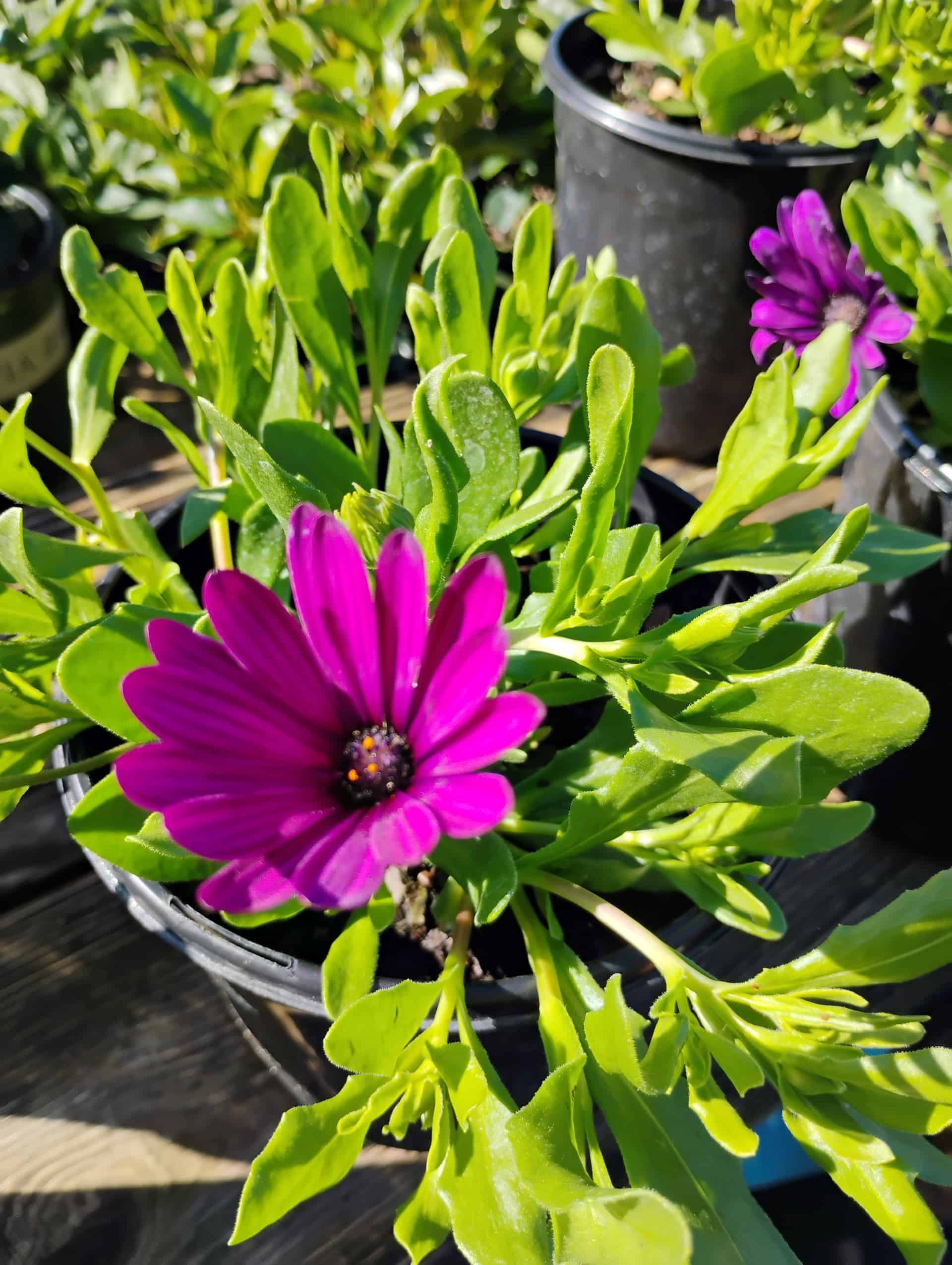
African Daisy
Shares 5 of the same needs: full sun, moderate water, sandy, zone 9a hardiness, and pollinator-friendly.
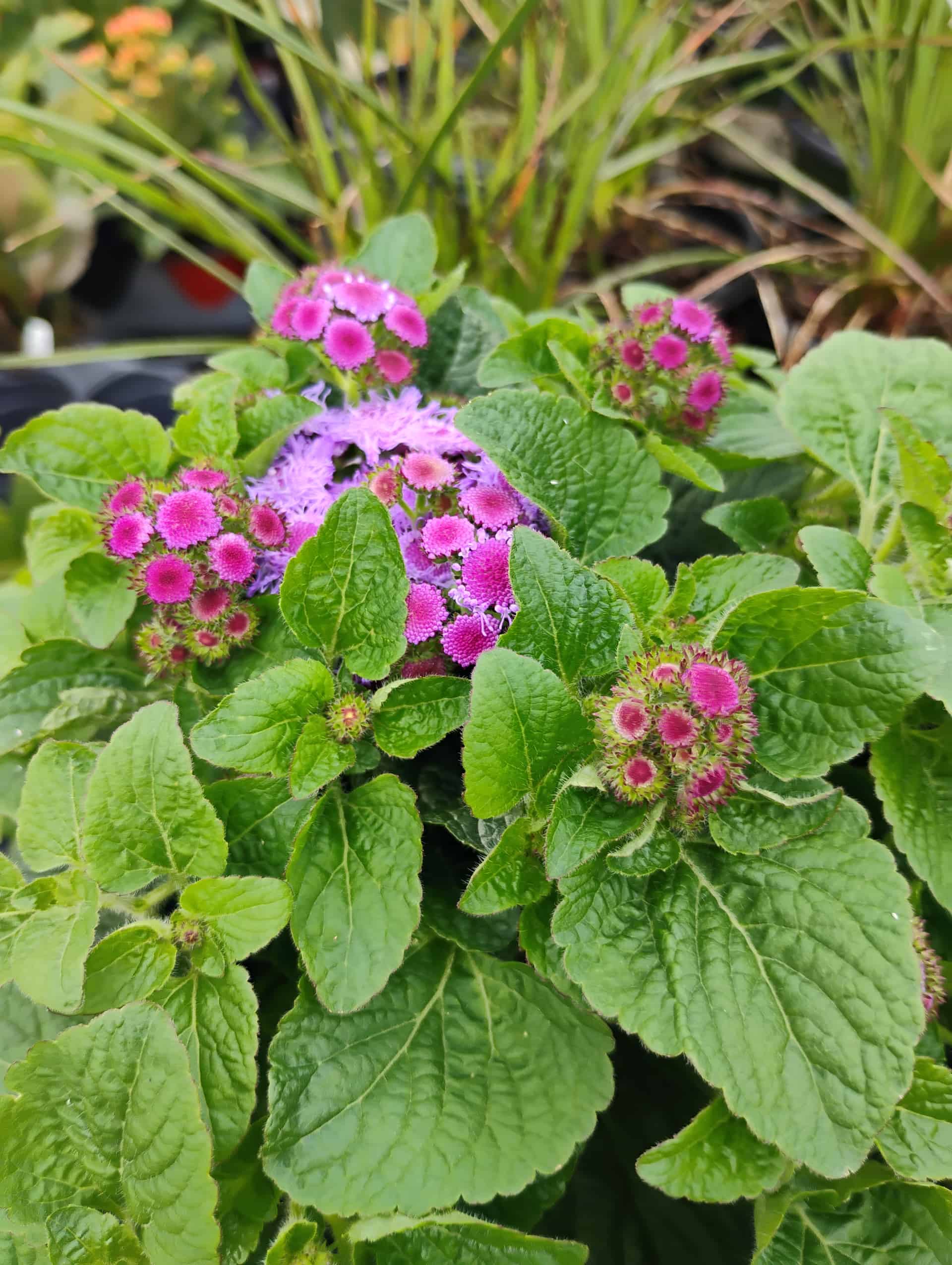
Ageratum
Shares 5 of the same needs: full sun, moderate water, sandy, zone 9a hardiness, and pollinator-friendly.
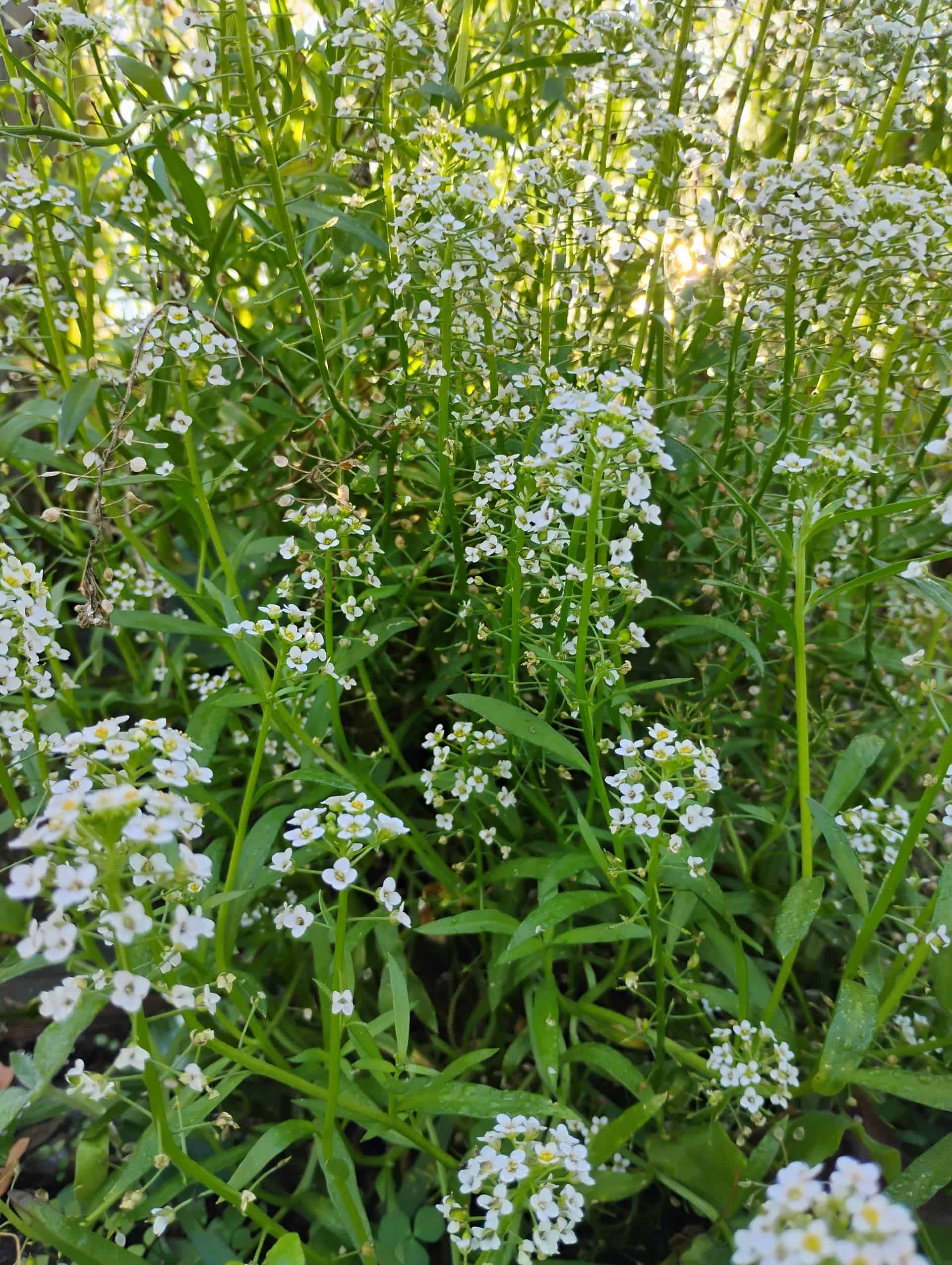
Alyssum
Shares 5 of the same needs: full sun, moderate water, sandy, zone 9a hardiness, and pollinator-friendly.
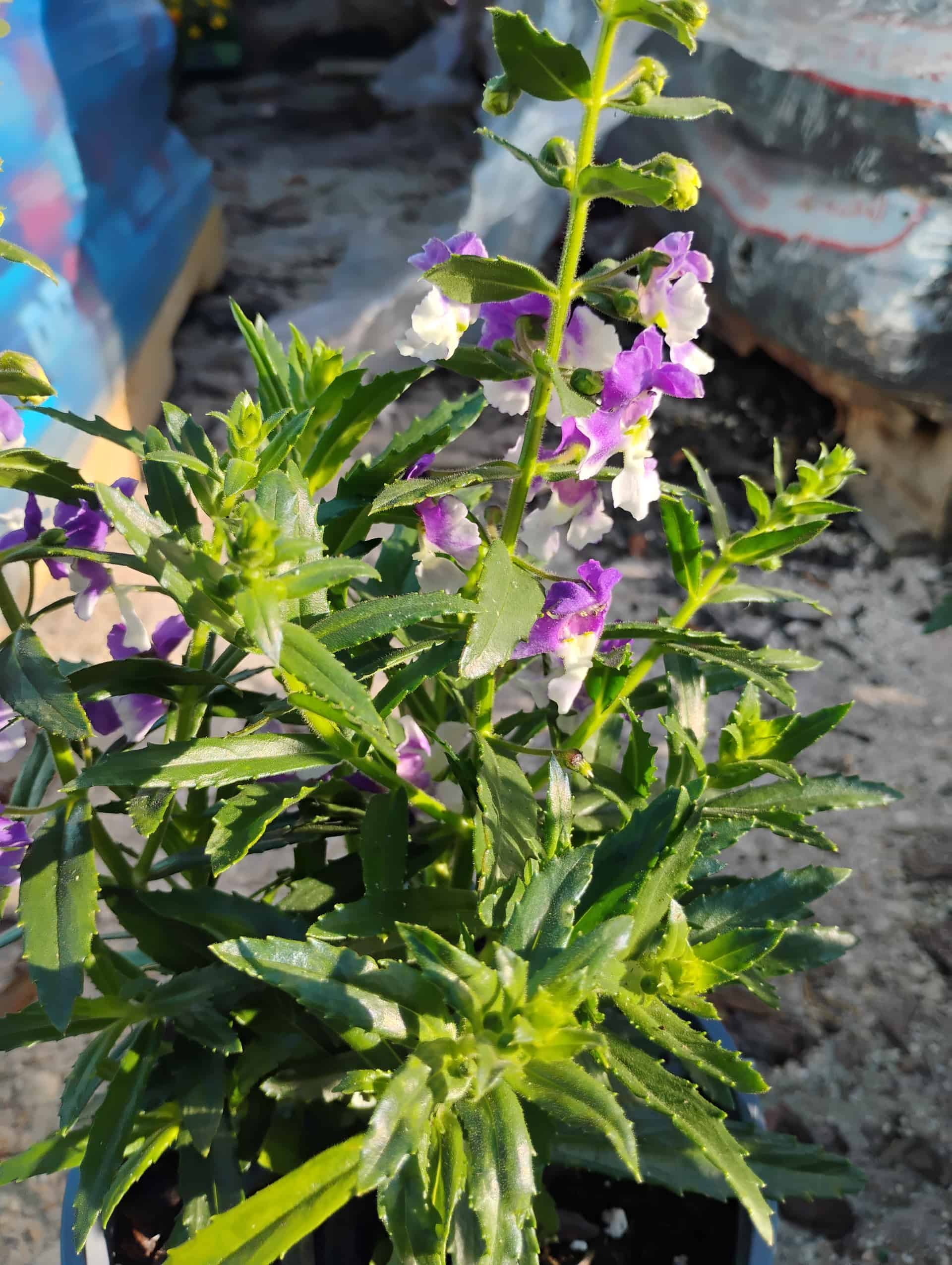
Angelonia
Shares 5 of the same needs: full sun, moderate water, sandy, zone 9a hardiness, and pollinator-friendly.
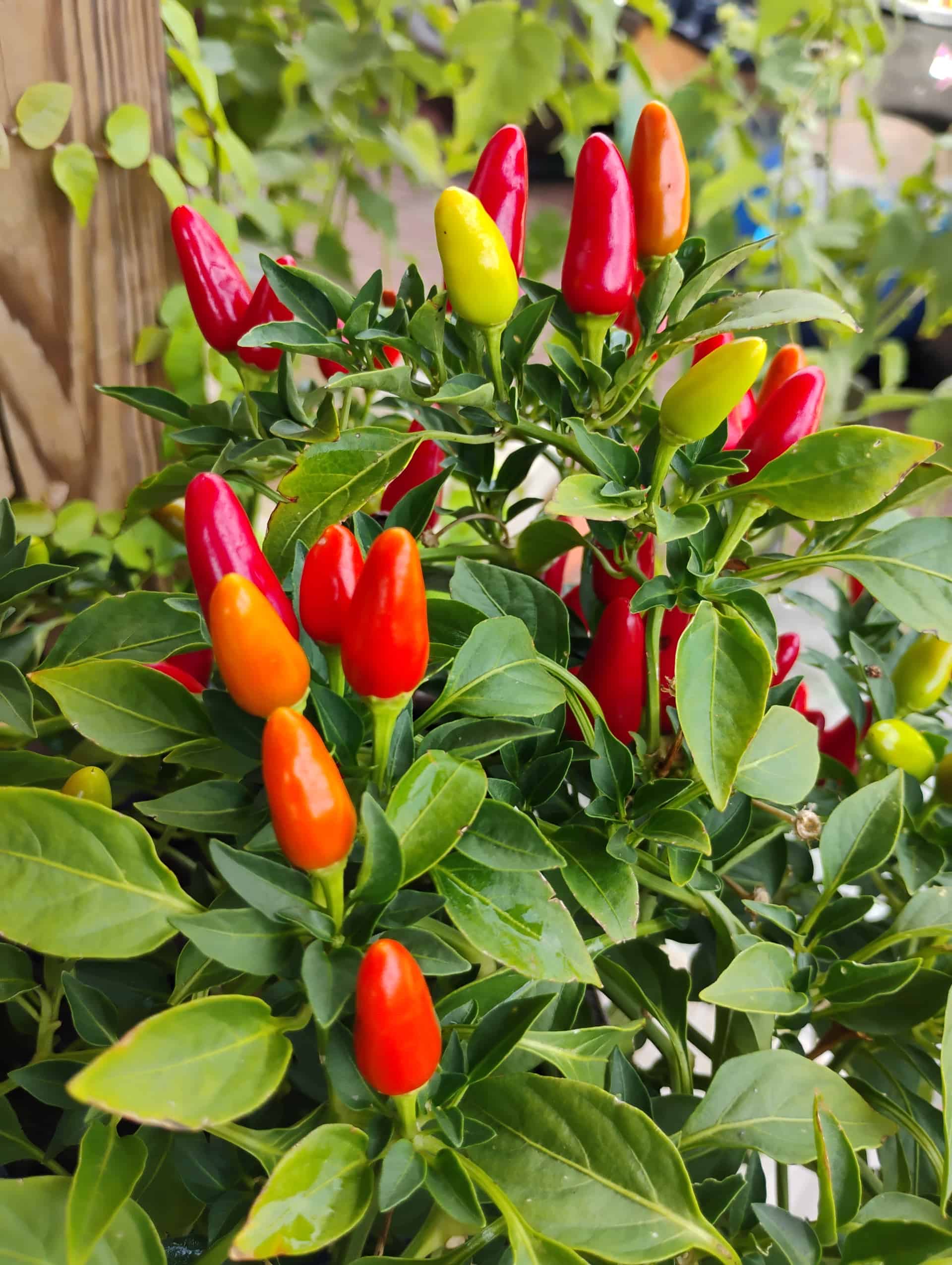
Bell Pepper
Shares 5 of the same needs: full sun, moderate water, sandy, zone 9a hardiness, and pollinator-friendly.
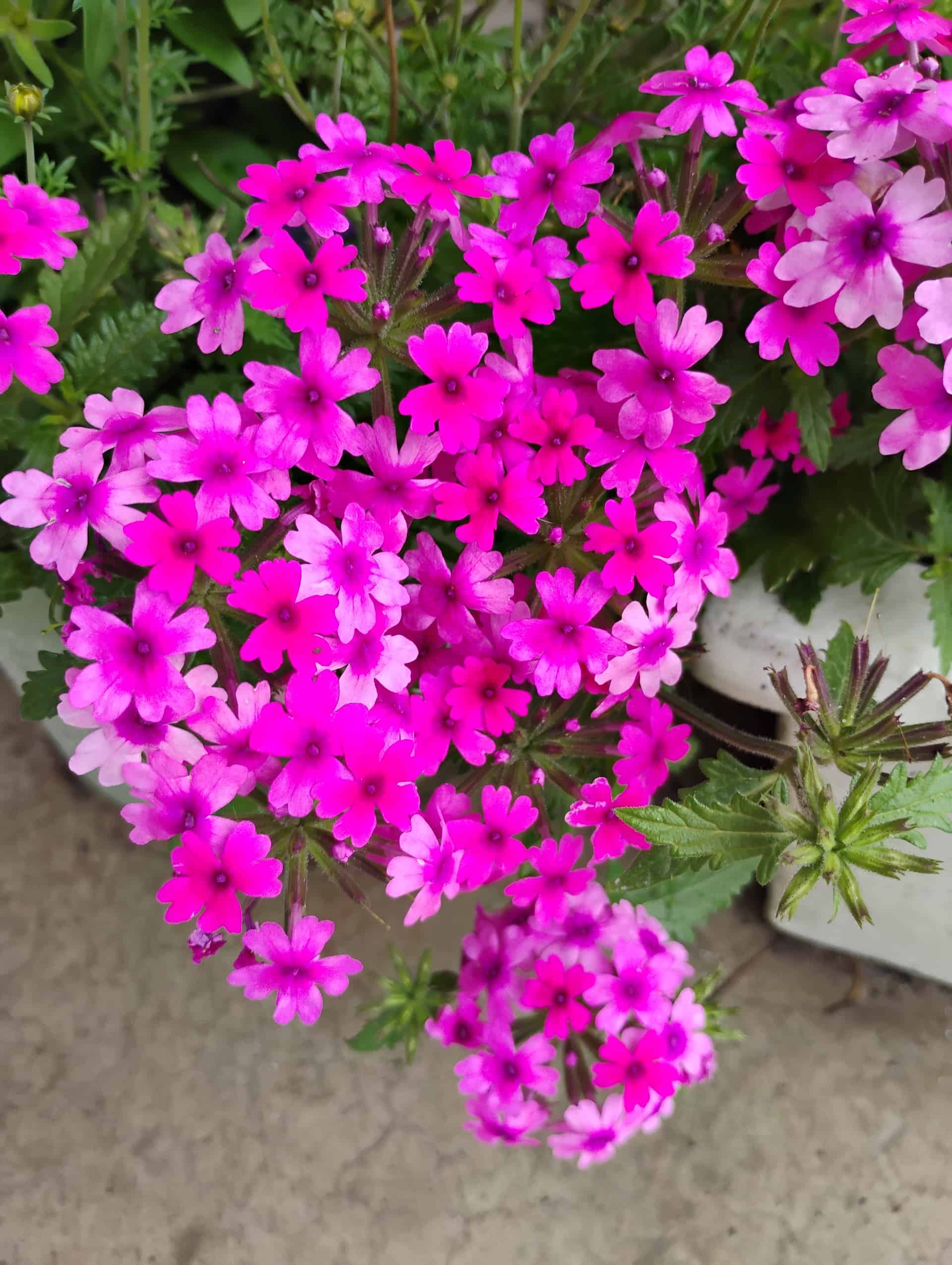
Bidens
Shares 5 of the same needs: full sun, moderate water, sandy, zone 9a hardiness, and pollinator-friendly.
You may also like
AnnualAgeratum
Ageratum houstonianum
AnnualAlyssum
Lobularia maritima
AnnualAngelonia
Angelonia angustifolia
Common questions
Is Snapdragon a good plant for St. Augustine?
Snapdragon is an annual. Mature size: 1-3 feet × 0.5-1 feet. Light: Full Sun. Water needs: Moderate. Recorded hardiness zone: 9a.
What is the recorded pet toxicity for Snapdragon?
Non-toxic to dogs and cats
Care information verified from
Last reviewed February 2026. Our care guidance comes from trusted horticulture sources and decades of helping St. Augustine gardeners. Conditions here can vary dramatically from one area to the next, so come ask us and we'll tailor it to your yard.