
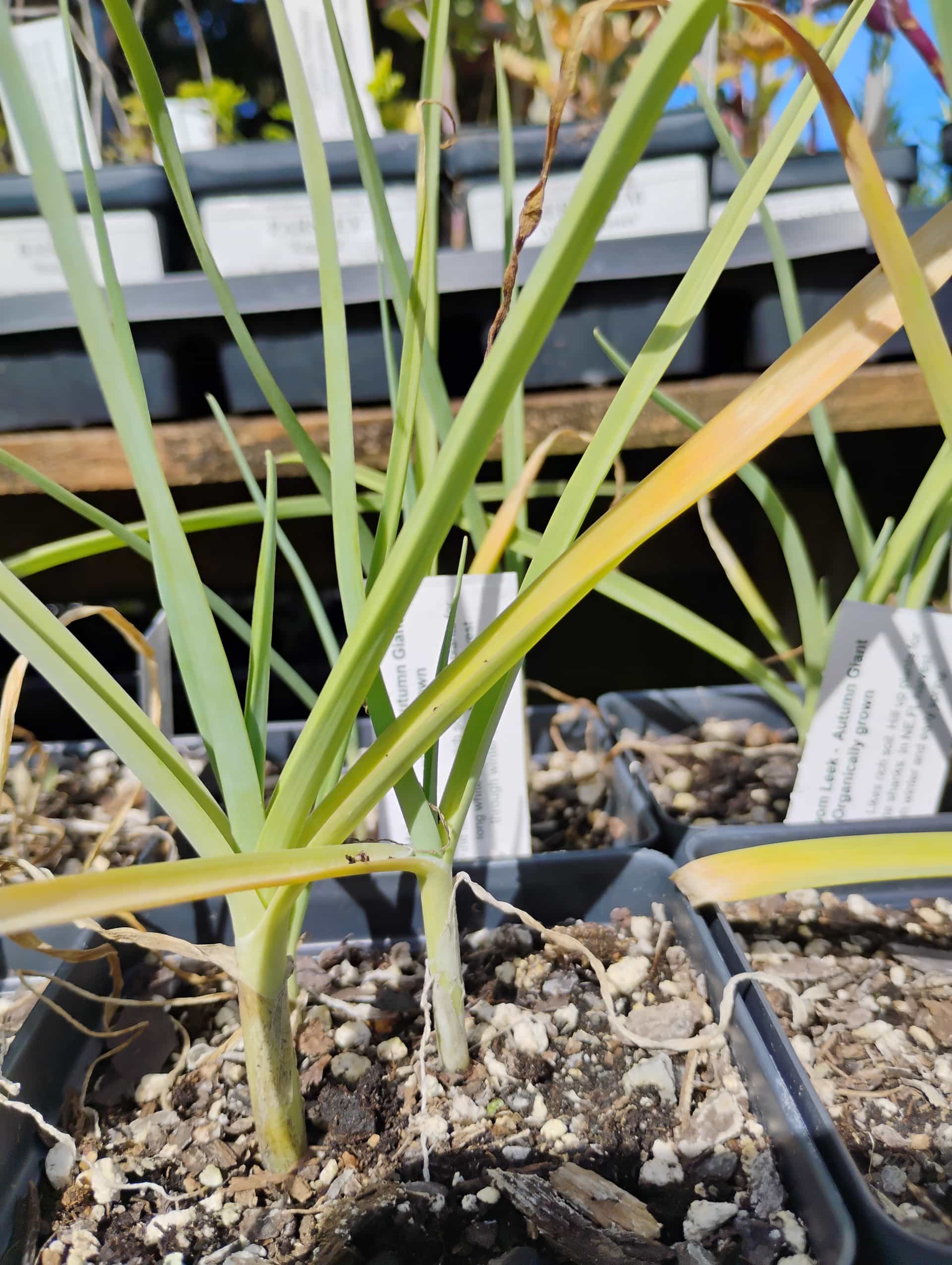
Varieties We Bring In
Autumn Giant
Autumn Giant
We received some Wild Leek on Jul 19, 2026.
We bring this in seasonally, so what is on the lot changes week to week. A received date shows when it last came in, not that it is here today.
Call (904) 471-0440 to confirm this plant and size before you make the trip.
Last received Jul 19, 2026.
We bring this in seasonally, so what is on the lot changes week to week. A received date shows when it last came in, not that it is here today.
Call (904) 471-0440 to confirm this plant and size before you make the trip.
Pet toxicity: Toxic to dogs and cats
Pet safety guideAbout Wild Leek
Leek (Allium ampeloprasum) is a cool-season vegetable grown as a fall-through-spring crop in NE Florida (plant October-January). It produces long, mild-flavored stalks prized in soups and roasted dishes, performing best in rich, well-drained soil with consistent moisture during the cooler months.
Plant details
- Bloom Season
- Spring, Summer
- Flower Color
- Non-flowering
- Growth Rate
- Moderate
- Foliage
- Deciduous
- Soil
- Sandy, Loam, Well-drained
Best planting months
Recommended months: February, March, April, September, October.
Seasonal care
New foliage emerges. Good planting window.
Higher water demand in summer heat.
Foliage may begin to change or drop. Ideal planting window.
Dormant — drops foliage. Can be planted in mild winter periods.
Care essentials
Leeks require at least 6 hours of direct sun daily. In NE Florida, site them in full sun for the cool-season planting window (October through February) when solar angles are lower.
Keep soil evenly moist but not waterlogged. In NE Florida's dry winters, irrigate 1-2 times per week; leeks have shallow roots and wilt quickly without consistent moisture.
Plant in well-drained, fertile sandy or loamy soil amended with compost. Apply a balanced vegetable fertilizer (e.g., 6-6-6) at planting and side-dress with nitrogen mid-season to encourage thick, succulent stalks.
Similar needs
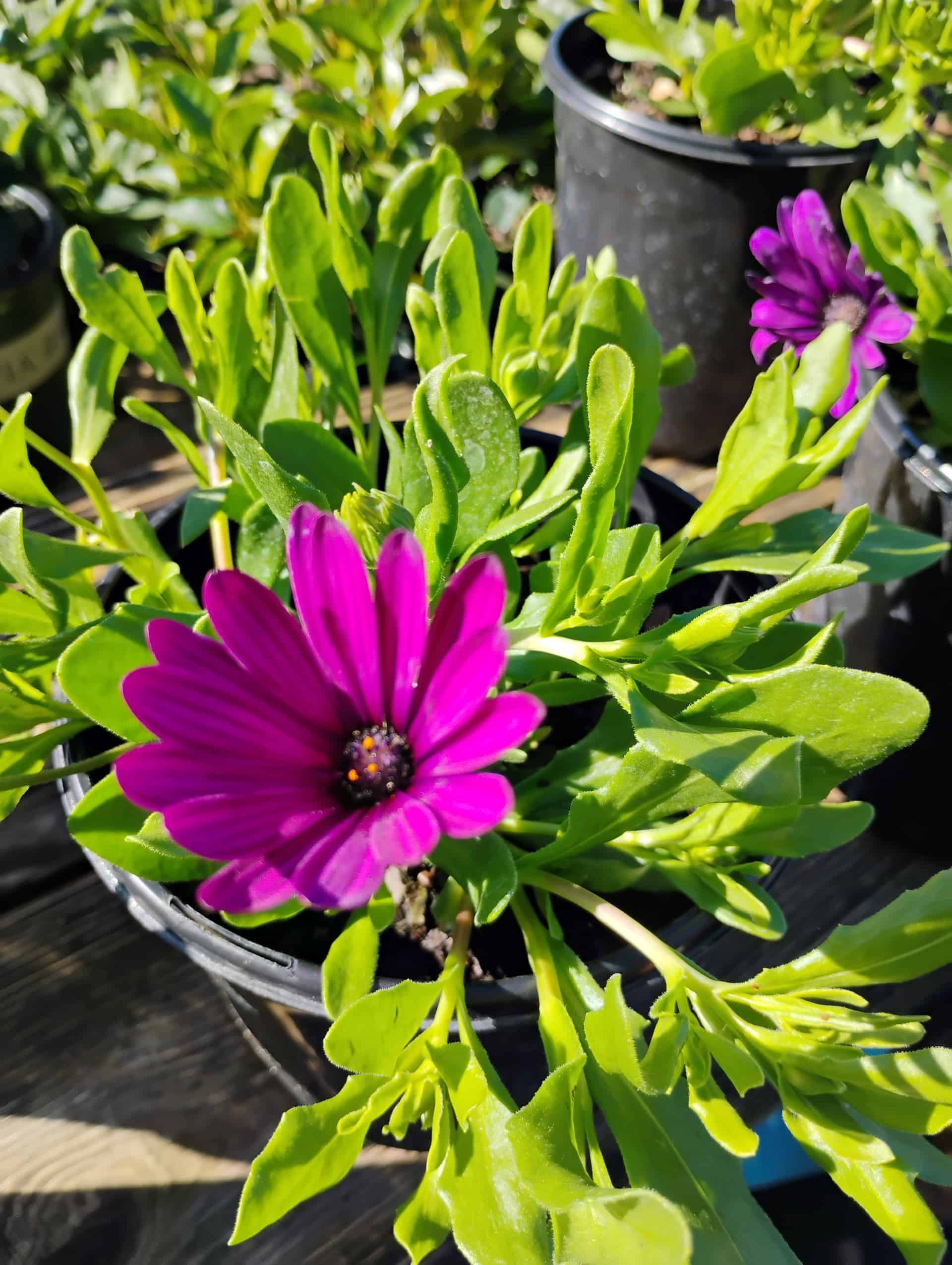
African Daisy
Shares 5 of the same needs: full sun, moderate water, sandy, zone 9a hardiness, and pollinator-friendly.
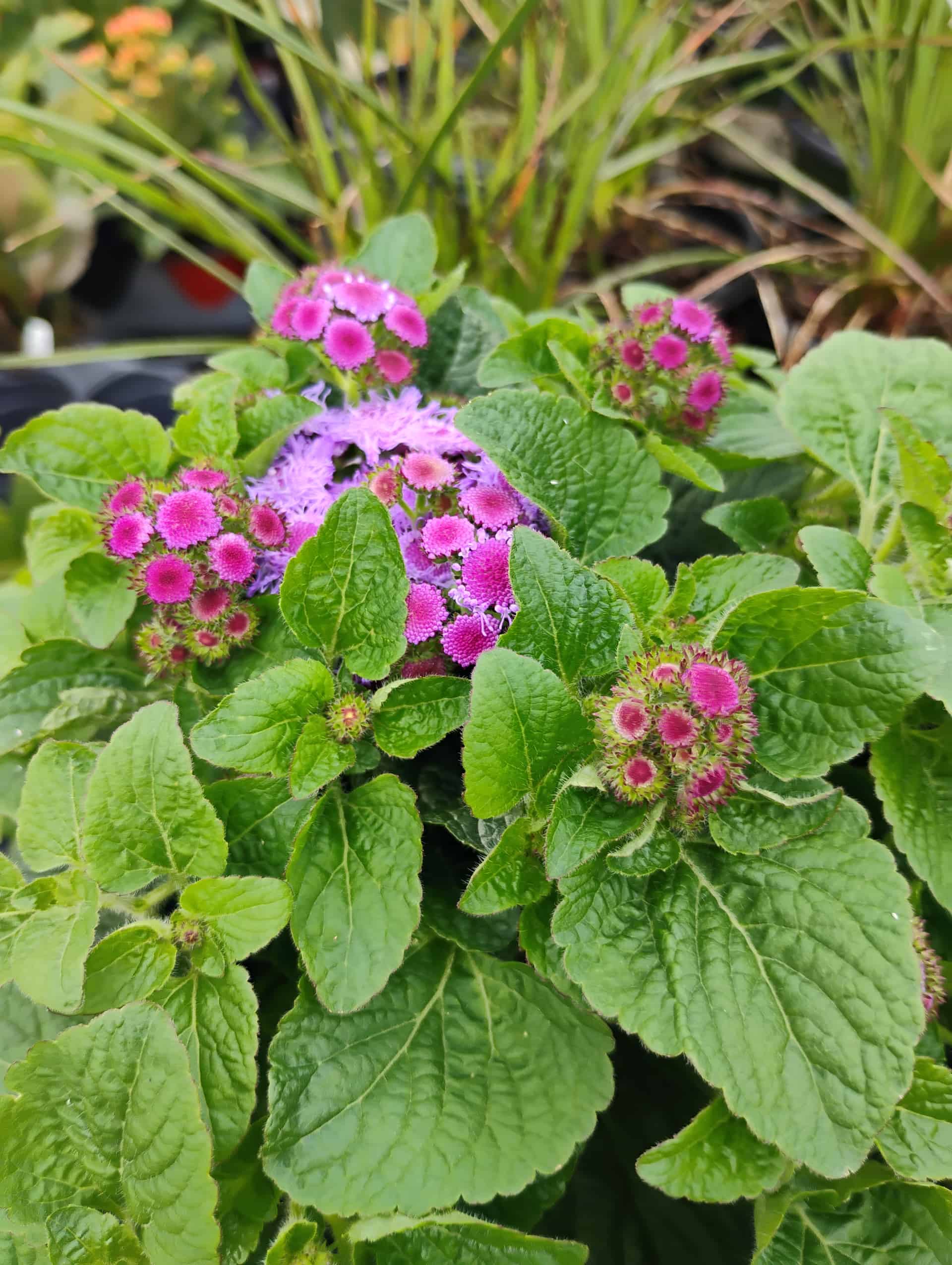
Ageratum
Shares 5 of the same needs: full sun, moderate water, sandy, zone 9a hardiness, and pollinator-friendly.
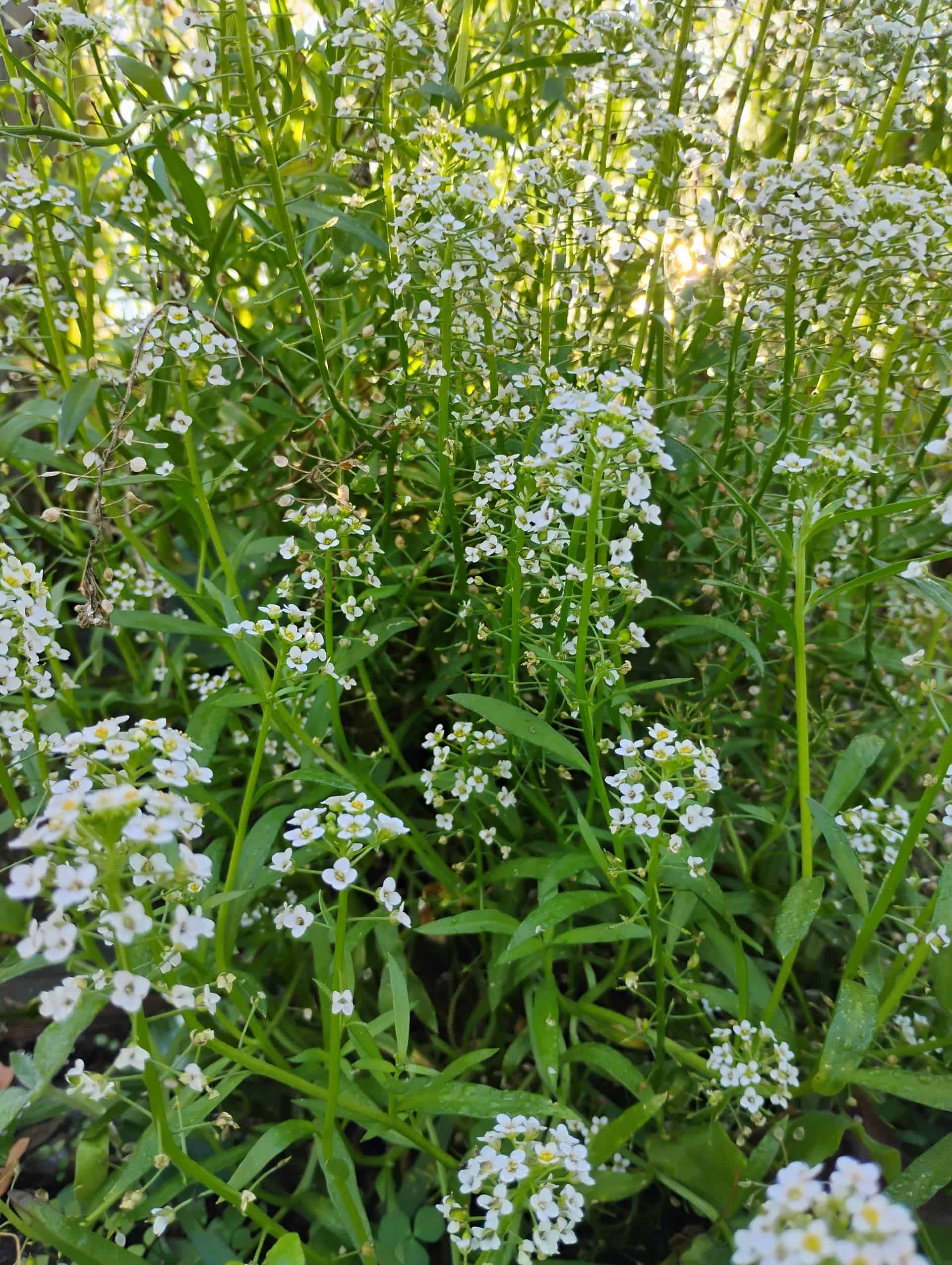
Alyssum
Shares 5 of the same needs: full sun, moderate water, sandy, zone 9a hardiness, and pollinator-friendly.
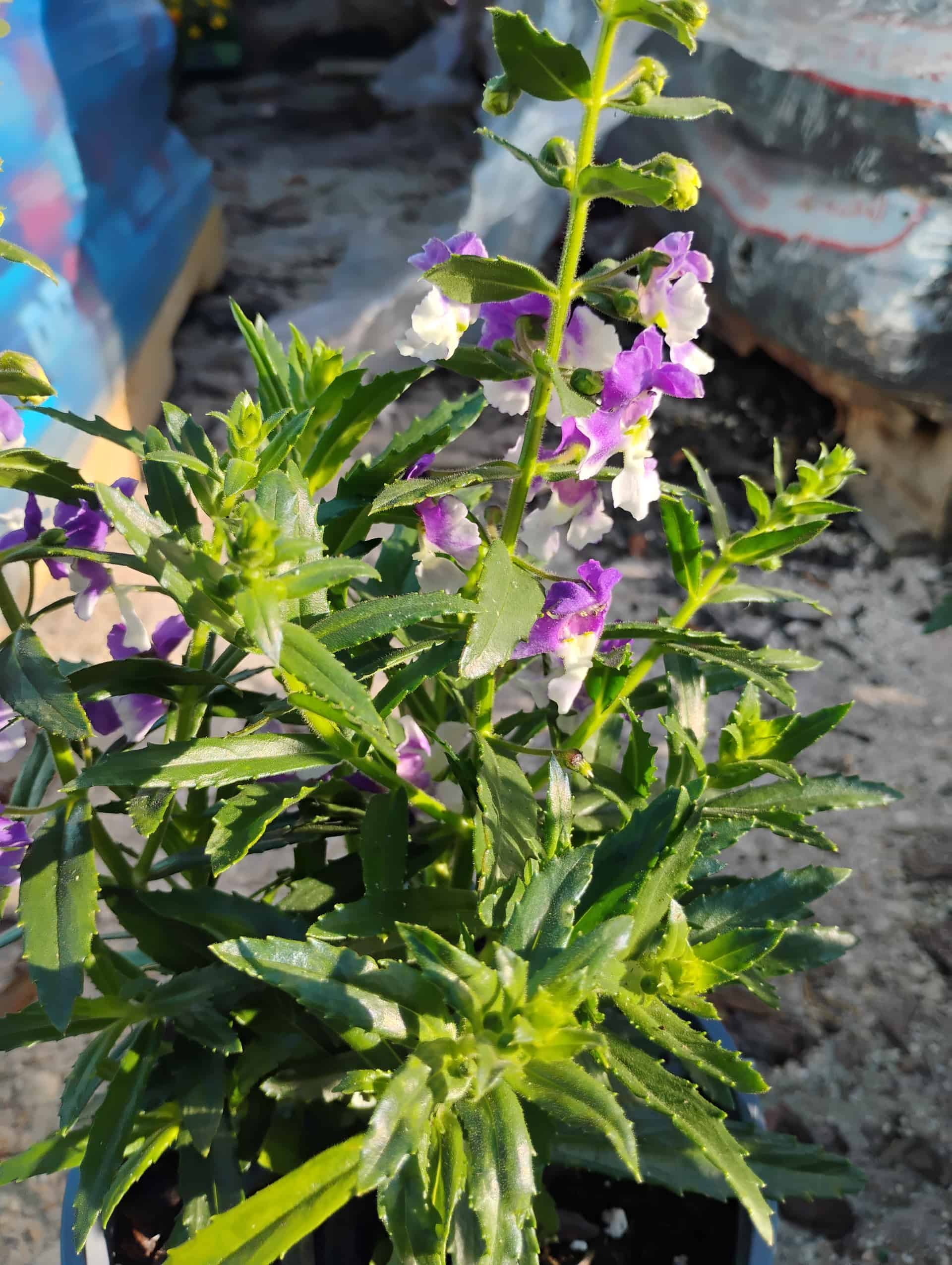
Angelonia
Shares 5 of the same needs: full sun, moderate water, sandy, zone 9a hardiness, and pollinator-friendly.
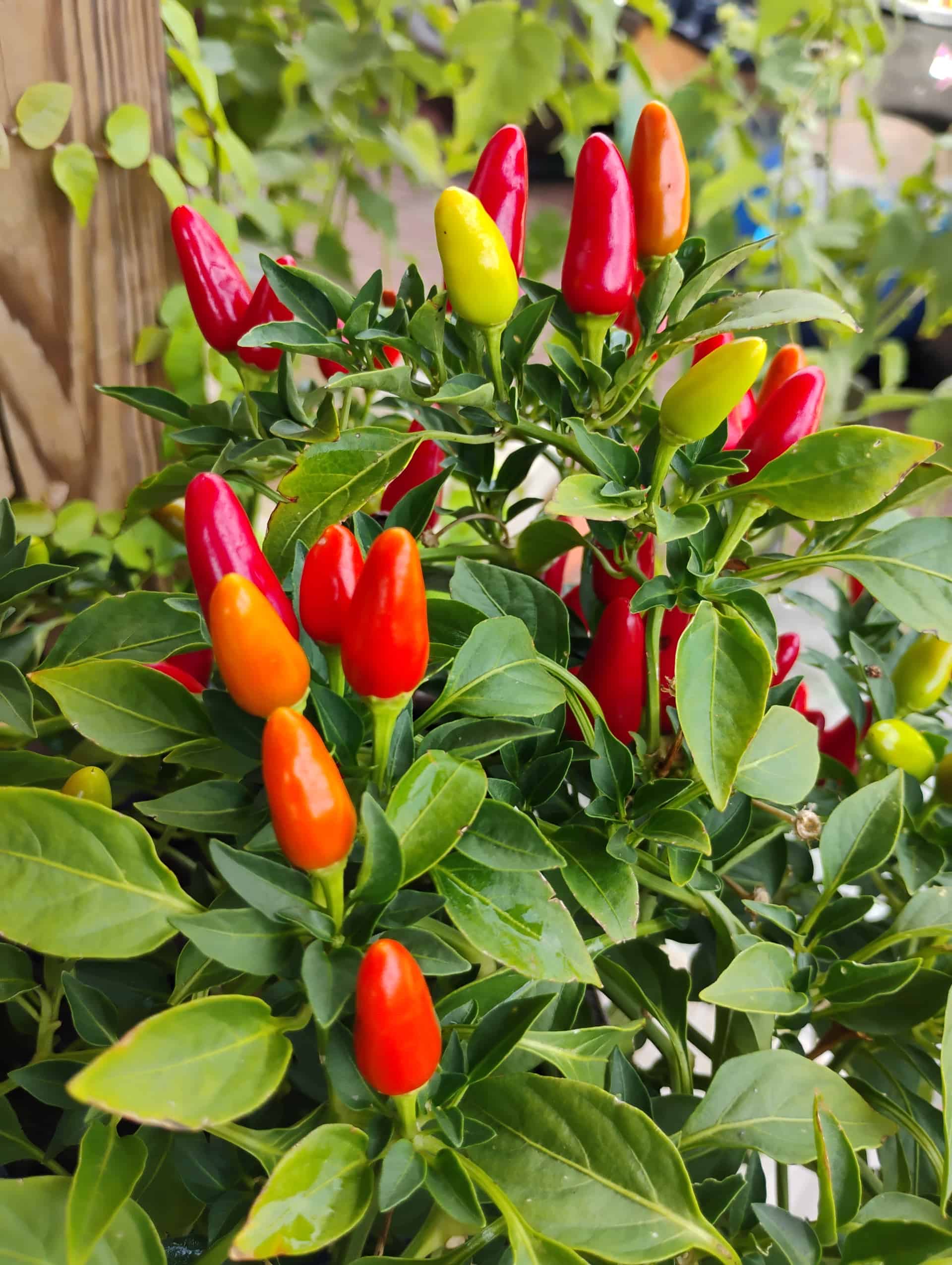
Bell Pepper
Shares 5 of the same needs: full sun, moderate water, sandy, zone 9a hardiness, and pollinator-friendly.
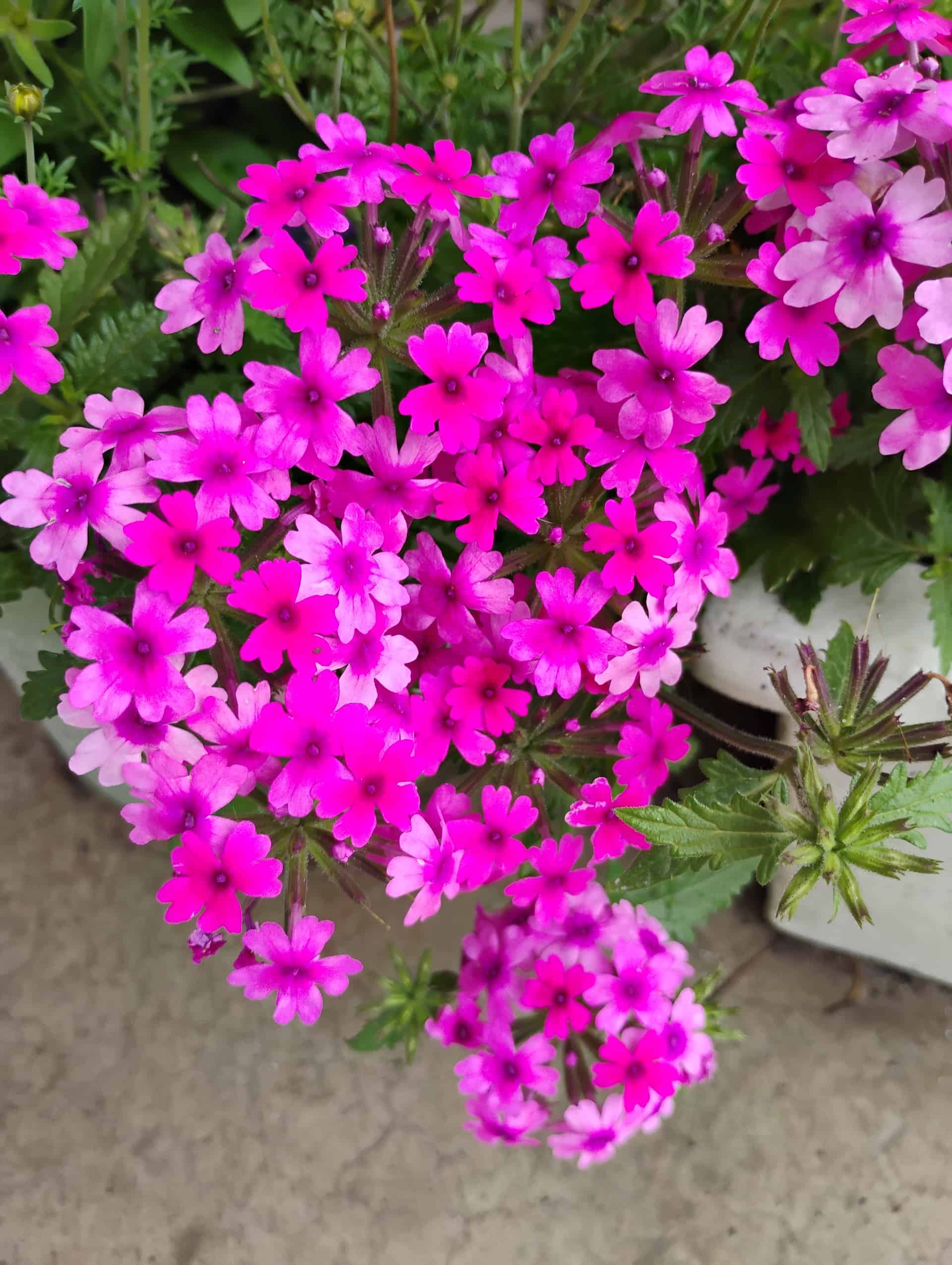
Bidens
Shares 5 of the same needs: full sun, moderate water, sandy, zone 9a hardiness, and pollinator-friendly.
You may also like
AnnualAgeratum
Ageratum houstonianum
AnnualAlyssum
Lobularia maritima
AnnualAngelonia
Angelonia angustifolia
Common questions
Is Wild Leek a good plant for St. Augustine?
Wild Leek is an annual. Mature size: 12-24 inches × 6-12 inches. Light: Full Sun. Water needs: Moderate. Recorded hardiness zone: 9a.
What is the recorded pet toxicity for Wild Leek?
Toxic to dogs and cats
Care information verified from
Last reviewed February 2026. Our care guidance comes from trusted horticulture sources and decades of helping St. Augustine gardeners. Conditions here can vary dramatically from one area to the next, so come ask us and we'll tailor it to your yard.