
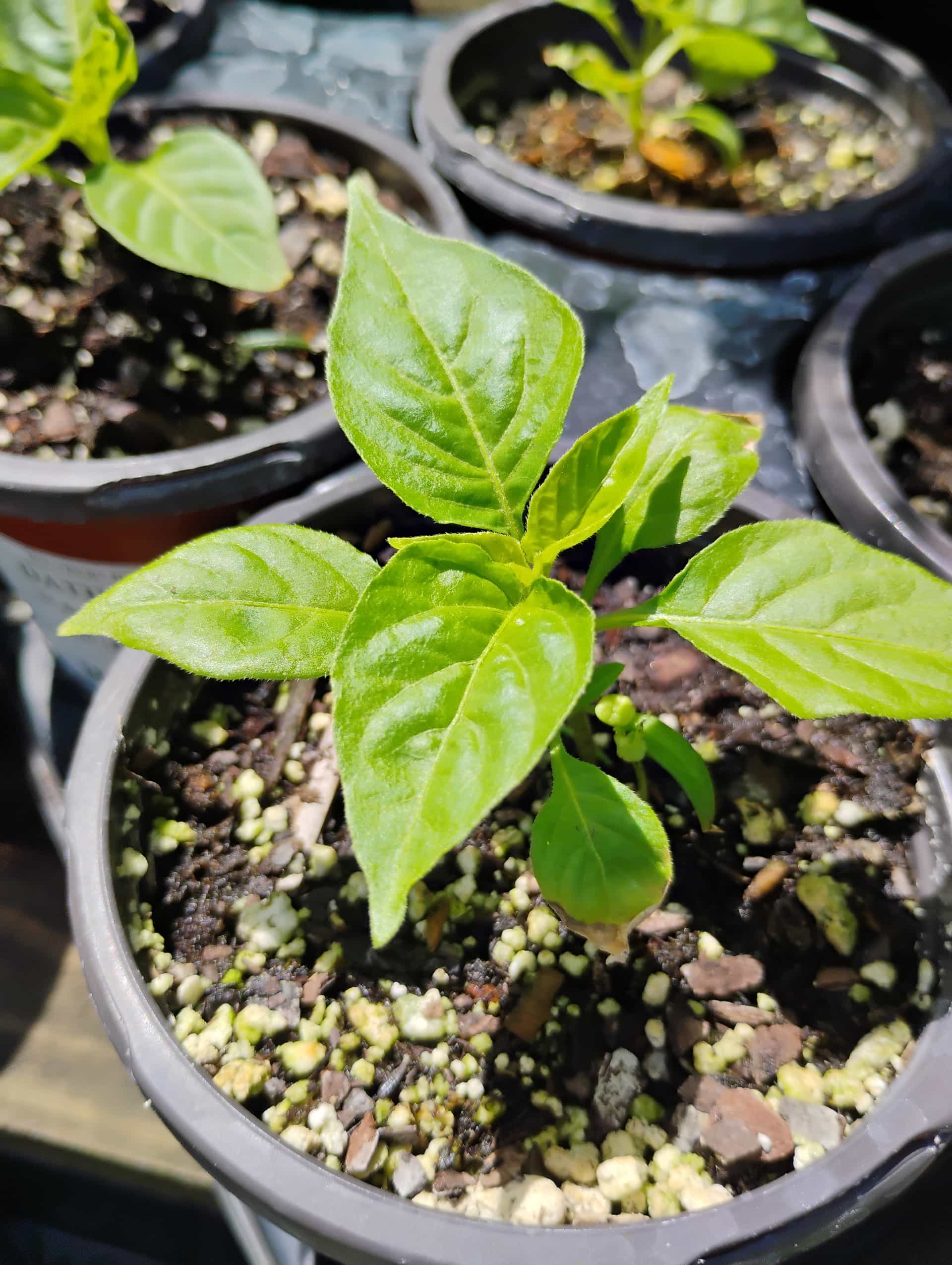
Datil Pepper
Capsicum chinense
Varieties We Bring In
Last received Sep 18, 2026.
We bring this in seasonally, so what is on the lot changes week to week. A received date shows when it last came in, not that it is here today.
Call (904) 471-0440 to confirm this plant and size before you make the trip.
About Datil Pepper
A historically significant hot pepper cultivated for centuries in St. Augustine, Florida (Capsicum chinense), producing small, blunt-tipped fruits that ripen to golden orange with fruity, complex heat comparable to a habanero. In Zone 9b mild winters it can persist as a short-lived perennial; plant in full sun and fertile, well-drained soil for best production spring through fall. Starting at $2.49.
Plant details
- Bloom Season
- Spring, Summer, Fall
- Flower Color
- White
- Growth Rate
- Moderate
- Foliage
- Evergreen
- Soil
- Loam, Sandy, Well-drained
Care essentials
Grow Datil Pepper in full sun with at least 6–8 hours of direct light daily. In Northeast Florida's long warm season, full sun maximizes fruit production throughout the spring-to-fall fruiting window.
Water consistently to keep soil evenly moist but never waterlogged; peppers need regular moisture for fruit set. During dry spells, water deeply 2–3 times per week. Reduce watering as fruits ripen.
Plant in well-drained, fertile loamy to sandy soil. Fertilize with a balanced vegetable fertilizer at planting and again when first flowers appear; avoid excess nitrogen, which promotes foliage over fruiting. In Zone 9b mild winters allow this pepper to overwinter as a short-lived perennial with protection from rare freezes.
Similar needs
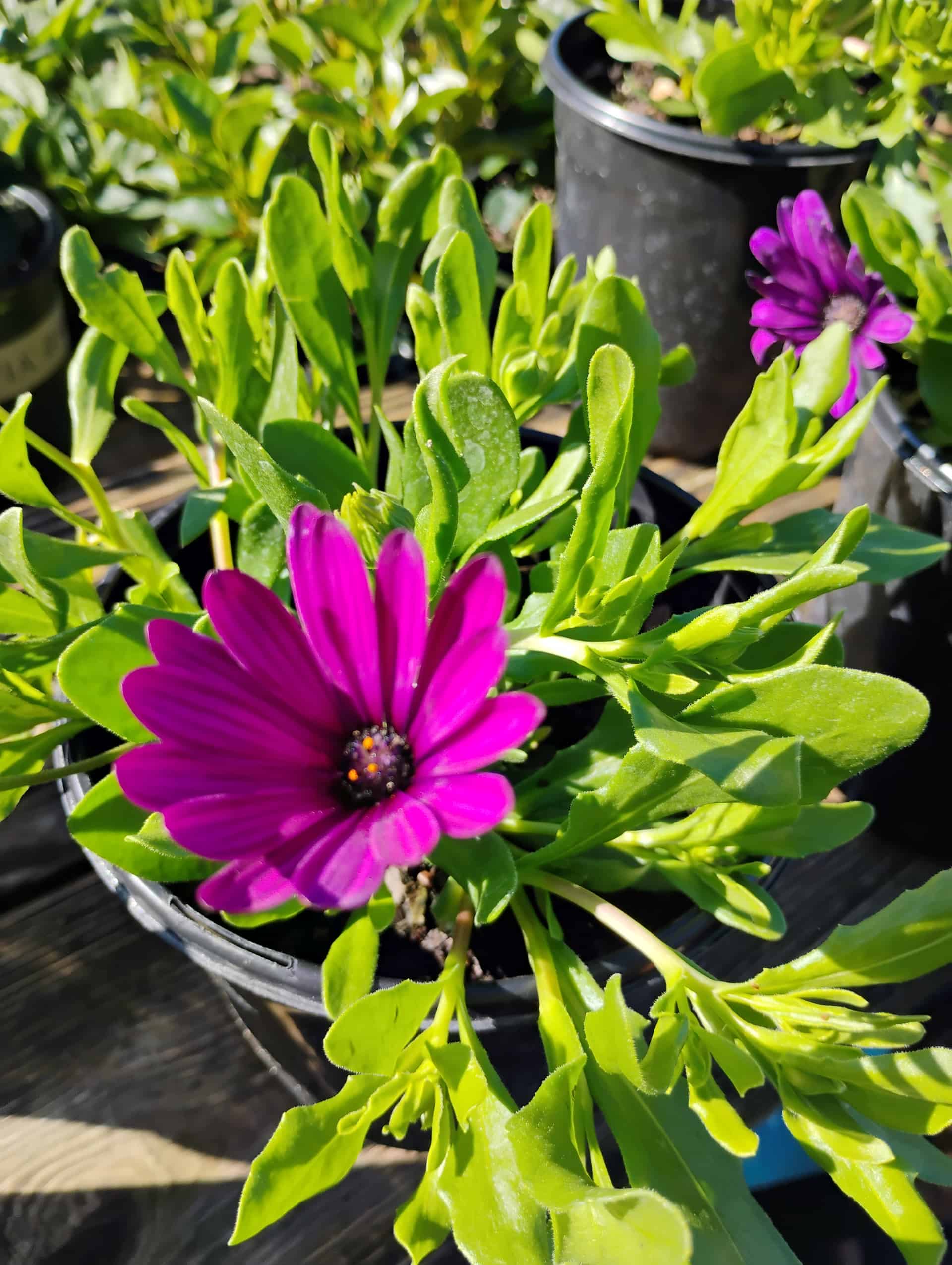
African Daisy
Shares 5 of the same needs: full sun, moderate water, loam, zone 9a hardiness, and pollinator-friendly.
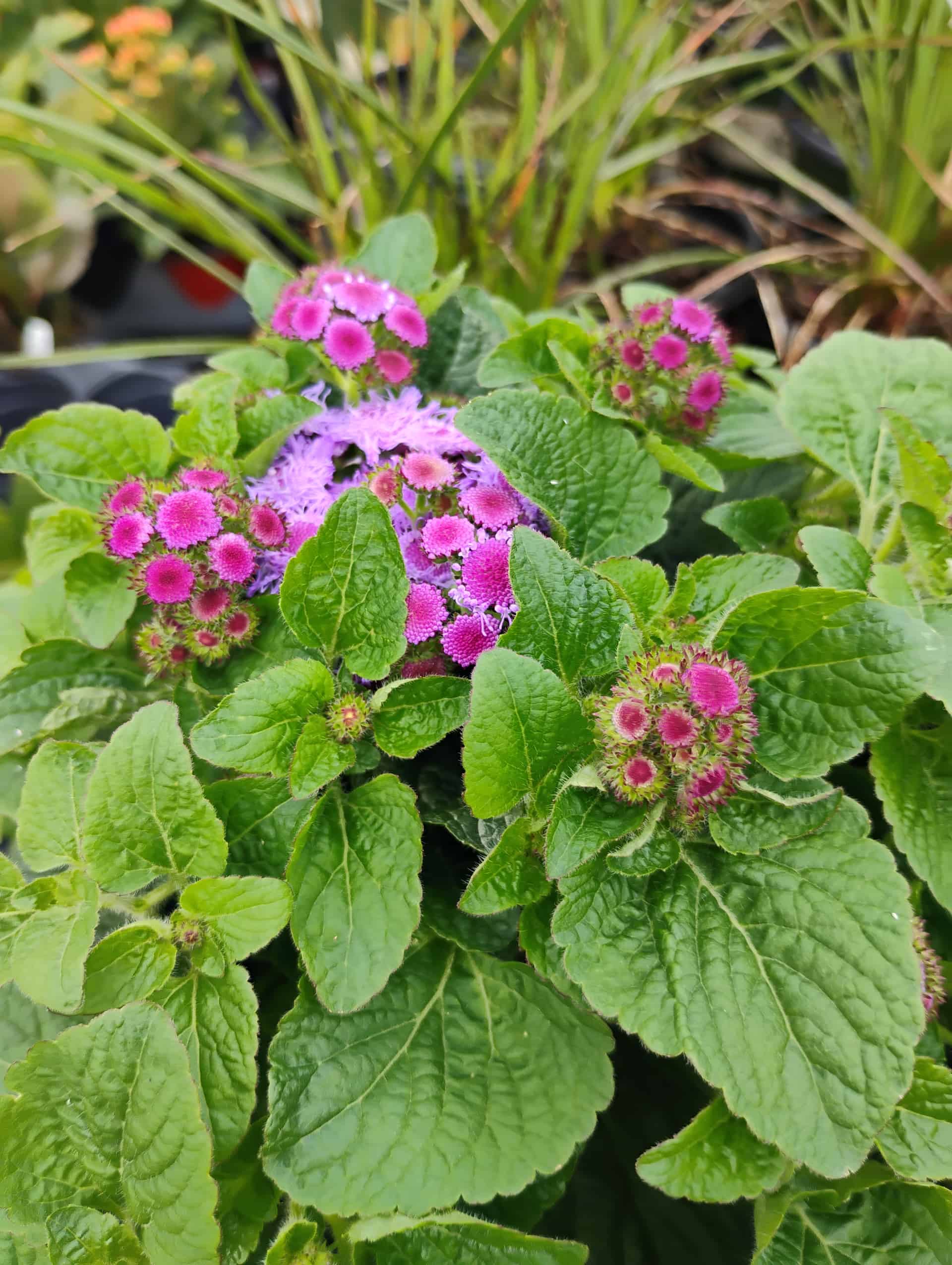
Ageratum
Shares 5 of the same needs: full sun, moderate water, loam, zone 9a hardiness, and pollinator-friendly.
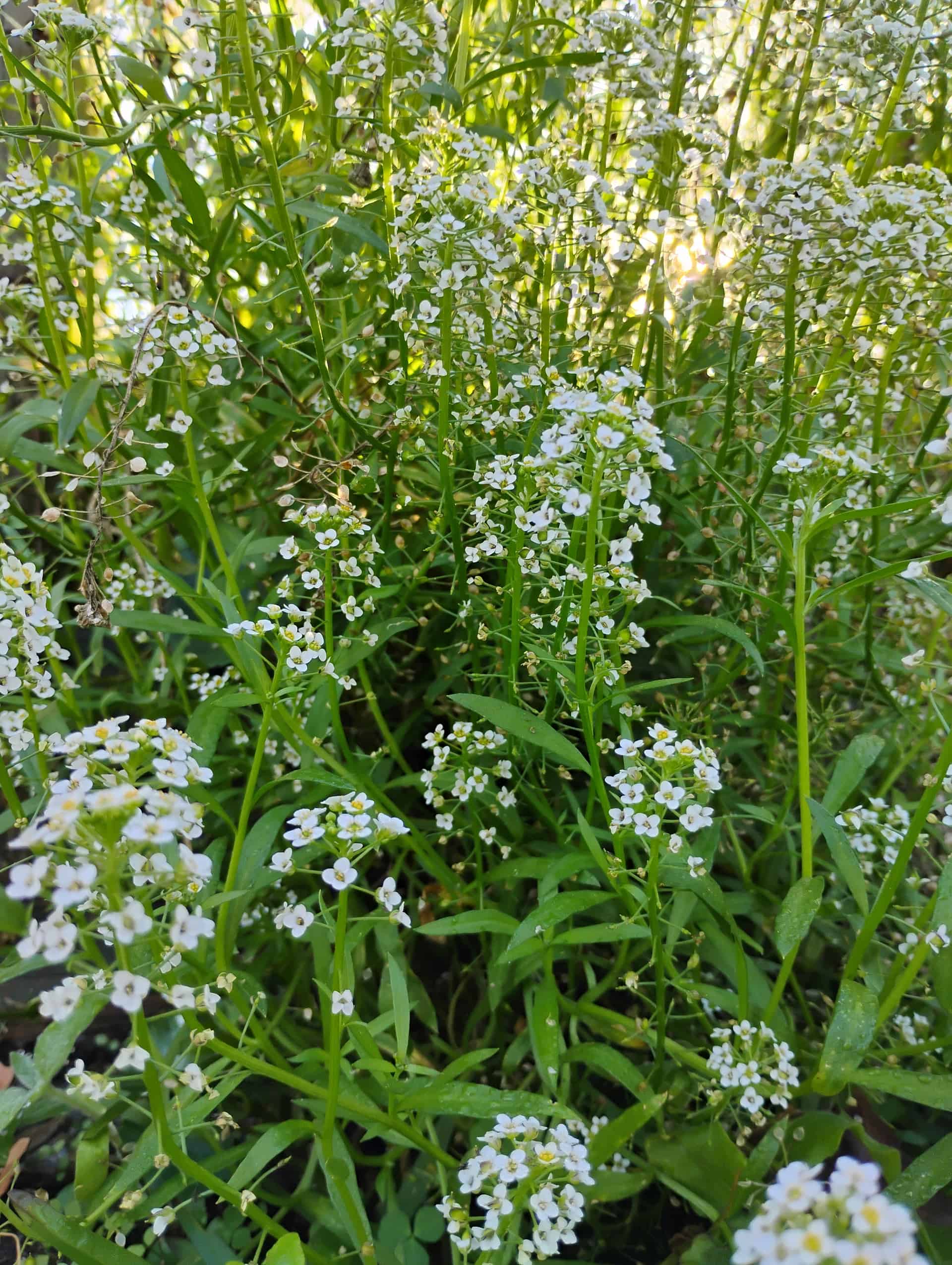
Alyssum
Shares 5 of the same needs: full sun, moderate water, loam, zone 9a hardiness, and pollinator-friendly.
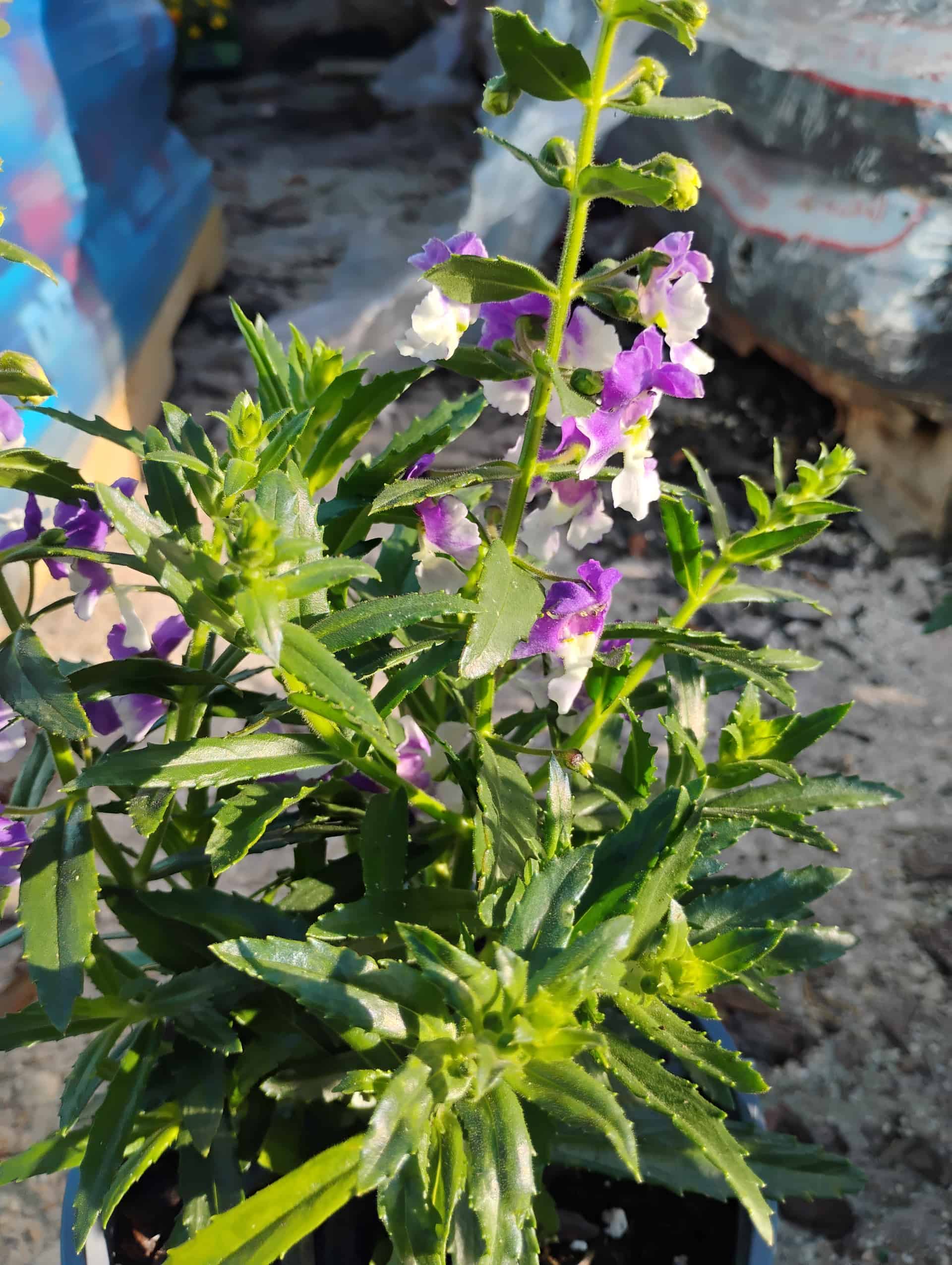
Angelonia
Shares 5 of the same needs: full sun, moderate water, loam, zone 9a hardiness, and pollinator-friendly.
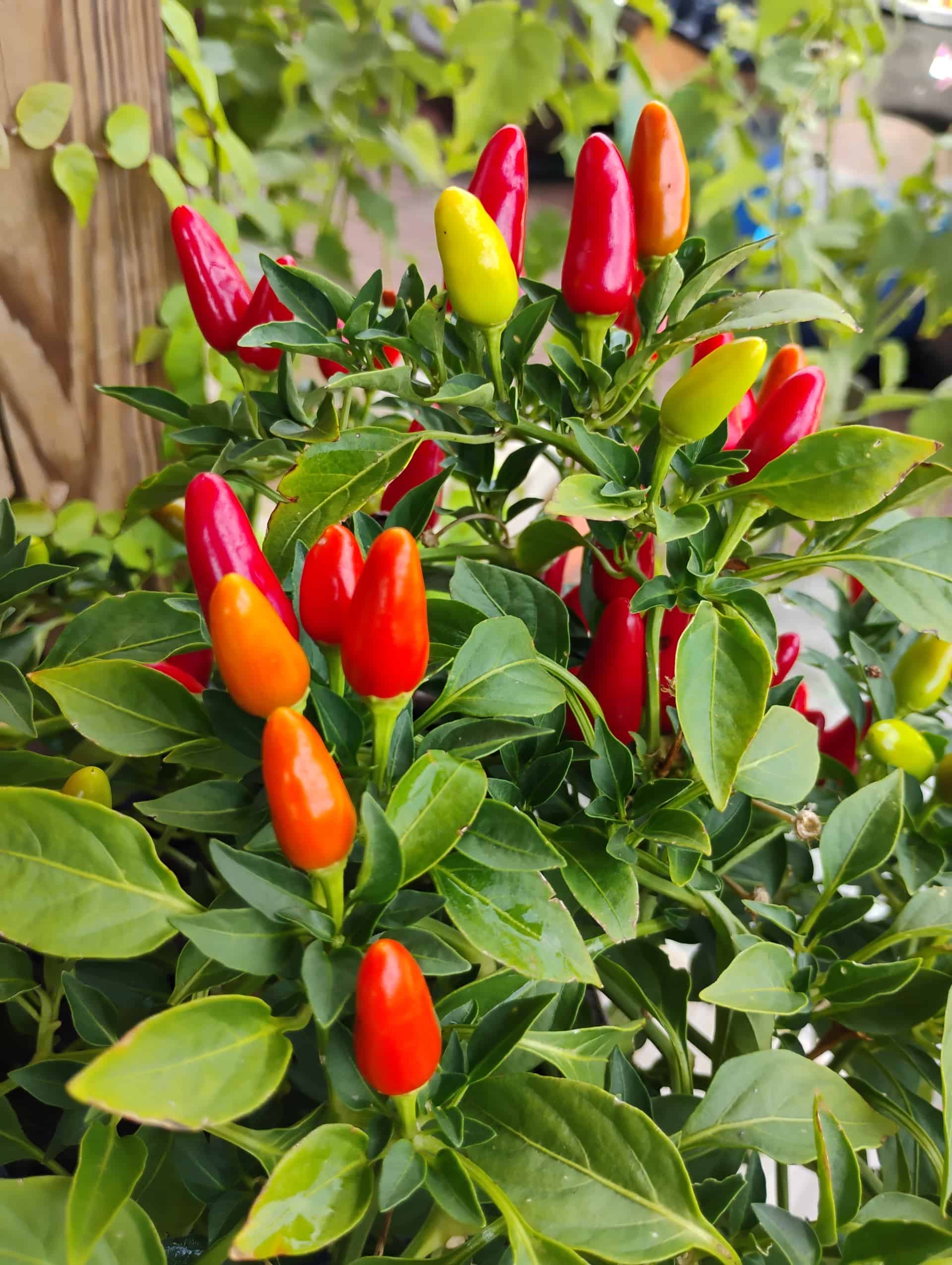
Bell Pepper
Shares 5 of the same needs: full sun, moderate water, loam, zone 9a hardiness, and pollinator-friendly.
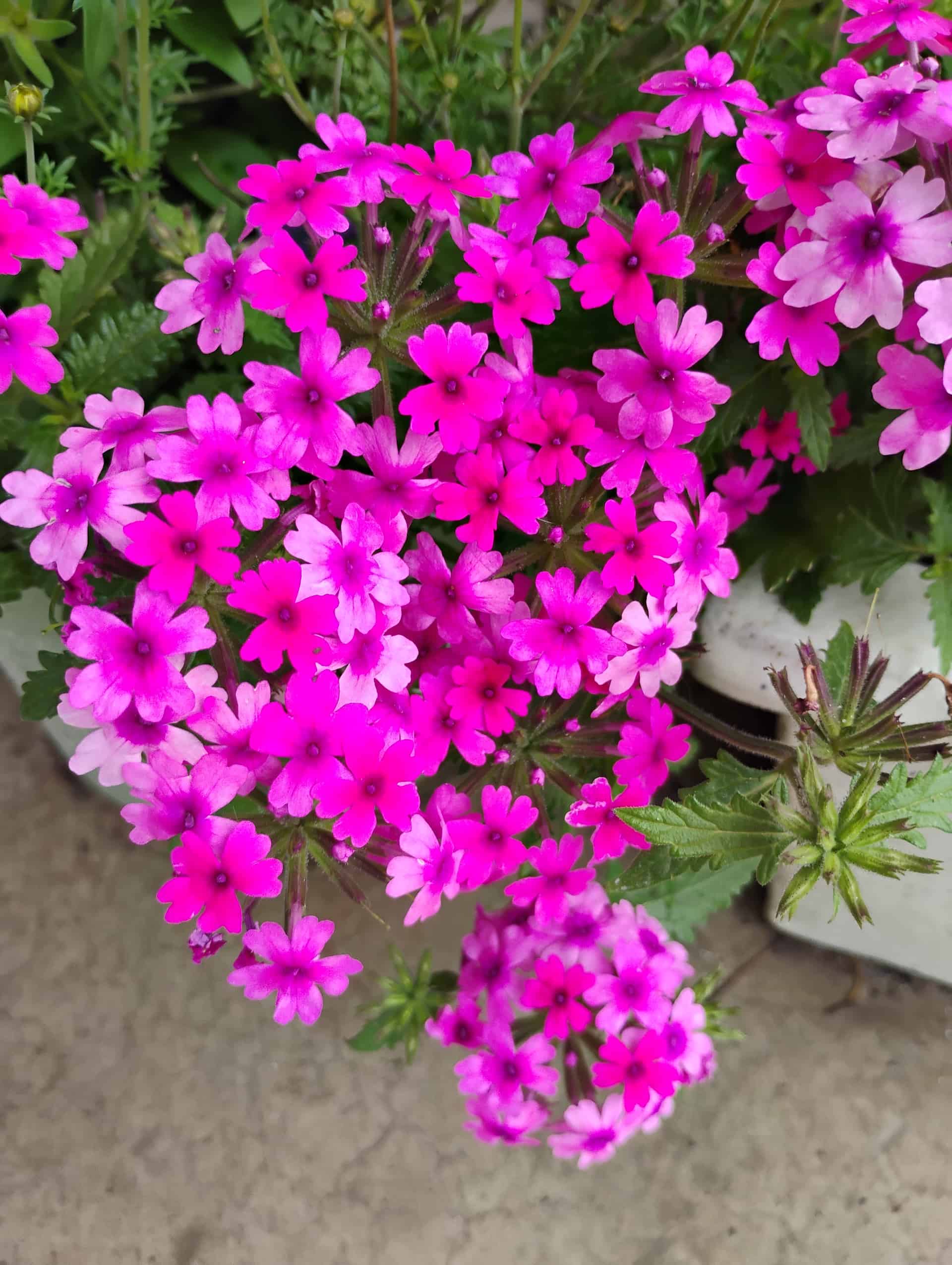
Bidens
Shares 5 of the same needs: full sun, moderate water, loam, zone 9a hardiness, and pollinator-friendly.
You may also like
Common questions
Is Datil Pepper a good plant for St. Augustine?
Datil Pepper is a annual for Zone 9b coastal Florida gardens, reaching 1.5-2.5 feet × 1-2 feet.